
Are you ready to take your strength training to the next level? The right gym equipment can make all the difference in how quickly and effectively you reach your fitness goals.
Whether you want to build muscle, boost endurance, or improve overall power, understanding which tools to use—and how to use them—puts you in control of your progress. You’ll discover key gym equipment that can transform your workouts and help you get stronger faster.
Keep reading to unlock the secrets that could change the way you train forever.
Credit: www.amazon.ca
Key Strength Training Equipment
Strength training requires the right equipment to build muscle and improve fitness. Using proper gym tools helps target specific muscles safely and effectively. Different equipment types offer unique benefits for your workout routine.
Free Weights
Free weights include dumbbells, barbells, and kettlebells. They allow natural movement and engage more muscles. Using free weights improves balance and coordination. These tools offer a wide range of exercises for all fitness levels.
Resistance Machines
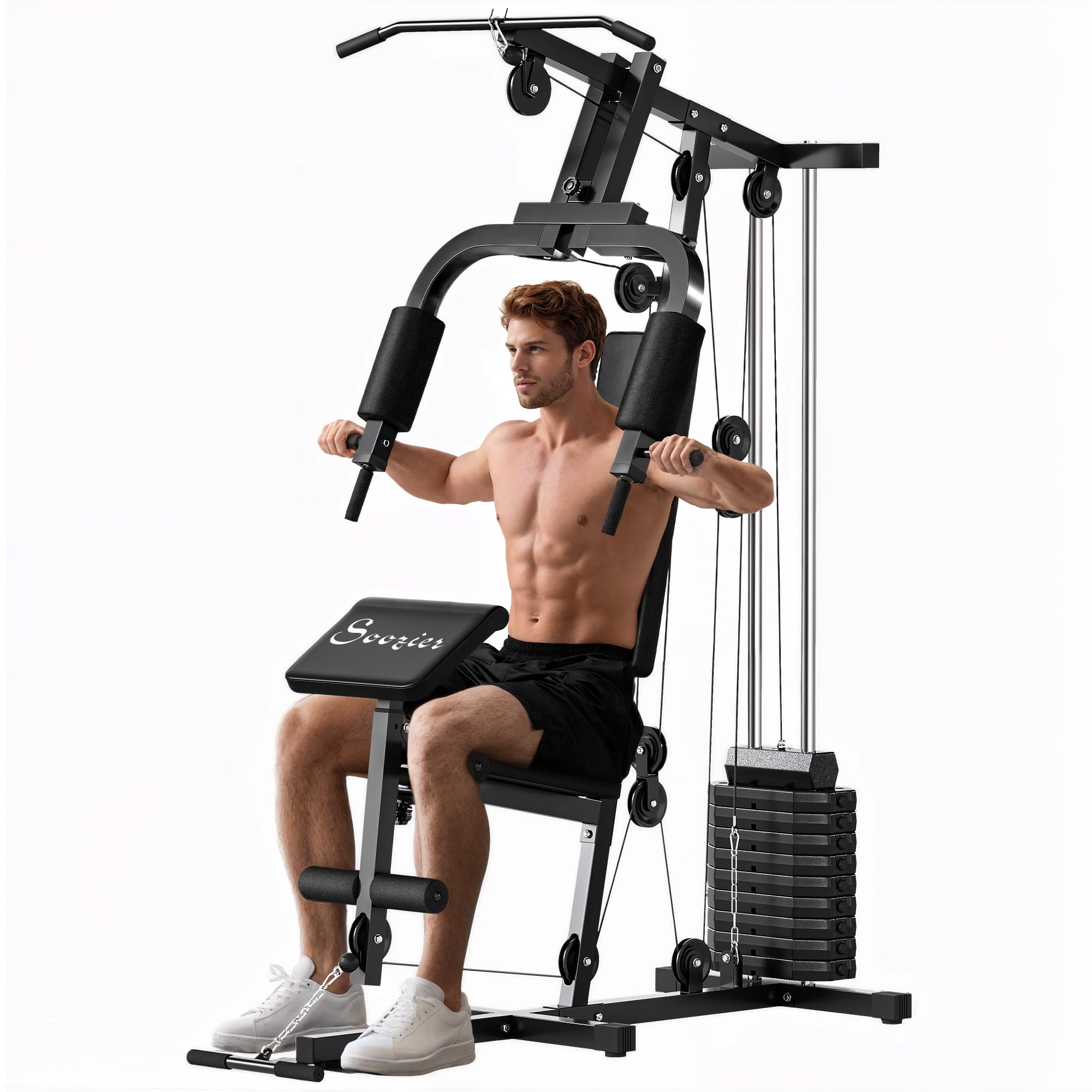
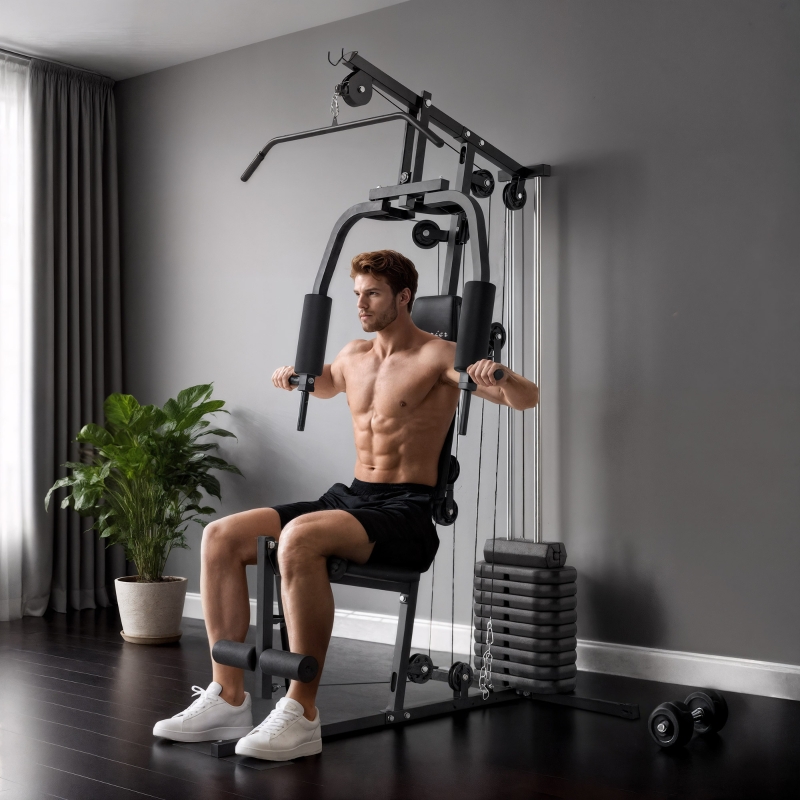
Resistance machines guide your movement along fixed paths. They provide controlled and safe workouts for beginners. Machines target specific muscle groups with adjustable weights. They help maintain proper form and reduce injury risk.
Kettlebells And Dumbbells
Kettlebells combine strength and cardio training in one. Their unique shape challenges your grip and core stability. Dumbbells are versatile and easy to use at home or gym. Both tools support full-body workouts and improve muscle tone.
Barbells And Plates
Barbells allow lifting heavy weights with proper technique. They build strength in large muscle groups like legs and back. Plates add weight to the barbell for progressive overload. Using barbells helps increase power and muscle mass steadily.
Choosing The Right Equipment
Choosing the right gym equipment is key for effective strength training. It affects progress, safety, and motivation. Picking gear that fits your needs makes workouts enjoyable and results better. Consider your body, goals, space, and budget before buying equipment.
Assessing Your Fitness Level
Start by knowing your current strength and skill. Beginners need simple and safe machines or light weights. Experienced lifters can use advanced gear with heavier weights. Honest assessment prevents injury and wasted money. Track your progress to adjust equipment as you improve.
Goals And Training Style
Your goals shape your equipment choice. For muscle building, free weights and barbells work well. For toning, resistance bands or machines help. Different styles need different tools:
- Bodybuilding: Dumbbells, barbells, benches
- Functional training: Kettlebells, medicine balls
- Endurance: Light weights, high reps
Choose tools that match your workout plan and keep you motivated.
Space And Budget Considerations
Measure your available space before buying equipment. Large machines need more room. Compact gear suits small areas. Set a budget to avoid overspending. Prioritize versatile equipment for value. Consider secondhand items to save money. Plan purchases to fit both your space and finances.
Proper Use And Safety Tips
Always check gym equipment before use to avoid injury. Use proper form and start with lighter weights. Stay focused and never rush through exercises.
Proper Use and Safety Tips Engaging in strength training is a fantastic way to boost your fitness levels. However, using gym equipment properly is crucial to prevent injuries and maximize benefits. Whether you’re a beginner or a seasoned gym-goer, understanding how to safely use equipment can make all the difference in your workouts.Correct Form And Technique
Using the correct form is essential to avoid injuries. For example, when lifting weights, keep your back straight and engage your core. This ensures you target the right muscles and prevent strain. Consider watching instructional videos or asking a trainer for guidance. This approach helps in learning the right techniques and avoiding common mistakes. Remember, it’s not about lifting the heaviest weights; it’s about lifting correctly.Warm-up And Cool-down
Always start with a warm-up to prepare your body. A simple 5-10 minute routine like jogging or jumping jacks increases your heart rate and loosens muscles. This reduces the risk of strains and sprains. After your workout, cool down with stretching exercises. This helps in muscle recovery and reduces soreness. Have you noticed how much better you feel when you don’t skip these steps?Equipment Maintenance
Regular maintenance of gym equipment ensures safety and longevity. Check for any visible wear and tear, especially on cables and benches. This simple check can prevent unexpected equipment failures. Wipe down machines after use with disinfectant wipes. This keeps the equipment clean and hygienic for everyone. A clean environment is a safer environment—how often do you contribute to it?
Credit: www.ebay.ca
Designing A Strength Training Routine
Designing a strength training routine helps build muscle and improve fitness effectively. It requires understanding the types of exercises, how to increase intensity, and keeping muscle groups balanced. A well-planned routine reduces injury risk and boosts progress.
Compound Vs Isolation Exercises
Compound exercises work several muscle groups at once. Examples include squats, deadlifts, and bench presses. They build strength quickly and improve coordination.
Isolation exercises target one muscle group. Examples are bicep curls and leg extensions. They help fix muscle imbalances and add detail to muscles.
A good routine mixes both types. Compound lifts form the base. Isolation moves refine and strengthen weak spots.
Progressive Overload Methods
Progressive overload means gradually increasing workout difficulty to build strength. You can increase weight lifted, number of sets or reps, or reduce rest time.
Track your progress to avoid plateaus. Small, steady increases work best. Avoid pushing too hard too fast.
- Add 5% more weight every few sessions
- Do one or two extra reps per set
- Shorten rest periods between sets
Balancing Muscle Groups
Balanced training prevents injuries and improves body shape. Train opposing muscles equally, like chest and back or quads and hamstrings.
Include exercises for all major muscle groups. Avoid focusing only on arms or chest. This keeps your body strong and stable.
Rest and recovery are part of balance too. Allow muscles time to heal before training them again.
Advanced Training Tools
Advanced training tools can take your strength workouts to a whole new level. These tools challenge your muscles differently and help you break through plateaus. Using the right equipment not only boosts your gains but also keeps your routine fresh and exciting.
Resistance Bands
Resistance bands are incredibly versatile and easy to carry around. They add tension throughout your entire movement, which helps improve muscle control and strength. You can use them for everything from assisted pull-ups to adding extra resistance in squats.
One thing I noticed when using resistance bands is how they force your muscles to stabilize more. This means you’re not just lifting weight, you’re training your body to be more balanced and coordinated. Have you tried swapping a dumbbell for a resistance band in your next workout?
Suspension Trainers
Suspension trainers use your body weight to build strength, stability, and flexibility. They require you to engage your core constantly, making every exercise more effective. Plus, you can adjust the difficulty by changing your body angle.
When I started using suspension trainers, my core strength improved faster than with traditional workouts. They also helped me fix muscle imbalances by targeting smaller supporting muscles. Would adding suspension training to your routine help you build a stronger foundation?
Powerlifting Accessories
Powerlifting accessories like lifting belts, wrist wraps, and knee sleeves protect your joints and improve your lifting performance. These tools offer support during heavy lifts, allowing you to push harder with less risk of injury.
Using a lifting belt gave me the confidence to increase my squat weight safely. Wrist wraps helped me maintain grip on heavy bench presses without wrist pain. What if these accessories could help you break through your personal bests?
Tracking Progress And Adjustments
Tracking progress and making adjustments are key to successful strength training. Without tracking, it is hard to see how much you improve. Adjustments help keep workouts effective and safe. They prevent boredom and plateaus. This section explains how to measure gains, adapt workouts, and avoid training stalls.
Measuring Strength Gains
Strength gains show your workout results. Use simple tools like a workout journal or an app. Record weights lifted, sets, and reps each session. Compare numbers over weeks to spot improvement. Another way is to test max strength occasionally. For example, see how much you can lift once with good form.
Tracking progress this way helps you stay motivated. It also guides when to increase weights or reps. Take photos or note how clothes fit for extra feedback. Strength gains may be slow but steady. Patience and consistent tracking pay off.
Adapting Workouts Over Time
Workouts must change as your strength grows. Gradually increase weight or reps to challenge muscles. Change exercise types to target muscles differently. This avoids overuse injuries and keeps training fresh.
Listen to your body. Rest more if you feel pain or extreme fatigue. Vary your routine every few weeks. For example:
- Switch from machines to free weights
- Change grip or stance
- Try supersets or circuits
Adapting workouts prevents boredom and helps steady progress.
Avoiding Plateaus
Plateaus happen when gains stop despite effort. Signs include no increase in weights or reps. Overcome plateaus by changing intensity or volume. Use different exercises to target muscles in new ways. Ensure proper nutrition and sleep to support recovery.
Try these tips:
- Increase weight by small amounts
- Reduce rest time between sets
- Include more challenging variations
- Take a short break to recover fully
Consistency and variety keep muscles growing and prevent plateaus.
Credit: www.aosom.ca
Frequently Asked Questions
What Is The Best Gym Equipment For Strength Training?
The best equipment includes free weights, barbells, dumbbells, and resistance machines. These tools target multiple muscle groups effectively. Choose equipment that matches your fitness level and goals for optimal strength gains.
How Often Should I Use Gym Equipment For Strength Training?
For beginners, 2-3 times per week is ideal. Advanced users can train 4-5 times weekly. Allow muscle recovery by alternating muscle groups and resting at least 48 hours between sessions.
Can Gym Machines Replace Free Weights In Strength Training?
Gym machines offer controlled motion and safety, ideal for beginners. Free weights engage stabilizing muscles and improve balance. Combining both provides balanced strength and functional fitness results.
What Are The Key Benefits Of Strength Training Equipment?
Strength training equipment builds muscle, increases metabolism, and improves bone density. It enhances overall body strength and supports joint health. Using equipment ensures proper form and reduces injury risk.
Conclusion
Strength training with gym equipment builds muscle and improves health. Free weights, machines, and cables offer different benefits. Choose tools that fit your goals and comfort. Consistency matters most for progress and strength gains. Start with light weights and increase gradually.
Proper form helps prevent injuries and boosts results. Regular workouts improve energy and confidence. Enjoy the journey and stay patient with growth. Gym equipment supports all fitness levels. Keep learning and stay active for lasting benefits.







