
When you step into the gym, your focus is on getting stronger and reaching your fitness goals. But have you ever stopped to think about how safe the equipment you’re using really is?
Gym equipment safety isn’t just a small detail—it can make the difference between a great workout and a painful injury. You’ll discover simple but powerful tips to protect yourself every time you train. By understanding how to use equipment correctly and spotting potential hazards, you can keep your workouts effective and injury-free.
Ready to make your gym time safer and smarter? Let’s dive in.
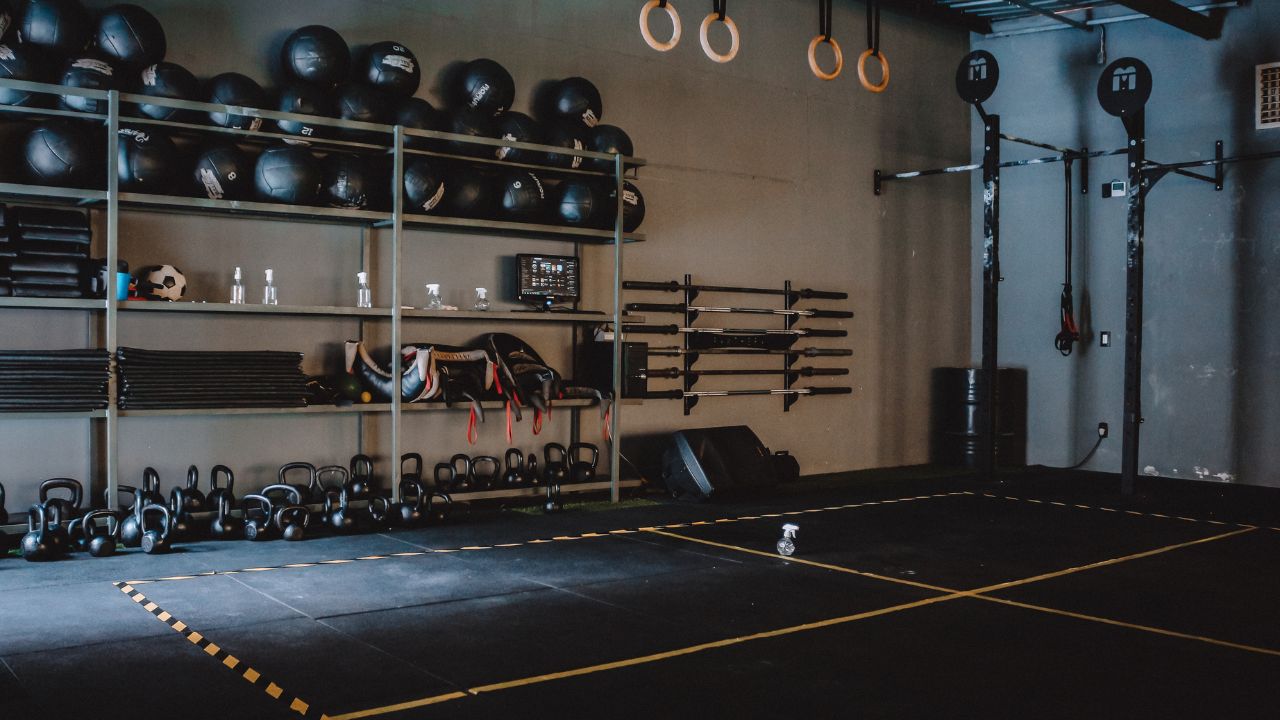
Credit: www.bbcleaningservice.com
Choosing The Right Equipment
Choosing the right gym equipment is key to a safe workout. It helps avoid injuries and boosts exercise effectiveness. Picking equipment that fits your body and skill level makes training more comfortable. This section guides you to select suitable gear and check its condition before use.
Matching Equipment To Fitness Level
Choose equipment that matches your current strength and skill. Beginners should start with machines or weights that offer light resistance. Advanced users can select heavier weights or free weights for more challenge. Using gear that is too hard or too easy can cause injury or slow progress.
Consider your fitness goals. Cardio machines like treadmills suit endurance training. Weight machines help build muscle. Balance equipment aids stability. Pick tools that fit your workout plan and body ability.
Inspecting Equipment Condition
Check all equipment before use. Look for cracks, loose parts, or worn cables. Broken machines can cause accidents. Test moving parts for smooth operation. Clean machines help prevent slipping and infections.
Report any damage to gym staff immediately. Use only well-maintained equipment. This practice keeps your workout safe and effective.
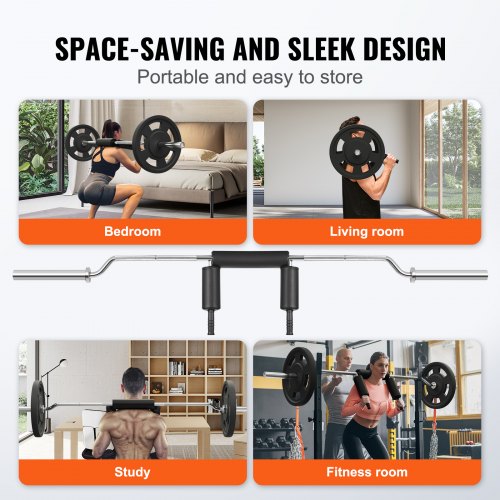
Credit: www.vevor.ca
Proper Equipment Setup
Proper equipment setup is vital for gym safety. A well-adjusted machine prevents injuries. It also ensures a more effective workout. Knowing how to set up equipment properly is key. This section guides you through the essentials.
Adjusting Machines Correctly
Before using any machine, check its settings. Adjust the seat to your height. Make sure the handles are within easy reach. Confirm weights are securely in place. Proper alignment with the machine reduces strain. Always follow the manufacturer’s instructions. Ask a trainer for help if unsure.
Using Safety Features
Every machine has safety features. Familiarize yourself with them before use. Look for emergency stops on treadmills. Check for safety locks on weight machines. Use safety clips and belts where available. These features prevent accidents. They provide peace of mind during workouts.
Correct Workout Techniques
Using correct workout techniques is essential not only for maximizing your results but also for preventing injuries. The way you position your body and control your movements can make a big difference in how effective and safe your gym sessions are. Paying attention to these details helps you build strength steadily without putting unnecessary strain on your joints and muscles.
Maintaining Good Posture
Good posture is the foundation of every exercise. It keeps your spine aligned and reduces the risk of injury.
Imagine trying to lift weights with a rounded back—you’re asking for trouble. Instead, keep your chest up, shoulders back, and core engaged. This stance supports your body and helps you lift more efficiently.
Ask yourself: Are you checking your posture before each set? Small adjustments like tightening your core or retracting your shoulder blades can make a huge difference.
Controlled Movements
Speed doesn’t equal strength. Moving too fast often leads to sloppy form and increases injury risk.
Focus on slow, deliberate motions. When you lower a weight, take your time—feel the muscles working. This control improves muscle engagement and builds better endurance.
Try this: slow down your reps and notice how much more you can feel the workout. Are you rushing through exercises just to finish, or are you giving each movement your full attention?
Warming Up And Cooling Down
Warming up and cooling down are key parts of any safe workout routine. These steps prepare your body for exercise and help it recover after. Skipping them can lead to injuries or longer muscle soreness. Taking time for warm-ups and cool-downs improves your performance and keeps your muscles healthy.
Importance Of Warm-ups
Warm-ups raise your body temperature and increase blood flow to muscles. This makes your muscles more flexible and ready to work. Warm muscles reduce the risk of strains and tears during exercise.
Simple warm-up activities include:
- Light jogging or walking
- Jumping jacks
- Dynamic stretches like arm circles
Spend about 5 to 10 minutes warming up before using gym equipment. This prepares your heart and lungs for physical activity too.
Stretching After Exercise
Stretching after exercise helps muscles relax and lengthen. It reduces stiffness and speeds up recovery. Cooling down with stretches lowers your heart rate gradually.
Focus on major muscle groups used during your workout. Hold each stretch gently for 15 to 30 seconds. Avoid bouncing or forcing the stretch.
- Hamstring stretch
- Quadriceps stretch
- Shoulder and arm stretches
Cooling down and stretching protect your muscles and joints. They help you feel better the next day.
Hygiene And Maintenance
Maintaining hygiene and proper upkeep of gym equipment protects users from germs and injuries. Clean and well-maintained machines work better and last longer. This section explains how to keep gym equipment safe and sanitary for everyone.
Cleaning Equipment Before Use
Wipe down machines and weights before starting your workout. Use disinfectant sprays or wipes available at the gym. This removes sweat and bacteria left by previous users. Keep a clean towel handy to dry off any moisture. Clean equipment helps prevent skin infections and illness.
Reporting Damaged Machines
Check equipment for signs of damage before use. Look for loose bolts, frayed cables, or cracks. Inform gym staff immediately if you find any issues. Using broken machines can cause serious injuries. Quick reporting helps fix problems fast and keeps the gym safe for all.
Recognizing Injury Signs
Recognizing injury signs early helps protect your body and keeps workouts safe. Gym equipment can cause strains or sprains if used incorrectly. Knowing common symptoms lets you stop before a small issue worsens. Acting quickly aids in faster recovery and prevents serious damage. Pay attention to how your body feels during and after exercise.
Common Injury Symptoms
- Pain that does not go away after resting
- Swelling or redness around joints or muscles
- Stiffness limiting your movement
- Numbness or tingling in hands or feet
- Muscle weakness or sudden loss of strength
- Sharp or shooting pain during exercise
- Bruising without clear cause
When To Seek Medical Help
Seek medical help if pain is severe or lasts more than a few days. Visit a doctor if you cannot move a limb properly or have joint instability. Go to the emergency room for intense swelling or deep cuts. See a healthcare provider for persistent numbness or weakness. Early treatment prevents worsening injuries and speeds up healing.
Using Spotters And Assistance
Using spotters and assistance during your workouts can significantly improve safety and performance. Having someone to support you during heavy lifts or challenging exercises reduces the risk of injury. It also gives you the confidence to push your limits while knowing help is nearby.
Benefits Of Spotting
Spotters provide crucial support that goes beyond just catching the weight. They help maintain proper form, which prevents muscle strains and joint injuries. With a spotter, you can attempt heavier lifts safely, promoting better strength gains.
Spotting also allows you to focus fully on your technique without the fear of getting stuck under the barbell. I remember once trying a new personal record on the bench press; having a reliable spotter made all the difference in feeling secure and finishing the lift successfully.
Additionally, spotters can motivate you and give real-time feedback, which improves your workout quality. Would you push yourself as hard if you worked out alone?
Communicating With Helpers
Clear communication with your spotter is essential. Before you start, agree on signals for when you need help or want to stop. This simple step prevents confusion during the lift.
Tell your spotter exactly how much assistance you might require. For example, during a squat, they might only need to guide the bar lightly or be ready to take full control in an emergency.
Also, listen to your spotter’s advice and warnings—they often spot issues you might miss. Have you ever ignored a helper’s caution and regretted it later?
Establishing a routine with your spotter builds trust, making your workouts safer and more effective. Take a moment to discuss expectations every time you train together.
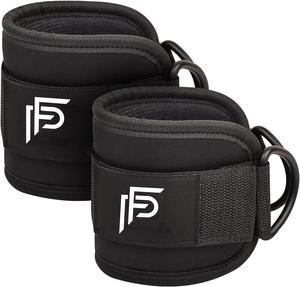
Credit: www.alibaba.com
Frequently Asked Questions
What Are The Top Safety Tips For Gym Equipment Use?
Always warm up before using machines. Check equipment for damage. Use correct form and start with lighter weights. Avoid distractions and follow gym rules to prevent injuries.
How Often Should Gym Equipment Be Inspected?
Gym equipment should be inspected weekly for wear and tear. Regular checks ensure safety and functionality, reducing accident risks and prolonging equipment life.
Can Improper Gym Equipment Use Cause Injuries?
Yes, improper use can lead to strains, sprains, or more serious injuries. Always follow instructions, use proper form, and seek guidance if unsure.
Is It Necessary To Clean Gym Equipment Regularly?
Yes, cleaning equipment prevents the spread of germs and maintains hygiene. Wipe down machines before and after use with disinfectant wipes.
Conclusion
Staying safe with gym equipment helps you enjoy workouts more. Always check machines before use. Use the right weight for your strength. Keep your body steady and move with control. Clean equipment after each use to avoid germs. Ask for help if you are unsure how to use something.
Safe habits protect you from injuries and keep you fit. Remember, safety first leads to better progress and fun. Keep these tips in mind every time you exercise.







