
Are you looking to strengthen and tone your thighs but don’t know where to start? The right gym equipment can make all the difference in reaching your goals faster and safer.
Whether you want to build muscle, increase endurance, or simply shape your legs, choosing the best tools for your workout is key. You’ll discover which gym equipment targets your thighs most effectively and how to use them for maximum results.
Keep reading to find out how you can transform your thigh workouts and see real progress!
Benefits Of Strong Thighs
Strong thighs do more than just look good—they power your movements and protect your body. Building strength in this area improves your daily life, whether you’re climbing stairs, running, or lifting heavy objects. Have you noticed how much easier simple tasks become when your legs feel solid and reliable?
Improved Stability And Balance
Your thigh muscles play a key role in keeping you steady on your feet. Strong thighs help prevent falls by stabilizing your knees and hips during movement. This is especially important as you age or if you enjoy activities like hiking or dancing.
Enhanced Athletic Performance
Whether you run, cycle, or play sports, powerful thighs boost your speed and endurance. They allow for quicker sprints, higher jumps, and better overall agility. I found that focusing on thigh strength shaved seconds off my 5K time and reduced muscle fatigue.
Reduced Risk Of Injury
Strong thigh muscles absorb shock and reduce strain on your joints. This lowers the risk of knee pain, ligament tears, and other common injuries. If you’ve ever experienced joint discomfort, building thigh strength can be a game-changer in prevention.
Better Posture And Lower Back Support
Thigh muscles support your pelvis and spine, which helps maintain proper posture. When these muscles are weak, your lower back often takes the hit, causing discomfort and pain. Strengthening your thighs can relieve pressure and improve how you carry yourself throughout the day.
Increased Metabolism And Fat Burning
Thigh muscles are some of the largest in your body, so working them out ramps up your calorie burn. This helps with weight management and boosts overall metabolism. Think of it as turning your legs into fat-burning engines that keep working even after your workout ends.
Choosing The Right Equipment
Choosing the right gym equipment for thighs can transform your workout from ordinary to highly effective. The right tools target specific muscles, boost strength, and prevent injury. You want equipment that fits your fitness level and goals, not just what’s popular or trendy.
Assessing Your Fitness Goals
Start by defining what you want to achieve with your thigh workouts. Are you aiming to build muscle, improve endurance, or tone up? Different equipment focuses on different outcomes. For muscle growth, heavier resistance machines or free weights work best. For endurance and toning, lighter resistance with higher reps is more effective.
Understanding Equipment Types
There are several kinds of gym equipment that target the thighs: machines, free weights, resistance bands, and bodyweight tools. Machines like leg presses and thigh abductor/adductor machines offer controlled motion and support. Free weights such as dumbbells and barbells allow for natural movement and engage stabilizer muscles.
Consider how much space you have and how comfortable you feel using each type. Have you tried a leg press machine or a set of resistance bands lately? Your preference matters in sticking to your routine.
Evaluating Comfort And Safety
Comfort plays a big role in how often you use thigh equipment. Look for machines with adjustable seats and pads to fit your body size. Check the smoothness of motion and the range of resistance levels available. Safety features like sturdy handles and proper cushioning protect you during workouts.
If you experience discomfort or pain, the equipment might not be right for you. Don’t ignore these signs—switch to something more suitable instead. Your body will thank you.
Budget And Accessibility
Equipment prices can vary widely, so set a budget before shopping. You don’t need expensive machines to get results. Resistance bands and simple free weights can be affordable and highly effective for thighs.
Think about where you will use the equipment—at home or the gym. If space is limited, compact or multi-use tools save room. Have you checked if your gym offers the machines you want before investing in your own?
Personal Experience And Adaptability
Listen to your body and track your progress as you try different equipment. What worked for me was switching from heavy leg presses to resistance bands when my knees felt sore. This change kept me consistent without setbacks.
Adapt your equipment choices as your strength and goals evolve. Are you challenging your thighs enough today? The right equipment should grow with you, not hold you back.
Squat Racks And Power Cages
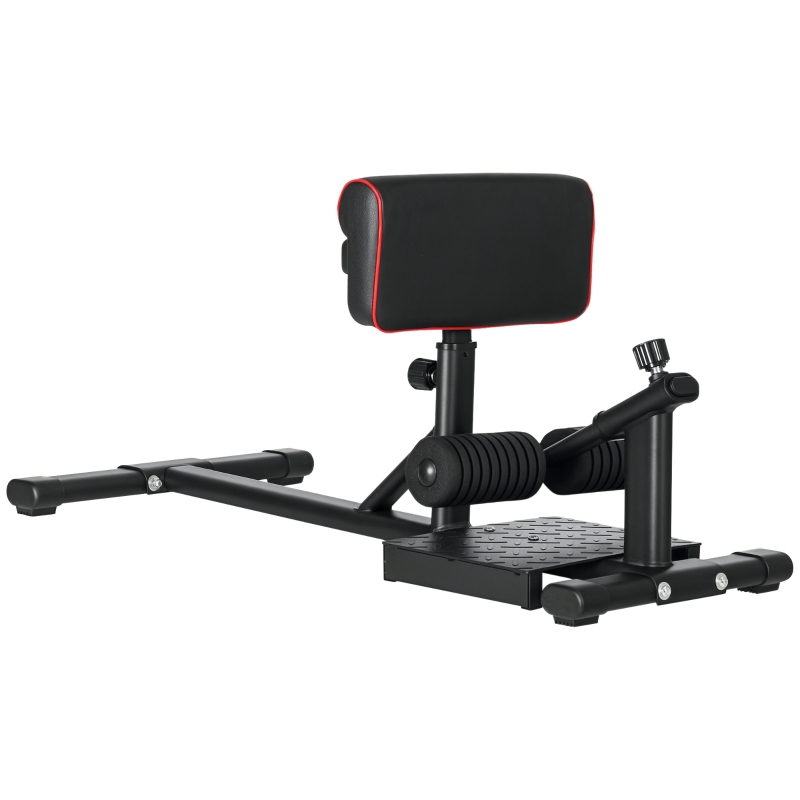
Squat racks and power cages are essential gym equipment for building strong thighs. They provide a stable frame to perform heavy lifts safely. These tools help you focus on exercises like squats, which target the thigh muscles intensely. Using squat racks or power cages allows for controlled movement and better form. This equipment supports progressive strength training for your legs.
Safety Features
Squat racks and power cages come with key safety features. They include adjustable safety bars to catch the barbell if you fail a lift. The sturdy frame keeps the barbell steady during exercises. Many cages have spotter arms that protect against injuries. These features reduce the risk of accidents during heavy lifting sessions. Secure locking mechanisms hold weights firmly in place.
Effective Exercises
Squat racks and power cages enable several thigh-focused exercises. The most popular is the back squat, which targets the quadriceps, hamstrings, and glutes. Front squats emphasize the front thigh muscles and core. Bulgarian split squats use the cage for balance support. Box squats help improve squat depth and form. These exercises build muscle strength, size, and endurance in the thighs.
Credit: www.aosom.com
Leg Press Machines
The leg press machine is a popular choice for strengthening thighs. It allows users to push weight with their legs while seated. This machine supports controlled movements, reducing injury risks. It suits beginners and advanced gym-goers alike. Many gyms have variations of this equipment, each offering unique benefits.
Adjustable Settings
Leg press machines often come with adjustable settings. You can change the seat position to fit your height. The footplate angle can also be modified for comfort. Weight levels adjust easily to match your strength. These options help target muscles more precisely. Adjustments improve exercise effectiveness and safety.
Targeting Different Muscles
Foot placement affects which thigh muscles work most. Placing feet higher on the plate targets the glutes and hamstrings. A lower position focuses more on the quadriceps. Wider foot placement hits the inner thigh muscles. Narrower stance activates the outer thighs. Changing these positions keeps workouts balanced and varied.
Leg Curl And Extension Machines
Leg curl and extension machines are staples in most gyms, designed specifically to target your thigh muscles. These machines help you focus on the front and back of your thighs by isolating the quadriceps and hamstrings. Using them correctly can boost your strength, improve muscle tone, and support better knee health.
Isolating Muscle Groups
Leg curl machines primarily work the hamstrings, the muscles at the back of your thighs. Leg extension machines target the quadriceps, located at the front. This isolation lets you strengthen each group independently, which is great for balancing muscle development.
Have you noticed one leg feels weaker than the other? These machines allow you to train each leg separately, helping fix imbalances. Focused training can prevent injuries and improve overall performance.
Proper Form Techniques
Using these machines with the right form is key to avoiding injury and getting results. Sit with your back firmly against the pad and adjust the machine to fit your leg length. Keep your movements controlled—avoid swinging or jerking the weights.
- For leg extensions, lift the weight by straightening your knee fully but avoid locking it out.
- For leg curls, pull your heels towards your buttocks smoothly, keeping your hips still.
Have you ever felt strain in your knees or hips during these exercises? That might be a sign to check your setup or reduce the weight. Paying attention to these details helps you work smarter, not harder.

Credit: www.rehabmart.com
Smith Machines
The Smith machine is a popular gym tool for thigh workouts. It features a barbell fixed on vertical rails, allowing smooth up and down movement. This design adds stability and control to exercises. It targets thigh muscles effectively by guiding the bar path. The machine is versatile for squats, lunges, and other leg moves. Its controlled motion reduces injury risk and helps maintain proper form.
Benefits For Beginners
The Smith machine offers a safe start for new lifters. It controls the bar path, making balance easier. Beginners can focus on building thigh strength without worrying about falling. The machine supports learning correct squat and lunge techniques. It also allows gradual weight increase for steady progress. Users gain confidence with every session, improving workout consistency.
Advanced Workout Routines
Experienced users can push thigh muscles harder with the Smith machine. It supports heavy lifting safely, enabling muscle growth. Advanced routines include:
- Deep squats for full thigh activation
- Split squats to target each leg separately
- Wide-stance squats focusing on inner thighs
- Pause squats to increase time under tension
These variations challenge muscles and break plateaus. The machine’s stability allows adding speed or resistance bands. It helps increase power and endurance in thigh muscles.
Cable Machines
Cable machines offer an effective way to target thigh muscles with controlled resistance. They use adjustable pulleys and cables to provide smooth tension throughout each movement. This equipment suits various fitness levels and helps improve strength and tone in the thighs.
Users can perform many exercises focusing on different thigh areas. Cable machines allow gradual weight changes, making workouts adaptable. Their design supports both isolation and compound movements, enhancing muscle engagement.
Versatility In Exercises
Cable machines support a wide range of thigh workouts. Exercises include cable kickbacks, leg adductions, and leg abductions. Each targets specific thigh muscles such as hamstrings, inner thighs, and outer thighs.
The adjustable pulley height lets users change exercise angles. This variety helps hit muscles from different directions. It also prevents workout boredom and plateaus.
- Standing leg kickbacks for hamstrings
- Side leg raises for outer thighs
- Front leg lifts for quadriceps
- Adductor pulls for inner thigh strength
Incorporating Resistance Bands
Resistance bands can enhance cable machine workouts. Attach bands to the handles or around the legs for extra tension. This increases muscle activation and improves strength gains.
Bands add constant resistance, even when the cable slackens. They also allow smoother transitions during exercises. This combination improves stability and control in thigh training.
- Wrap bands above knees during leg abductions
- Use bands with cable kickbacks for added load
- Combine bands and cables for pulsing thigh movements
Free Weights For Thighs
Free weights are a classic choice for strengthening thigh muscles. They offer flexibility and allow natural movement. Using free weights helps build muscle tone and improve balance. The main types include dumbbells and barbells. Both can be used in various exercises to target your thighs effectively.
Dumbbells And Barbells
Dumbbells are small weights held in each hand. They allow focused work on each leg separately. Barbells are longer bars with weights on both ends. They help lift heavier loads and engage multiple muscles at once. Both tools can increase resistance in thigh workouts. They improve muscle strength and endurance over time.
Incorporating Lunges And Squats
Lunges and squats are top exercises for thighs. Adding dumbbells or barbells makes them more challenging. Hold dumbbells by your sides during lunges. This adds weight and works your thighs harder. Use a barbell across your shoulders for squats. This increases resistance and builds muscle faster.
- Lunges with weights improve balance and strength.
- Squats with barbells target thighs and glutes.
- Both exercises help tone muscles evenly.
Free weights allow you to vary weight and reps. This keeps your workout effective and interesting. They fit well in home gyms or fitness centers. Using them regularly shapes strong and defined thighs.
Resistance Bands
Resistance bands are simple tools that help tone and strengthen thigh muscles. They offer tension during movement, which activates muscles effectively. These bands come in different resistance levels, suitable for beginners and advanced users. Using resistance bands can improve muscle endurance and increase flexibility. They are gentle on joints, making them safe for most people.
Portable Workout Options
Resistance bands are lightweight and easy to carry. They fit into small bags or purses for workouts anywhere. You can use them at home, in the park, or at the gym. No need for heavy machines or bulky equipment. This makes resistance bands perfect for travel or quick exercise sessions. They allow you to maintain a regular workout routine without space limits.
Exercises For Thighs
Resistance bands target different thigh muscles for a balanced workout. Try these effective exercises:
- Side Leg Raises:Wrap the band around your legs and lift one leg sideways.
- Squat with Band:Place the band above your knees and perform squats for extra resistance.
- Glute Bridge:Put the band above knees, lie down, and lift hips upward.
- Clamshells:With the band around knees, lie on your side and open legs like a clamshell.
These exercises strengthen inner and outer thigh muscles. They also improve hip stability and overall leg strength.
Incorporating Cardio Equipment
Incorporating cardio equipment into your thigh workout boosts fat burning and muscle toning. Cardio machines engage multiple leg muscles, including the thighs, making your exercise more effective. Using cardio equipment regularly improves endurance and shapes your legs.
Treadmills And Ellipticals
Treadmills provide a great way to work your thighs through walking or running. Adjust the incline to increase thigh muscle activation. Running uphill or walking briskly targets the front and back thigh muscles.
Ellipticals offer a low-impact option for thigh workouts. Their smooth motion reduces joint stress while still engaging the thighs. You can increase resistance or speed to challenge your leg muscles more.
High-intensity Interval Training
High-Intensity Interval Training (HIIT) uses short bursts of intense cardio with rest periods. This method burns calories fast and tones thigh muscles effectively. Combining sprints on a treadmill or fast pedaling on an elliptical works well for thighs.
HIIT sessions last 15 to 30 minutes, making them time-efficient. The quick changes in intensity push your thigh muscles to work harder. This style improves strength and endurance in a short time.
Creating A Balanced Workout Routine
Creating a balanced workout routine is key to building strong, toned thighs without risking injury or burnout. It’s not just about pushing hard; it’s about mixing different types of exercises that work together to improve strength, endurance, and flexibility. How often you work out and how long you spend on each session play a huge role in your progress.
Combining Strength And Cardio
Strength training targets your thigh muscles directly, helping them grow and become more defined. Cardio exercises, on the other hand, burn fat and improve your overall endurance, which helps your thigh muscles show more clearly. Mixing both ensures you don’t lose muscle while shedding fat, which can happen if you do only cardio.
Try pairing squats or leg presses with activities like cycling or brisk walking. This way, you’re building muscle and burning calories simultaneously. Have you noticed how your legs feel stronger after a day that includes both lifting weights and a good cardio session?
Frequency And Duration
How often you train your thighs matters. Aim for 3 to 4 workouts a week focusing on your thighs, but avoid working the same muscle group two days in a row. Muscles need time to recover and grow stronger.
Each session should last between 30 to 60 minutes. This gives you enough time to warm up, exercise properly, and cool down without overdoing it. If you’re short on time, shorter, more intense sessions can be just as effective as longer workouts.
Ask yourself: Are you giving your muscles enough rest, or are you pushing too hard and risking injury? Balancing workout frequency and duration can keep you on track and help you reach your goals faster.
Safety Tips And Precautions
Working out your thighs with gym equipment can bring excellent strength and definition. However, safety should always be your top priority. Paying attention to precautions helps you avoid setbacks and keeps your progress steady.
Avoiding Common Injuries
Thigh workouts often involve heavy weights and repetitive motions, which can strain muscles and joints. To prevent injuries, always warm up thoroughly before starting your exercises. Dynamic stretches or light cardio for 5-10 minutes can prepare your muscles for the load ahead.
Focus on proper form rather than lifting heavier weights. Poor technique often leads to knee pain or muscle strains. If you feel sharp pain or discomfort, stop immediately and assess your form or reduce the weight.
Using equipment like leg presses or thigh abductors without adjusting the settings to your body size can cause injury. Make sure machines are set correctly for your height and limb length to avoid unnatural stress on your joints.
Consulting With Professionals
Have you ever tried a new machine and felt unsure if you were doing it right? A session with a fitness trainer can clear up confusion and set you on the right path. Trainers can show you how to adjust machines properly and teach you safe movement patterns.
Physical therapists can also help if you have pre-existing conditions or past injuries. They can recommend exercises that strengthen your thighs without risking damage. Getting professional advice saves time and prevents frustration from trial and error.
Don’t hesitate to ask gym staff for guidance when using unfamiliar equipment. Sometimes a quick tip can make all the difference in avoiding accidents and maximizing your workout benefits.

Credit: powerliftingtechnique.com
Frequently Asked Questions
What Is The Best Gym Equipment For Thigh Toning?
The best gym equipment for thigh toning includes leg press machines, squat racks, and thigh abductor/adductor machines. These target different thigh muscles effectively. Using varied equipment helps in balanced muscle development and improves strength.
How Does A Leg Press Machine Benefit Thigh Muscles?
A leg press machine targets the quadriceps, hamstrings, and glutes. It allows controlled resistance, promoting muscle growth and strength. This equipment is ideal for building thigh muscle endurance and improving overall lower body power.
Can Thigh Abductor Machines Help Reduce Thigh Fat?
Thigh abductor machines strengthen outer thigh muscles but don’t directly reduce fat. Fat loss requires overall calorie burn through cardio and diet. Using this machine tones muscles and improves thigh shape when combined with proper nutrition.
Are Squats With A Barbell Effective For Thigh Building?
Yes, barbell squats are highly effective for building thigh muscles. They engage quadriceps, hamstrings, and glutes simultaneously. Squats increase muscle mass, strength, and improve athletic performance when done with proper form and weight.
Conclusion
Strong thighs help with balance, strength, and daily activities. Using the right gym equipment makes thigh workouts easier and safer. Focus on machines and tools that target your thigh muscles well. Consistent exercise will show results over time. Remember, start slow and increase effort bit by bit.
Stay patient and enjoy the process. Your thighs will thank you for the care and work. Keep moving, stay strong, and feel great every day.







