
Starting at the gym can feel overwhelming. You might wonder where to begin, what exercises to try, or how to avoid common mistakes.
This guide is made just for you. It breaks down everything you need to know to build confidence and get results fast. By the end, you’ll have clear steps to follow, so you can walk into the gym feeling ready and excited.
Ready to make your fitness goals real? Let’s dive in.

Credit: heydaisyday.com
Starting Your Fitness Journey
Starting your fitness journey can feel exciting and challenging at the same time. The key is to take simple steps that fit your lifestyle. Small actions lead to big changes over time. Focus on building habits that last. Your body and mind will thank you.
Setting Realistic Goals
Set clear goals to keep yourself motivated. Choose goals that are possible to reach. For example, aim to exercise three times a week. Track your progress to see how far you’ve come. Realistic goals help avoid frustration and burnout.
Choosing The Right Gym
Find a gym that feels comfortable and welcoming. Look for a place close to home or work. Check the gym’s equipment and cleanliness. Consider the gym’s hours and membership cost. A gym you enjoy will make workouts easier to keep.
Essential Workout Gear
Wear clothes that allow easy movement and breathe well. Choose shoes that fit your feet and support your workouts. Bring a water bottle to stay hydrated. A small towel helps keep you fresh. Good gear makes your gym time more pleasant.
Creating A Workout Plan
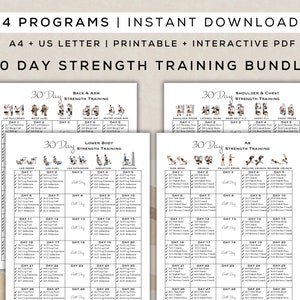
Creating a workout plan helps beginners stay focused and track progress at the gym. Starting with simple exercises builds strength and confidence over time. Consistency and balance make workouts effective and safe.
Creating a workout plan is essential for gym beginners. It helps build structure and consistency. A well-structured plan keeps you motivated and focused. It ensures you work all muscle groups. This guide will help you create an effective workout plan.Balancing Cardio And Strength
Start with a mix of cardio and strength exercises. Cardio helps improve heart health. It burns calories and boosts energy. Strength training builds muscle and increases endurance. Include both for a balanced routine. Aim for three days of strength training. Add two days of cardio. This balance helps in overall fitness.Scheduling Workouts
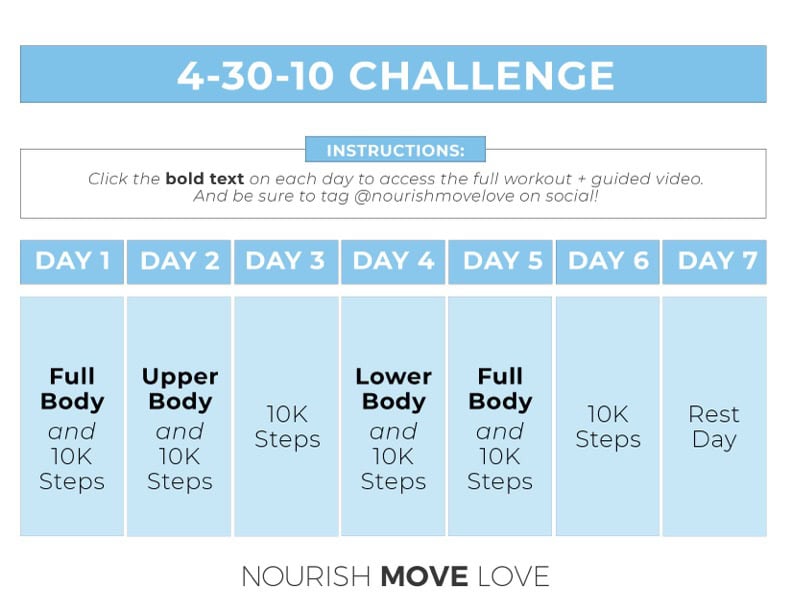
Consistency is key for progress. Schedule workouts at the same time each day. Find a time that suits your lifestyle. Morning workouts can boost energy. Evening sessions might fit better for some. Use a calendar to plan your week. This helps in staying committed. Rest days are important too. Plan one or two rest days weekly. This allows muscles to recover.Tracking Progress
Tracking progress keeps you motivated. Use a journal or a fitness app. Record exercises, sets, and reps. Note how you feel after workouts. Take measurements and photos monthly. This shows physical changes over time. Adjust your plan based on progress. Increase weights as strength improves. Celebrate small victories along the way. Tracking helps in identifying areas for improvement.Mastering Basic Exercises
Mastering basic exercises is key for gym beginners. These exercises build strength and improve form. Understanding them helps avoid injuries and boosts confidence. Start with simple movements and focus on technique. Consistent practice leads to steady progress and better results.
Bodyweight Movements
Bodyweight exercises use your own weight for resistance. They help build strength without equipment. Common moves include squats, push-ups, and planks. These exercises improve balance and flexibility. Perfect for beginners to learn control and form.
Using Gym Machines
Gym machines guide your movements, reducing injury risk. They isolate specific muscles for targeted training. Machines like leg press, chest press, and lat pulldown are easy to use. Adjust weight settings to match your fitness level. Machines help beginners build strength safely and effectively.
Free Weights Techniques
Free weights include dumbbells and barbells. They engage more muscles for balance and coordination. Start with light weights to learn proper form. Key exercises are bicep curls, deadlifts, and bench presses. Focus on controlled movements to avoid strain. Free weights develop strength and improve body control.
Credit: www.etsy.com
Nutrition For Beginners
Nutrition plays a crucial role in your gym journey, especially as a beginner. Eating the right foods helps you build strength, recover faster, and stay energized during workouts. Understanding how to fuel your body properly can make a big difference in your progress and motivation.
Fueling Workouts
Your body needs energy to perform well during workouts. Focus on eating a balanced meal with carbohydrates, proteins, and healthy fats about 1-2 hours before hitting the gym. Carbs like oatmeal, bananas, or whole-grain bread provide quick energy, while protein supports muscle repair.
After my first few weeks at the gym, I noticed that skipping pre-workout meals left me feeling weak and tired. Adding a simple snack like a peanut butter sandwich boosted my stamina noticeably. What small food changes could help you push through your next session?
Meal Timing
Eating at the right times can improve your gym performance and recovery. Try to have a meal or snack containing protein and carbs within 30-60 minutes after your workout. This helps your muscles recover and refuels your energy stores.
Don’t wait too long to eat after exercising. If you’re busy, keep quick options like yogurt, a protein shake, or nuts handy. How often do you find yourself delaying post-workout meals, and how does it affect your next workout?
Hydration Tips
Water is your best workout companion. Drink plenty of water before, during, and after your gym sessions to stay hydrated and maintain performance. Dehydration can cause fatigue and reduce your strength.
- Start your day with a glass of water.
- Keep a water bottle nearby during workouts.
- Drink regularly, not just when you feel thirsty.
I learned the importance of hydration the hard way after a particularly tough workout left me dizzy. Now, I make sure to sip water consistently, and my energy levels stay steady. How does your hydration habit affect your gym results?
Staying Motivated
Staying motivated at the gym can be challenging, especially when progress seems slow or you’re unsure if your efforts are paying off. Motivation isn’t just about willpower; it’s about creating habits and environments that keep you moving forward. Let’s look at some practical ways to keep your enthusiasm high and your goals within reach.
Overcoming Plateaus
Hitting a plateau can feel frustrating, but it’s a normal part of fitness journeys. Your body adapts quickly, so the same routine stops delivering results. To break through, change your workouts by increasing weight, trying new exercises, or adjusting your reps and sets.
Have you noticed certain exercises become easier over time? That’s your cue to add a twist or challenge. Sometimes, even small changes like switching the order of your routine can spark new progress.
Finding Workout Partners
Working out with a friend can turn a chore into a fun activity. A partner pushes you to show up on tough days and celebrates your efforts with you. You hold each other accountable without feeling pressured.
If you don’t have a gym buddy yet, try joining group classes or online fitness communities. Sharing your wins and struggles makes the journey less lonely and more inspiring. Who could you invite next time to keep your energy high?
Celebrating Small Wins
Focusing only on big goals makes it easy to overlook the small achievements along the way. Did you add 5 extra pounds to your lift? Did you finish your workout without skipping a set? These moments deserve recognition.
Try keeping a journal or using an app to track your progress. Celebrate improvements, no matter how small—they build momentum. What small win can you celebrate today that will push you closer to your goal?
Avoiding Common Mistakes
Starting a gym routine can be exciting but tricky. Many beginners make mistakes that slow progress or cause harm. Knowing common errors helps build good habits. Focus on safe and smart training for lasting results.
Preventing Injuries
Injuries stop progress and cause pain. Warm up before exercise to prepare muscles and joints. Use correct form to avoid strain. Start with light weights to learn movements safely. Listen to your body and stop if you feel sharp pain. Use gym equipment as instructed to reduce risk.
Avoiding Overtraining
Too much exercise can harm your body. Overtraining leads to fatigue and weak muscles. Plan workout days with breaks between hard sessions. Mix different exercises to work various muscle groups. Track your energy and strength levels to adjust workouts. Rest days are part of progress, not a setback.
Proper Rest And Recovery
Rest helps muscles grow and repair. Sleep at least 7-8 hours each night. Drink plenty of water to stay hydrated. Use light stretching or walking on rest days to reduce soreness. Avoid skipping rest to keep energy high and avoid burnout. Recovery is as important as training.
Credit: www.nourishmovelove.com
Frequently Asked Questions
What Should Beginners Focus On At The Gym?
Beginners should focus on learning proper form and technique. Start with light weights and basic exercises. This builds a strong foundation and prevents injury. Consistency and gradual progression are key to success.
How Often Should Beginners Workout At The Gym?
Beginners should aim for 3 to 4 gym sessions per week. This frequency allows enough time for recovery and muscle growth. Avoid overtraining to prevent burnout and injury.
What Are The Best Exercises For Gym Beginners?
Best exercises include compound movements like squats, push-ups, and deadlifts. These work multiple muscle groups and build overall strength. Incorporate both cardio and strength training for balanced fitness.
How Important Is Warm-up Before Gym Workouts?
Warming up is crucial to prepare muscles and joints. It reduces injury risk and improves workout performance. Spend 5-10 minutes on light cardio and dynamic stretches before exercising.
Conclusion
Starting a gym routine can feel tough but stay patient. Small steps build strong habits. Focus on form and listen to your body. Rest days help muscles grow and avoid injury. Track your progress and celebrate small wins. Consistency beats intensity every time.
Remember, everyone begins somewhere. Keep going, and results will follow. Your health and strength will improve with time. Enjoy the journey, not just the goal.







