
Are you tired of workouts that don’t help you in real life? A functional strength workout routine is exactly what you need to build muscle that works for you every day.
Imagine moving easier, lifting heavier, and feeling stronger in everything you do—from carrying groceries to playing with your kids. This routine focuses on exercises that improve your balance, power, and endurance. Keep reading, and you’ll discover how simple changes to your workout can boost your strength and make your body more capable and resilient.
Ready to transform your fitness? Let’s dive in.
Core Power Benefits
Core power plays a vital role in functional strength workouts. It supports many daily movements and physical activities. Building core strength improves how the body moves and reacts. A strong core helps connect the upper and lower body for better control.
Here are key benefits of core power for overall fitness and health.
Improved Stability
Core muscles keep your body steady during movement. They support balance in simple and complex tasks. Improved stability helps maintain proper posture and alignment. It reduces wobbling and unsteady motions in workouts and daily life.
Enhanced Athletic Performance
A powerful core boosts strength and speed in sports. It allows better force transfer between limbs. Athletes can jump higher, run faster, and move quicker. Core power also helps with coordination and agility in various activities.
Injury Prevention
Strong core muscles protect the spine and joints. They absorb shocks and reduce strain on the body. Core strength lowers the risk of back pain and muscle injuries. It supports safer movement patterns during exercise and work.

Credit: www.youtube.com
Key Functional Exercises
Key functional exercises build strength you can use every day. They focus on movements that mimic real-life activities, making your workouts practical and effective. Adding these exercises to your routine can improve balance, coordination, and overall power.
Planks And Variations
Planks are simple but powerful. They strengthen your core, which supports nearly all movements. Try side planks, plank reaches, or plank with leg lifts to challenge your stability further.
I once added plank variations to my routine and noticed better posture within weeks. How much stronger could your core get if you added just one plank variation daily?
Medicine Ball Throws
Medicine ball throws develop explosive power and coordination. They train your body to generate force quickly, which is useful in sports and daily tasks. Overhead throws, chest passes, and rotational throws target different muscle groups.
When I started medicine ball throws, I found my ability to lift heavy objects improved noticeably. Could this dynamic move help you break through your strength plateaus?
Kettlebell Swings
Kettlebell swings focus on hip strength and cardiovascular fitness. They teach your body to generate power from your hips, not just your arms. This exercise also improves your endurance and posture.
Adding kettlebell swings to my workouts reduced lower back pain. What if a single exercise could protect your spine and boost your stamina at the same time?
Deadlifts
Deadlifts target multiple muscle groups, including your legs, back, and core. They mirror the action of lifting heavy objects off the ground safely. Proper form is key to avoid injury and maximize benefits.
Deadlifts gave me confidence in my everyday lifting tasks, like moving furniture. Are you ready to lift smarter and stronger?
Workout Structure
A solid workout structure forms the backbone of any effective functional strength routine. It guides your body through each phase of exercise, optimizing performance and safety. Structuring your workout helps build strength steadily while reducing injury risks.
Breaking the session into clear parts allows your muscles to warm up, work hard, and recover properly. Each section plays a key role in achieving balanced fitness results. Follow a well-organized plan to gain strength that supports daily movements and overall health.
Warm-up Essentials
Start every workout with a proper warm-up to prepare your muscles and joints. Spend 5 to 10 minutes on light cardio such as walking or cycling. Add dynamic stretches like leg swings and arm circles to increase blood flow.
Warming up reduces muscle stiffness and enhances your range of motion. It also primes your nervous system for the upcoming exercises. Avoid static stretching before lifting; save it for after your workout.
Exercise Sets And Reps
Focus on compound movements that mimic real-life actions. Perform 3 to 4 sets of each exercise. Keep repetitions between 8 and 12 for strength and endurance.
Choose weights that challenge you but allow good form. Gradually increase the load as you get stronger. Use a mix of pushing, pulling, and core exercises to work multiple muscle groups.
Rest And Recovery
Rest periods are crucial between sets to regain energy. Aim for 60 to 90 seconds of rest for strength training. Shorter rests improve endurance but may reduce maximum strength.
Allow 48 hours between sessions targeting the same muscles. Sleep well and stay hydrated to support muscle repair. Recovery helps prevent injuries and promotes consistent progress.

Credit: gym-mikolo.com
Progression Tips
Progressing in a functional strength workout routine is key to building real power and endurance. Gradually increasing the challenge helps muscles adapt and grow stronger. Careful progression also reduces injury risk and keeps workouts fresh.
Increasing Intensity
Boost workout intensity by shortening rest times between sets. Perform exercises at a quicker pace while maintaining good form. Add more repetitions or sets to push your limits. Focus on controlled movements to engage muscles fully.
Adding Resistance
Incorporate resistance tools like dumbbells, kettlebells, or resistance bands. Use weighted vests or ankle weights to increase load. Adjust the weight gradually to avoid strain. Resistance challenges muscles and improves strength faster.
Tracking Improvements
Keep a workout journal to record exercises, reps, and weights. Note how you feel after each session. Use simple charts or apps to visualize progress over weeks. Tracking motivates and helps plan the next workout step.
Common Mistakes
A functional strength workout routine helps build muscles used in daily activities. Many people make common mistakes that slow progress or cause injury. Avoiding these errors leads to better results and safer workouts.
Poor Form
Using poor form can cause pain and injury. It reduces the effectiveness of exercises. Focus on slow, controlled movements. Keep your body aligned and avoid jerking motions. Use mirrors or ask for help to check your form.
Overtraining
Training too hard without rest harms muscles and joints. It causes fatigue and lowers performance. Plan rest days and listen to your body. Quality matters more than quantity in workouts. Recovery helps muscles grow stronger.
Neglecting Mobility
Ignoring mobility limits your range of motion. Tight muscles increase injury risk. Include stretching and mobility drills in your routine. Move joints gently and regularly. This improves flexibility and supports strength gains.
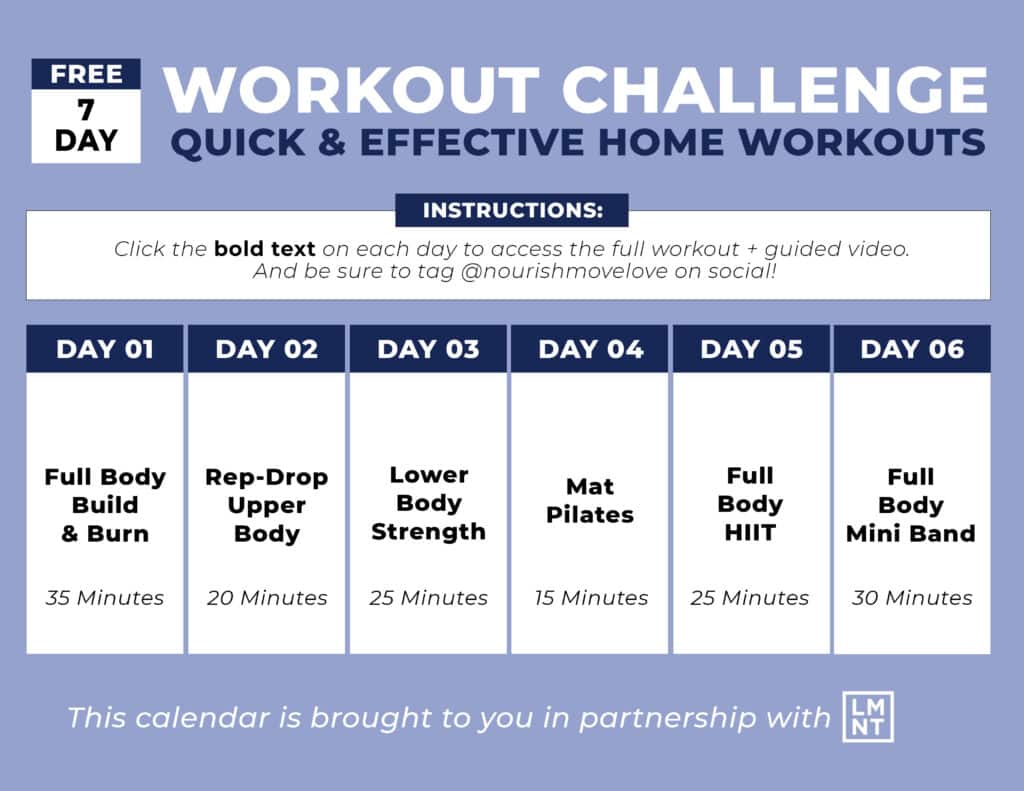
Credit: www.nourishmovelove.com
Nutrition For Core Strength
Nutrition plays a key role in building strong core muscles. The right foods fuel your workouts and help muscles recover. Eating well supports functional strength and overall health. Focus on nutrients that repair tissue and maintain energy.
Protein Intake
Protein helps rebuild muscle fibers after exercise. Include sources like chicken, fish, eggs, and beans. Aim for moderate portions throughout the day. Protein shakes can boost intake if meals lack enough protein. Balanced protein supports muscle growth and core strength.
Hydration
Water keeps muscles flexible and prevents cramps. Drink fluids before, during, and after workouts. Dehydration reduces strength and slows recovery. Include water-rich foods like fruits and vegetables. Avoid sugary drinks that drain energy quickly.
Balanced Diet
A balanced diet offers vitamins and minerals for muscle health. Eat plenty of vegetables, fruits, and whole grains. Healthy fats from nuts, seeds, and fish support joint and tissue function. Avoid processed foods high in sugar and salt. Proper nutrition fuels your core and body daily.
Frequently Asked Questions
What Is A Functional Strength Workout Routine?
A functional strength workout routine focuses on exercises that improve everyday movements. It enhances strength, balance, and flexibility. This routine mimics real-life activities to boost overall fitness and reduce injury risk.
How Often Should I Do Functional Strength Workouts?
Perform functional strength workouts 2-3 times per week. This frequency allows muscle recovery and steady progress. Consistency is key to building strength and improving functional fitness.
Which Exercises Are Best For Functional Strength Training?
Best exercises include squats, lunges, deadlifts, push-ups, and kettlebell swings. These moves engage multiple muscle groups and improve coordination. They help enhance your daily movement efficiency.
Can Functional Strength Workouts Help With Injury Prevention?
Yes, functional strength workouts improve joint stability and muscle balance. This reduces the risk of injuries during daily tasks and sports. Strengthening core and stabilizer muscles is especially beneficial.
Conclusion
Building functional strength helps your body move better every day. This workout routine trains muscles you use in real life. Consistent practice improves balance, endurance, and power. You feel stronger doing daily tasks and sports. Start slow and increase intensity as you grow.
Stay patient and enjoy small progress steps. Functional strength is a smart, practical way to stay fit. Keep your body active and healthy for the long run.







