
Are you setting up a home gym and wondering how to protect your floors while boosting your workout comfort? Choosing the right floor padding is one of the smartest moves you can make.
It cushions your joints, reduces noise, and keeps your equipment steady. Imagine working out without worrying about slipping or damaging your floors. You’ll discover everything you need to pick the perfect floor padding for your home gym, making your exercise space safer and more enjoyable from day one.
Keep reading to find out how a simple floor upgrade can transform your fitness routine.
Choosing The Right Material
Choosing the right material for floor padding in a home gym affects comfort, safety, and durability. The material should protect your floor and support your workouts. Different materials offer unique benefits and suit various exercise types.
Foam Options
Foam padding is lightweight and easy to install. It absorbs shocks well, reducing joint stress during workouts. Foam mats come in different densities and thicknesses. Softer foam suits yoga and stretching. Denser foam handles light weightlifting and cardio exercises. Foam is budget-friendly but can wear out faster.
Rubber Benefits
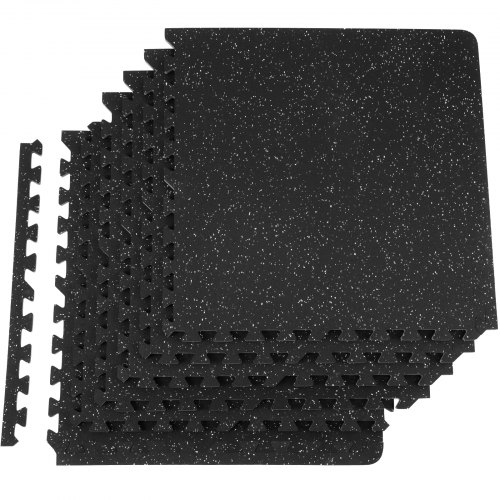
Rubber floor padding is strong and long-lasting. It resists heavy weights and high impact activities. Rubber mats protect floors from damage caused by dropped weights. They also offer good traction to prevent slipping. Rubber is easy to clean and often made from recycled materials. It suits weightlifting, HIIT, and high-impact workouts.
Vinyl And Other Surfaces
Vinyl padding provides a smooth, durable surface. It resists water and stains, making it easy to maintain. Vinyl works well in areas with moisture or sweat. Other surfaces like cork or carpet add extra comfort and noise reduction. These materials can soften the floor but may not handle heavy equipment well. Consider your workout style before choosing.
Credit: www.vevor.ca
Thickness And Density Matters
When setting up a home gym, the right floor padding is essential not only for comfort but also for functionality. The thickness and density of your gym flooring play a crucial role in optimizing your workout space. These elements determine how well the flooring can absorb impact, support your joints, and withstand wear and tear over time.
Impact Absorption
Imagine dropping a heavy dumbbell during an intense workout session. Without proper impact absorption, you risk damaging both your floor and your equipment. Thick and dense floor padding can mitigate these risks by absorbing the shock of the impact. This protection extends the life of your equipment and minimizes noise, making your workouts less disruptive to others in your home. Consider how this feature can enhance not just the safety, but also the longevity of your home gym setup.
Support For Joint Health
Your joints endure a lot during exercise, especially high-impact activities like jumping or running. Adequate floor padding provides a cushioning effect, reducing the strain on your knees, hips, and ankles. This can be particularly beneficial if you’re recovering from an injury or if you exercise frequently. Think about how much more enjoyable and sustainable your workouts could be with a little extra support beneath your feet.
Durability Considerations
Investing in floor padding is not just about comfort; it’s also about durability. High-density mats are more resistant to wear and tear, ensuring your investment lasts longer. They can withstand the pressure of heavy equipment and frequent use without compressing or losing their shape. Before choosing your flooring, ask yourself: will this material stand up to the test of time and the demands of my workout routine?
Choosing the right thickness and density for your home gym floor padding is more than a matter of preference; it’s a decision that impacts safety, comfort, and durability. What considerations will guide your choice?
Installation Tips
Installing floor padding in your home gym is more than just laying down mats. Proper installation ensures safety, durability, and a comfortable workout space. Let’s look at some key tips that help you get the best results from your floor padding.
Preparing The Floor
Before placing any padding, clear the area thoroughly. Remove dust, dirt, and any debris that could create bumps or damage the padding over time.
Check the floor for moisture or uneven spots. A dry, flat surface prevents mold and keeps your padding stable during intense workouts.
Have you noticed how small dirt particles can make a mat feel lumpy? Taking time to clean and smooth the floor pays off in comfort and safety.
Interlocking Vs Roll-out Pads
Interlocking pads snap together like puzzle pieces, making installation quick and customizable. They’re great if you want to cover a specific area with flexibility to rearrange later.
Roll-out pads come in large sheets, offering a seamless surface without gaps. These work well for bigger spaces and create a uniform look.
Think about your workout routine: Do you need to move or expand your gym often? Interlocking pads might suit you better. If you prefer a stable, no-fuss surface, roll-out pads could be the way to go.
Securing The Padding
To keep your padding from shifting, use double-sided tape or adhesive strips along the edges. This simple step prevents slips and keeps your setup tight.
If you have interlocking tiles, check each connection for a snug fit. Loose edges can cause tripping or uneven footing during exercises.
Consider adding rubber underlays beneath roll-out pads for extra grip. It also adds cushioning, which is a bonus for joint protection during workouts.
Have you ever felt your mat slide just when you’re about to lift a heavy weight? Securing the padding eliminates that risk and helps you focus fully on your training.

Credit: www.amazon.ca
Maintenance And Cleaning
Proper maintenance and cleaning keep your home gym floor padding in top shape. Clean floors prevent germs and bad smells. They also protect the padding’s surface from damage. Regular care helps your padding last longer and stay safe for workouts.
Routine Cleaning Methods
Start with sweeping or vacuuming to remove dust and dirt. Use a damp mop with mild soap for a deeper clean. Avoid harsh chemicals that can damage the padding. Dry the floor completely before use to prevent slipping.
Dealing With Sweat And Odors
Sweat can soak into padding and cause odors. Wipe the floor with a mixture of water and vinegar to kill bacteria. Spray a light mist of baking soda solution to absorb smells. Let the padding air dry well after cleaning.
Longevity Tips
- Place mats under heavy equipment to avoid dents.
- Keep sharp objects away to prevent tears.
- Clean spills immediately to stop stains.
- Rotate padding pieces to spread wear evenly.
Follow these tips for a safe, clean, and long-lasting home gym floor.
Safety Features To Look For
Choosing the right floor padding for your home gym isn’t just about comfort or appearance—it’s about safety. The right padding can protect you from slips, reduce injury risks, and even guard against hazards like fire. Knowing what safety features to prioritize helps you create a workout space that supports your health and confidence every time you exercise.
Non-slip Surfaces
A non-slip surface is essential to prevent accidents during intense workouts. Look for floor padding with textured finishes or materials designed to grip your shoes and bare feet firmly. This reduces the chance of slipping when you’re moving quickly or sweating, which can make surfaces dangerously slick.
Have you ever felt uneasy doing burpees or jump squats because your footing wasn’t secure? Choosing padding with strong non-slip properties can give you peace of mind and improve your performance.
Shock Absorption
Good shock absorption protects your joints and spine from the impact of exercises like running in place or jumping. Padding made from EVA foam or rubber often excels in cushioning, lessening the stress on your body. This feature also helps protect your floors from damage caused by dropped weights or heavy equipment.
Think about how much softer your knees feel after working out on padded flooring compared to hard tiles or wood. That comfort can make a big difference in how often and how long you exercise at home.
Fire Resistance
Safety isn’t just about physical injury; it also includes preventing hazards like fire. Some floor paddings come with fire-resistant qualities, reducing the risk of flames spreading if an electrical fault or accident occurs. Check product labels for fire ratings or certifications to ensure your gym floor meets safety standards.
Have you considered what would happen if a stray spark from an electronic device landed on your gym floor? Choosing fire-resistant padding could be a crucial step in protecting your home and family.
Budgeting Your Purchase
Budgeting your purchase for floor padding in a home gym helps balance cost and quality. It guides your spending to get the best value. Good planning avoids overspending and ensures durability.
Cost Vs Quality
Cheap floor padding might save money now but wear out fast. High-quality padding costs more but lasts longer and protects your floor better. Choose padding that fits your budget and meets your needs. Think about thickness, material, and durability.
Long-term Investment
Floor padding is a long-term investment for your gym. Good padding reduces noise, protects floors, and cushions joints. Spending a bit more now can save repair costs later. It also keeps your workout space safe and comfortable.
Where To Buy
- Local sports stores offer hands-on options and advice.
- Online retailers provide variety and customer reviews.
- Warehouse outlets may have discounted prices on quality items.
Compare prices and check return policies before buying. Look for free shipping or bundle deals to save more.
Customizing Your Gym Space
Customizing your gym space at home makes workouts more enjoyable. The right floor padding enhances comfort and safety. It also reflects your style and meets your workout needs.
Color And Design Choices
Floor padding comes in many colors and patterns. Choose colors that match your room or boost your energy. Bright colors can make the space feel lively. Neutral tones create a calm, focused environment. Some padding offers interlocking tiles with different designs. Mix and match tiles for a unique look. This personal touch keeps motivation high during exercise.
Zoning Different Areas
Divide your gym into zones for different workouts. Use floor padding to mark areas for cardio, weights, or stretching. Different padding types suit different exercises. Softer padding works well for yoga or stretching. Thicker padding supports heavy weights and machines. Clear zones help organize your space and keep it safe. It also guides your workout flow smoothly.
Adding Extra Support
Extra support protects your floor and body. Choose padding with good shock absorption to reduce joint stress. High-density foam offers strong support for heavy lifting. Rubber padding prevents slipping and cushions impact. Layer padding under machines for extra protection. Proper support extends the life of your flooring. It also makes workouts safer and more comfortable.

Credit: www.amazon.ca
Frequently Asked Questions
What Is The Best Floor Padding For A Home Gym?
The best floor padding offers shock absorption, durability, and slip resistance. Materials like EVA foam, rubber tiles, or interlocking mats are ideal. They protect floors and reduce injury risks during workouts, making your home gym safer and more comfortable.
How Thick Should Home Gym Floor Padding Be?
Home gym floor padding should be at least ¾ inch thick for general workouts. Thicker padding, around 1 inch or more, is better for heavy lifting or high-impact exercises. Thickness ensures adequate cushioning and floor protection, improving workout safety and comfort.
Can Floor Padding Reduce Noise In A Home Gym?
Yes, floor padding significantly reduces noise by absorbing sound and vibrations. Rubber and foam mats are especially effective in dampening noise from dropped weights or cardio machines. This helps maintain a quieter environment for you and your household.
Is Floor Padding Easy To Install In A Home Gym?
Most floor padding options are easy to install, often featuring interlocking tiles or rolls. No special tools are needed, and they can be cut to fit any space. This makes setting up a home gym floor quick and hassle-free.
Conclusion
Choosing the right floor padding keeps your home gym safe and comfortable. It protects your floor from damage and reduces noise. Padded floors help absorb impact during workouts. They also provide better grip and prevent slipping. This makes exercising easier and safer.
A good floor pad lasts long and is easy to clean. It fits your space and workout needs well. Investing in proper padding makes your gym more inviting. Small changes create a big difference in your workout experience. Your home gym becomes a place you want to use every day.







