
You might think a fitness tracker is just a fancy watch, but it’s so much more than that. If you’re serious about improving your health, understanding why a fitness tracker isn’t simply a watch can change the way you approach your workouts and daily habits.
This isn’t about telling time—it’s about tracking your progress, motivating you, and giving you real insights into your body. Keep reading to discover how a fitness tracker can transform your fitness journey in ways a regular watch never could.
Rise Of Fitness Trackers
Fitness trackers have taken the spotlight away from traditional watches by focusing purely on health and activity monitoring. These devices have grown popular because they offer more than just timekeeping—they help you understand your body better. As they evolve, fitness trackers become smarter and more user-friendly, encouraging people to stay active and healthy.
Why Fitness Trackers Outshine Regular Watches
Unlike regular watches, fitness trackers measure your heart rate, count your steps, track your sleep, and even monitor your stress levels. This detailed feedback helps you make smarter choices about your daily routine. Have you noticed how knowing your step count motivates you to move more?
Technology That Fits Your Lifestyle
Fitness trackers are designed to be lightweight and comfortable, so you can wear them all day without hassle. Many models come with waterproof features, making them suitable for swimming or sweaty workouts. This convenience means you don’t have to stop tracking your progress just because you’re changing activities.
Features That Make A Real Difference
- Real-time heart rate monitoring to adjust workout intensity
- Sleep tracking to improve rest and recovery
- GPS tracking for accurate distance and pace measurement
- Reminders to move, helping you avoid long periods of inactivity
These features give you actionable insights. When I started using a fitness tracker, seeing my sleep score made me adjust my bedtime, which improved my energy levels significantly.
The Impact On Your Daily Motivation
Fitness trackers turn your daily activities into measurable goals. You get constant feedback, which can be surprisingly motivating. What if you could challenge yourself to beat yesterday’s step count every day? That small competition with yourself can push you to stay more active.
Key Features Of Fitness Trackers
Fitness trackers are designed to do more than just tell time. They focus on tracking your health and activities throughout the day, helping you stay on top of your fitness goals. Understanding their key features can help you choose the right one and make the most out of your device.
Activity Monitoring
Activity monitoring is the foundation of any fitness tracker. It records your steps, distance traveled, and active minutes, giving you a clear picture of how much you move each day.
Some trackers even detect different activities automatically, such as walking, running, or cycling. This helps you see where you spend most of your energy and motivates you to add variety to your routine.
Heart Rate Tracking
Continuous heart rate tracking is a game-changer for understanding your fitness level. It shows how your heart responds during workouts and rest, which can indicate your overall health.
Some devices alert you if your heart rate goes above or below normal ranges. Have you ever noticed how your heart rate changes during stressful moments or relaxation? Monitoring this can help you manage stress better.
Sleep Analysis
Good sleep is critical for recovery and performance, and fitness trackers help you keep tabs on it. They measure how long and how well you sleep by tracking movement and heart rate patterns.
Many trackers break down your sleep into stages like light, deep, and REM sleep, giving you insights into the quality of your rest. How often do you think about your sleep quality and its impact on your daily energy?
Calorie Counting
Calorie counting on fitness trackers helps you balance the energy you burn with the energy you consume. By tracking your activity and heart rate, they estimate how many calories you burn throughout the day.
This feature can guide your diet choices and portion sizes, especially if you have specific weight goals. Do you find it easier to stay on track when you see the actual calories burned versus just guessing?
Differences Between Fitness Trackers And Smartwatches
Understanding the differences between fitness trackers and smartwatches can help you choose the right device for your lifestyle. Both gadgets offer unique benefits, but they serve different purposes. Let’s break down how they differ in design, functionality, and battery life to help you decide which fits your needs better.
Design And Wearability
Fitness trackers usually have a slim, lightweight design focused on comfort during workouts. Their narrow bands and minimalist screens make them less noticeable on your wrist. Smartwatches, by contrast, tend to be bulkier with larger displays designed for more interaction and style versatility.
If you want something barely there while running or sleeping, a fitness tracker might feel better. Do you prefer a device that can double as a fashion accessory or replace your phone’s notifications? Then a smartwatch could be the better pick.
Functionality And Features
Fitness trackers primarily monitor health metrics like steps, heart rate, sleep quality, and calories burned. Some advanced models include GPS and swim tracking, but their focus remains on fitness. Smartwatches offer these features too but add more options like apps, calls, messages, music control, and even mobile payments.
Think about how you’ll use your device daily. Are you mostly interested in tracking your workouts and health stats? Or do you want a mini-computer on your wrist that keeps you connected throughout the day? Your choice depends on whether convenience or comprehensive functionality matters most to you.
Battery Life
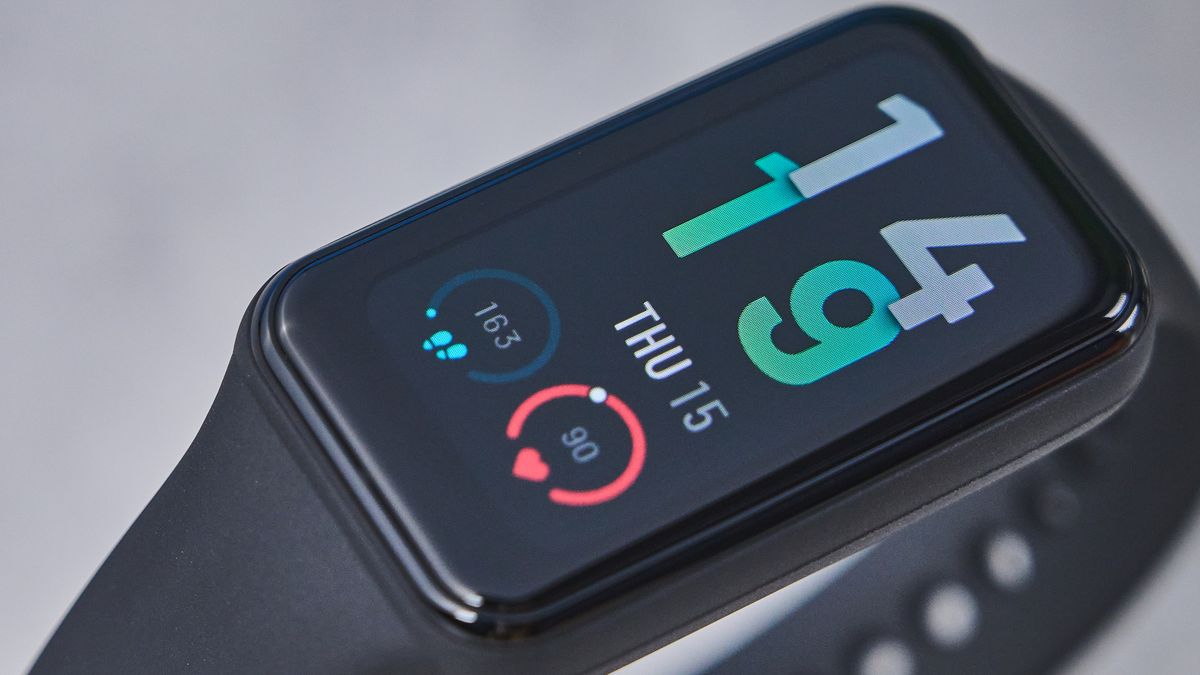
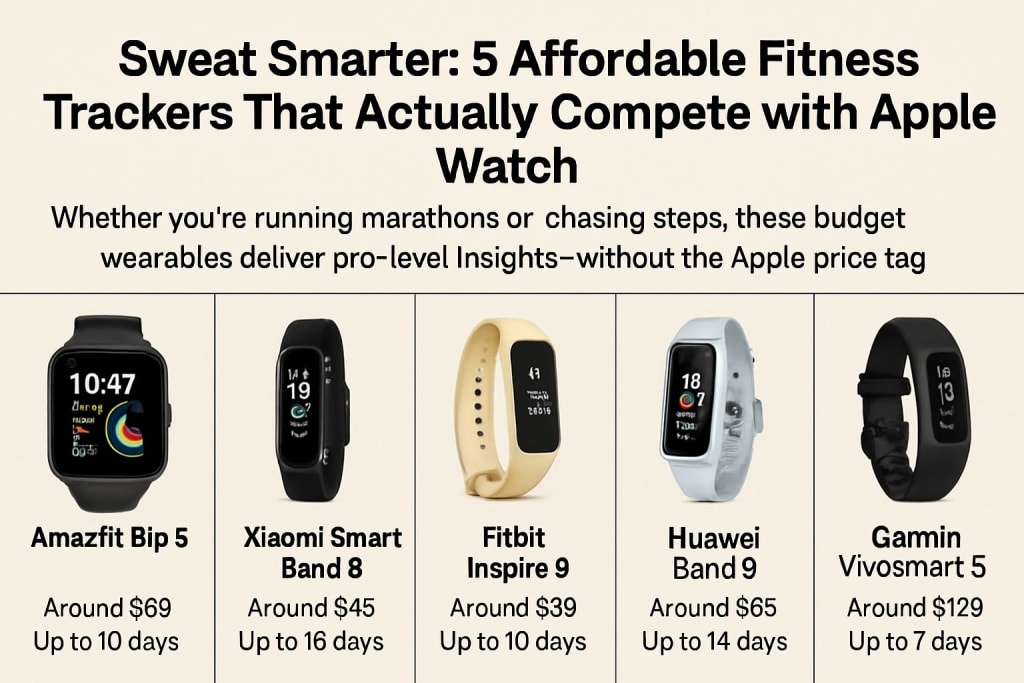
Battery life often separates fitness trackers from smartwatches. Fitness trackers can last several days or even weeks on a single charge due to their limited display and simpler functions. Smartwatches usually need daily or every-other-day charging because of their bright screens and constant connectivity.
Ask yourself if you want to charge your device frequently or prefer a low-maintenance option. Long-lasting battery life can be a game-changer, especially if you dislike carrying chargers or worry about running out of power during outdoor activities.
Credit: www.tomsguide.com
Benefits For Health And Wellness
Fitness trackers offer many benefits for health and wellness. They help users stay active, understand their bodies, and improve overall well-being. Unlike traditional watches, these devices focus on tracking fitness data to support a healthier lifestyle.
Motivation To Move
Fitness trackers encourage regular movement by setting daily goals. They send reminders to stand up or walk after long periods of sitting. This constant nudge helps reduce inactivity and promotes a more active lifestyle.
Seeing progress in real time motivates users to keep going. Small achievements build confidence and create healthy habits. The tracker’s feedback turns exercise into a fun, rewarding activity.
Data-driven Insights
These devices collect detailed information about physical activity. Users get data on steps taken, calories burned, and heart rate changes. This helps understand how the body responds to exercise and rest.
Tracking progress makes it easier to set realistic fitness goals. Data reveals patterns and areas needing improvement. This knowledge guides better decisions for diet, workouts, and recovery.
Improved Sleep Patterns
Fitness trackers monitor sleep quality and duration each night. They detect light, deep, and REM sleep phases to provide a full picture. This helps identify issues like restless nights or insufficient rest.
Understanding sleep patterns leads to better bedtime routines. Users can adjust habits to improve sleep quality. Better sleep supports energy, mood, and overall health.
Role In Disease Prevention
Fitness trackers play an important role in preventing diseases. They help monitor body functions and daily activities. This constant tracking offers valuable data to spot health problems early. Using this data wisely can improve health and reduce risks.
Early Detection Of Health Issues
Fitness trackers collect data like heart rate, sleep patterns, and activity levels. Sudden changes can signal health problems. For example, irregular heartbeats or poor sleep may indicate underlying conditions. Early warnings help users seek medical advice sooner. This early detection can prevent serious illnesses from developing.
Chronic Disease Management
People with chronic diseases benefit from fitness trackers. Trackers provide daily feedback on important health metrics. Monitoring blood pressure, glucose levels, or activity helps manage conditions like diabetes or hypertension. Users can adjust habits based on real-time data. This ongoing management reduces complications and improves life quality.

Credit: www.androidpolice.com
Integration With Mobile Apps
Fitness trackers pair seamlessly with mobile apps to enhance your health journey. These apps collect data from your device and present it in an easy-to-understand format. They allow you to see daily steps, heart rate, sleep patterns, and more. This connection helps you stay motivated and informed.
Mobile apps also offer tools to set goals and track progress over time. They turn raw data into actionable insights. This integration makes fitness tracking more personal and effective.
Personalized Health Plans
Mobile apps create health plans based on your data. They analyze your activity, sleep, and heart rate. Then, they suggest workouts, rest days, and nutrition tips. These plans adjust as you improve or face challenges. The app acts like a coach guiding your daily routine.
Personalization helps you stay on track and avoid injury. It fits your lifestyle and fitness level. This way, every step counts toward your goals.
Social Connectivity
Fitness apps let you connect with friends and other users. You can share achievements and compete in challenges. This social feature makes exercising more fun and motivating. It creates a sense of community and support.
Many apps include leaderboards and group goals. These tools encourage friendly competition and teamwork. Social connectivity helps you stay committed and celebrate progress together.
Future Of Fitness Trackers
The future of fitness trackers promises to bring more than just step counts and basic heart rate monitoring. As technology evolves, these devices will offer deeper insights into your health and wellness. This means you can expect smarter tools that help you understand your body better and make informed decisions about your fitness journey.
Advanced Health Metrics
Fitness trackers will soon measure more than just your pulse and steps. Expect features like blood oxygen levels, hydration status, and even stress markers to become standard. These metrics give you a clearer picture of your overall health and can alert you to issues before they become serious.
Imagine knowing your recovery status after a tough workout or tracking how well you sleep in relation to your daily activity. These insights make your fitness routine smarter and more personalized. What specific health details do you wish your tracker could provide right now?
Ai And Predictive Health
Artificial intelligence will play a big role in the next generation of fitness trackers. AI can analyze your data over time to predict potential health problems or suggest when to adjust your training. This proactive approach helps you avoid injuries and stay on track with your goals.
Think about a device that warns you about possible fatigue before you feel it or recommends the best days for rest based on your activity patterns. Such predictive features turn your fitness tracker into a personal health coach. How would having these insights change the way you plan your workouts?
Credit: vocal.media
Frequently Asked Questions
What Is A Fitness Tracker, Not A Watch?
A fitness tracker focuses on health metrics like steps, heart rate, and calories. It lacks traditional watch features like time display or notifications.
How Does A Fitness Tracker Differ From A Smartwatch?
Fitness trackers primarily monitor physical activity and health data. Smartwatches offer broader functions like apps, calls, and notifications alongside fitness tracking.
Why Choose A Fitness Tracker Over A Smartwatch?
Fitness trackers are usually lighter, cheaper, and have longer battery life. They offer focused health tracking without the distractions of a smartwatch.
Can Fitness Trackers Replace Traditional Watches?
Fitness trackers do not show time prominently and lack classic watch aesthetics. They serve health monitoring purposes rather than traditional watch functions.
Conclusion
Fitness trackers offer more than just time-telling features. They help monitor your health and daily activity easily. Many focus on steps, heart rate, and sleep quality. Their design suits active lifestyles better than regular watches. Choosing one depends on your personal fitness needs.
Small devices can make a big difference in habits. Staying active becomes simpler with constant feedback. Remember, a fitness tracker supports your goals, not just tells time. Keep moving and use the right tool to track progress.







