
Stepping into a gym for the first time can feel like entering a whole new world. Your heart races with a mix of excitement and a dash of nerves.
You might wonder where to start, which equipment to use, or even if everyone is looking at you. But guess what? You’re not alone, and this feeling is completely normal. Whether you’re aiming to shed a few pounds, build muscle, or simply boost your mood, your first time in the gym is the start of something great.
Imagine the satisfaction of mastering new exercises and feeling stronger each week. It’s not just about working out; it’s about transforming your life. Ready to make your first gym visit a success? Let’s dive in and uncover the secrets to a rewarding workout experience.
Preparing For Your First Gym Visit
Preparing for your first gym visit sets the tone for your fitness journey. Feeling ready helps reduce nervousness. It builds confidence and makes your workout more effective. Planning ahead saves time and avoids confusion at the gym. Here are key points to consider before stepping in.
Choosing The Right Gym
Select a gym close to your home or work. Convenience helps keep your routine consistent. Check gym hours to match your schedule. Visit the gym to see cleanliness and equipment variety. Friendly staff and a welcoming atmosphere matter. Look for gyms with trial passes or short-term memberships. This lets you test the environment before committing.
What To Pack
Prepare a gym bag with essentials. Include comfortable workout clothes and proper shoes. Bring a water bottle to stay hydrated. Pack a small towel for sweat. A lock for a locker keeps your belongings safe. Some gyms require a membership card or key fob. Don’t forget headphones if you enjoy music during exercise.
Setting Realistic Goals
Set clear and achievable goals for your first visit. Focus on learning gym equipment and basic exercises. Avoid pushing too hard too soon to prevent injury. Celebrate small wins like completing a full workout. Goals can include improving strength, endurance, or flexibility. Track progress to stay motivated over time.
Credit: betterme.world
Essential Gym Etiquette
Entering a gym for the first time can feel overwhelming, but understanding essential gym etiquette helps you fit in smoothly. It’s not just about working out; it’s about respecting others and the shared space. Good manners in the gym create a positive environment for everyone, including you.
Respecting Equipment
Always put equipment back where you found it. Leaving weights scattered or machines misused can frustrate other gym-goers and disrupt workouts.
If you’re using a machine or bench, limit your time especially during busy hours. Others might be waiting to use the same equipment.
Ask before jumping into a set on shared equipment. This simple question prevents misunderstandings and shows consideration.
Sharing Space
Gyms can get crowded. Keep a reasonable distance from others to avoid invading their workout zone.
Be mindful of noise levels. Loud grunting or dropping weights can distract others and create tension.
Have you noticed how some people chat loudly by machines? Respect the gym as a place for focus—save conversations for the lounge or outside.
Hygiene Tips
Always wipe down machines and benches after use. Gyms provide disinfectant wipes or sprays—use them to keep the area clean for the next person.
Bring a towel to place on benches or mats. This small act helps reduce sweat buildup and keeps equipment fresh.
Wear clean workout clothes and change socks regularly. Good hygiene prevents unpleasant odors and skin infections.
Basic Workout Plan For Beginners
Starting your first gym workout can feel overwhelming. A basic workout plan helps you focus on key movements without burning out. It also builds your confidence as you get familiar with the equipment and routines.
Warm-up Exercises
Warming up prepares your body for exercise and reduces injury risk. Spend 5 to 10 minutes doing light cardio like walking on a treadmill or cycling slowly.
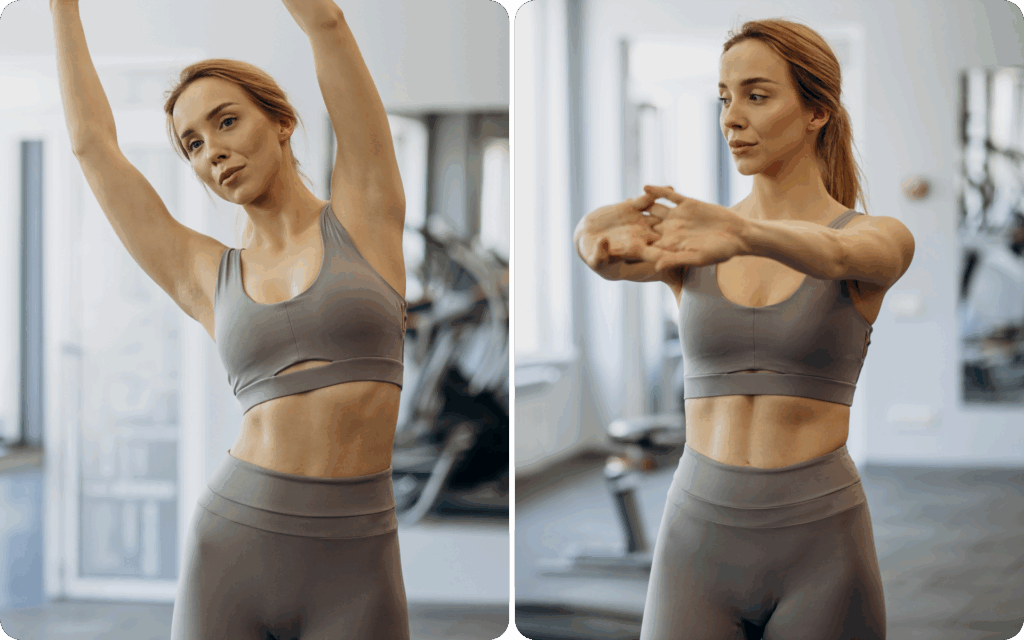
Follow this with dynamic stretches such as arm circles, leg swings, or torso twists. These moves increase blood flow and loosen your muscles.
Ask yourself: Are you moving enough to break a light sweat but not tire yourself before the main workout?
Simple Strength Training
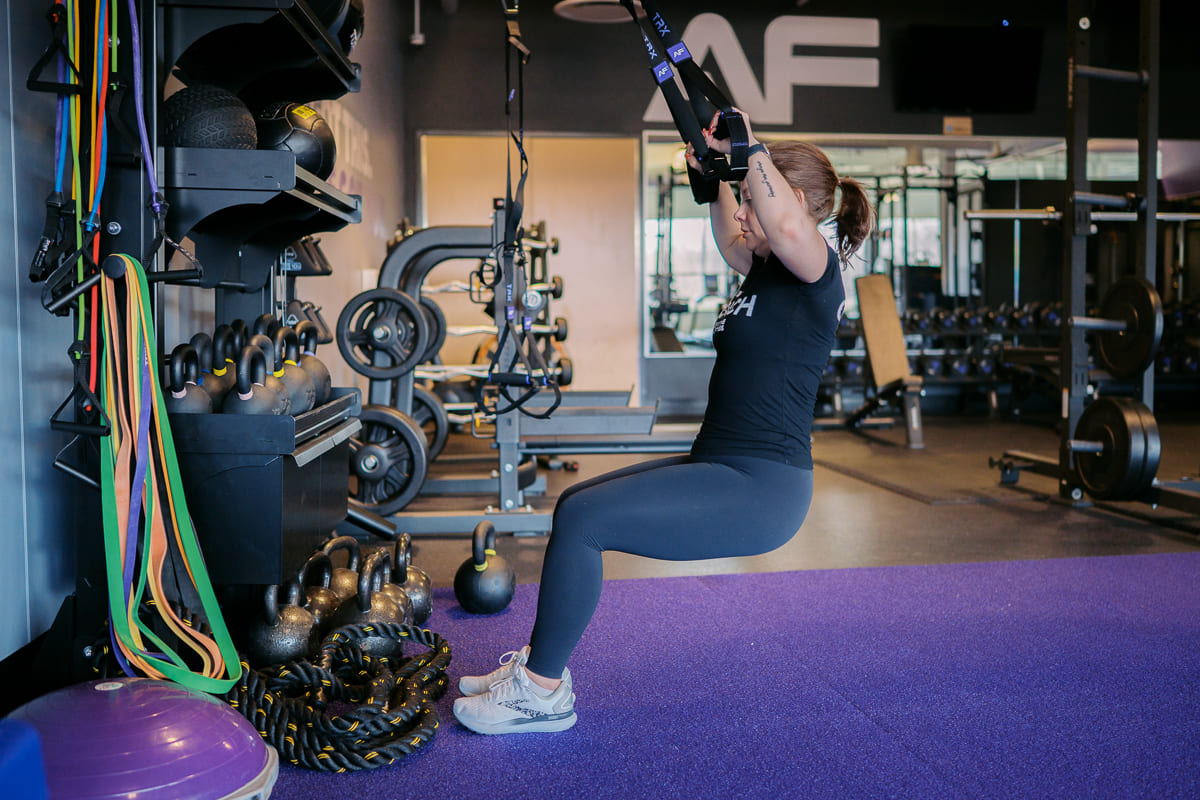
Start with basic exercises that use your body weight or light weights. Squats, push-ups, and dumbbell rows are great choices.
Perform 2 to 3 sets of 8 to 12 repetitions for each exercise. This range helps build strength without overwhelming your muscles.
Keep your form correct and control your movements. If something feels painful, stop and adjust. Your goal is to challenge yourself, not hurt yourself.
Intro To Cardio
Cardio improves your heart health and stamina. Begin with low-impact machines like the elliptical or stationary bike to keep joint stress low.
Try 10 to 15 minutes at a steady pace. As you feel comfortable, gradually increase the duration or intensity.
Think about what cardio activity you enjoy—this makes it easier to stick with your routine over time.
Using Gym Equipment Safely
Using gym equipment safely is important for every beginner. It helps prevent injuries and builds confidence. Knowing how to handle different machines and weights sets a strong foundation. Safety starts with understanding the right tools and methods.
Taking time to learn proper techniques protects your body. It also makes workouts more effective and enjoyable. Focus on control, not speed or heavy weights. Always listen to your body’s signals.
Free Weights Vs Machines
Free weights include dumbbells and barbells. They allow more movement and require balance. This helps build strength and coordination together.
Machines guide your movement along a set path. They are easier to use for beginners. Machines help target specific muscles safely.
Choose free weights for full-body control. Use machines to learn basic movements and stay stable.
Proper Form Tips
- Keep your back straight and shoulders relaxed.
- Bend your knees slightly, not locked or too bent.
- Move slowly and with control.
- Use a mirror to check your posture.
- Start with light weights to practice form.
- Breathe steadily, not holding your breath.
Avoiding Common Injuries
- Warm up before starting any exercise.
- Do not lift weights that feel too heavy.
- Stop immediately if you feel sharp pain.
- Use gym equipment only as instructed.
- Rest muscles between workouts to recover.
- Ask gym staff for help if unsure.
Tracking Progress And Staying Motivated
Tracking progress and staying motivated are key to gym success. They help keep your workouts focused and rewarding. Seeing improvement boosts confidence and encourages regular exercise. Motivation can dip, but clear progress records keep you moving forward.
Recording Workouts
Write down exercises, sets, and reps after each session. Note weights used and how you felt during workouts. Use a notebook, app, or spreadsheet. This habit shows your growth over time. It also helps plan future workouts to challenge yourself.
Celebrating Small Wins
Acknowledge every improvement, no matter how small. This could be lifting a bit more weight or running longer. These wins build positive feelings about your fitness journey. They remind you that effort leads to results. Treat yourself with rest days or favorite healthy snacks as rewards.
Overcoming Plateaus
Plateaus happen when progress slows or stops. Change your routine by adding new exercises or increasing intensity. Try different workout styles like cardio, strength, or flexibility training. Rest and nutrition also play a role in breaking plateaus. Stay patient and keep pushing forward.
Credit: www.anytimefitness.com
Nutrition And Recovery Basics
Starting your gym journey involves more than just exercise. Nutrition and recovery play key roles in your progress. Eating right and resting well help your body perform better. They also reduce the chance of injury and fatigue.
Pre And Post-workout Nutrition
Eating before exercise gives your body energy. Choose foods with carbs and some protein. Examples include a banana with peanut butter or yogurt with fruit. Avoid heavy meals that might upset your stomach.
After your workout, focus on recovery foods. Protein helps repair muscles, while carbs refill energy stores. Try a chicken sandwich, smoothie, or a bowl of oatmeal. Eat within 30 to 60 minutes after training for best results.
Importance Of Hydration
Water is essential for your workout and recovery. Drink fluids before, during, and after exercise. Dehydration causes tiredness and cramps. Aim for at least 8 cups of water daily, more if you sweat a lot.
Sports drinks can help during long or intense sessions. They replace lost salts and sugars but are not needed for short workouts.
Rest And Sleep
Rest days help your muscles recover and grow stronger. Overtraining can lead to injury and burnout. Listen to your body and take breaks when needed.
Sleep is where most recovery happens. Aim for 7 to 9 hours each night. Good sleep improves muscle repair, mood, and energy levels. Avoid screens before bed and keep a regular sleep schedule.
Credit: www.gymshark.com
Frequently Asked Questions
What Should I Wear For My First Gym Workout?
Wear comfortable, breathable clothes like a t-shirt and shorts or leggings. Choose supportive shoes suitable for exercise. Avoid restrictive or heavy clothing to stay cool and move freely during your workout.
How Long Should My First Gym Workout Last?
Start with 20 to 30 minutes to avoid fatigue. Focus on light exercises and gradually increase duration as your fitness improves. Always listen to your body and rest if needed.
What Exercises Are Best For First-time Gym Users?
Begin with basic exercises like walking on a treadmill, bodyweight squats, or light weightlifting. These build strength and endurance safely. Avoid complex moves until you learn proper form.
How Often Should Beginners Go To The Gym?
Aim for 2 to 3 sessions per week initially. This frequency helps your body adjust and recover. Consistency is key for progress and injury prevention.
Conclusion
Starting your first gym workout can feel tough but stay patient. Every step you take helps your body grow stronger. Keep a steady pace and listen to your body’s signals. Remember, progress comes with time and regular effort. Enjoy the small wins, like finishing a set or trying a new machine.
Soon, gym visits will become part of your routine. Stay positive, stay consistent, and watch your confidence build. Your fitness journey has just begun, and every day counts. Keep moving forward.







