
Starting your fitness journey can be both exciting and a little intimidating, especially when you’re stepping into the gym for the first time. You might be wondering where to start, what exercises to do, or how to make the most of your time.
Don’t worry; you’re not alone in these thoughts. A well-structured gym workout plan tailored for men like you can make all the difference. Imagine having a clear roadmap that guides you through each session, boosting your confidence and ensuring you see results.
This is the perfect opportunity to transform your health and build the physique you’ve always wanted. Stick around, and you’ll discover a first-time gym workout plan designed just for you, making sure you get the most out of every minute spent in the gym. Ready to take the first step towards a healthier, stronger you? Let’s dive in!
Setting Goals
Setting clear and realistic goals is the foundation of any successful first-time gym workout plan for males. Without defined targets, your efforts can become scattered and motivation may dwindle quickly. By focusing on what you want to achieve, you create a roadmap that keeps you accountable and energized throughout your fitness journey.
Short-term Targets
Start with goals that you can reach within a few weeks. These might include completing your first full workout without feeling overwhelmed or increasing the number of push-ups you can do. Short-term targets give you quick wins that boost confidence and build momentum.
For example, aim to add 5 extra minutes to your cardio sessions every week or increase your lifting weight by small increments. These small steps compound and prepare your body for bigger challenges.
Long-term Vision
Think about where you want to be in six months or a year. This vision could involve gaining muscle mass, losing fat, or improving overall endurance. Having a clear long-term goal helps you stay committed, especially when progress feels slow.
Ask yourself what success looks like beyond the numbers on a scale or the mirror. Maybe it’s feeling stronger during daily activities or fitting comfortably into your favorite clothes. This bigger picture keeps your workouts meaningful.
Tracking Progress
Keeping track of your progress is crucial to stay motivated and adjust your plan when needed. Use a simple notebook, an app, or photos to record your workouts and physical changes.
Tracking helps you see patterns—like which exercises work best or when you hit a plateau. It also answers the question: Are you moving closer to your goals? Regular check-ins let you celebrate small victories and refocus when necessary.
Essential Warm-up Exercises
Starting a gym workout without warming up can lead to injuries and poor performance. Essential warm-up exercises prepare your muscles and joints. They increase blood flow and improve flexibility. This helps your body handle the workout ahead. Spending 5 to 10 minutes warming up is enough to get ready. Focus on moves that target major muscle groups and raise your heart rate slightly.
Dynamic Stretches
Dynamic stretches involve controlled movements that gently stretch muscles. These exercises improve range of motion and activate muscles used in your workout. Examples include leg swings, arm circles, and torso twists. Avoid holding stretches for too long. Instead, keep the movement smooth and continuous. This helps loosen tight muscles and joints.
- Leg swings: swing one leg forward and backward, then side to side
- Arm circles: rotate arms in small to large circles
- Torso twists: twist your upper body left and right with feet planted
Light Cardio Moves
Light cardio exercises raise your heart rate gradually. They boost circulation to muscles and prepare your body for intense activity. Choose low-impact moves that feel easy and comfortable. Jumping jacks, brisk walking, or stationary cycling work well. Keep the pace steady and avoid sprinting. Light cardio warms the heart and lungs, making workouts safer and more effective.
- Jumping jacks: jump with legs apart and arms overhead
- Brisk walking: walk fast enough to feel warm but not tired
- Stationary cycling: pedal gently on a bike machine
Beginner Workout Routine
Starting a gym routine can feel overwhelming. A simple beginner workout plan helps build confidence and strength. Focus on three key areas: strength training, cardio, and flexibility. This balance supports overall fitness and reduces injury risks. The goal is steady progress, not quick results. Stay consistent and listen to your body.
Full-body Strength Training
Strength training helps build muscle and improve metabolism. Use light weights or bodyweight exercises to start. Focus on major muscle groups like legs, chest, back, and arms. Perform 2-3 sets of 8-12 repetitions for each exercise.
- Squats
- Push-ups
- Dumbbell rows
- Planks
- Shoulder presses
Rest 30-60 seconds between sets. Aim for 2-3 workouts per week. Consistency is key for muscle growth and strength.
Cardio Sessions
Cardio improves heart health and burns calories. Start with low-impact exercises like walking or cycling. Gradually increase intensity and duration.
- Brisk walking for 20-30 minutes
- Stationary bike for 15-20 minutes
- Light jogging or elliptical for 10-15 minutes
Perform cardio 3-4 times a week. Keep a steady pace to build endurance without overexertion.
Flexibility Work
Flexibility training prevents injuries and improves movement. Stretch major muscle groups after workouts or on rest days. Hold each stretch for 15-30 seconds without bouncing.
- Hamstring stretch
- Chest and shoulder stretch
- Calf stretch
- Hip flexor stretch
- Lower back stretch
Practice flexibility exercises 3-5 times per week. Focus on slow, controlled movements for best results.
Key Muscle Groups To Focus On
Targeting the right muscle groups during your first gym workout can set a strong foundation for your fitness journey. Focusing on key areas ensures balanced strength and helps you avoid injury. Let’s break down the major muscle groups you should prioritize to get the most from your workouts.
Chest And Back
Your chest and back form the core of your upper body strength. Exercises like push-ups, bench presses, and rows build muscle while improving posture. Balancing chest presses with back pulls prevents muscle imbalances that can lead to pain or poor form.
Have you noticed how a strong back supports every lift? Don’t skip back exercises just because chest workouts feel more rewarding.
Legs And Glutes
Legs and glutes power nearly every movement you make, from walking to jumping. Squats, lunges, and deadlifts target these muscles effectively. Strengthening your lower body not only boosts athletic performance but also protects your joints from wear and tear.
Think of your legs as the foundation—if it’s weak, everything else struggles.
Arms And Shoulders
Strong arms and shoulders improve your ability to lift, push, and pull in daily life. Dumbbell curls, tricep dips, and shoulder presses are great starting points. Training these muscles also enhances your overall upper body aesthetics and function.
Are you focusing enough on shoulder stability? It’s key to avoiding injuries during heavier lifts.
Core Strength
A solid core stabilizes your entire body during workouts and everyday activities. Planks, crunches, and leg raises target your abdominal and lower back muscles. Building core strength enhances balance and reduces the risk of lower back pain.
How often do you engage your core when exercising? It’s the difference between moving efficiently and risking injury.
Proper Exercise Form
Proper exercise form is crucial for every gym workout. It helps prevent injuries and improves workout effectiveness. Using the right posture targets muscles better and boosts strength gains. Beginners must focus on form before adding weight or intensity. This approach builds a solid foundation for future progress. Learning correct movements also increases confidence and workout enjoyment.
Common Mistakes
- Rounding the back during lifts, risking spine injury
- Locking joints completely, causing unnecessary stress
- Using momentum instead of muscle strength
- Not controlling the weight on the way down
- Incorrect foot placement affecting balance
- Overextending or bending joints too far
- Holding breath instead of steady breathing
Tips For Safe Lifting
- Keep your back straight and chest up
- Bend knees slightly to reduce joint strain
- Lift with controlled, steady motions
- Breathe out during effort, breathe in on release
- Start with light weights to practice form
- Use mirrors or ask trainers to check posture
- Stop immediately if you feel sharp pain
Nutrition For Fast Results
Your nutrition is a key factor in seeing fast results from your first gym workout plan. Eating right fuels your body, helps build muscle, and speeds up recovery. Without good nutrition, your hard work in the gym may not show the progress you expect.
Protein Intake
Protein is the building block for muscle repair and growth. Aim to eat a source of protein with every meal, such as chicken, fish, eggs, or plant-based options like beans and tofu.
Try to consume around 1.2 to 2 grams of protein per kilogram of your body weight daily. This helps support muscle gains without overloading your system.
Have you noticed how eating protein right after your workout helps you feel less sore the next day? That’s because protein kickstarts muscle recovery fast.
Hydration Tips
Water plays a huge role in your workout performance and recovery. Dehydration can make you feel tired and reduce your strength.
Drink at least 8 cups (about 2 liters) of water daily, and increase this amount on workout days. Carry a water bottle so you can sip throughout your session.
Adding a pinch of salt or a splash of lemon juice to your water can help with electrolyte balance and make hydration more enjoyable. How often do you check your thirst during workouts?
Pre And Post-workout Meals
What you eat before your workout affects your energy levels. A balanced meal with carbs and protein about 1 to 2 hours before exercise works best.
- A small bowl of oatmeal with fruit and a spoonful of peanut butter
- Greek yogurt with berries
- A banana and a handful of almonds
After your workout, focus on recovery with a meal or snack rich in protein and carbs within 30 to 60 minutes. This helps replenish glycogen stores and repair muscles.
- Grilled chicken with sweet potato
- Protein shake with a banana
- Eggs with whole-grain toast
Have you tried timing your meals around your workouts? It might be the missing piece for faster progress.
Rest And Recovery
Rest and recovery play a crucial role in any workout plan, especially for first-time gym-goers. Muscles need time to repair and grow stronger after exercise. Without enough rest, your body may feel tired and sore, which can slow down progress.
Good recovery helps prevent injuries and improves performance. It allows your energy levels to restore and your mind to stay focused. Balancing workout sessions with proper rest leads to steady and safe muscle gains.
Importance Of Sleep
Sleep is the body’s natural way to heal and rebuild muscles. During deep sleep, the body releases growth hormones that help muscle recovery. Lack of sleep can reduce strength and slow down muscle repair.
Aim for 7 to 9 hours of quality sleep each night. Create a calm sleeping environment by turning off screens and keeping the room dark. Consistent sleep patterns improve workout results and boost energy.
Active Recovery Ideas
Active recovery means light exercise to help muscles heal. It increases blood flow and reduces muscle stiffness. This type of recovery keeps the body moving without strain.
- Walking or gentle jogging for 20 to 30 minutes
- Stretching major muscle groups
- Yoga or light bodyweight exercises
- Swimming or cycling at a slow pace
Include active recovery days between intense gym sessions. This approach supports muscle repair and keeps you feeling fresh for the next workout.

Credit: 1stphorm.com
Tracking And Adjusting Your Plan
Tracking your progress during your first gym workout plan is essential. It helps you understand what works and what needs change. Adjusting your plan based on real feedback from your body ensures steady progress and reduces the chance of injury.
When To Increase Intensity
You might wonder when it’s time to push harder. A good sign is when your current routine feels too easy and you finish exercises without much effort. If you can complete your sets and reps while still feeling like you could do more, it’s a clear signal.
Try adding more weight, increasing reps, or shortening rest time between sets. Small changes keep your muscles challenged and growing. Remember, increasing intensity too quickly can backfire, so take it slow and listen to your body.
Signs Of Overtraining
How do you know if you’re pushing too hard? Watch for persistent soreness that doesn’t go away after rest days. Feeling unusually tired, losing motivation, or having trouble sleeping can also be red flags.
Overtraining can lead to injuries and stall progress. If you notice these signs, it’s time to dial back and focus on recovery. Rest days and proper nutrition are just as important as your workouts for building strength and endurance.
Motivation And Consistency
Motivation and consistency are key to a successful first-time gym workout plan for males. Staying motivated helps you push through tough days. Consistency builds habits that lead to lasting results. Both work together to keep progress steady and visible.
Setting Milestones
Setting clear milestones gives you targets to aim for. Small goals like increasing weights or doing more reps boost confidence. Milestones make workouts feel rewarding and purposeful. Track your progress to see how far you have come. Celebrate achievements to stay encouraged and committed.
Overcoming Plateaus
Plateaus happen when progress slows or stops. They can feel frustrating and lower motivation. Changing your workout routine helps break plateaus. Try new exercises or increase intensity gradually. Patience is important; progress will return with time. Keep pushing forward and stay consistent despite challenges.
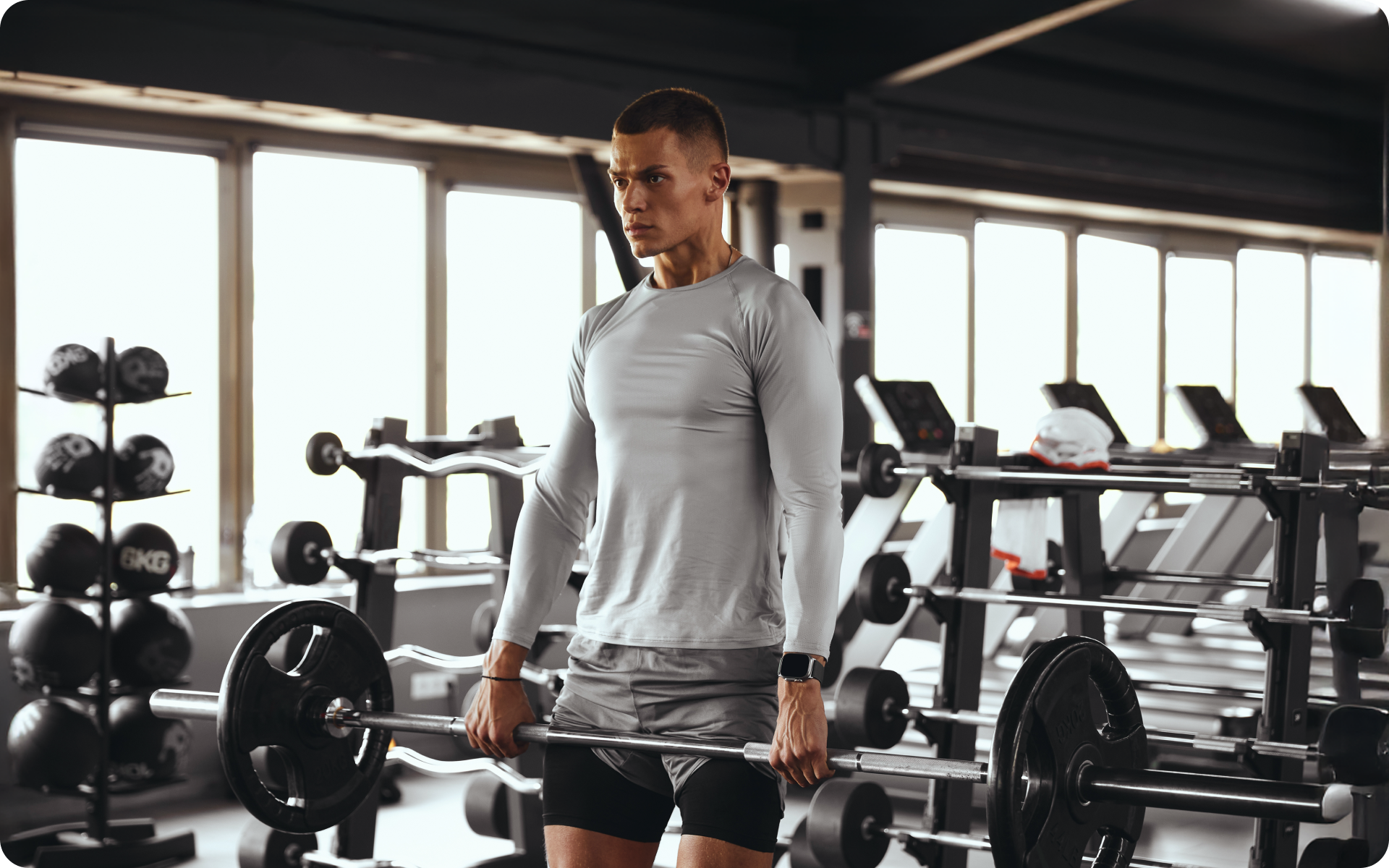
Credit: betterme.world
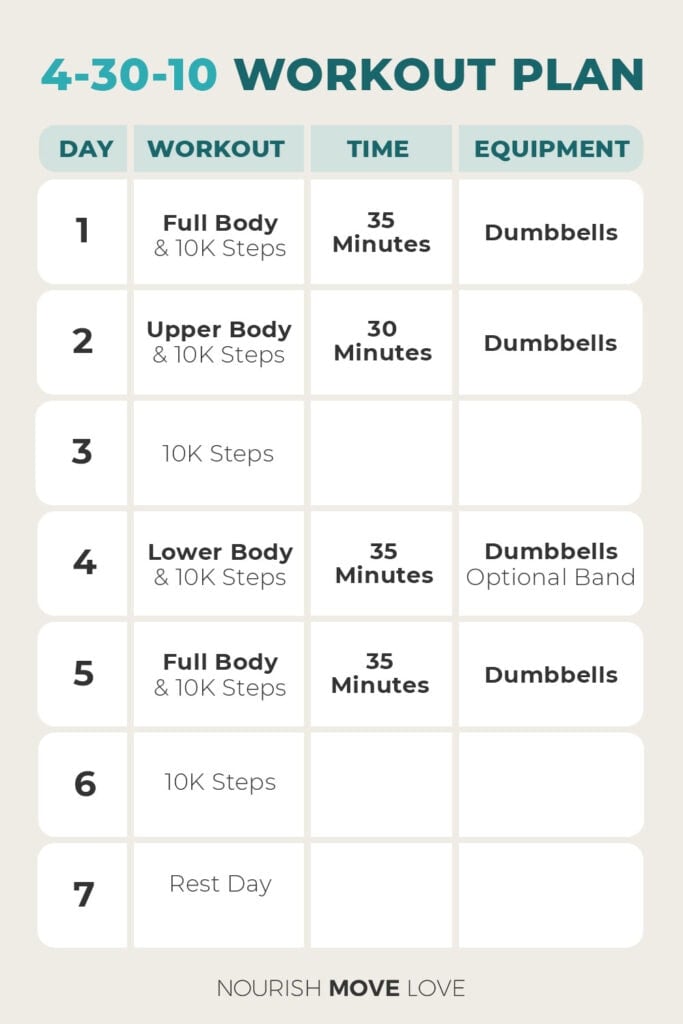
Credit: www.nourishmovelove.com
Frequently Asked Questions
What Is The Best First Time Gym Workout Plan For Males?
A balanced plan includes warm-up, strength training, and cardio. Start with light weights and basic exercises. Focus on proper form and consistency to avoid injury and build a strong foundation.
How Many Days Per Week Should Beginners Workout?
Beginners should aim for 3 to 4 days a week. This schedule allows muscles to recover and prevents burnout. Gradually increase workout days as strength and stamina improve.
What Exercises Are Ideal For First Time Gym Users?
Start with compound movements like squats, bench press, and deadlifts. These exercises target multiple muscle groups and build overall strength. Include bodyweight exercises for flexibility and endurance.
How Long Should A First Gym Session Last?
A beginner’s gym session should last 45 to 60 minutes. This includes warm-up, workout, and cool-down. Avoid overtraining by keeping workouts focused and efficient.
Conclusion
Starting your gym journey is a big step toward better health. Stick to the plan and be patient with your progress. Small changes each day will build strong habits. Focus on proper form and listen to your body. Rest and nutrition matter just as much as workouts.
Stay consistent and enjoy the process. Your efforts will show over time. Keep a positive mindset and celebrate every achievement. This plan sets a solid base for your fitness future. Keep moving forward, one workout at a time.







