
Are you tired of struggling with fitness advice that doesn’t seem tailored to your unique body type? If you identify as an endomorph, you know the challenges of managing your weight and achieving your fitness goals.
But don’t worry—you’re not alone, and there’s a path that’s just right for you. In this guide, we’ll dive into the best exercise strategies specifically designed for your endomorph body type. Discover how to work with your natural tendencies, not against them, and unlock a healthier, more energized version of yourself.
Let’s explore the workout secrets that can transform your fitness journey and help you achieve the results you’ve always wanted. Keep reading to find out how to make your body work for you, rather than the other way around.
Endomorph Body Traits
The endomorph body type has unique traits that affect exercise and fitness. Understanding these traits helps create better workout plans. Endomorphs often face challenges with weight and muscle gain. Their bodies store fat more easily than other types. Knowing these traits can guide effective exercise choices.
Key Characteristics
- Rounder and softer body shape
- Wider hips and waist
- Shorter limbs compared to other types
- Higher tendency to store fat
- Strong muscle development, but often hidden by fat
- Broad bone structure
Metabolism Insights
Endomorphs usually have slower metabolism rates. This means the body burns fewer calories at rest. Fat storage happens quickly after eating. Energy use is less efficient than in other body types. This slower metabolism makes weight loss harder. Exercise should focus on boosting metabolism and fat burning.
Credit: www.tunet.cult.cu
Fat-burning Principles
Fat burning for endomorphs relies on smart exercise and diet choices. The body type stores fat easily and loses it slowly. Understanding key fat-burning principles helps you achieve better results. Focus on methods that promote calorie loss and muscle gain.
Calorie Deficit Importance
Fat loss happens when you burn more calories than you eat. This is called a calorie deficit. It forces the body to use stored fat for energy. Maintaining a moderate calorie deficit is safer and more effective. Avoid extreme dieting that can slow metabolism and muscle loss.
Role Of Cardio
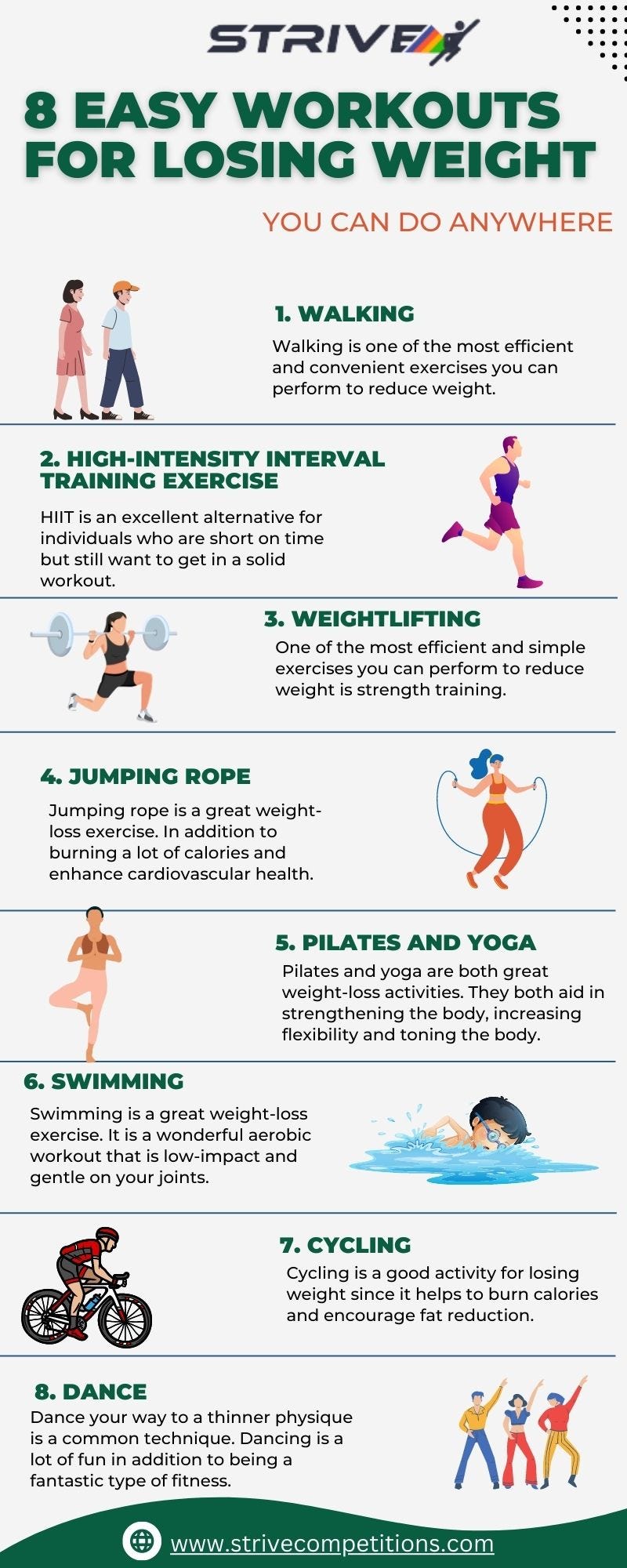
Cardio exercises increase heart rate and burn calories fast. Activities like walking, cycling, and swimming boost fat loss. Consistent cardio improves endurance and supports calorie deficit. Mix steady-state and interval cardio for best results. Short bursts of high intensity raise metabolism after workouts.
Strength Training Benefits
Strength training builds muscle, which burns more calories at rest. It shapes the body and improves metabolism. Lifting weights or using resistance bands helps preserve muscle during fat loss. Muscle mass increases daily calorie needs, aiding long-term fat burning. Focus on compound exercises for full-body impact.
Best Exercises For Endomorphs
Choosing the right exercises can make a big difference if you have an endomorph body type. Your body tends to store fat more easily and may have a slower metabolism. That means workouts focusing on fat burn and muscle building work best for you.
High-intensity Interval Training
High-Intensity Interval Training (HIIT) is a powerful tool for endomorphs. Short bursts of intense exercise followed by rest keep your heart rate up and burn calories efficiently.
Try sprinting for 30 seconds, then walking for a minute. Repeat this cycle for 15-20 minutes. This approach not only melts fat but also boosts your metabolism long after you finish.
Have you noticed how quick HIIT sessions fit better into your busy day compared to long cardio workouts?
Compound Movements
Compound movements engage multiple muscle groups at once, giving you more results in less time. Exercises like squats, deadlifts, and bench presses help build muscle while torching calories.
Adding these to your routine can improve strength and shape your body effectively. Plus, they increase your resting metabolic rate, making it easier to maintain a healthy weight.
Think about how lifting weights makes you feel stronger and more energized throughout your day.
Low-impact Cardio Options
If high-impact exercises cause discomfort, low-impact cardio is a great alternative. Activities like swimming, cycling, and brisk walking protect your joints while still promoting fat loss.
You can sustain these workouts longer, which is key for burning calories. Also, they reduce injury risk, helping you stay consistent with your fitness goals.
What low-impact activities do you enjoy that keep you moving without strain?

Credit: www.puregym.com
Workout Structure Tips
Structuring your workouts effectively is key to seeing progress with an endomorph body type. You want to build muscle while burning fat, but the approach needs to be smart and balanced. Getting your workout routine right can help you stay motivated and avoid burnout.
Balancing Cardio And Weights
Cardio helps burn calories, but too much can eat into your muscle gains. Aim to mix steady-state cardio with high-intensity interval training (HIIT) to keep your metabolism fired up.
Weight training is crucial for building muscle, which in turn boosts your resting metabolic rate. Focus on compound lifts like squats, deadlifts, and bench presses to work multiple muscle groups efficiently.
Try scheduling cardio sessions on different days than your weight training or separate them by several hours if done on the same day. This prevents fatigue and supports better performance in both.
Frequency And Duration
Working out 4 to 5 times per week is a sweet spot for many endomorphs. This allows enough volume for muscle growth without overtraining.
Keep strength training sessions around 45 to 60 minutes. For cardio, 20 to 30 minutes per session is enough when done intensely.
Have you noticed you perform better when workouts are shorter but more intense? Many find that quality beats quantity, especially when managing energy levels.
Recovery Strategies
Recovery is just as important as the workouts themselves. Muscles grow when you rest, so avoid skipping rest days.
Incorporate activities like stretching, foam rolling, or light yoga to improve blood flow and reduce soreness.
Sleep plays a huge role—aim for 7 to 9 hours each night to support muscle repair and hormone balance.
Nutrition For Fat Loss
Nutrition plays a key role in fat loss for the endomorph body type. This body type tends to store fat easily, so choosing the right foods can help manage weight better. A focused eating plan supports exercise efforts and boosts metabolism. Smart food choices make a big difference.
Macronutrient Focus
Endomorphs benefit from a balanced macronutrient intake. Protein should be a priority to build and maintain muscle. Healthy fats help with hormone balance and energy. Carbohydrates should come mostly from vegetables and whole grains. Avoid high sugar and refined carbs that cause fat storage.
- Protein: Chicken, fish, tofu, eggs
- Fats: Avocado, nuts, olive oil
- Carbs: Leafy greens, quinoa, sweet potatoes
Meal Timing
Eating at regular times supports metabolism and reduces hunger spikes. Smaller meals every three to four hours work well. Avoid late-night eating to help fat loss. Breakfast is important to start the day with energy. Plan meals around workouts for better performance and recovery.
Hydration Tips
Water is essential for fat loss and overall health. Drink plenty throughout the day to stay hydrated. Water helps control appetite and improves digestion. Aim for at least eight glasses daily. Herbal teas can be a good alternative without added calories.
Common Mistakes To Avoid
Exercise routines for endomorphs require careful planning to avoid setbacks. Mistakes can slow progress and even cause injury. Understanding common errors helps you stay on track and make the most of your workouts.
Overtraining Risks
It’s tempting to push hard, especially when results seem slow. But overtraining can lead to burnout and injuries. Your body needs rest days to recover and build strength.
Watch for signs like constant fatigue, irritability, or persistent soreness. Adjust your workout intensity if you notice these symptoms. Balance intense cardio with low-impact activities like walking or swimming to keep moving without strain.
Ignoring Strength Training
Many endomorphs focus only on cardio, thinking it’s the fastest way to lose fat. Skipping strength training is a missed opportunity. Building muscle boosts metabolism and helps burn calories even at rest.
Start with bodyweight exercises or light weights and gradually increase. Strength training shapes your body and improves posture. Are you giving your muscles enough work to grow stronger?
Unrealistic Expectations
Expecting rapid changes can lead to frustration and quitting. Fat loss and muscle gain take time, especially for endomorphs. Setting small, achievable goals keeps motivation high.
Track progress beyond the scale—notice how your clothes fit or how your energy improves. What small wins can you celebrate today to stay committed?
Tracking Progress
Tracking your progress is essential when exercising as an endomorph. It helps you see what’s working and what needs change. Without regular tracking, you might miss signs of improvement or plateaus that require adjustments.
Measuring Body Changes
Relying only on the scale can be misleading. Instead, use a tape measure to track inches lost around your waist, hips, and thighs. Taking photos every two weeks can reveal subtle changes you might not notice day-to-day.
Consider how your clothes fit and how you feel during workouts. Are your energy levels improving? Are movements getting easier? These signs often show progress beyond numbers.
Adjusting Workouts
If you notice your progress stalling, it’s time to tweak your routine. Add variety by mixing cardio with strength training to boost metabolism. You might need to increase intensity or duration gradually to keep challenging your body.
Ask yourself, are your workouts feeling less challenging? If yes, add more reps or try new exercises targeting different muscle groups. Keeping your body guessing helps prevent plateaus.
Staying Motivated
Tracking progress can fuel your motivation but also test your patience. Celebrate small wins like lifting heavier weights or running longer distances. These moments keep you focused and remind you of your capabilities.
Connect with others who share similar goals for support. Share your milestones and setbacks honestly. How do you stay driven when progress feels slow? Finding your answer can make all the difference.

Credit: www.tomsguide.com
Frequently Asked Questions
What Is The Best Exercise For Endomorph Body Type?
The best exercise for endomorphs combines strength training and cardio. Focus on high-intensity interval training (HIIT) to boost metabolism. Weight lifting helps build muscle and burn fat efficiently. Consistency with a balanced routine improves body composition over time.
How Often Should Endomorphs Exercise Weekly?
Endomorphs should aim for at least 4 to 5 workout sessions weekly. Include 3 days of strength training and 2 days of cardio. Regular exercise helps increase metabolism and reduces fat accumulation effectively.
Can Cardio Alone Help Endomorphs Lose Weight?
Cardio is important but insufficient alone for endomorphs. Combining cardio with strength training yields better fat loss results. Strength training increases muscle mass, which boosts metabolism and supports long-term weight management.
What Type Of Strength Training Suits Endomorphs Best?
Endomorphs benefit from compound movements like squats, deadlifts, and bench presses. These exercises engage multiple muscle groups and burn more calories. Incorporate moderate to heavy weights with proper form for best results.
Conclusion
Exercise suits endomorphs best when it combines cardio and strength. Regular workouts help burn fat and build muscle tone. Choose activities you enjoy to stay motivated and consistent. Small daily efforts create big changes over time. Remember, patience and persistence bring lasting results.
Your body responds well to steady, balanced exercise routines. Keep moving, stay active, and feel healthier every day.







