
Are you wondering if sprinting can help you build muscle? You might think sprinting is just about speed and cardio, but there’s more to it than that.
What if sprinting could actually shape your muscles and boost your strength? You’ll discover how sprinting affects your muscles, why it might be the workout you’ve been missing, and how to use it to get the body you want. Keep reading to unlock the surprising muscle benefits of sprinting and take your fitness to the next level.
How Sprinting Affects Muscle Growth
Sprinting is often seen as a high-intensity cardio workout, but it has a significant impact on muscle growth too. Understanding how sprinting affects your muscles can help you decide if it fits your fitness goals. Let’s break down how sprinting interacts with your muscle fibers and influences muscle size.
Muscle Fibers Targeted By Sprinting
Sprinting primarily activates your fast-twitch muscle fibers. These fibers are designed for short bursts of power and speed, unlike slow-twitch fibers which are built for endurance. When you sprint, your body recruits these fast-twitch fibers to generate maximum force quickly.
Think about the last time you sprinted all out. That explosive effort is exactly what triggers these fibers. This activation is key to how sprinting contributes to muscle development.
Role Of Fast-twitch Fibers
Fast-twitch fibers are larger and have a greater potential for growth compared to slow-twitch fibers. They fatigue faster but respond well to intense, brief efforts like sprinting. This makes sprinting a perfect workout to stimulate these fibers.
Training fast-twitch fibers through sprinting enhances their strength and size. If you want to build muscle that is powerful and explosive, sprinting targets the right fibers for that.
Impact On Muscle Hypertrophy
Sprinting causes muscle hypertrophy by creating micro-tears in the fast-twitch fibers, which your body repairs by building stronger, bigger muscle cells. This process is similar to weightlifting but happens through high-intensity movement instead of lifting heavy loads.
Adding sprint intervals to your routine can increase muscle size, especially in your legs and glutes. Are you ready to use sprinting as a way to build not just speed but real muscle mass?
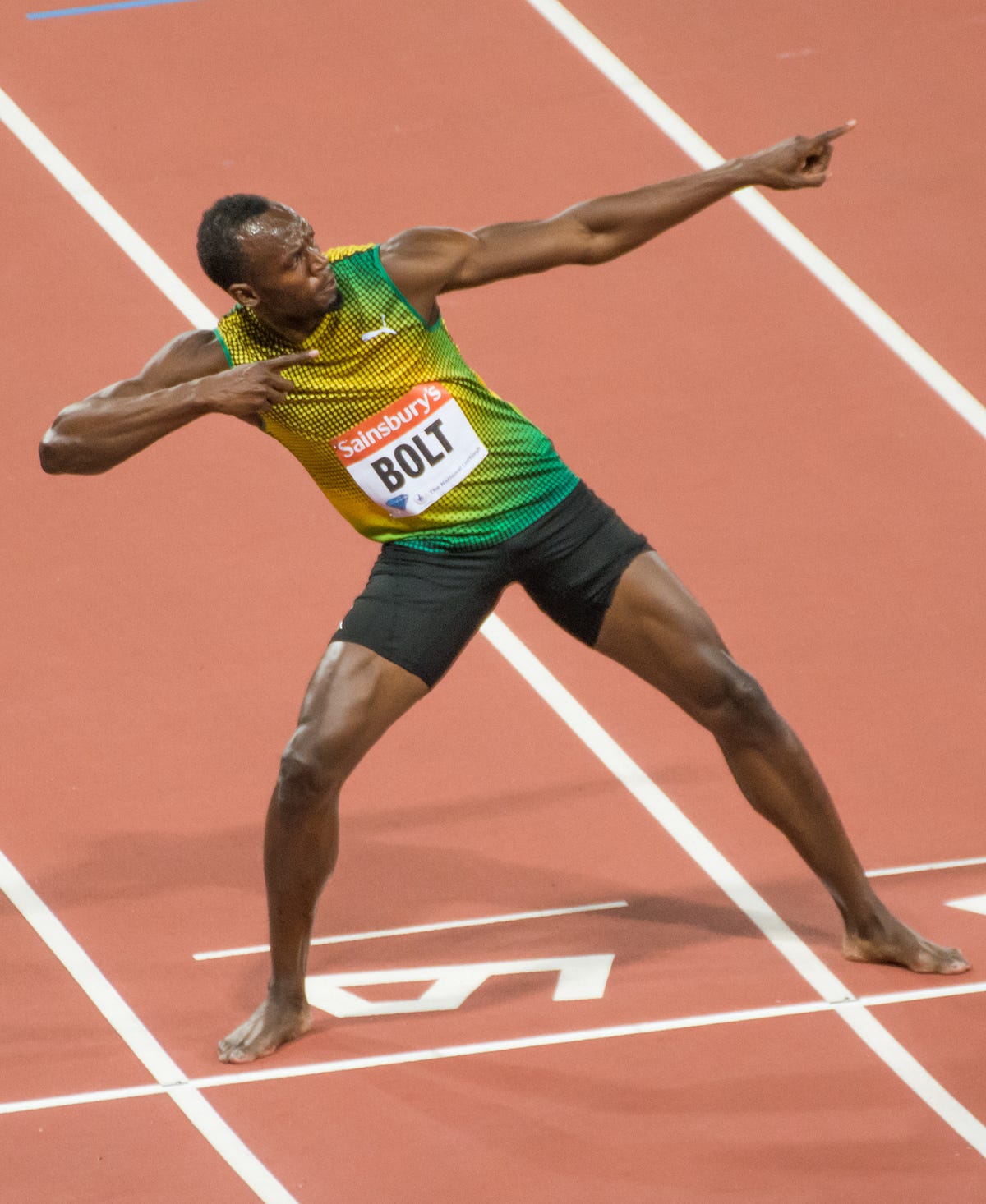
Credit: medium.com
Sprint Training Vs Weightlifting
Sprinting and weightlifting are both powerful tools for building muscle, but they work in very different ways. Understanding how each affects your muscle development can help you decide which to focus on—or how to blend them for the best results. Let’s look at how sprint training stacks up against weightlifting and what happens when you combine the two.
Differences In Muscle Development
Sprinting primarily targets fast-twitch muscle fibers, which are responsible for explosive power and speed. These fibers grow stronger and more efficient with short bursts of intense effort, which is why sprinting builds lean, defined muscle rather than bulky mass.
Weightlifting, on the other hand, often focuses on hypertrophy—muscle size increase—by applying continuous tension through controlled movements. This stresses the muscles in a way that causes them to grow bigger and stronger over time.
Think about it this way: sprinting sculpts your muscles for speed and quick recovery, while weightlifting builds muscle size and raw strength. Which type of muscle do you want to prioritize?
Combining Sprinting And Strength Training
Blending sprint training with weightlifting can give you the best of both worlds. Sprinting boosts your cardiovascular fitness and fast-twitch muscle power, while weightlifting adds size and overall strength.
To avoid overtraining, schedule sprint sessions and weightlifting on separate days or focus on different muscle groups. For example, sprint hard on Monday and Thursday, then hit the weights on Tuesday and Friday.
Many athletes find this combination improves their performance across the board. Have you tried mixing sprint drills with a solid strength routine? You might be surprised by how well your muscles respond.
Benefits Of Sprinting For Muscle Tone
Sprinting offers more than just a quick burst of speed—it actively shapes your muscles, helping you achieve a toned and defined look. Unlike long-distance running, sprinting targets fast-twitch muscle fibers, which are responsible for muscle growth and power. This means you can build strength and sculpt your body without lifting heavy weights.
Improving Muscle Definition
Sprinting forces your muscles to contract quickly and powerfully, which helps increase muscle size and sharpness. The intense effort burns fat while building lean muscle, making your muscles stand out more clearly. If you’ve ever felt your legs tighten and shape up after a few sprint sessions, that’s your muscle definition improving.
Try adding short sprints to your routine and notice how your calves, quads, and glutes begin to show more tone. You don’t need hours of gym time; just a few explosive runs can make a visible difference.
Enhancing Muscle Endurance
Sprinting isn’t just about strength; it also boosts how long your muscles can work before getting tired. Regular sprint training teaches your muscles to recover faster between bursts of effort, so you can push harder and longer. This endurance translates into better performance in other workouts and daily activities.
Think about how sprinting made your legs feel less fatigued during that next hike or stair climb. That’s muscle endurance at work. Adding sprint intervals to your routine can help you keep up your energy throughout the day.
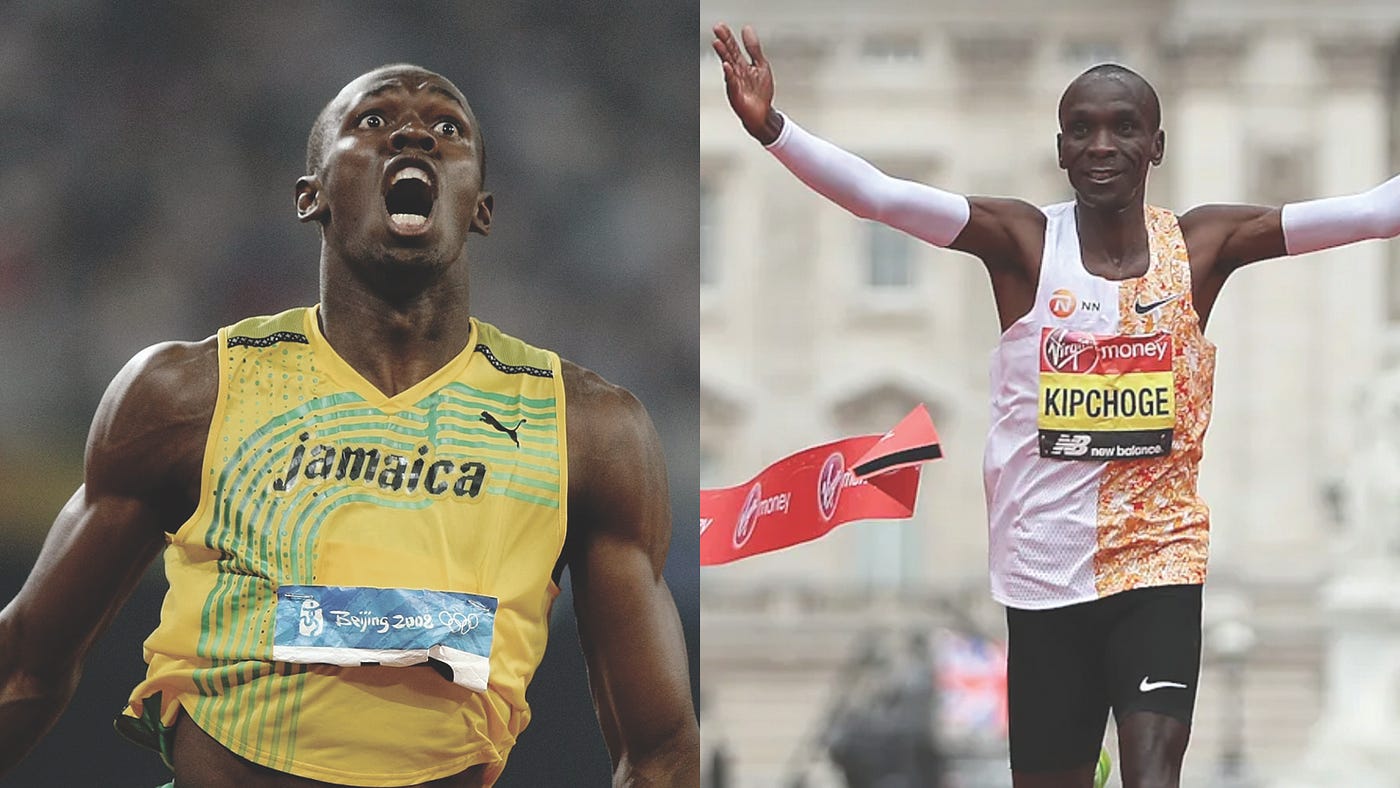
Credit: medium.com
Sprint Workouts That Promote Muscle Gain
Sprinting is a powerful way to build muscle if done correctly. Certain sprint workouts trigger muscle growth by challenging your fast-twitch muscle fibers. These fibers respond best to explosive, high-intensity efforts. Sprint workouts that focus on intensity and resistance can promote muscle gain effectively. Below are two types of sprint workouts that help build muscle while improving speed and endurance.
High-intensity Interval Training (hiit)
HIIT uses short bursts of sprinting followed by rest or light activity. This pattern keeps your muscles working hard and recovering quickly. The intense effort during sprints activates muscle fibers responsible for strength and size.
Example HIIT sprint workout:
- Sprint for 20 seconds at maximum effort
- Walk or jog for 40 seconds to recover
- Repeat for 8 to 10 rounds
This workout improves muscle tone and cardiovascular fitness. It also boosts metabolism, helping with fat loss and muscle definition.
Hill Sprints And Resistance Sprinting
Running uphill or with added resistance increases muscle activation. The extra effort builds strength in your legs and glutes. Hill sprints target muscles more than flat sprints because of the incline.
Try sprinting up a hill for 10-15 seconds, then walk down slowly. Repeat 6 to 8 times. Another option is using a weighted sled or resistance bands for sprinting on flat ground.
These methods increase muscle workload and promote growth. They also improve power and running mechanics.
Common Misconceptions About Sprinting And Muscle
Sprinting often sparks many myths about its effects on muscles. Some believe sprinting leads to bulky muscles or causes muscle loss. These ideas can confuse people about the real benefits of sprinting. Clarifying these myths helps understand how sprinting truly affects muscle growth and maintenance.
Sprinting Causes Bulkiness Myth
Many think sprinting makes muscles overly large and bulky. Sprinting builds lean muscle, not bulk. It focuses on fast, powerful movements that strengthen muscles without adding excessive size. Bulkiness usually comes from heavy weightlifting and specific diet plans. Sprinting helps tone muscles and improve muscle definition instead.
Muscle Loss Concerns
Some worry sprinting might cause muscle loss. Sprinting is a high-intensity exercise that actually helps preserve muscle mass. It boosts metabolism and supports muscle recovery. Muscle loss typically happens from lack of exercise or poor nutrition. Sprinting combined with good nutrition protects and builds muscles effectively.

Credit: www.reddit.com
Nutrition And Recovery For Sprint-induced Muscle Growth
Sprinting challenges your muscles in unique ways, demanding more than just intense effort on the track. What you eat and how you recover play crucial roles in helping your muscles grow and adapt. Without the right nutrition and rest, your sprint workouts might not translate into the muscle gains you’re aiming for.
Protein Intake Needs
Protein acts as the building block for muscle repair and growth. After sprinting, your muscles undergo tiny tears that need fixing, and protein provides the materials for this process.
Try to consume around 1.2 to 2.0 grams of protein per kilogram of your body weight daily. For example, if you weigh 70 kg (about 154 pounds), aim for 84 to 140 grams of protein throughout the day.
- Include lean meats like chicken or turkey.
- Add plant-based options such as lentils, beans, and tofu.
- Consider whey or plant-based protein shakes after workouts for quick absorption.
Have you noticed how skipping protein after a tough sprint session affects your energy and recovery? Paying attention to this can make a big difference.
Rest And Muscle Repair
Muscle growth happens when you rest, not while you sprint. Your body needs time to repair damaged fibers and build stronger ones.
Aim for at least 7-9 hours of quality sleep each night. Sleep supports hormone production like growth hormone and testosterone, which are essential for muscle repair.
Don’t ignore the importance of active recovery days. Light activities like walking or stretching help blood flow and reduce soreness without stressing your muscles.
Have you tried adjusting your rest days and noticed improved muscle strength or faster recovery? Listening to your body’s signals is key.
Frequently Asked Questions
Can Sprinting Effectively Build Muscle?
Yes, sprinting can effectively build muscle, especially in the legs and glutes. The high-intensity nature of sprinting engages fast-twitch muscle fibers, promoting muscle growth. Consistent sprinting, combined with proper nutrition and rest, can enhance muscle development and overall strength.
How Does Sprinting Compare To Weightlifting For Muscle Growth?
Sprinting primarily targets lower body muscles and enhances cardiovascular fitness. Weightlifting focuses on specific muscles and allows for targeted growth. While sprinting builds explosive strength and endurance, weightlifting offers more control over muscle development and hypertrophy. Combining both can provide balanced muscle growth and overall fitness.
Which Muscles Are Targeted By Sprinting?
Sprinting primarily targets the quadriceps, hamstrings, glutes, and calves. It also engages core muscles for stability and balance. The explosive nature of sprinting activates fast-twitch fibers, contributing to muscle growth and strength development in these areas.
How Often Should I Sprint To Build Muscle?
For muscle building, sprinting two to three times per week is effective. This frequency allows for adequate recovery while maximizing muscle engagement. Ensure to include rest days and vary intensity to prevent overtraining and promote optimal muscle growth.
Conclusion
Sprinting helps build muscle, especially in your legs and glutes. It strengthens fast-twitch muscle fibers, which grow with quick, intense effort. Sprinting also improves your overall fitness and burns fat. You can add sprinting to your routine for lean muscle gain.
Combine it with strength training for better results. Remember to rest well and eat enough protein. Sprinting is a simple, effective way to boost muscle and health together. Give it a try and see how your body changes.







