
Have you ever reached for a Diet Mountain Dew and wondered, “Does this have caffeine?” You’re not alone. Whether you’re trying to cut back on caffeine or just curious about what’s in your drink, knowing the truth can help you make better choices.
You’ll discover exactly how much caffeine is in Diet Mountain Dew and what that means for your energy and health. Keep reading—you might be surprised by what you learn.
Diet Mountain Dew Ingredients
Understanding the ingredients of Diet Mountain Dew is crucial if you want to know what you’re really consuming. This popular soda is crafted to deliver flavor without the calories of regular soda. But what exactly goes into it? Let’s break down the main components and highlight the role caffeine plays.
Key Components
Diet Mountain Dew contains several ingredients that work together to create its unique taste and texture. Here are the main ones:
- Carbonated Water:The base of most sodas, providing the fizzy sensation you enjoy.
- Artificial Sweeteners:Typically aspartame and acesulfame potassium, which give the sweetness without adding calories.
- Citric Acid:Adds a tangy flavor that balances the sweetness.
- Natural Flavors:A blend of citrus and other flavorings that define the signature taste.
- Preservatives:Ingredients like potassium benzoate keep the drink fresh for longer.
- Coloring Agents:Usually Yellow 5, which gives the drink its bright appearance.
These ingredients create a drink that tastes lively and crisp without the sugar load. The artificial sweeteners are especially important if you’re watching your calorie intake but still want that familiar soda flavor.
Role Of Caffeine
Yes, Diet Mountain Dew does contain caffeine. It’s one of the key reasons many people reach for it, especially if they need a quick energy boost.
The caffeine content in Diet Mountain Dew is about 54 mg per 12-ounce can, which is higher than many other diet sodas. This amount can help improve alertness and concentration, but it’s also something to monitor if you’re sensitive to caffeine.
Have you ever noticed how your energy feels after a can? That’s the caffeine working. If you’re trying to cut back, knowing this helps you make smarter choices about when and how much to drink.
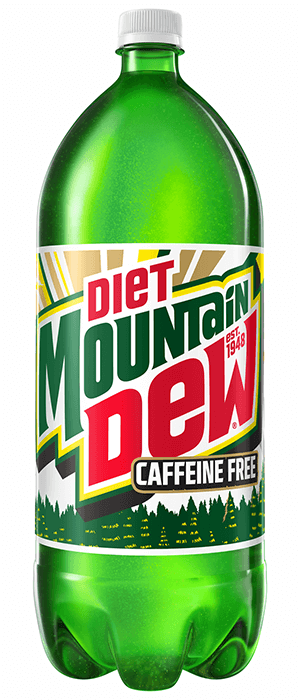
Credit: www.pepsicoproductfacts.com
Caffeine Content In Diet Mountain Dew
Diet Mountain Dew contains caffeine, which helps boost energy and alertness. Many people choose it as a low-calorie alternative to regular soda but wonder about its caffeine level. Understanding the caffeine content in Diet Mountain Dew is important for managing daily intake.
Amount Per Serving
A standard 12-ounce (355 ml) can of Diet Mountain Dew contains about 54 milligrams of caffeine. This amount provides a moderate caffeine boost similar to a cup of black tea. It is enough to increase focus without causing strong jitters for most people.
The caffeine is evenly mixed in the soda, so every sip delivers a consistent amount. This helps consumers control how much caffeine they consume throughout the day.
Comparison With Regular Mountain Dew
Regular Mountain Dew also has caffeine but in a slightly higher amount. A 12-ounce can of regular Mountain Dew contains approximately 54 milligrams of caffeine, which is the same as Diet Mountain Dew.
Both versions provide similar caffeine levels, making Diet Mountain Dew a caffeine alternative with fewer calories. Those watching their calorie intake can enjoy caffeine without extra sugars.
Health Effects Of Caffeine In Diet Sodas
Caffeine is a key ingredient in many diet sodas, including Diet Mountain Dew. Its presence can affect your body in various ways, both positive and negative. Understanding these effects helps you make smarter choices about your consumption.
Potential Benefits
Caffeine can boost your alertness and improve focus, which many people find helpful during long workdays or study sessions. It can also temporarily increase your metabolism, aiding in calorie burning.
Some studies suggest that moderate caffeine intake might lower the risk of certain diseases like Parkinson’s and Alzheimer’s. Have you noticed how a small amount of caffeine can brighten your mood or help you power through a tough afternoon?
Possible Risks
Too much caffeine can cause jitters, anxiety, or trouble sleeping. If you drink several diet sodas a day, these effects could become more pronounced.
High caffeine intake might also raise your heart rate or blood pressure. For some, it can lead to headaches or digestive discomfort.
Think about your own caffeine limits. Do you feel better or worse after a diet soda? Listening to your body is key to balancing benefits and risks.
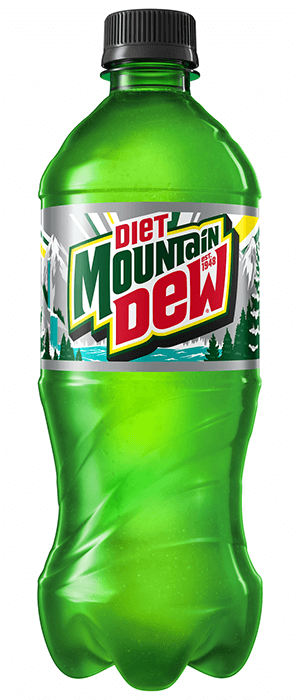
Credit: www.pepsicoproductfacts.com
Alternatives To Diet Mountain Dew
If you’re looking to cut back on caffeine or just want to try something different from Diet Mountain Dew, there are plenty of alternatives to consider. Whether you want to avoid caffeine completely or just reduce your calorie intake, the options can fit your lifestyle and taste preferences.
Caffeine-free Options
Choosing caffeine-free drinks can help you avoid jitters and improve sleep quality. Sparkling water with a splash of natural fruit juice offers a refreshing taste without any caffeine or added sugars.
Herbal teas, like chamomile or peppermint, provide soothing flavors and zero caffeine. They can be enjoyed hot or iced, making them versatile for any time of day.
- Fruit-infused water for natural sweetness
- Decaffeinated green or black tea for a mild flavor
- Caffeine-free sodas like certain root beers or cream sodas
Do you know how your body reacts when you cut out caffeine entirely? Some people find they feel more balanced and less anxious.
Other Low-calorie Drinks
If you still want a bit of caffeine but want to keep calories low, there are plenty of options beyond Diet Mountain Dew. Black coffee, for instance, has almost no calories and can provide a strong caffeine boost.
Many brands now offer flavored sparkling waters with caffeine, combining taste and energy without the sugar crash. Just check the label to avoid hidden sugars or artificial ingredients.
| Drink | Caffeine Content | Calories | Flavor Options |
|---|---|---|---|
| Black Coffee | 95 mg per 8 oz | 2 | Plain, vanilla, hazelnut |
| Caffeinated Sparkling Water | 30-50 mg per can | 0-5 | Berry, citrus, tropical |
| Green Tea (unsweetened) | 25-35 mg per cup | 2 | Matcha, jasmine, lemon |
How do you balance your need for energy with your health goals? Trying different low-calorie, caffeinated drinks can help you find your perfect fit.
How To Manage Caffeine Intake
Managing caffeine intake is important for maintaining good health and avoiding unwanted side effects. Knowing how much caffeine you consume each day helps prevent jitters, insomnia, and headaches. Careful tracking can keep your energy steady and your mind clear.
Understanding your caffeine limits and checking product labels are key steps. These practices help you enjoy drinks like Diet Mountain Dew without overdoing it. Here are some useful tips to manage caffeine intake effectively.
Daily Limits
Most adults can safely consume up to 400 mg of caffeine daily. This equals about four cups of brewed coffee. Children and pregnant women should aim for much less. Staying within these limits reduces risks like anxiety and heart palpitations.
Listen to your body. If caffeine causes discomfort, cut back. Everyone reacts differently to caffeine amounts.
Reading Labels
Check the caffeine content on beverage labels before drinking. Diet Mountain Dew contains caffeine, but the amount varies by serving size. Labels help you track exact intake and avoid surprises.
Look for terms like “caffeine,” “guarana,” or “energy blend.” These indicate caffeine presence. Some drinks hide caffeine under different names. Reading labels carefully ensures you know what you consume.

Credit: www.pepsicopartners.com
Frequently Asked Questions
Does Diet Mountain Dew Contain Caffeine?
Yes, Diet Mountain Dew contains caffeine. It has about 54 mg of caffeine per 12 fl oz can. This is similar to regular Mountain Dew but slightly less than a cup of coffee.
How Much Caffeine Is In Diet Mountain Dew?
Diet Mountain Dew has approximately 54 mg of caffeine per 12-ounce serving. This amount provides a moderate caffeine boost, suitable for those looking for a soda with caffeine but less than coffee.
Is Diet Mountain Dew Caffeine-free?
No, Diet Mountain Dew is not caffeine-free. It contains caffeine to offer a mild stimulant effect, making it different from caffeine-free sodas or beverages.
How Does Diet Mountain Dew Caffeine Compare To Regular Soda?
Diet Mountain Dew has more caffeine than many regular sodas like cola. Its caffeine content is higher, providing a stronger energy lift compared to caffeine levels in typical sodas.
Conclusion
Diet Mountain Dew does contain caffeine, but in smaller amounts. It offers a lighter caffeine boost than regular sodas. People choose it to enjoy flavor without extra calories. Knowing the caffeine content helps make better drink choices. Always check labels to stay informed about what you consume.
Balance your drinks with water for good health. Simple awareness leads to smarter habits every day.







