
Have you ever wondered if cycling could be your ticket to stronger, more defined muscles? Maybe you’ve seen cyclists with impressive legs and thought, “Could that be me?”
You’re not alone. Many people are curious about the muscle-building potential of this popular sport. Whether you’re a casual rider or considering adding cycling to your fitness routine, understanding its impact on your muscles can be a game-changer. We’ll dive into the nitty-gritty of how cycling affects your muscle development.
By the end, you’ll have a clear picture of whether pedaling those miles can help you achieve the muscle tone you desire. Ready to find out if cycling is your secret weapon for building muscle? Let’s get started!
Muscle Groups Targeted By Cycling
Cycling targets several important muscle groups throughout the body. It is a low-impact exercise that helps build strength and endurance. Many muscles work together to keep you moving efficiently on the bike.
Leg Muscles And Their Role
The legs provide the main power for cycling. The quadriceps at the front of the thigh push the pedal down. The hamstrings at the back of the thigh pull the pedal up. The calves help with the smooth pedal motion. Strong leg muscles improve speed and stamina.
Core Engagement During Rides
The core muscles keep your body stable while cycling. This includes the abs and lower back muscles. A strong core helps maintain good posture on the bike. It also reduces the risk of injury and fatigue. Core strength supports better control and balance.
Upper Body Involvement
The upper body works to steer and support your weight. The shoulders and arms hold the handlebars steady. The chest and back muscles assist in maintaining posture. While cycling uses the upper body less, it still plays a key role. Regular riding tones these muscles over time.

Credit: www.bicycling.com
How Cycling Affects Muscle Growth
Cycling can definitely influence muscle growth, but how it does depends on several factors. Your muscles respond differently based on the type of cycling you do and how hard you push yourself. Understanding these details helps you tailor your rides to meet your muscle-building goals.
Endurance Vs. Strength Training
Endurance cycling focuses on long rides at a steady pace, which mainly improves your muscle stamina rather than size. It helps your muscles use oxygen more efficiently but doesn’t create much muscle bulk. If you want bigger muscles, you need to add strength-focused efforts like sprinting or resistance workouts alongside regular cycling.
Think about your last long bike ride—did you feel your muscles getting tired but not really growing? That’s endurance training at work, building resilience rather than muscle mass.
Impact Of Intensity And Duration
High-intensity cycling, such as sprint intervals, stimulates muscle fibers more than slow, long rides. Short bursts of intense effort cause tiny muscle tears, which then repair and grow stronger. On the other hand, long-duration rides burn calories and improve cardiovascular fitness but don’t stress muscles enough for significant growth.
Try mixing short sprints into your rides and notice how your legs feel the next day. That’s your muscles responding to increased demand.
Role Of Resistance And Hills
Adding hills or resistance to your cycling forces your muscles to work harder. Climbing steep slopes activates more muscle fibers, particularly in your glutes, quads, and calves. This extra effort encourages muscle strengthening and growth over time.
If your route is flat and easy, you might not see much muscle change. Challenge yourself with varied terrain or use a bike with adjustable resistance to stimulate muscle development more effectively.
Benefits Of Cycling For Muscle Tone
Cycling offers more than just a great cardio workout—it actively contributes to muscle tone in ways that many people overlook. Whether you’re pedaling up a steep hill or cruising on flat terrain, your muscles are constantly engaged. This engagement helps improve endurance, shape muscle definition, and even prevent muscle loss over time.
Improving Muscle Endurance
Cycling challenges your leg muscles to work continuously for extended periods. This steady activity boosts your muscles’ ability to sustain effort without getting tired quickly. Have you noticed how riding regularly makes climbing stairs or walking longer distances feel easier? That’s endurance improving right there.
It’s not just about the legs either; your core and lower back muscles also activate to keep your balance and posture steady. This ongoing low-impact exertion builds stamina in these muscles. So, you’re training your body to last longer in everyday tasks without feeling worn out.
Enhancing Muscle Definition
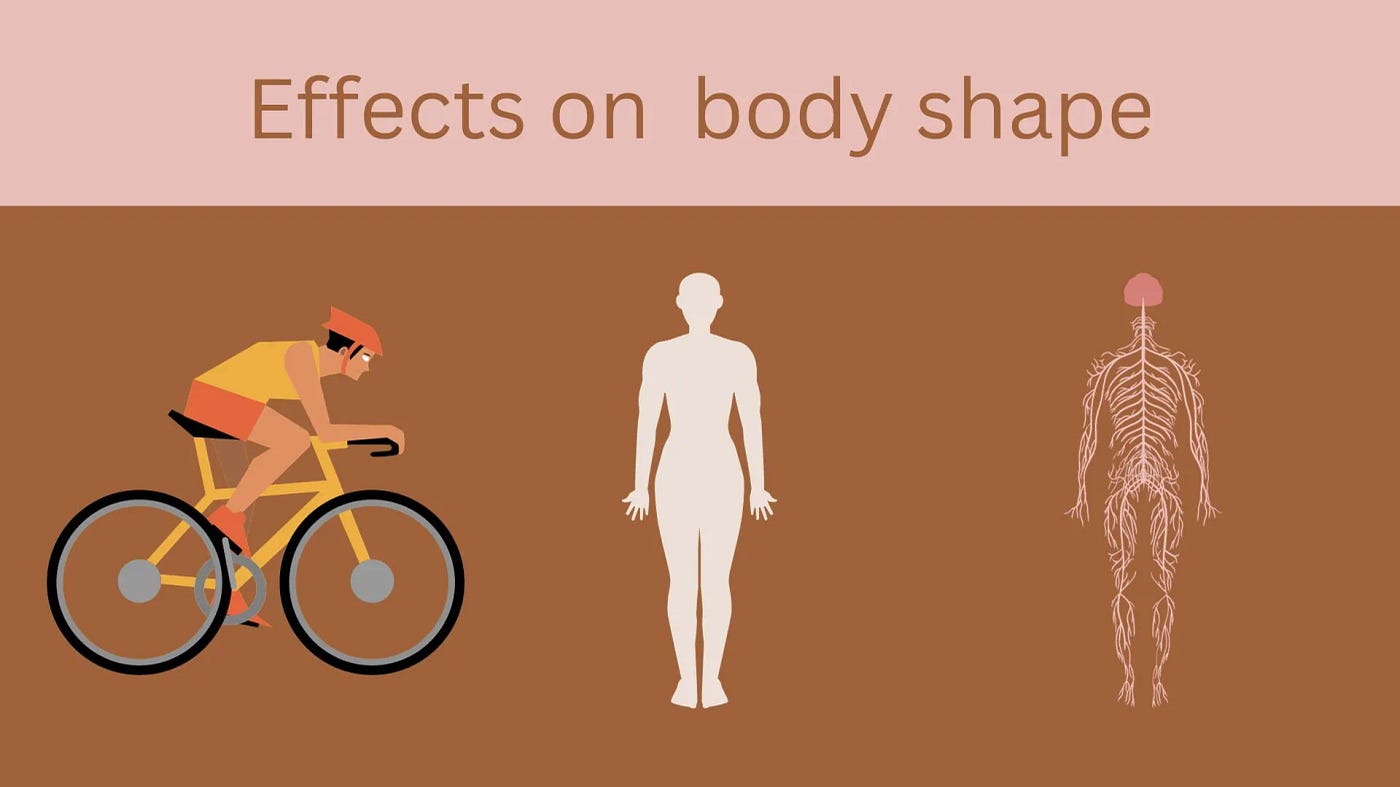
Muscle tone depends on the balance between muscle size and fat covering them. Cycling helps burn calories and reduce body fat, which reveals the muscle shape underneath. The repetitive pedaling motion focuses mainly on your quadriceps, hamstrings, calves, and glutes, gradually sculpting those areas.
Think about a cyclist’s legs—lean but strong. That’s because cycling tones muscles without making them bulky. You get a firm, sculpted look that suits people who prefer endurance over sheer muscle mass. Have you tried adjusting your cycling intensity to see changes in your muscle shape?
Preventing Muscle Loss
Muscle loss, especially as you age, can slow down your metabolism and reduce physical function. Cycling offers a way to maintain muscle mass by keeping your muscles active without heavy strain. Regular rides stimulate muscle fibers enough to signal your body to preserve muscle tissue.
Unlike high-impact workouts that might stress joints, cycling is gentle yet effective at protecting your muscles. It’s a smart choice if you want to stay strong and mobile for years to come. Could cycling be the missing piece in your routine to keep muscle loss at bay?
Credit: medium.com
Common Misconceptions About Cycling And Muscles
Cycling often gets mixed messages when it comes to muscle building. Many people wonder if hopping on a bike will bulk them up or simply tone their legs. Let’s clear up some of the common myths so you know exactly what to expect from your rides.
Cycling Does Not Cause Bulky Muscles
One big myth is that cycling will make your legs look huge and bulky. This is rarely the case because cycling mainly uses endurance-type muscle fibers. These fibers grow leaner and more efficient rather than bigger.
Think about professional cyclists—they have strong legs but rarely carry the kind of bulk seen in bodybuilders. Your muscles will become toned and defined, not oversized. So, if you’re worried about getting too bulky, cycling won’t push you in that direction.
Why Cycling Alone May Not Build Massive Muscle
Cycling is fantastic for cardiovascular health and leg endurance, but it doesn’t provide the heavy resistance needed for big muscle growth. Muscle size increases when you challenge your muscles with loads that cause tiny tears, which then repair and grow stronger.
Because cycling is mostly a repetitive, low-resistance activity, it won’t stimulate massive muscle growth. If your goal is to build significant muscle mass, you’ll need to add other forms of exercise to your routine.
Combining Cycling With Strength Training
Want the best of both worlds? Combine cycling with strength training to build muscle effectively. Adding exercises like squats, lunges, or weightlifting will target muscle growth in ways cycling can’t.
This combo can improve your cycling performance, too. Stronger muscles mean more power on the pedals and less fatigue during long rides. Have you tried pairing your bike rides with some gym sessions or bodyweight workouts?
Optimizing Muscle Building Through Cycling
Cycling can do more than just boost your endurance and burn calories; it can also help you build muscle if you approach it the right way. To truly develop muscle through cycling, you need to challenge your muscles beyond steady pedaling. Small changes in your routine can make a big difference in muscle growth and strength.
Incorporating Intervals And Sprints
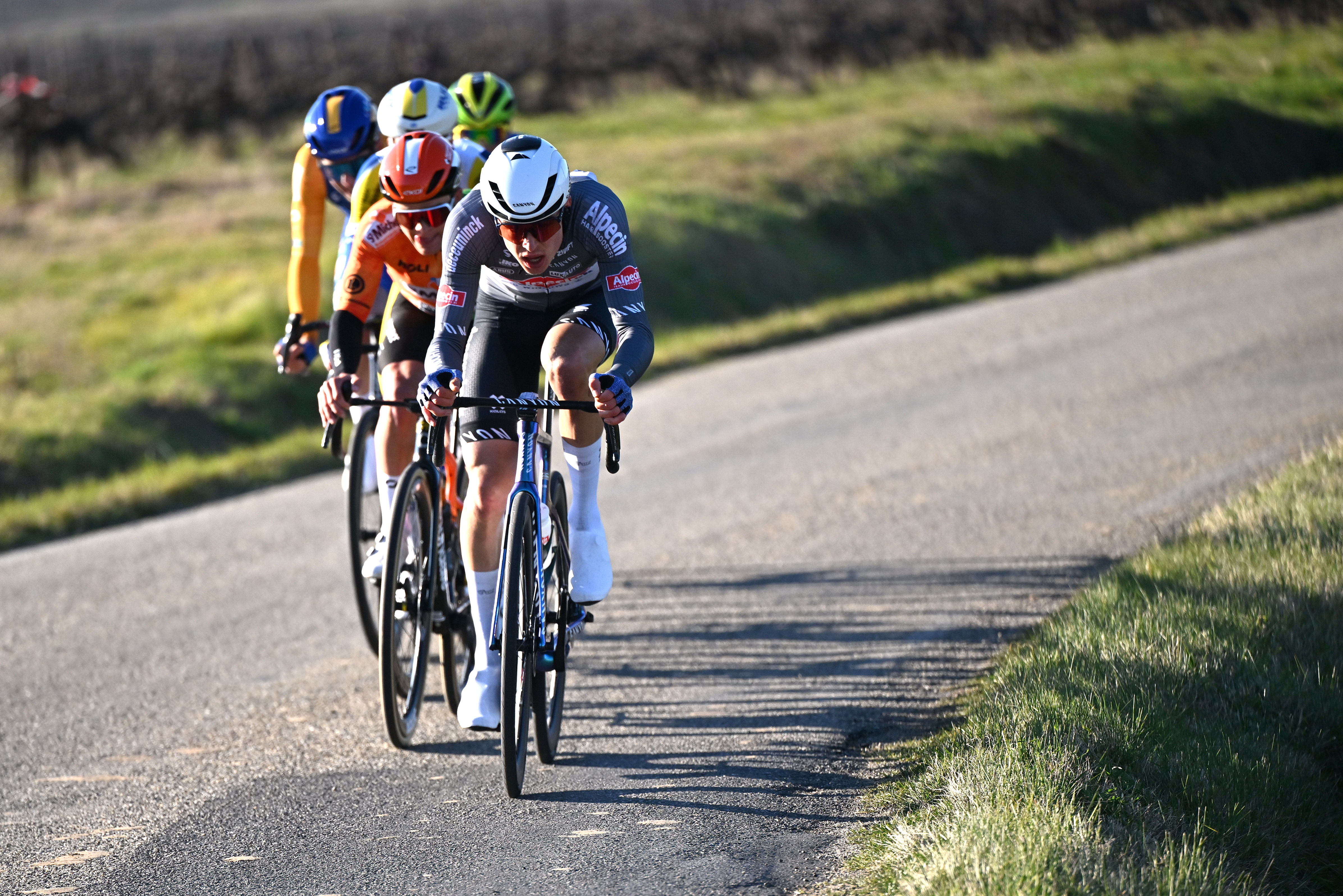
Adding bursts of high-intensity effort, such as sprints or intervals, forces your muscles to work harder. This creates micro-tears in muscle fibers, which then repair and grow stronger. Try short sprints of 20-30 seconds followed by a rest or easy pedaling for 1-2 minutes.
Have you noticed how your legs feel after a few intense sprints? That burning sensation means your muscles are being pushed to adapt. Over time, these efforts increase power and muscle size, especially in your quads, hamstrings, and calves.
Using Resistance Bikes Or Gear
Using resistance settings on stationary bikes or shifting to higher gears on a road bike adds extra load to your muscles. This resistance mimics weight training by making your legs push against more force. The increased effort improves muscle endurance and size.
When you crank up the gear, your muscles have to pull harder with every pedal stroke. This can be tough, but it’s an effective way to build strength without leaving your bike. Have you tried riding uphill or increasing resistance for a few minutes? That’s a simple way to challenge your legs even more.
Balancing Cycling With Weight Training
Cycling alone may not target all muscle groups equally, so adding weight training can fill those gaps. Strength exercises like squats, lunges, and deadlifts complement cycling by focusing on muscle groups that cycling might miss or underwork.
Think about your personal routine: do you feel your upper body or core getting enough work during cycling? Adding a few weight training sessions each week helps balance muscle development and prevents imbalances. Have you tried combining cycling days with light strength training? You might find your overall muscle tone improves faster.
Credit: www.cyclingweekly.com
Frequently Asked Questions
Does Cycling Help Build Leg Muscles?
Yes, cycling primarily strengthens leg muscles like quads, hamstrings, and calves. It tones muscles through repetitive pedaling and resistance.
Can Cycling Increase Muscle Mass?
Cycling improves muscle endurance and tone but builds limited muscle mass. For bulkier muscles, strength training is more effective.
How Often Should I Cycle To Build Muscle?
Cycling 3-5 times a week with varied intensity helps muscle growth. Consistency and progressive resistance are key to results.
Does Cycling Build Upper Body Muscles?
Cycling mainly targets lower body; upper body muscles get minimal workout. Additional strength exercises are needed for upper body muscle growth.
Conclusion
Cycling helps build muscle, especially in your legs and lower body. It strengthens muscles through repeated pedaling motion. You can see muscle tone improve with regular rides. Cycling also boosts endurance and burns fat, shaping your body. Combining cycling with strength training speeds muscle growth.
Consistency matters most for lasting results. Enjoy cycling and watch your muscles grow step by step. Simple, fun, and effective exercise for muscle health.







