
Are you curious if cycling can sculpt those legs into a masterpiece of muscle and strength? You’re not alone.
Many fitness enthusiasts wonder whether hopping on a bike can truly transform leg muscles. The answer might surprise you. Imagine pedaling your way to toned and powerful legs without even realizing it. Intrigued? By the end of this article, you’ll discover how cycling can be your secret weapon for building leg muscle.
Dive in to uncover the science, benefits, and tips that could revolutionize your workouts and redefine your leg day. Don’t let another day pass by without knowing how your bike can be your ultimate fitness ally.
Credit: medium.com
How Biking Engages Leg Muscles
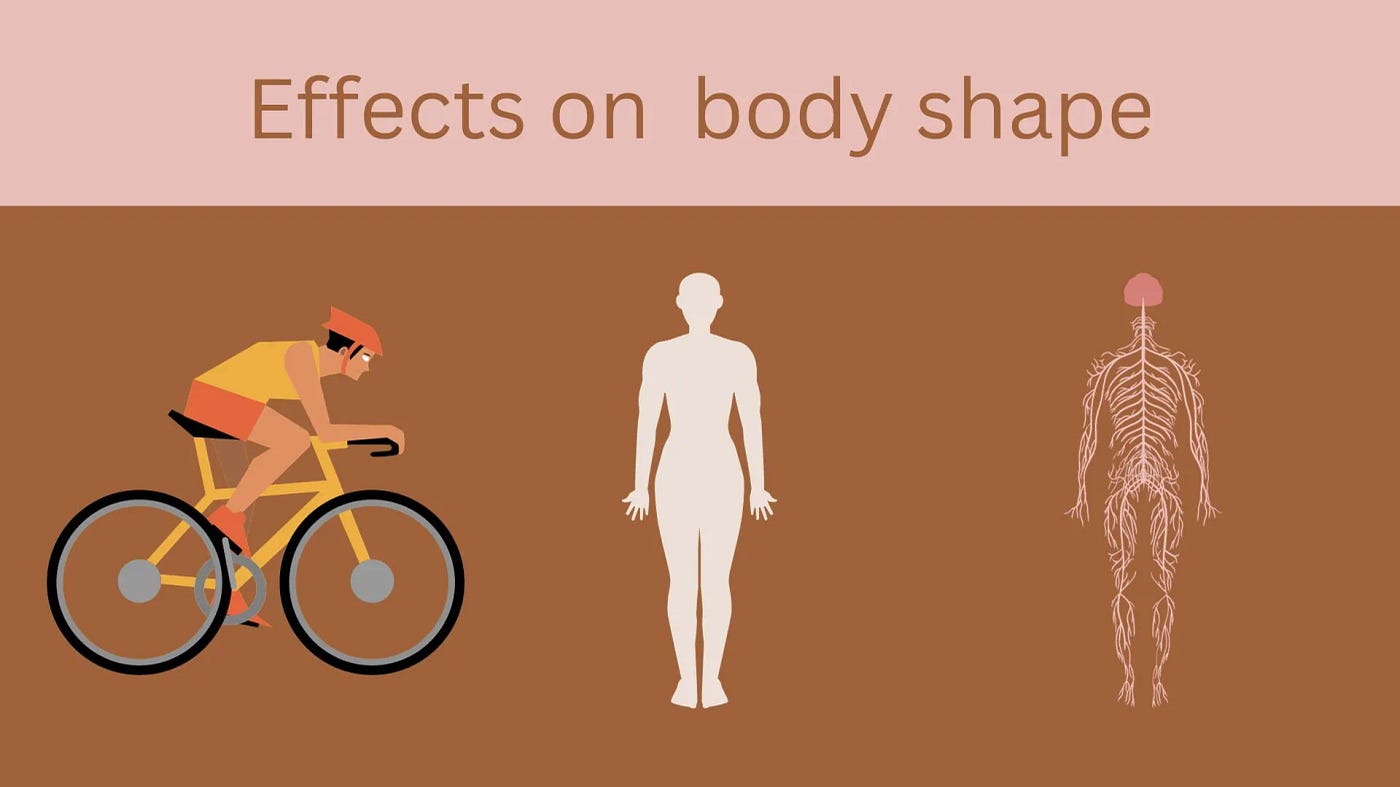
Biking is an excellent exercise that targets various leg muscles. The repetitive motion of pedaling activates different muscle groups. This activity builds strength, endurance, and tone in your legs. Understanding how biking engages these muscles helps improve your workout and results.
Primary Muscles Worked
Biking mainly works four key muscles in your legs:
- Quadriceps:Located at the front of your thighs, these muscles push the pedals down.
- Hamstrings:Found at the back of your thighs, they help pull the pedals up.
- Glutes:Your butt muscles provide power during pedaling, especially when climbing.
- Calves:These muscles stabilize your ankles and assist in the pedal stroke.
Muscle Activation During Different Terrains
Flat roads require steady pedaling, mainly engaging the quadriceps and calves. Uphill climbs demand more power, activating glutes and hamstrings intensely. Downhill riding uses less leg force but still involves muscle control for balance. Changing terrain helps develop overall leg strength by targeting muscles differently.
Role Of Pedaling Techniques
Proper pedaling technique maximizes muscle use and reduces fatigue. Circular pedaling activates muscles evenly through the pedal stroke. Pushing down works the quadriceps, while pulling up engages hamstrings. Adjusting foot position can also change muscle focus. Smooth pedaling improves endurance and muscle growth.
Muscle Growth From Cycling
Cycling can help build leg muscles by working different muscle fibers. The growth depends on the type of cycling and how hard you push yourself. Muscle size increases when you challenge your muscles enough to adapt and grow stronger.
Types Of Muscle Fibers Targeted
Cycling mainly works two types of muscle fibers in your legs:
- Slow-twitch fibers:These fibers help with endurance and long rides. They do not grow much but improve stamina.
- Fast-twitch fibers:These fibers are responsible for power and speed. They grow larger with intense cycling, like sprints or hill climbs.
Different cycling styles target these fibers differently, affecting muscle growth.
Impact Of Cycling Intensity
Higher intensity cycling causes more muscle growth. Sprinting and hill climbs force your muscles to work harder. This effort leads to micro-tears in muscle fibers, which repair and grow bigger.
Light cycling mainly improves endurance and burns calories but builds less muscle. To grow leg muscles, push your effort during rides.
Effects Of Duration And Frequency
Long rides improve muscle endurance but may not increase size much. Short, frequent sessions with high effort promote muscle growth better.
Consistency is key. Cycling regularly helps muscles adapt and grow over time. Rest days also allow muscles to recover and get stronger.
Comparing Cycling To Other Leg Workouts
Comparing cycling to other leg workouts helps understand its benefits and limits. Each exercise shapes leg muscles differently. Knowing these differences guides better workout choices.
Cycling Vs. Weightlifting
Cycling uses repetitive motion with low resistance. It builds endurance and tones muscles. Weightlifting targets muscles with high resistance. It grows muscle size and strength faster.
Cycling strengthens calves, quads, and hamstrings gently. Weightlifting isolates muscles using squats or leg presses. Weightlifting creates more muscle mass but may stress joints.
Cycling Vs. Running
Both improve leg muscles and cardiovascular health. Running uses impact, which strengthens bones and muscles differently. Cycling is low-impact, easier on knees and joints.
Running works more on calves and shins. Cycling focuses on quads and hamstrings more. Running burns calories faster but can cause more joint strain.
Complementary Exercises For Leg Strength
Combine cycling with these exercises for balanced leg muscles:
- Squats – build strong quads and glutes
- Lunges – improve balance and target multiple leg muscles
- Calf raises – strengthen lower legs
- Leg presses – add resistance for muscle growth
Adding these exercises improves muscle strength and prevents injury. Cycling alone may not fully develop muscle size or power.
Credit: www.cyclingweekly.com
Benefits Beyond Muscle Building
Cycling offers more than just building leg muscle. It supports your overall physical health in several meaningful ways. These benefits can improve your daily life and keep you moving comfortably for years to come.
Improved Endurance And Stamina
Regular cycling challenges your heart and lungs, helping them become more efficient. This means you can do activities longer without feeling tired. Have you noticed how even a short bike ride can boost your energy for the rest of the day?
Building endurance through cycling also helps your muscles perform better over time. Instead of just getting stronger, your legs learn to sustain effort for longer periods. This can make walking up stairs or playing with your kids feel easier.
Enhanced Joint Mobility
Cycling is a low-impact exercise that puts minimal stress on your joints. This gentle movement helps keep your knees, hips, and ankles flexible. If you’ve struggled with stiff joints, adding cycling might bring noticeable relief.
Keeping joints mobile reduces stiffness and improves your range of motion. You may find that simple tasks like bending down or reaching become smoother. Could this be the exercise that fits your joint health needs?
Reduced Risk Of Injury
Strong muscles and flexible joints protect you from common injuries. Cycling builds balanced strength in your legs, which supports your knees and hips. When these areas are stable, you’re less likely to suffer strains or falls.
Additionally, cycling improves your coordination and balance. This helps prevent accidents both on and off the bike. What if cycling became your secret weapon to staying injury-free?
Optimizing Your Ride For Muscle Gain
Optimizing your ride for muscle gain is more than just pedaling harder or longer. It requires thoughtful adjustments to your bike setup, workout style, and nutrition. These factors work together to help your legs grow stronger and more muscular.
Choosing The Right Bike Setup
Your bike setup affects how much your leg muscles work during rides. A saddle that is too low or too high can reduce power and cause discomfort.
Adjust your seat height so your leg is almost fully extended at the bottom of the pedal stroke. This encourages maximum muscle engagement.
Also, consider using clipless pedals to improve pedal efficiency. This lets you push and pull, engaging more muscle fibers in your legs.
Incorporating Interval Training
Steady riding builds endurance but may not stimulate significant muscle growth. Adding short bursts of high-intensity intervals can activate your fast-twitch muscle fibers.
Try sprinting for 20-30 seconds, then recover with easy pedaling for 1-2 minutes. Repeat this 5-8 times in one session.
This type of training challenges your muscles to adapt and grow stronger over time. How often do you push yourself beyond a comfortable pace?
Nutrition Tips For Muscle Recovery
Your muscles need fuel to rebuild and grow after rides. Eating protein within 30 minutes to an hour post-ride helps repair muscle fibers.
Include sources like lean meats, eggs, or plant-based proteins. Don’t forget carbohydrates—they refill your energy stores so you can perform well on your next ride.
Hydration also plays a role. Drinking enough water supports nutrient delivery to your muscles and speeds up recovery.
Credit: sportsadvice.decathlon.sg
Frequently Asked Questions
Does Biking Help Build Stronger Leg Muscles?
Yes, biking effectively strengthens leg muscles like quads, hamstrings, and calves through repeated pedaling. It promotes muscle endurance and tone with consistent effort.
How Long Does It Take To See Leg Muscle Growth?
Visible muscle growth from biking usually appears after 6 to 8 weeks of regular, intense cycling sessions. Consistency and resistance levels affect results.
What Leg Muscles Are Targeted By Cycling?
Cycling primarily targets quadriceps, hamstrings, calves, and gluteal muscles. It provides balanced leg muscle engagement through repetitive pedaling motion.
Can Biking Alone Build Significant Muscle Mass?
Biking improves muscle tone and endurance but may not build large muscle mass alone. Combining strength training enhances muscle size.
Conclusion
Cycling helps build leg muscles by working key muscle groups. It strengthens the quadriceps, hamstrings, calves, and glutes. Regular riding improves muscle tone and endurance over time. The effort you put in affects how much your muscles grow. Riding uphill or increasing resistance boosts muscle strength more.
Cycling also supports joint health and improves overall fitness. For stronger legs, combine cycling with other exercises. Consistency matters most in building muscle through biking. Keep pedaling and enjoy the benefits of stronger legs.







