
Are you wondering if using a Stairmaster can actually help you build muscle? You might think it’s just a cardio machine, but there’s more to it than that.
If you want stronger legs, toned glutes, and a firmer lower body, understanding how the Stairmaster works is key. Keep reading to discover how this machine affects your muscles and whether it can be part of your muscle-building routine. Your fitness goals might be closer than you think.

Credit: www.roborfitness.com
How Stairmasters Work
The Stairmaster simulates the motion of climbing stairs, offering an effective cardio workout. It provides continuous stepping action that challenges your legs and cardiovascular system. This machine adjusts speed and intensity, letting users control their workout difficulty.
The steady, repetitive movement helps build endurance while engaging multiple muscle groups. Understanding how the Stairmaster works can clarify its role in muscle building and fitness.
Mechanics Of Stair Climbing
The Stairmaster creates a stepping motion similar to real stairs. You push down on pedals one step at a time, lifting your body weight. This action requires balance and strength.
Resistance settings add challenge by making it harder to push each step. The machine encourages a consistent pace, improving stamina and muscle tone over time.
Muscle Groups Targeted
The Stairmaster mainly targets lower body muscles. Key muscles worked include:
- Quadriceps – front thigh muscles that extend the knee
- Hamstrings – back thigh muscles that bend the knee
- Gluteus Maximus – the main muscle in your buttocks
- Calves – muscles in the lower leg that help with stepping
This workout also engages the core for stability and balance. While primarily a cardio machine, the Stairmaster helps tone and strengthen these muscles with regular use.
Muscle Building Potential
Stairmasters are popular for cardio workouts, but how effective are they at building muscle? The muscle building potential of this machine depends on how much it activates your muscles and whether it challenges them enough to grow. Understanding this can help you decide if a Stairmaster fits your strength goals or if you need to add other exercises.
Muscle Activation Levels
The Stairmaster primarily targets your glutes, quads, hamstrings, and calves. Muscle activation studies show that these muscles work hard to lift your body weight with each step. However, the resistance level is usually lower than what you’d experience with weight training.
From personal experience, increasing the machine’s resistance can make a noticeable difference. You’ll feel your leg muscles working harder, which could contribute to muscle endurance and slight growth over time. Still, the focus remains more on cardio and stamina than significant muscle building.
Comparison To Other Cardio Machines
Compared to treadmills or ellipticals, the Stairmaster requires more effort from your lower body muscles. Unlike cycling machines, it also engages your glutes and hamstrings more intensely. This makes it better for muscle activation during cardio sessions.
Yet, if your goal is muscle growth, machines like rowing ergometers or weighted step machines might offer more resistance. These options demand greater force, encouraging muscle hypertrophy alongside cardio benefits. What kind of muscle results do you expect from your workouts? This question can guide your machine choice and training style.
Benefits For Toning
The Stairmaster offers many benefits for toning your body. It targets key muscle groups while helping reduce fat. This makes it a popular choice for those aiming to improve muscle shape and definition. Using the Stairmaster regularly can change your body’s appearance by building lean muscle and burning calories.
Fat Loss And Muscle Definition
The Stairmaster burns a high number of calories in a short time. This helps reduce body fat, which reveals muscle definition. It works your legs, glutes, and core muscles with every step. These muscles become firmer and more toned as fat around them decreases. The steady motion helps create a leaner look without adding bulk.
Improving Endurance And Strength
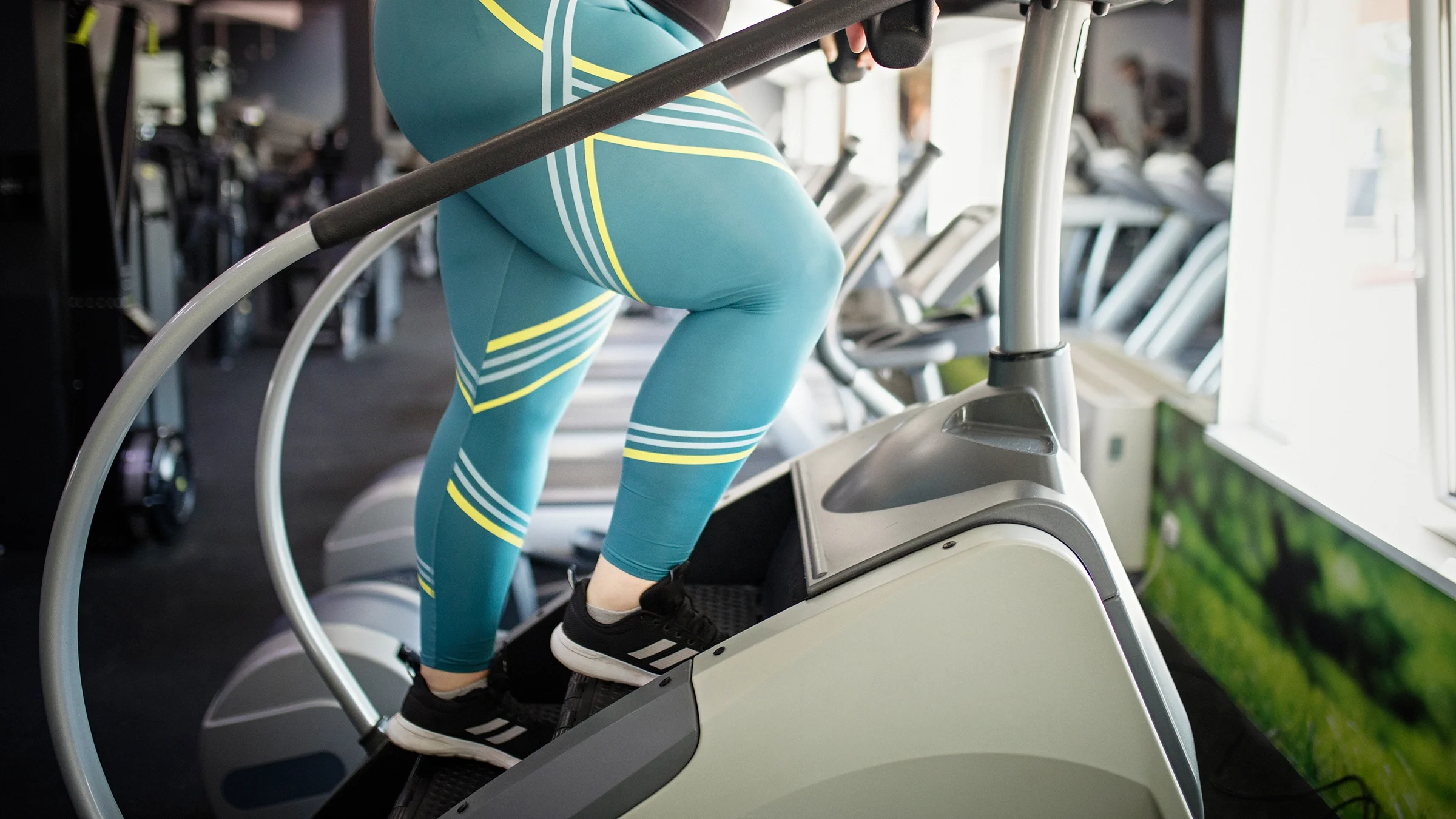
Climbing stairs builds endurance by challenging your heart and lungs. Stronger muscles help you climb longer and faster. Over time, your legs become more powerful and less tired during exercise. This strength supports better balance and mobility in daily life. The Stairmaster also improves muscle tone by making your muscles work hard every session.
Credit: www.goodrx.com
Workout Tips For Muscle Gain
Building muscle on a Stairmaster requires more than just stepping. Smart workout tips can boost muscle gain and improve results. Focus on techniques that challenge your muscles and make them work harder. Small changes in your routine can lead to better strength and muscle growth.
Increasing Resistance And Intensity
Raising resistance on the Stairmaster makes your muscles push harder. It targets your legs, glutes, and calves more effectively. Start with a moderate level and increase as you feel stronger. Higher resistance forces muscles to contract more, aiding growth.
Adjust intensity by stepping faster or adding longer sessions. Keep your posture tight to engage core muscles too. Avoid rushing; controlled steps build muscle better than quick, shallow movements.
Interval Training On Stairmasters
Use intervals to mix high effort with rest periods. Try 30 seconds of fast stepping, then 30 seconds slow. This pattern repeats several times to challenge muscles differently.
Intervals increase calorie burn and muscle engagement. They prevent workout boredom and push muscle fibers to adapt. Change interval lengths to keep muscles guessing and growing.
Combining Stairmasters With Strength Training
Using a Stairmaster can seriously boost your cardiovascular fitness and endurance. But if your goal is to build muscle, pairing this cardio tool with strength training is key. This combo can help you sculpt lean muscles while keeping your heart healthy.
Balanced Exercise Routine
Relying only on the Stairmaster might tone your legs, but it won’t maximize muscle growth. You need to add resistance exercises targeting major muscle groups like squats, lunges, deadlifts, and upper body moves.
Try alternating days: Stairmaster sessions for cardio and endurance, strength training days for muscle development. This gives your muscles time to recover and grow stronger.
Ask yourself, how often do you challenge your muscles with weights? Mixing both can prevent plateaus and keep your workouts fresh.
Nutrition For Muscle Growth
Muscle building doesn’t happen without proper fuel. You need enough protein to repair and build muscle fibers after workouts. Aim for lean meats, eggs, dairy, or plant-based proteins throughout the day.
Don’t forget carbs and healthy fats—they provide energy for your Stairmaster sessions and strength workouts. Hydration also plays a big role in recovery and performance.
Consider tracking your meals for a week. Are you eating enough to support your workouts, or could your nutrition use an upgrade?
Credit: totalbodyexperts.com
Common Mistakes To Avoid
Using a Stairmaster can be a great way to build muscle and improve cardiovascular fitness. However, many people make mistakes that limit their results or lead to injuries. Avoiding these common pitfalls can help you get the most out of your workout and stay safe.
Overuse Injuries
Spending too much time on the Stairmaster without proper rest can cause overuse injuries. Your muscles and joints need recovery to grow stronger. If you feel persistent pain or soreness, it’s a sign you may be pushing too hard.
To prevent this, listen to your body and schedule rest days. Mixing in other types of exercise can reduce repetitive strain. Have you noticed any nagging aches after your Stairmaster sessions?
Poor Form And Posture
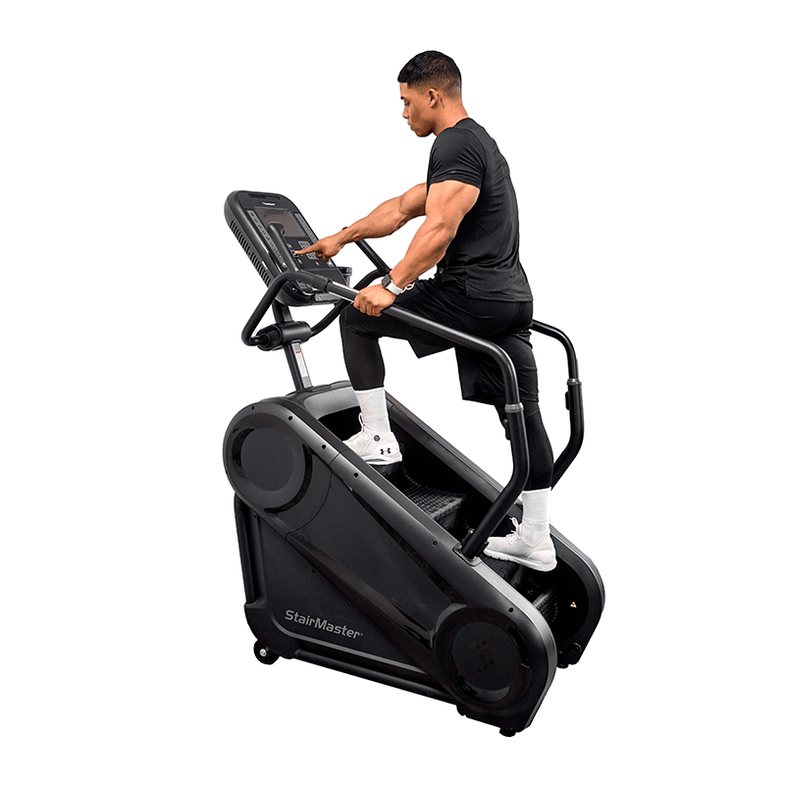
Many assume just stepping on the machine is enough, but poor form can limit muscle gains and cause discomfort. Leaning heavily on the handrails reduces leg work and stresses your wrists and shoulders.
Keep your back straight and engage your core as you climb. Focus on pressing through your heels to activate your glutes and thighs fully. If you catch yourself slouching, stop and reset your posture—are you really feeling your legs working?
Tracking Progress And Results
Tracking your progress and results is key to understanding how well the Stairmaster is working for building muscle. Without monitoring changes, you might miss subtle improvements or fail to notice when adjustments are needed. Keeping a close eye on your progress helps you stay motivated and make informed decisions about your workouts.
Measuring Muscle Tone Changes
Muscle tone is not always easy to see right away. One way to track changes is by taking regular photos from different angles. Compare these photos every two to four weeks to spot any visible differences in muscle definition.
You can also use a tape measure to record the size of your thighs, calves, and glutes. Small increases might indicate muscle growth or improved muscle firmness. Don’t rely only on the scale; muscle weighs more than fat, so measurements and photos tell a clearer story.
Setting Realistic Goals
Setting achievable goals keeps you focused and encourages steady progress. Instead of aiming to “get huge muscles” overnight, try goals like increasing Stairmaster workout time by five minutes or boosting resistance levels week by week.
Ask yourself: How much muscle tone change is realistic in one month? Can you commit to consistent sessions without burnout? Writing down your goals and reviewing them regularly helps you stay honest with yourself and celebrate small wins.
Frequently Asked Questions
Do Stairmasters Help In Muscle Building?
Yes, Stairmasters can help build muscle, especially in the lower body. They target muscles like the glutes, quadriceps, and calves. While primarily a cardio machine, consistent use can lead to muscle toning and endurance. It’s an effective way to strengthen and sculpt your legs.
Which Muscles Does A Stairmaster Target?
A Stairmaster primarily targets the lower body muscles. It works on the glutes, quadriceps, hamstrings, and calves. Regular use can enhance muscle tone and strength. While it’s mainly cardio, it offers resistance that engages these muscle groups effectively.
Is Stairmaster Better Than Treadmill For Muscles?
The Stairmaster is better for lower body muscle building compared to a treadmill. It offers resistance and engages muscles more intensely. Treadmills focus more on cardio and endurance. For muscle toning, especially in legs and glutes, Stairmaster is more effective.
How Often Should I Use Stairmaster To Build Muscle?
For muscle building, use the Stairmaster 3-4 times a week. Consistency is key to seeing results. Start with 20-30 minute sessions and gradually increase time and intensity. This routine helps in building endurance and muscle tone effectively.
Conclusion
Stairmasters help tone and strengthen leg muscles effectively. They improve endurance and build muscle over time. Using a Stairmaster regularly can shape your lower body. Combining it with weight training boosts muscle growth further. Consistency and effort are key to seeing results.
Small steps lead to noticeable muscle improvements. Keep moving, stay patient, and enjoy progress.







