
Are you searching for an effective way to build muscle without lifting heavy weights or spending hours in the gym? Isometric exercises might be the answer you’ve been looking for.
These unique exercises involve holding a position under tension without moving your joints, and they can be done almost anywhere. But do they really help you build muscle? We’ll dive into the world of isometric exercises and uncover their potential to transform your fitness routine.
Get ready to discover how these simple yet powerful exercises can enhance your strength and muscle growth. Stay with us, and you’ll learn how to maximize your workouts with the power of isometrics.

Credit: www.youtube.com
What Are Isometric Exercises
Isometric exercises focus on muscle engagement without moving the joint. These exercises hold a position to create tension in muscles. This tension helps strengthen muscles and improve stability.
Isometric exercises can be simple and done anywhere. They do not require special equipment or large spaces. This makes them popular for many fitness levels.
Definition Of Isometric Exercises
Isometric exercises involve muscle contraction without changing muscle length. The joint angle stays the same throughout the exercise. You hold a position, like pushing against a wall.
How Isometric Exercises Work
Muscles generate force to hold a steady position. This force activates muscle fibers. The longer you hold, the more muscle endurance you build.
Common Examples Of Isometric Exercises
- Plank holds
- Wall sits
- Glute bridges held at the top
- Static lunges
- Isometric bicep holds with weights
Benefits Of Isometric Exercises
- Build muscle strength
- Improve joint stability
- Enhance muscle endurance
- Low risk of injury
- Can be done anywhere

Credit: www.youtube.com
How Isometrics Affect Muscle Growth
Isometric exercises hold a unique place in muscle training because they involve holding a position rather than moving through a range of motion. This static contraction challenges your muscles differently compared to traditional lifting or dynamic exercises. Understanding how isometrics affect muscle growth can help you decide if they deserve a spot in your workout routine.
Muscle Tension Without Movement
Isometric exercises create muscle tension by forcing your muscles to contract without changing their length. This sustained tension recruits muscle fibers and signals your body to adapt. Unlike lifting weights through motion, you maintain a steady hold, which can lead to strength gains in that specific position.
Have you noticed how holding a plank feels harder the longer you stay still? That’s your muscles working hard to maintain tension without movement.
Stimulating Muscle Fibers Differently
Isometric holds activate both slow-twitch and fast-twitch muscle fibers, but in a unique way. Because the muscle stays contracted in one spot, it targets fibers that might not be fully engaged during dynamic exercises.
This can help improve muscle endurance and strength in specific joint angles. For example, holding a wall sit builds endurance in your quads where regular squats might not focus as much.
Impact On Muscle Size
While isometric exercises do generate muscle tension necessary for growth, the lack of movement means they don’t always maximize muscle size increases alone. Muscle growth, or hypertrophy, often benefits from varying tension through a full range of motion.
However, combining isometric holds with dynamic exercises can enhance overall muscle development. I found that adding isometric pauses during lifts helped break plateaus and improved my muscle density.
Improving Strength At Specific Angles
Isometric training strengthens muscles at the exact angle you hold during the exercise. This makes it excellent for improving strength in weak spots or sticking points in lifts.
For example, if you struggle to lock out your arms during a bench press, holding an isometric contraction at that angle can boost strength and confidence in that part of the movement.
Practical Tips To Use Isometrics For Muscle Growth
- Hold the contraction for 10 to 30 seconds to maximize muscle tension.
- Combine isometric holds with dynamic sets for better overall results.
- Focus on areas where you feel weakness or want to improve endurance.
- Use progressive overload by increasing hold time or intensity over weeks.
Could adding focused isometric holds be the missing piece in your muscle-building puzzle?
Benefits Beyond Muscle Building
Isometric exercises do more than just build muscle. They offer a range of benefits that can improve your overall fitness and daily life. Understanding these advantages might change how you approach your workout routine.
Improved Joint Stability And Injury Prevention
Isometric exercises strengthen the muscles around your joints without moving the joint itself. This helps stabilize the joint, reducing the risk of injury during other activities. Have you noticed how holding a plank makes your wrists and shoulders feel more secure?
Enhanced Muscle Endurance
Holding positions for extended periods trains your muscles to resist fatigue. This endurance can make everyday tasks like carrying groceries or standing in line easier. You might be surprised how a simple wall sit can boost your stamina over time.
Increased Mind-muscle Connection
Isometric holds require focus on specific muscles, improving your awareness of how your body moves. This connection can lead to better form and more effective workouts overall. Have you ever caught yourself adjusting your posture mid-exercise? That’s your mind-muscle link in action.
Convenience And Accessibility
These exercises need little to no equipment and can be done almost anywhere. Whether you’re at home, at work, or traveling, isometric exercises fit into your schedule. What’s stopping you from squeezing in a quick wall push or glute bridge right now?
Comparing Isometrics To Other Workouts
Isometric exercises hold a unique place in the fitness world. Unlike dynamic workouts, they involve holding a position without moving. This static approach targets muscles differently. Comparing isometrics to other workouts helps understand their strengths and limits. It clarifies how they fit into muscle building and overall fitness.
Isometrics Versus Weightlifting
Weightlifting uses movement to challenge muscles through a range of motion. It helps increase muscle size and strength by causing muscle fibers to tear and rebuild. Isometrics, however, focus on muscle tension without movement. This builds endurance and strength in a specific position. Weightlifting offers more variety in muscle growth. Isometrics improve stability and joint strength.
Isometrics And Cardio Workouts
Cardio exercises improve heart and lung health. They burn calories and enhance endurance. Isometrics do not raise the heart rate much. They mainly target muscle strength and control. Cardio helps with fat loss. Isometrics build muscle tone and prevent injury. Both have different goals but can complement each other.
Isometrics Compared To Bodyweight Exercises
Bodyweight exercises involve moving your body through space. Examples include push-ups, squats, and lunges. These improve strength, balance, and flexibility. Isometrics hold a position, like a plank or wall sit. They build muscle endurance and improve posture. Bodyweight moves build dynamic strength. Isometrics focus on static strength and muscle activation.
Benefits Of Combining Isometrics With Other Workouts
Using isometrics with other workouts adds variety. It helps target muscles from different angles. Combining helps prevent workout boredom. Isometrics improve muscle control and joint health. Dynamic exercises increase muscle size and cardiovascular fitness. Together, they create a balanced fitness routine.
Best Isometric Exercises For Muscle Gain
Isometric exercises involve muscle contraction without movement. They help build strength and muscle by holding positions under tension. These exercises target specific muscles and improve endurance. They work well for muscle gain when done correctly and consistently.
Below are some of the best isometric exercises for muscle gain. Each targets major muscle groups and can fit into any workout plan. Holding these positions challenges muscles to grow stronger.
Wall Sit
Wall sits focus on the quadriceps and glutes. To perform, lean against a wall and slide down until your knees are at a 90-degree angle. Hold this position to engage your leg muscles deeply. This exercise builds lower body strength and endurance.
Plank
Planks target the core, shoulders, and arms. Keep your body straight from head to heels, resting on your forearms and toes. Holding a plank strengthens the abdominal muscles and improves stability. It also supports better posture and muscle control.
Glute Bridge Hold
The glute bridge hold works the glutes and lower back. Lie on your back with knees bent and feet flat. Lift your hips to form a straight line from shoulders to knees. Hold this position to activate and strengthen your glute muscles.
Isometric Push-up Hold
This exercise targets the chest, shoulders, and triceps. Lower yourself halfway in a push-up position and hold. The muscles stay engaged without movement, building strength and muscle endurance. It also improves control and stability.
Static Lunge Hold
Static lunges focus on the thighs and glutes. Step one foot forward and lower your hips until both knees are bent at 90 degrees. Hold this stance to work the leg muscles under tension. It helps improve balance and muscle growth.
Common Mistakes To Avoid
Isometric exercises help build muscle by holding positions under tension. Many people try them but make simple mistakes. These errors can limit progress and cause frustration. Avoiding common mistakes improves results and keeps workouts safe.
Neglecting Proper Form
Holding the wrong position reduces muscle engagement. Poor form can lead to injury and less muscle growth. Focus on body alignment and muscle activation during each hold.
Holding Breath During Exercises
Breathing is essential for muscle performance and endurance. Holding breath increases blood pressure and causes dizziness. Breathe slowly and steadily throughout the exercise hold.
Not Increasing Intensity Gradually
Staying at the same effort level stalls muscle gains. Muscles need more challenge to grow stronger. Increase hold time or tension step by step for steady progress.
Ignoring Muscle Balance
Focusing only on certain muscles creates imbalances. This can cause poor posture and injury risk. Work both sides of the body equally and target different muscle groups.
Skipping Warm-up And Cool-down
Starting isometrics without warming up raises injury chance. Cooling down helps muscle recovery and flexibility. Include light cardio and stretching before and after workouts.
Incorporating Isometrics Into Your Routine
Adding isometric exercises to your workout routine can enhance muscle strength and endurance without requiring heavy weights or complicated equipment. These static holds challenge your muscles in a different way, helping you break through plateaus and improve overall control. Are you curious how to blend them effectively with your current exercises?
Choosing The Right Isometric Exercises For Your Goals
Not all isometric exercises target muscles equally. Identify which muscle groups need more attention and select holds that focus on those areas.
For example, a plank strengthens your core, while a wall sit targets your legs. Pick exercises that complement your main workout to balance strength gains.
Timing And Duration For Maximum Benefit
Hold each isometric position long enough to fatigue your muscles, typically between 10 to 30 seconds. You can increase the duration as you get stronger.
Shorter holds with more repetitions can build endurance, while longer holds help build strength. Experiment to see what feels challenging but manageable for your body.
Integrating Isometrics Into Different Workout Types
- Before cardio: Use isometrics to activate muscles and improve stability.
- During strength training: Add isometric holds between sets to increase muscle tension.
- As a cool-down: Finish with isometric stretches to enhance flexibility and recovery.
How might your workouts change by adding these static contractions?
Tracking Progress And Adjusting Your Routine
Keep a simple log of which isometric exercises you do, how long you hold, and how many sets you complete. This helps you notice improvements and avoid plateaus.
If a hold feels too easy, increase the time or add resistance. If it’s too hard, reduce the duration or modify the position.
Who Should Use Isometric Training
Isometric training suits a wide range of people. It offers unique benefits that fit different fitness needs. This type of exercise involves holding a position without moving. It builds strength without putting strain on joints. That makes it ideal for many individuals.
People who want to improve strength but avoid injury find isometric training useful. Also, those recovering from injuries can use it to regain muscle control. It helps build muscle safely and effectively. Isometric exercises also fit busy schedules. They require little space and no special equipment.
Beginners Starting Their Fitness Journey
Beginners benefit from isometric exercises due to their simplicity. These exercises teach body control and muscle engagement. They reduce the risk of injury by avoiding complex movements. Beginners can build a strong foundation in strength training. Isometric holds prepare muscles for more dynamic workouts later.
Individuals Recovering From Injury
Isometric training is gentle on injured muscles and joints. It allows controlled muscle activation without movement. This helps maintain strength during recovery periods. Patients can prevent muscle loss while healing. Therapists often recommend isometric exercises for rehab programs.
Athletes Enhancing Performance
Athletes use isometric training to increase muscle endurance. It improves joint stability and muscle control. This helps prevent injuries in high-impact sports. Athletes can target specific muscles to boost strength. Isometric exercises complement dynamic training routines well.
Older Adults Maintaining Muscle Strength
Older adults benefit from isometric exercises to maintain muscle mass. These exercises are low impact and safe. They help improve balance and stability. Consistent isometric training reduces the risk of falls. It supports overall mobility and daily function.
Busy Professionals Needing Quick Workouts
Isometric exercises require minimal time and space. They fit easily into busy schedules. Professionals can do quick sessions at home or office. No equipment is needed, making it convenient. These exercises maintain strength despite time limits.
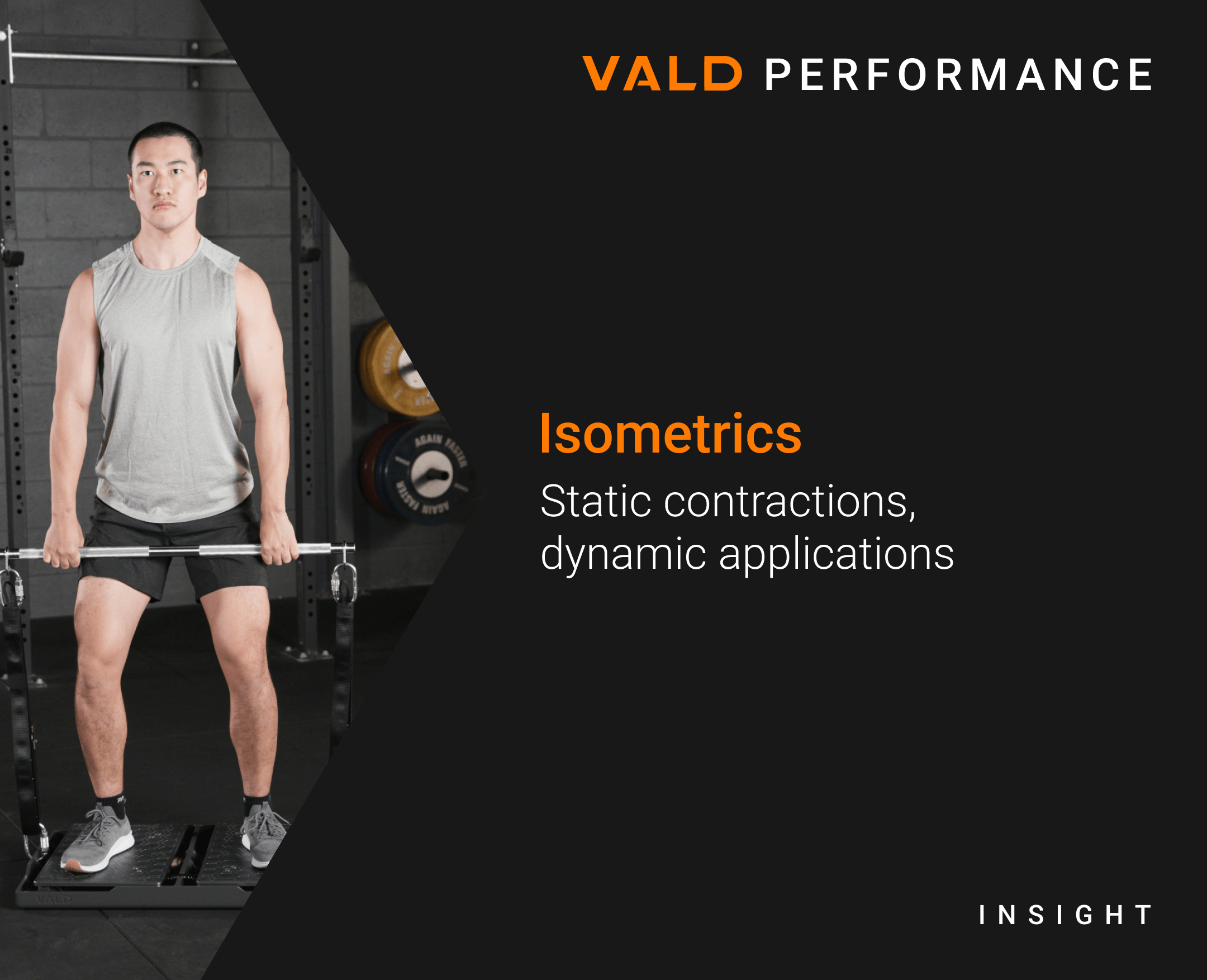
Credit: valdperformance.com
Frequently Asked Questions
Do Isometric Exercises Help Build Muscle Mass?
Yes, isometric exercises build muscle by contracting muscles without movement. They increase strength and muscle endurance effectively. However, combining them with dynamic exercises yields better overall muscle growth.
How Effective Are Isometric Exercises For Muscle Strength?
Isometric exercises effectively improve muscle strength by holding static positions under tension. They enhance joint stability and muscle control, making them ideal for rehabilitation and strength training.
Can Isometric Workouts Replace Weightlifting Routines?
Isometric workouts complement but don’t fully replace weightlifting. They improve static strength but lack full range motion needed for maximal muscle hypertrophy. Combining both methods offers balanced muscle development.
How Often Should I Do Isometric Exercises To Build Muscle?
Perform isometric exercises 3-4 times weekly for muscle gains. Hold each position for 10-30 seconds and repeat 3-5 sets. Consistency and progressive overload are key for results.
Conclusion
Isometric exercises help build muscle by keeping muscles tight. They improve strength without moving joints much. You can do them anywhere, anytime. These exercises work well with other workouts. They are good for beginners and those recovering from injury. Consistency is key to seeing muscle growth.
Mix isometric moves with regular exercise for best results. Small efforts add up over time. Keep practicing and stay patient. Your muscles will grow steadily.







