
Are you tired of crowded gyms and expensive memberships? Imagine having a gym right in your own home, ready whenever you are.
Creating a DIY gym at home is easier than you think, and it can save you time, money, and stress. Whether you want to build strength, improve flexibility, or just stay active, this guide will show you simple ways to set up your perfect workout space.
Keep reading to discover how to turn any corner of your home into a fitness zone that motivates you every day.
Choosing The Right Space
Choosing the right space for a DIY gym at home is key to staying motivated and safe. The area should fit your workout style and equipment. It must offer comfort and enough room to move freely. Careful planning helps create an inviting place that encourages regular exercise.
Assessing Available Areas
Start by looking at all possible spots in your home. Check rooms, basements, garages, or even a corner in your living room. Think about floor space and ceiling height. Measure the area to ensure your equipment will fit. Consider noise levels and privacy to avoid distractions.
Maximizing Small Spaces
Small spaces can become effective workout zones. Use vertical storage like shelves or hooks for equipment. Choose foldable or compact gear to save space. Clear the floor of clutter to open up room. Mirrors can make the area feel larger and brighter.
Ensuring Proper Ventilation
Good airflow keeps the gym fresh and comfortable. Pick a space near windows or vents. Use fans to improve circulation if needed. Avoid damp or stuffy areas to reduce mold and odors. Proper ventilation helps you breathe easier during workouts.
Essential Equipment For Beginners
Basic gear like dumbbells, resistance bands, and a yoga mat create a solid home gym foundation. These tools fit small spaces and support varied workouts. Simple, effective equipment helps beginners stay active and build strength at home.
Creating a gym at home doesn’t have to be an overwhelming task, especially if you’re just starting out. The right equipment can help you build a solid foundation without breaking the bank. Let’s explore some essential gear that will set you on the path to success.Budget-friendly Picks
Starting a home gym doesn’t mean you need to spend a fortune. Look for items that offer great value for your money. Resistance bands, for instance, are incredibly versatile and affordable. They provide a range of exercises to target every muscle group. A set of adjustable dumbbells is another smart investment. They save space and adapt to your growing strength. Consider checking out second-hand options online; sometimes, people sell barely-used equipment at a fraction of the cost.Multi-use Gear
When space is limited, choosing equipment that serves multiple purposes is key. A stability ball can be used for core exercises, balance training, and even as a substitute for a bench. A pull-up bar that fits in your doorway can be used for pull-ups and hanging leg raises. It’s an efficient way to work on your upper body and core strength. Think about how each piece of equipment can be incorporated into various workouts to maximize its use.Safety Considerations
Safety should always be a priority in your home gym. Make sure your space is clear of hazards. Secure any loose items that could cause accidents during your workout. When using free weights, maintain proper form to prevent injuries. Consider watching instructional videos or consulting with a fitness professional for guidance. Don’t forget to wear appropriate footwear to protect your feet and maintain stability. Are you keeping your safety in check as you train? Choosing the right equipment is the first step in building a home gym that meets your needs. With thoughtful selections, you can create an effective workout space that grows with you.Advanced Equipment Options
Upgrading your home gym with advanced equipment can take your workouts to a new level. These options offer more variety and challenge, helping you stay motivated and achieve better results. Choosing the right tools depends on your fitness goals and available space.
Cardio Machines
Cardio machines are essential for improving endurance and heart health. Consider a treadmill with incline settings to simulate hill running, or a rowing machine that works both upper and lower body. If space is tight, a foldable elliptical or a compact stationary bike might fit better.
Have you tried combining different cardio machines during your session? This mix keeps your routine fresh and targets muscles differently, preventing boredom and plateaus.
Strength Training Tools
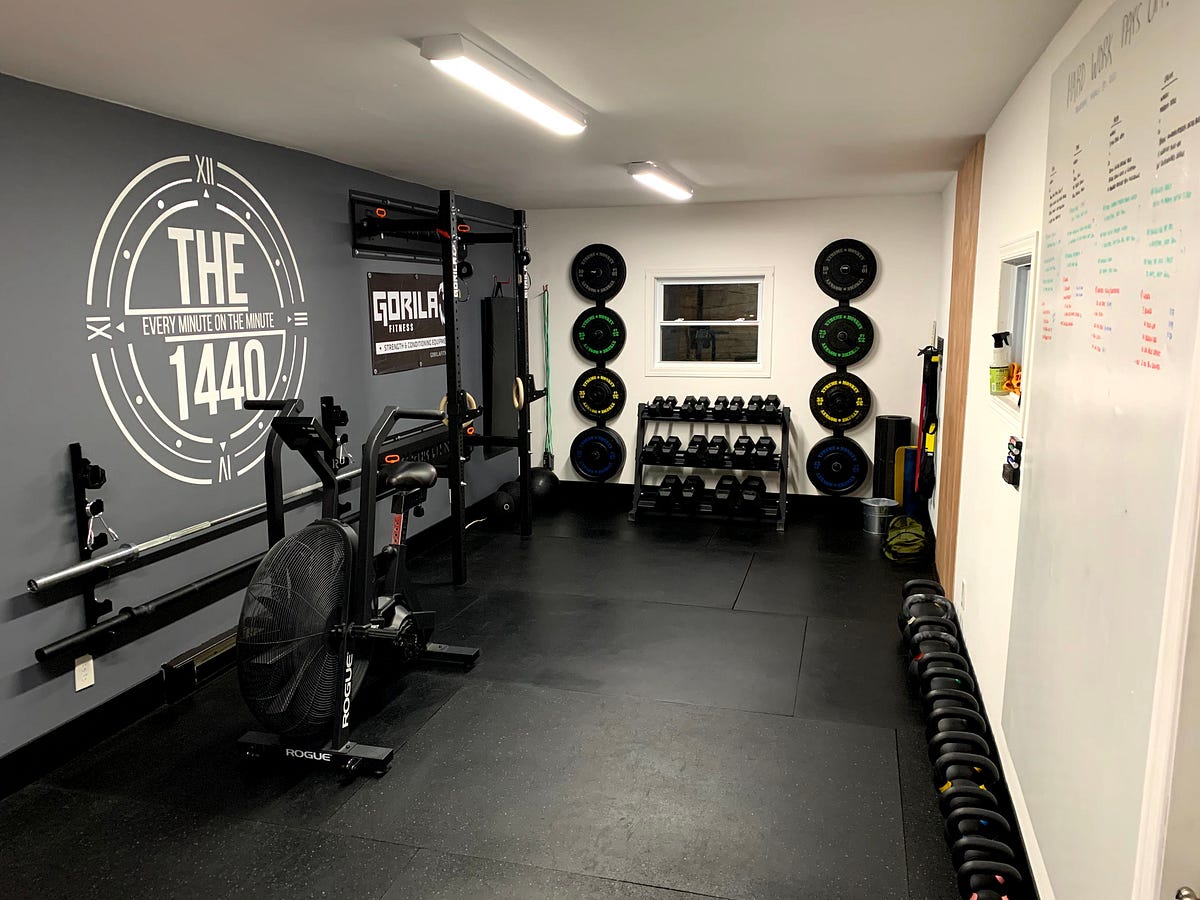
Advanced strength tools include adjustable dumbbells, kettlebells, and power racks. Adjustable dumbbells save space and let you increase weight gradually, perfect for tracking progress. A power rack with a pull-up bar adds versatility, allowing squats, bench presses, and bodyweight exercises all in one spot.
Think about how adding these tools can help you build muscle safely and efficiently at home. What strength moves do you want to master next?
Tech-integrated Devices
Smart gym equipment brings technology into your workouts for real-time feedback and interactive training. Devices like smart mirrors and app-connected bikes offer guided classes and track your performance. These tools can push you harder by monitoring your form and progress instantly.
Would having a personal coach via screen change how you approach your workouts? Tech-integrated devices might be the extra motivation you need to stay consistent.

Credit: www.reddit.com
Designing For Function And Comfort
Designing your home gym requires a balance of function and comfort. The space should support your workouts and keep you motivated. Every detail matters—from the floor you stand on to the light that fills the room. Thoughtful design helps prevent injury and keeps your energy high.
Comfort encourages longer sessions. Function ensures every workout feels smooth and safe. Let’s explore key elements to build a gym that feels good and works well.
Flooring Choices
Choose flooring that protects your joints and equipment. Rubber mats offer great cushioning and grip. Foam tiles are soft and easy to clean. Hardwood floors look nice but need mats for heavy weights.
- Rubber mats reduce noise and absorb impact
- Foam tiles are lightweight and simple to install
- Vinyl flooring resists sweat and stains
- Carpet can trap dust and cause slips
Select floors that suit your workout style and budget. Aim for safety and comfort underfoot.
Lighting Tips
Good lighting improves focus and mood. Natural light is best for energy and alertness. Position your gym near a window if possible. Use bright, white LED lights for cloudy days or night workouts.
- Install adjustable lights for different activities
- Avoid harsh glare on screens or mirrors
- Use soft lights in cool-down or yoga zones
- Consider motion sensors for convenience
Proper lighting keeps your space inviting and safe. It can boost your workout motivation every time.
Storage Solutions
Keep your gym tidy with smart storage. Clutter distracts and limits movement. Use shelves, hooks, and racks to organize gear. Store small items in bins or baskets.
- Wall-mounted racks save floor space
- Stackable bins help separate weights and bands
- Foldable benches and mats free up room when not in use
- Label containers for easy access
Good storage makes your workout zone neat and efficient. You spend more time exercising, less time cleaning.
Diy Equipment Ideas
Creating your own gym equipment at home can save you money and add a personal touch to your workout space. DIY equipment lets you tailor your tools to fit your needs perfectly. Plus, building your gear can turn into a fun project that motivates you to stay active.
Homemade Weights
You don’t need expensive dumbbells to get a solid workout. Use items around your house like water bottles, canned goods, or bags filled with sand or rice as weights. You can also fill old milk jugs with water or gravel to create adjustable weights that feel just right in your hands.
Want something sturdier? Try using concrete-filled containers or make your own wrist and ankle weights using fabric and heavy materials. These DIY weights offer a great alternative and help you increase resistance gradually as you get stronger.
Creative Resistance Tools
Resistance bands don’t have to break the bank. Use old bike inner tubes or cut up elastic bands to create your own resistance bands. These make excellent tools for strength training and stretching, and you can customize the tension by adjusting the length or thickness.
Another idea is to use towels or ropes for resistance exercises like rows or pull-aparts. Have you ever tried a homemade suspension trainer with sturdy straps or ropes anchored to your door? It’s a fantastic way to add variety to your workouts without spending much.
Building Racks And Stands
Storage and support are key for an organized home gym. Build your own squat rack or weight stand using wood or metal pipes. These materials are affordable and often available at hardware stores or recycling centers.
Design your racks to fit your space and equipment size. Adding hooks or shelves can keep your gear off the floor and within easy reach. Have you thought about creating a wall-mounted rack? It saves space and keeps your workout area tidy and safe.

Credit: www.reddit.com
Creating A Workout Routine At Home
Creating a workout routine at home gives you the freedom to tailor exercises to your goals and lifestyle. It helps you stay motivated and track progress, turning your space into a personal gym. The key is to find the right balance and keep your routine realistic and enjoyable.
Balancing Cardio And Strength
Both cardio and strength training are essential for a well-rounded fitness routine. Cardio boosts heart health and endurance, while strength training builds muscle and tones your body. Aim to mix activities like jumping rope or brisk walking with bodyweight exercises such as push-ups and squats.
Think about how each session makes you feel. Do you notice more energy after cardio? Or does strength training help you feel stronger throughout the day? Adjust your routine based on what your body needs most.
Scheduling For Consistency
Consistency beats intensity when working out at home. Pick specific days and times that fit your schedule and stick to them. Treat these sessions like important appointments you can’t miss.
Try setting reminders or marking your calendar to build a habit. If motivation dips, ask yourself what small step you can take today to keep moving forward. Even a 15-minute workout counts.
Using Online Resources
Online videos and apps can guide your home workouts and introduce variety. Look for beginner-friendly tutorials or live classes that match your fitness level. Many free options offer clear instructions and motivation.
Don’t hesitate to experiment with different styles until you find what excites you. Could a dance workout or yoga session be the change you need? Let your curiosity lead your fitness journey.
Maintaining Your Home Gym
Maintaining your home gym keeps it safe and ready for daily workouts. A clean and well-kept space motivates you to exercise regularly. Proper care also extends the life of your gym equipment.
Cleaning And Upkeep
Wipe down machines and mats after every use. Sweat and dust can damage equipment over time. Use mild cleaners and soft cloths to avoid scratches. Keep floors free from dirt and debris to prevent slips.
Equipment Checks
Inspect your equipment weekly for any signs of wear. Tighten loose bolts and screws to avoid accidents. Check cables and pulleys for fraying or damage. Replace worn parts quickly to ensure safety.
Upgrading Over Time
Add new equipment based on your fitness goals. Swap out old or broken items for better models. Consider space-saving tools as your gym grows. Upgrades keep workouts fresh and your motivation high.
Credit: tncim.com
Motivation And Staying On Track
Staying motivated while working out at home can be tough. Without a gym setting, distractions are many. Keeping focus requires clear strategies. Small actions help maintain energy and commitment. Motivation grows when progress feels real and goals seem reachable.
Setting Realistic Goals
Set simple, clear goals that fit your lifestyle. Avoid aiming too high at the start. Goals should be specific, like exercising 20 minutes daily. Achievable targets build confidence and create a habit. Break big goals into smaller steps for easy wins.
Tracking Progress
Track workouts to see improvement over time. Use a journal, app, or calendar to record sessions. Note the exercises, time, and how you felt. Visual proof of progress boosts motivation. It helps adjust routines to avoid plateaus or boredom.
Involving Family And Friends
Invite family or friends to join your workouts. Exercising together makes it more fun and less lonely. They can offer support and encouragement. Sharing goals creates a sense of responsibility. Friendly competition can push you to try harder.
Frequently Asked Questions
What Are Essential Items For A Diy Gym At Home?
Essential items include dumbbells, resistance bands, a yoga mat, and a stability ball. These tools fit small spaces and cover various workouts effectively.
How To Create A Budget-friendly Home Gym?
Start with basic equipment like bodyweight tools and resistance bands. Look for secondhand gear and prioritize multifunctional items to save money.
What Space Is Needed For A Diy Home Gym?
A small area of 20-50 square feet can work. Ensure enough room for movement and safe exercise execution.
How To Stay Motivated Using A Home Gym?
Set clear goals, create a workout schedule, and track progress. Mix exercises to keep routines exciting and avoid boredom.
Conclusion
Creating a DIY gym at home saves time and money. You control your workout space and schedule. Simple equipment can meet most fitness needs. Small changes lead to big health benefits. Stay consistent and enjoy your progress. Your home gym can fit any budget.
Start small, build up as you go. Fitness at home is easy and flexible. Keep moving and stay motivated every day. Your health is worth the effort.







