
Are you tired of spending endless hours in the gym without seeing the results you crave? Imagine a workout routine that maximizes your time and effort, delivering noticeable improvements in strength, muscle tone, and overall fitness.
Enter the world of compound movements. This workout approach is designed to target multiple muscle groups in one go, turning your exercise time into a powerhouse of efficiency and effectiveness. But why should you care about compound movements? Because they offer a smarter way to build a fitter, stronger you.
Dive into this article to discover how these exercises can transform your routine and unlock the results you’ve been waiting for.
Benefits Of Compound Movements
Compound movements are a cornerstone of effective workout routines. They involve multiple joints and muscle groups working together, which brings several benefits to your training. Understanding these benefits can help you get more out of every session and keep your progress on track.
Muscle Engagement
Compound exercises activate several muscles at once, making your workouts more powerful and efficient. For example, a squat not only works your legs but also your core and lower back. This widespread muscle engagement helps you build strength evenly and avoid imbalances.
When I switched to compound movements, I noticed my overall strength improved faster because my body learned to coordinate multiple muscles. Are you focusing too much on isolated exercises that miss out on this advantage?
Time Efficiency
Busy schedule? Compound movements let you train multiple muscle groups in one go, cutting down your workout time. Instead of doing separate exercises for your chest, shoulders, and triceps, a push-up or bench press hits them all together.
This means you can get a full-body workout in less time without losing effectiveness. Could saving time in your workouts help you stay consistent and motivated?
Improved Coordination
Because compound movements require multiple joints and muscles to work in sync, they naturally improve your coordination. Movements like deadlifts or pull-ups teach your body to move as a unit rather than isolated parts.
This better coordination can translate to improved performance in sports and daily activities, reducing your risk of injury. How often do you practice exercises that challenge your body’s coordination?

Credit: gym-mikolo.com
Key Compound Exercises
Compound exercises form the backbone of any effective workout routine. They target multiple muscle groups at once, saving you time and boosting overall strength. Mastering these key movements can transform your fitness journey.
Squats
Squats engage your quads, hamstrings, glutes, and core all at once. They improve your balance and build lower body strength essential for everyday activities. Have you noticed how squats challenge your stability and power simultaneously?
Deadlifts
Deadlifts work your entire posterior chain—back, glutes, hamstrings, and traps. This exercise teaches you how to lift safely while building serious strength. If you want a move that improves posture and functional strength, deadlifts should be in your routine.
Bench Press
The bench press targets your chest, shoulders, and triceps. It’s a great way to build upper body pushing power. How often do you focus on pushing strength compared to pulling? Balancing both can prevent injuries.
Pull-ups
Pull-ups strengthen your back, biceps, and forearms while challenging your grip. They are tough but rewarding—once you master them, your upper body strength skyrockets. Have you tried varying your grip to hit different muscles?
Overhead Press
This exercise builds shoulder and upper back strength. It also engages your core to stabilize the weight overhead. Adding overhead presses can improve your posture and help with daily tasks like lifting objects above your head.
Designing Your Workout Routine
Designing your workout routine with compound movements sets a strong foundation for strength and muscle growth. Compound exercises engage multiple muscle groups, making your workouts efficient and effective. Planning the right exercises, sets, reps, and rest is key to seeing progress and avoiding injury.
Exercise Selection
Choose compound exercises that target major muscle groups. Focus on movements like squats, deadlifts, bench presses, pull-ups, and rows. These exercises work several muscles at once and improve overall strength.
Balance your routine by including exercises for both upper and lower body. Select variations that suit your fitness level and goals. Prioritize form and control to prevent injury and maximize results.
Set And Rep Schemes
Sets and reps affect how your muscles grow and get stronger. For building strength, use lower reps with heavier weights, such as 3 to 5 reps per set. For muscle endurance and size, aim for 8 to 12 reps per set with moderate weights.
Start with 3 to 4 sets per exercise. Adjust volume based on your recovery and progress. Changing rep schemes over time helps avoid plateaus and keeps your muscles challenged.
Rest Periods
Rest between sets allows your muscles to recover and prepare for the next effort. For heavy strength work, rest 2 to 3 minutes to regain full power. For muscle growth or endurance, shorter rests of 30 to 60 seconds work well.
Listen to your body during rest. Longer rest helps maintain good form and higher intensity. Shorter rest keeps the heart rate up and builds stamina.
Progressive Overload Strategies
Progressive overload is the cornerstone of any effective compound movement workout routine. It means gradually making your muscles work harder over time to build strength and size. Without applying progressive overload, your gains can stall, leaving you frustrated and stuck.
Increasing Weight
Adding more weight to your lifts is the most straightforward way to challenge your muscles. If you can complete your reps with good form, it’s time to increase the load by small increments. Even a 2.5 to 5-pound increase can push your muscles to adapt and grow.
Remember, adding too much weight too soon can cause injury. Focus on steady, manageable increases rather than jumping to heavy weights. Have you noticed how a slight jump in weight often feels harder but leads to better results?
Adjusting Volume
Volume refers to the total amount of work done—usually sets multiplied by reps. Increasing volume by adding more sets or reps can also trigger muscle growth. For instance, if you usually do 3 sets of 8 reps, try 4 sets or increase reps to 10.
Changing volume is especially useful when increasing weight isn’t feasible due to equipment limits or recovery issues. It keeps your muscles under tension longer, enhancing endurance and strength. Have you tried tweaking volume and noticed a new challenge for your muscles?
Tracking Progress
Keeping a workout journal or using an app to record weights, sets, and reps helps you see your progress clearly. Tracking stops you from guessing and ensures you consistently apply progressive overload. You can spot plateaus early and adjust your routine accordingly.
Tracking your workouts also builds motivation. Seeing tangible improvements, even small ones, encourages you to keep pushing. How often do you review your progress to make sure your routine stays effective?
Warm-up And Mobility Tips
Warming up and improving mobility are key to a safe and effective compound movement workout routine. A good warm-up prepares muscles and joints for heavy lifting. Mobility work helps maintain proper form and reduces injury risk. Start with gentle movements and gradually increase intensity. Focus on areas used in your workout.
Dynamic Stretching
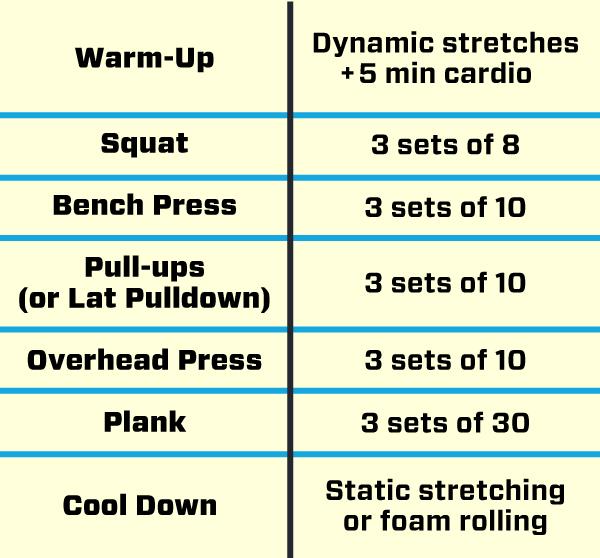
Dynamic stretching involves moving parts of your body through a full range of motion. It raises your heart rate and warms up muscles. Examples include leg swings, arm circles, and walking lunges. These stretches improve blood flow and flexibility. They prepare your body better than static stretches before lifting.
Joint Mobility Drills
Joint mobility drills focus on moving your joints through their natural range. This helps lubricate joints and increases movement ease. Perform exercises like hip circles, ankle rolls, and shoulder rotations. These drills improve joint health and support compound lifts. They reduce stiffness and improve overall workout quality.
Activation Exercises
Activation exercises engage key muscles before heavy lifts. They help your body recruit the right muscles during compound movements. Examples include glute bridges, scapular push-ups, and band pull-aparts. Activation creates a strong foundation and improves lifting performance. It also helps prevent muscle imbalances and injuries.
Credit: www.eosfitness.com
Common Mistakes To Avoid
Compound movement workouts are powerful for building strength and muscle. Avoiding common mistakes helps you get the best results. These errors can cause injury or slow progress. Focus on proper technique and rest to stay safe and strong.
Poor Form
Maintaining good form is essential in compound exercises. Poor form puts stress on joints and muscles incorrectly. It can lead to injuries and reduce workout effectiveness. Start with lighter weights to learn the correct movements. Use mirrors or ask for feedback to check your posture.
Overtraining
Doing too many compound exercises without breaks harms recovery. Overtraining causes fatigue, muscle soreness, and weakens the immune system. It lowers strength and slows muscle growth. Limit workout frequency and listen to your body’s signals. Balance intense sessions with lighter days or rest.
Ignoring Recovery
Recovery is key after heavy compound workouts. Muscles need time to repair and grow stronger. Skipping rest can cause burnout and injuries. Sleep well and eat nutritious food to support recovery. Include rest days and gentle stretching in your routine for best results.
Nutrition For Strength Gains
Nutrition plays a huge role in building strength alongside your compound movement workouts. Without the right fuel, your muscles won’t recover or grow as effectively. Think of your body as a machine that needs quality inputs to produce powerful outputs.
Protein Intake
Protein is the building block of muscle. Aim to include a good source of protein in every meal to support muscle repair and growth.
- Lean meats like chicken, turkey, and beef
- Eggs and dairy products
- Plant-based options such as beans, lentils, and tofu
Try to spread your protein intake evenly throughout the day to keep your muscles fueled. Have you noticed how you feel stronger after eating a protein-rich meal before your workout?
Caloric Surplus
To gain strength, your body needs more calories than it burns. This surplus provides the energy required for muscle growth and recovery.
However, the quality of calories matters just as much as the quantity. Focus on nutrient-dense foods like whole grains, healthy fats, fruits, and vegetables rather than just piling on empty calories.
Are you tracking your calorie intake, or do you find it challenging to eat enough on workout days?
Hydration
Water is essential for every bodily function, including muscle contractions and nutrient transport. Dehydration can reduce your strength and endurance during workouts.
Drink water consistently throughout the day, not just when you feel thirsty. Adding electrolytes can help if you sweat a lot during intense training sessions.
Next time you hit the gym, ask yourself: am I hydrated enough to perform at my best?
Sample Compound Workout Plan
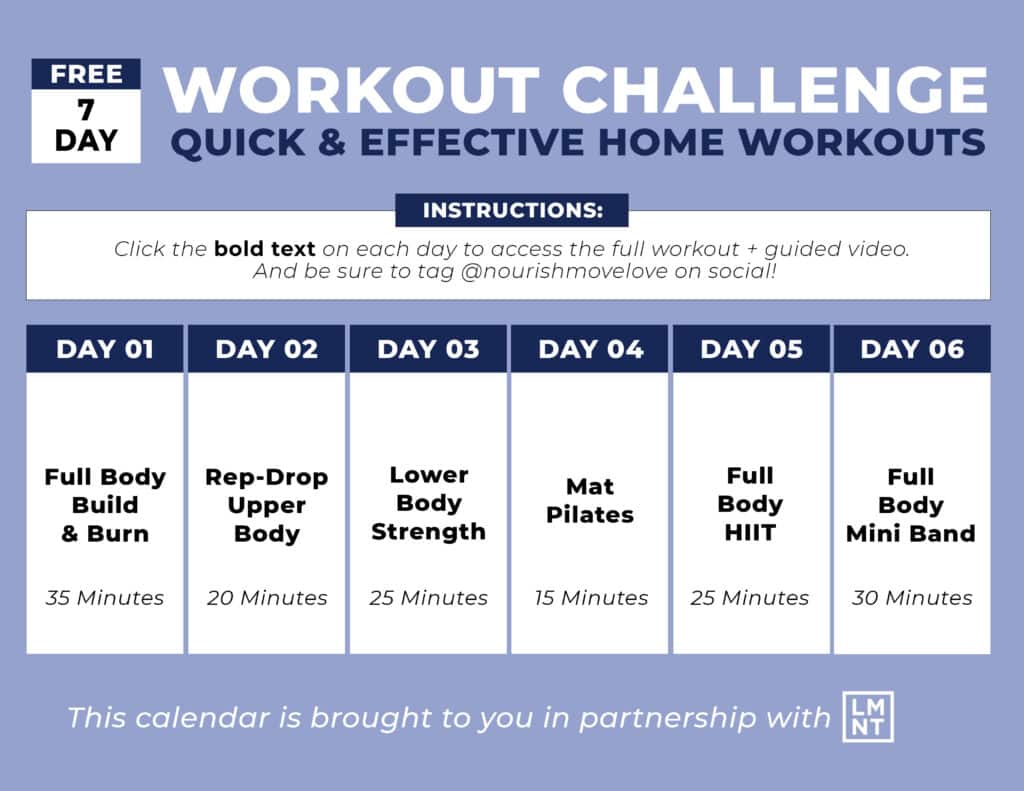
Choosing the right compound workout plan can make a huge difference in your strength and fitness journey. Compound exercises work multiple muscle groups at once, giving you more results in less time. Below are sample routines tailored to different experience levels, so you can find one that fits your current abilities and goals.
Beginner Routine
This routine focuses on building a solid foundation. It includes basic compound lifts that are easy to learn and safe to perform.
- Squats:3 sets of 8-10 reps
- Push-ups:3 sets of 10-12 reps
- Deadlifts:3 sets of 6-8 reps
- Pull-ups or Assisted Pull-ups:3 sets of 5-8 reps
- Plank:Hold for 30-45 seconds, 3 rounds
Starting with manageable weights and focusing on form prevents injury and builds confidence. Have you noticed how mastering just these few moves can improve your overall strength?
Intermediate Routine
Once you’re comfortable with the basics, it’s time to increase intensity and volume. This routine mixes heavier compound lifts with slightly higher reps.
- Barbell Back Squats:4 sets of 6-8 reps
- Bench Press:4 sets of 6-8 reps
- Romanian Deadlifts:4 sets of 8-10 reps
- Barbell Rows:4 sets of 8-10 reps
- Hanging Leg Raises:3 sets of 12-15 reps
Adding these exercises challenged my muscles in new ways and helped break through plateaus. How could increasing the weight while keeping good form push your limits?
Advanced Routine
This plan is designed for those with solid strength and experience in compound lifts. It includes complex movements and higher training volume.
- Front Squats:5 sets of 5 reps
- Weighted Pull-ups:5 sets of 6-8 reps
- Deadlifts:5 sets of 3-5 reps
- Overhead Press:5 sets of 6-8 reps
- Barbell Hip Thrusts:4 sets of 10-12 reps
At this stage, recovery and proper nutrition become as important as the workout itself. Are you ready to commit to the discipline needed for advanced training?
Credit: www.nourishmovelove.com
Frequently Asked Questions
What Are The Best Compound Movements For Beginners?
The best compound movements for beginners include squats, deadlifts, bench presses, and pull-ups. These exercises work multiple muscle groups, improving strength efficiently. They build a solid foundation for advanced workouts while enhancing coordination and balance.
How Often Should I Do Compound Movement Workouts?
Perform compound movement workouts 3 to 4 times per week. This frequency allows optimal muscle recovery and growth. Consistency combined with rest is essential to avoid overtraining and maximize strength gains.
Can Compound Workouts Help With Fat Loss?
Yes, compound workouts boost fat loss by engaging multiple muscles simultaneously. They increase calorie burn and elevate metabolism. This makes them effective for weight management and improving overall body composition.
Are Compound Exercises Better Than Isolation Exercises?
Compound exercises are generally better for overall strength and functional fitness. They target several muscle groups, saving time and increasing calorie expenditure. Isolation exercises are useful for specific muscle focus but are less efficient for full-body workouts.
Conclusion
Compound movements help you build strength and save time. They work many muscles at once. This routine boosts your fitness and tones your body. Keep your form correct to avoid injury. Stay consistent and patient to see progress. Combine this workout with good rest and nutrition.
Small steps lead to big results. Start today and enjoy a stronger, healthier you.







