
Are you ready to kickstart your fitness journey but unsure where to begin? Cardio exercises at the gym are an excellent way to get your heart pumping and your energy levels soaring.
Imagine feeling more vibrant, shedding those extra pounds, and boosting your overall health with just a few simple movements. Whether your goal is weight loss, improved endurance, or just feeling better, this guide to cardio exercises for beginners at the gym is tailored just for you.
Picture this: walking into the gym, confident and prepared, knowing exactly what to do. No more guessing games or feeling lost among the machines and weights. With the right cardio exercises, you can make the most of your gym time, leaving you feeling accomplished and motivated. We’ll break down the best beginner-friendly cardio workouts and provide tips to maximize your results. By the end of this article, you’ll be equipped with the knowledge to transform your gym visits into productive and enjoyable sessions. Ready to discover the secrets to effective cardio workouts? Let’s dive in!
Benefits Of Cardio Workouts
Cardio workouts offer more than just a way to get your body moving. They bring a range of benefits that touch on your heart, weight, and even your mind. Understanding these benefits can motivate you to stick with your gym routine and see real changes in your health and mood.
Improving Heart Health
Cardio exercises make your heart stronger by increasing its ability to pump blood efficiently. This reduces the risk of heart diseases and helps keep your blood pressure in check. Even starting with simple activities like walking on a treadmill can significantly boost your heart’s performance over time.
Burning Calories Efficiently
One of the biggest reasons people choose cardio is for weight management. Cardio workouts burn calories quickly, helping you shed excess fat and tone your body. Consistent sessions, whether cycling or using the elliptical, can make a noticeable difference in your energy balance and waistline.
Boosting Mental Wellbeing
Have you ever noticed feeling calmer or happier after a cardio session? This happens because cardio releases chemicals like endorphins that reduce stress and improve mood. Regular cardio can also enhance your sleep quality, making it easier to face daily challenges with a clear mind.
Choosing Beginner-friendly Cardio Machines
Choosing beginner-friendly cardio machines helps build confidence and avoid injury. It makes workouts enjoyable and keeps motivation high. Beginners benefit from machines that offer easy controls and low impact on joints.
Start with machines that allow you to control speed and intensity. Find options that provide clear instructions and smooth motion. Comfort and safety are key factors for effective cardio sessions.
Treadmill Basics
The treadmill is a popular choice for beginners. It mimics walking or running on a flat surface. Start with a slow speed and steady pace.
- Use the handrails for balance if needed.
- Warm up with a 5-minute walk before increasing speed.
- Set the incline to zero for less strain on knees.
- Stop if you feel dizzy or tired.
Using The Elliptical
The elliptical machine offers a low-impact workout. It moves both arms and legs, helping full-body exercise.
- Keep your feet flat and step smoothly.
- Hold the handles lightly for balance.
- Choose a comfortable resistance level.
- Maintain an upright posture to avoid back pain.
Stationary Bike Tips
The stationary bike is gentle on joints and easy to use. It helps build leg strength and endurance.
- Adjust the seat height to keep knees slightly bent.
- Start pedaling slowly to warm up muscles.
- Use a low resistance level at first.
- Keep your back straight and shoulders relaxed.
Simple Cardio Routines To Start
Starting cardio exercises at the gym doesn’t have to be complicated. Simple routines can help you build stamina without overwhelming your body. The key is to choose exercises that match your current fitness level and gradually increase intensity as you feel stronger.
Walking Intervals
Walking intervals are a great way to begin cardio training. You can alternate between a slow, comfortable pace and a faster, brisk walk. For example, walk at an easy pace for two minutes, then speed up for one minute. Repeat this cycle for 15 to 20 minutes.
This routine is gentle on your joints and easy to adjust based on how you feel. Have you noticed how just changing your walking speed can raise your heart rate without feeling exhausting?
Low-impact Steady State
If you want something steady and less intense, low-impact steady-state cardio is perfect. Activities like cycling on a stationary bike or using the elliptical machine at a consistent, moderate pace work well. Aim for 20 to 30 minutes at a level where you can still hold a conversation but feel your heart pumping.
This method helps build endurance and burns calories without stressing your body too much. What’s your favorite machine to keep a steady rhythm going?
Beginner Hiit Sessions
High-Intensity Interval Training (HIIT) might sound intense, but beginner HIIT sessions are manageable and effective. Try 20 seconds of a faster exercise like jumping jacks or slow jogging, followed by 40 seconds of rest or slow walking. Repeat this cycle for 10 to 15 minutes.
HIIT improves your fitness level quickly and keeps workouts short and engaging. Do you think short bursts of effort fit better into your busy schedule?
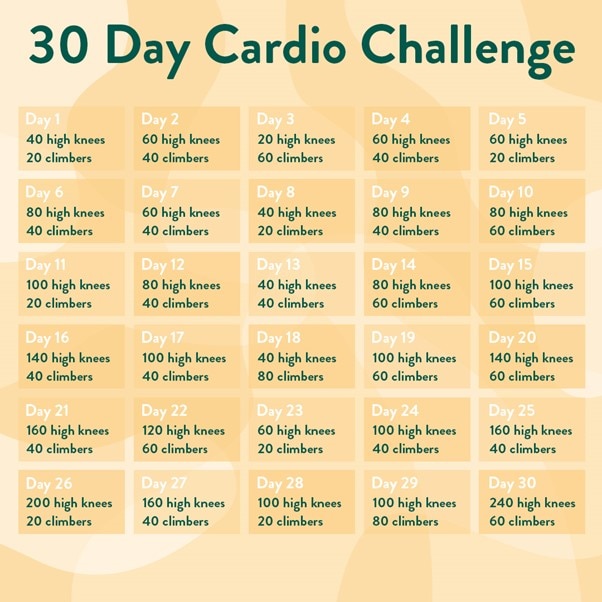
Credit: www.hollandandbarrett.com
Proper Form And Safety Measures
Proper form and safety are key to effective cardio workouts at the gym. They help prevent injuries and improve exercise results. Beginners must focus on learning correct techniques before increasing intensity or duration.
Small mistakes in posture or movement can cause strain. Following safety measures ensures a comfortable and productive session. This section covers essential tips for warm-up, posture, and listening to your body.
Warm-up And Cool-down
Start every cardio session with a warm-up. It prepares your heart, muscles, and joints for exercise. Warm-up should last 5 to 10 minutes. Choose light activities like walking or slow cycling.
Cooling down is just as important. It helps your body return to a resting state. Spend 5 to 10 minutes doing gentle movements after cardio. Stretching muscles reduces stiffness and soreness.
Maintaining Good Posture
Good posture improves breathing and efficiency during cardio. Keep your back straight and shoulders relaxed. Avoid leaning forward or slouching. Engage your core muscles for stability.
For running or walking on a treadmill, look ahead, not down. When using machines, adjust settings to match your height and reach. Proper posture lowers injury risk and boosts performance.
Recognizing Your Limits
Listen closely to your body’s signals. Stop if you feel sharp pain or dizziness. Mild fatigue is normal, but severe discomfort is not. Gradually increase exercise intensity and duration.
Take breaks when needed. Rest helps your body recover. Setting realistic goals avoids burnout and keeps motivation high. Safety first for lasting fitness success.
Tracking Progress And Staying Motivated
Tracking your progress and staying motivated are key elements that keep your cardio routine effective and enjoyable. Without monitoring improvements, it’s easy to lose sight of how far you’ve come. Keeping motivation high helps you push through those tough gym days and reach your fitness goals faster.
Using Fitness Apps
Fitness apps can be powerful tools for tracking your cardio workouts. They log your time, distance, calories burned, and even heart rate if you use a compatible device. Seeing your stats improve over weeks can boost your confidence and encourage you to keep going.
Many apps offer challenges and social features, allowing you to compete with friends or join groups. This sense of community can keep your motivation alive when your energy dips. Have you tried using an app to track your workouts yet?
Setting Realistic Goals
Setting clear and achievable goals gives your cardio sessions purpose. Instead of aiming to run 5 miles immediately, start with 1 mile or 10 minutes of steady cycling. Small wins build momentum and prevent frustration.
Write down your goals and revisit them regularly. Adjust them as you improve, but always keep them challenging enough to push you. What’s one small goal you can set for your next workout?
Rewarding Milestones
Celebrating milestones keeps your journey enjoyable. Treat yourself when you hit a new distance, duration, or consistency record. Rewards can be simple, like a favorite smoothie, new workout gear, or a rest day.
Tracking rewards alongside progress creates positive associations with your efforts. It turns hard work into a game where every achievement feels worth celebrating. What rewards motivate you to keep pushing forward?
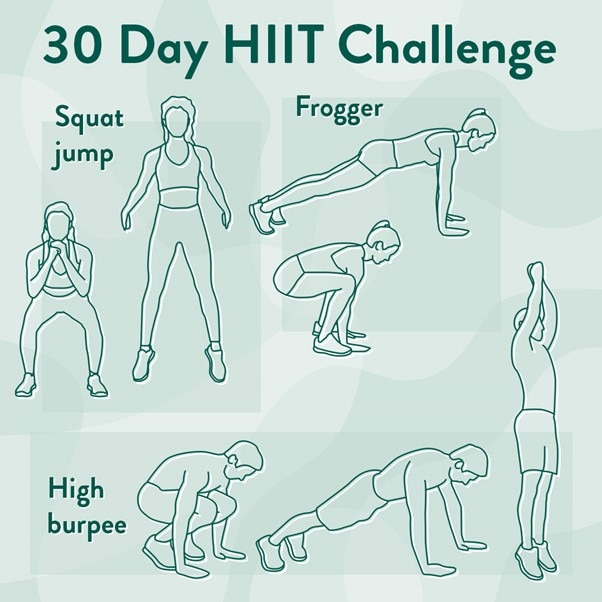
Credit: www.hollandandbarrett.com

Credit: m.youtube.com
Frequently Asked Questions
What Are The Best Cardio Exercises For Beginners?
Beginner-friendly cardio exercises include walking, cycling, elliptical training, and swimming. These workouts improve heart health and stamina. They are low-impact and easy to perform at the gym. Starting with moderate intensity helps build endurance safely.
How Often Should Beginners Do Cardio Workouts?
Beginners should aim for 3 to 4 cardio sessions per week. Each session can last 20 to 30 minutes. Consistency is key to improving fitness and burning calories. Gradually increasing duration and intensity prevents injury.
Can Beginners Lose Weight With Cardio Exercises?
Yes, cardio exercises help beginners burn calories and lose weight. Combined with a healthy diet, cardio boosts metabolism. Regular sessions improve fat loss and cardiovascular health. It’s effective when done consistently and with proper intensity.
How To Avoid Injury During Cardio Workouts?
Warm up before cardio with light stretching and slow movements. Wear proper footwear and maintain good posture. Start slow and increase intensity gradually. Listen to your body to prevent overexertion and muscle strain.
Conclusion
Starting cardio exercises at the gym can improve your health and fitness. Choose simple activities like walking, cycling, or using the elliptical. Begin slowly and increase time and intensity step by step. Consistency matters more than speed or distance. Enjoy the process and listen to your body’s signals.
Regular cardio helps build stamina and boosts energy. Keep your goals clear and stay motivated. Small efforts lead to big changes over time. Keep moving and stay active for a healthier life.







