
You’re expecting a baby, and congratulations are in order! But as your body goes through this incredible transformation, you might be wondering if it’s possible to build muscle during pregnancy.
It’s a question many expectant mothers have, and for a good reason. Staying fit and strong can help you feel better, both mentally and physically, and can even make your delivery smoother. You might have heard mixed opinions, and it’s easy to feel overwhelmed.
But don’t worry, you’re not alone. This article will guide you through the ins and outs of safely building muscle while pregnant. You’ll discover the benefits, the best practices, and the expert tips that can help you maintain your strength and energy. Keep reading to learn how you can take care of your body and your baby simultaneously, and why it’s not only possible but beneficial to consider muscle building during this exciting time in your life.
Benefits Of Muscle Building During Pregnancy
Building muscle during pregnancy offers more than just physical changes. It supports your body in ways that can make pregnancy, labor, and recovery smoother. Many women find that staying strong helps them feel more confident and capable throughout this unique time.
Improved Strength And Endurance
Muscle building helps you gain strength that supports your growing body. Stronger muscles can reduce the effort needed for daily tasks, making you feel less tired. This added endurance can help you stay active and energized, even as your pregnancy progresses.
Think about carrying groceries or walking up stairs—having more muscle can make these easier. You might even notice less strain during physical activities you enjoy, helping you maintain a healthy lifestyle.
Enhanced Posture And Reduced Discomfort
Pregnancy often changes your center of gravity, which can lead to poor posture and back pain. Strengthening your core and back muscles helps you stand tall and supports your spine. This can reduce common discomforts like lower back pain and pelvic pressure.
Better posture also improves breathing and circulation, which benefits both you and your baby. Have you noticed how sitting or standing feels different as your belly grows? Building muscle can make these daily moments more comfortable.
Better Labor And Recovery Outcomes
Strong muscles contribute to a more controlled and effective labor. They help you push with more power and endurance when it counts most. Women who build muscle often report feeling more prepared and capable during delivery.
Postpartum recovery can also improve with muscle strength. It supports faster healing and helps you regain your pre-pregnancy body more easily. Could focusing on muscle building now make your recovery less challenging later?
Safe Exercises For Pregnant Women
Exercise during pregnancy supports health and well-being for both mother and baby. Choosing safe activities helps maintain strength without risking injury. Focus on movements that are gentle on joints and easy to modify as your body changes.
Low-impact Cardio Activities
Low-impact cardio keeps the heart healthy and boosts energy. Walking is simple and effective. Swimming reduces strain by supporting body weight in water. Stationary cycling offers steady movement without risk of falling. These activities increase circulation and help control weight.
Strength Training With Proper Modifications
Strength training builds muscle and improves posture during pregnancy. Use light weights or resistance bands to avoid strain. Avoid lying flat on your back after the first trimester. Focus on controlled movements and steady breathing. Target major muscle groups like legs, arms, and core.
Stretching And Flexibility Routines
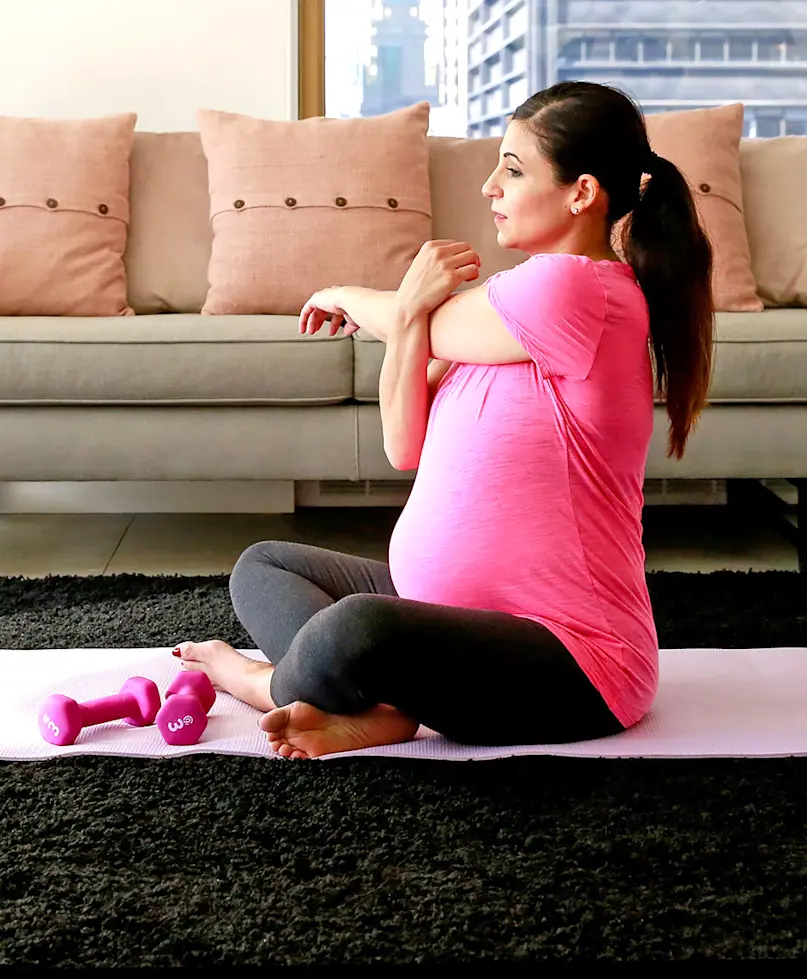
Stretching relieves tension and improves flexibility. Gentle yoga or prenatal stretching classes suit most pregnant women. Avoid deep twists or overstretching. Hold each stretch for 20-30 seconds without bouncing. Stretching helps reduce muscle cramps and supports better sleep.
Key Precautions To Consider
Building muscle during pregnancy can be a rewarding goal, but it demands careful attention to your body’s signals. Staying safe is the top priority, so understanding key precautions helps you protect both your health and your baby’s. Here’s what you need to keep in mind.
Avoiding Overexertion
Pushing yourself too hard can lead to unnecessary risks. Focus on maintaining moderate intensity rather than lifting heavier weights or doing more reps than usual.
Listen closely to your body. If you feel dizzy, overly tired, or short of breath, it’s time to slow down or stop.
Monitoring Heart Rate And Hydration
Keeping your heart rate in a safe zone is crucial. Aim to stay below 140 beats per minute, but check with your healthcare provider for personalized advice.
Hydration often gets overlooked but is essential. Drink water before, during, and after exercise to avoid dehydration, which can cause cramps and contractions.
Recognizing Warning Signs To Stop
Knowing when to stop is just as important as the workout itself. Watch out for symptoms like vaginal bleeding, severe abdominal pain, or sudden swelling.
Other red flags include headaches, chest pain, or decreased fetal movement. If you experience any of these, pause your workout immediately and consult your doctor.
Nutrition Tips For Muscle Growth
Nutrition plays a key role in building muscle during pregnancy. Eating the right foods helps support both your body and your baby’s growth. Choosing nutritious meals fuels workouts and muscle repair. Proper nutrition also aids energy levels and overall health.
Essential Nutrients For Moms-to-be
Pregnant women need extra vitamins and minerals for muscle growth. Key nutrients include:
- Iron:Helps carry oxygen to muscles and baby.
- Calcium:Supports bones and muscle function.
- Vitamin D:Aids calcium absorption and muscle strength.
- Folate:Important for cell growth and repair.
- Omega-3 Fatty Acids:Reduce inflammation and support muscle health.
Eating a variety of fruits, vegetables, whole grains, and lean proteins ensures these nutrients.
Balancing Protein Intake
Protein builds and repairs muscle tissue. Pregnant women should increase protein intake to meet growing needs. Aim for small amounts of protein at each meal.
- Include sources like lean meat, fish, eggs, beans, and dairy.
- Plant-based proteins like lentils and chickpeas work well too.
- Aim for about 70-100 grams of protein daily, depending on activity level.
Protein supports baby’s growth and helps your muscles recover after exercise.
Hydration And Its Role
Water keeps muscles hydrated and working properly. It aids nutrient transport and muscle recovery. Pregnant women need more fluids to stay hydrated.
- Drink at least 8-10 cups of water daily.
- Include fluids like herbal teas and milk.
- Avoid sugary drinks and limit caffeine.
Proper hydration reduces muscle cramps and boosts energy during workouts.
Adjusting Workouts For Each Trimester
Pregnancy brings many changes to the body that affect workouts. Adjusting exercises during each trimester helps maintain safety and comfort. Tailoring your routine supports muscle building while protecting you and your baby.
Each trimester has unique needs and risks. Understanding these differences guides exercise choices. Staying active with proper adjustments promotes strength without strain.
First Trimester Guidelines
The first trimester calls for gentle movement and listening to your body. Fatigue and nausea may affect energy levels. Focus on light strength training with low weights.
- Avoid heavy lifting or intense cardio
- Choose exercises that feel comfortable
- Stay hydrated and rest often
- Pay attention to any pain or dizziness
Safe Practices In The Second Trimester
Energy often improves during this phase. The baby bump starts to grow, changing balance. Modify workouts to stay stable and avoid falls.
- Use lighter weights or resistance bands
- Avoid lying flat on your back
- Include core-strengthening moves with caution
- Keep workouts moderate and steady
Modifications For The Third Trimester
The third trimester requires the most caution. The body prepares for birth, and fatigue can increase. Prioritize gentle strength work and flexibility.
- Focus on low-impact exercises
- Use support for balance during standing moves
- Skip exercises that compress the belly
- Listen closely to your body’s signals
Credit: www.thebump.com
When To Consult A Healthcare Provider
Knowing when to consult a healthcare provider is vital during pregnancy. Exercise can be beneficial, but safety is the top priority. A healthcare provider can guide you on the best ways to build muscle without risks. They help tailor workouts to your unique health status and pregnancy stage.
Medical Conditions Affecting Exercise
Certain medical conditions may limit safe exercise during pregnancy. These include high blood pressure, heart disease, and preterm labor history. Diabetes and placenta problems also require careful monitoring. Your healthcare provider will assess your health before recommending muscle-building activities.
Signs To Seek Immediate Advice
Stop exercising and contact your healthcare provider if you notice:
- Severe abdominal pain or cramping
- Vaginal bleeding or fluid leakage
- Dizziness or fainting spells
- Shortness of breath before starting exercise
- Rapid heartbeat or chest pain
These signs may indicate complications needing urgent care.
Working With Prenatal Fitness Experts
Consult prenatal fitness experts for safe muscle-building routines. They understand pregnancy changes and adjust exercises accordingly. Experts help maintain strength while protecting mother and baby. Partnering with them ensures workouts remain effective and secure throughout pregnancy.
Postpartum Muscle Building Strategies
After giving birth, your body is ready for a new kind of strength challenge. Postpartum muscle building isn’t about rushing back to your pre-pregnancy routine but about understanding your body’s signals and rebuilding with care. This phase offers a unique opportunity to develop muscle in a way that supports your new lifestyle and long-term health.
Gradual Return To Exercise
Start slow. Your body has been through a major event, so ease into movement with gentle stretches and light walking.
Pay close attention to how you feel during and after exercise. Any sharp pain or discomfort means you need to slow down or adjust your routine.
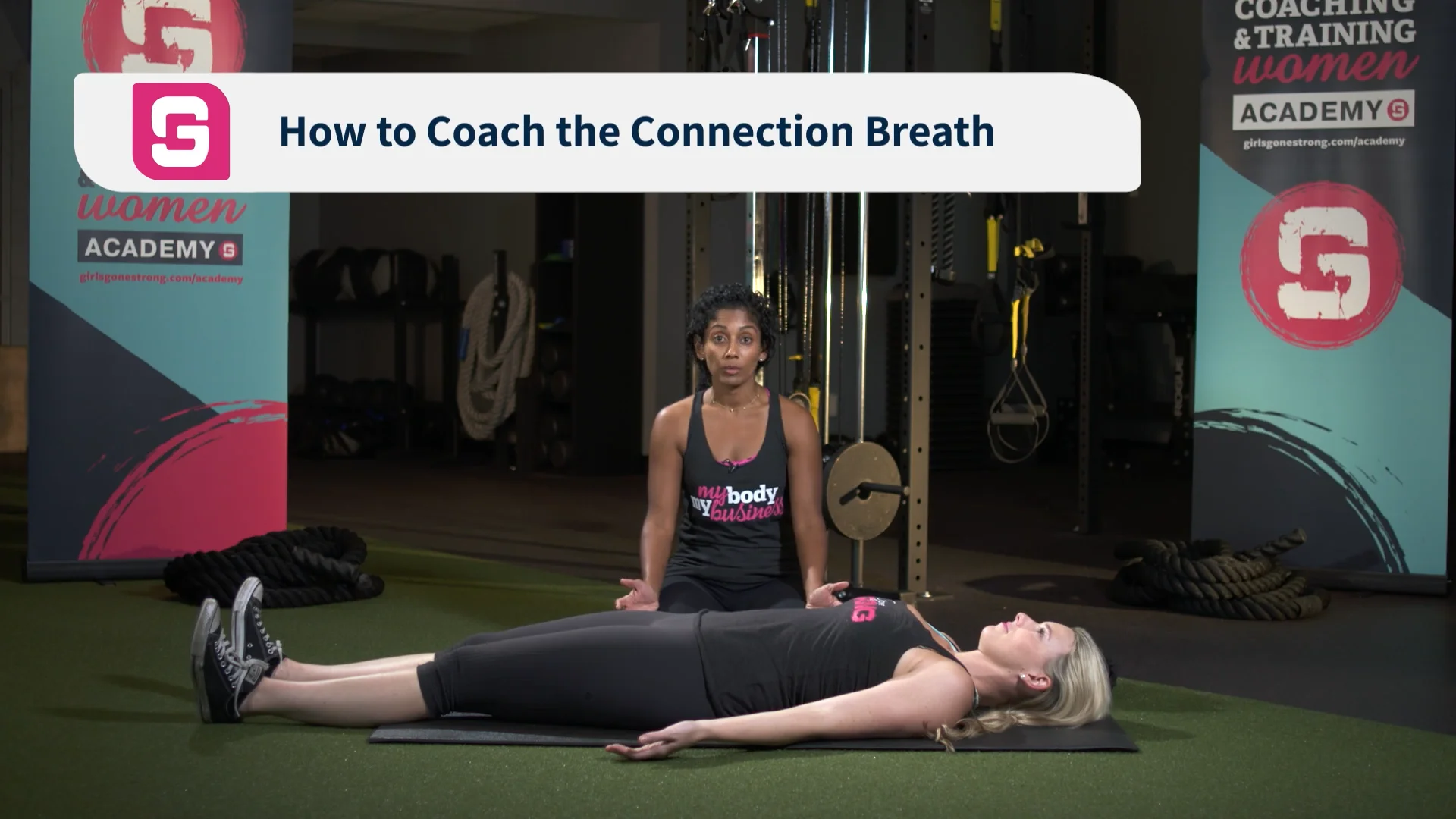
Consider pelvic floor exercises early on to rebuild core stability, which is crucial before adding resistance training.
Rebuilding Strength Safely
Focus on bodyweight exercises at first, like modified squats and wall push-ups, to regain muscle control without overloading your joints.
Use light weights and increase gradually. Your muscles need time to adapt, especially if you experienced a cesarean or muscle separation.
Rest days are just as important as workout days. Your body repairs muscle tissue during recovery, which helps you get stronger.
Supporting Long-term Fitness Goals
- Set realistic, short-term goals that motivate you without causing burnout.
- Mix strength training with activities you enjoy, such as swimming or yoga, to keep your routine interesting.
- Fuel your body with balanced nutrition, including protein, to support muscle growth and energy.
What small change can you make today to build strength steadily? Remember, consistency beats intensity, especially postpartum.

Credit: www.sweatyasamother.com
Credit: www.girlsgonestrong.com
Frequently Asked Questions
Can Pregnant Women Safely Build Muscle?
Yes, pregnant women can safely build muscle with doctor approval. Focus on low-impact, strength-training exercises and proper nutrition. Avoid heavy lifting and listen to your body to prevent injury.
What Are The Best Exercises For Muscle Building During Pregnancy?
Safe muscle-building exercises include bodyweight squats, resistance band workouts, and light dumbbell training. These help maintain strength and support pregnancy changes without excessive strain.
How Does Pregnancy Affect Muscle Growth?
Pregnancy hormones increase joint flexibility but may reduce muscle strength temporarily. Consistent, safe exercise helps maintain muscle tone and supports overall health during pregnancy.
Is Protein Intake Important While Building Muscle Pregnant?
Yes, protein is crucial for muscle repair and growth during pregnancy. Aim for balanced meals with lean protein sources like chicken, fish, beans, and dairy to support muscle building.
Conclusion
Building muscle while pregnant is possible with care and guidance. Always check with your doctor before starting any workout. Focus on gentle exercises that feel safe and comfortable. Listen to your body and avoid pushing too hard. Rest is just as important as exercise during pregnancy.
A balanced diet supports both muscle growth and your baby’s health. Stay consistent but flexible with your routine. Pregnancy is a unique time—prioritize health over intensity. Safe muscle building can help you feel strong and prepared. Take it step by step, and enjoy the journey.







