
Are you curious if yoga can help you build muscle? You might be surprised by the answer.
Picture this: a workout that’s both calming and powerful, where you can tone your muscles without the need for heavy weights or intense gym sessions. Yoga isn’t just about flexibility and relaxation; it can also be a secret weapon for muscle growth.
Imagine sculpting your body while finding inner peace. Sounds appealing, right? You’ll uncover how yoga can be a game-changer for your fitness goals. Whether you’re a yoga enthusiast or a curious beginner, you’ll discover the surprising ways yoga can help you build strength and transform your physique. Keep reading to find out how you can harness the power of yoga to achieve the body you’ve always wanted.
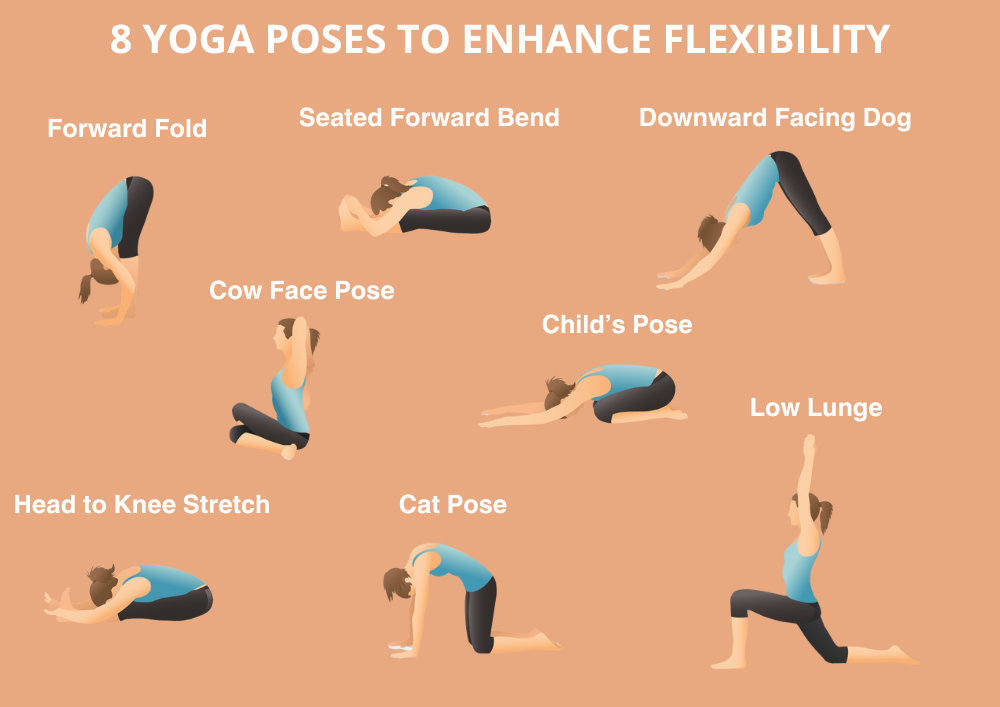
Credit: myyogateacher.com
Yoga And Muscle Growth
Yoga is often seen as a practice for flexibility and relaxation. Yet, it can also support muscle growth. The slow, controlled movements in yoga challenge muscles differently than traditional workouts. Holding poses builds strength by engaging muscles deeply and steadily. This engagement helps muscles grow stronger over time.
How Yoga Engages Muscles
Yoga uses body weight for resistance. Many poses require holding and balancing, which activates multiple muscle groups. This steady tension helps muscles work hard without quick bursts of energy. Yoga also improves muscle endurance by maintaining poses for longer times. The result is toned muscles that grow gradually and evenly.
Breathing plays a key role too. Controlled breathing supports muscle engagement and focus. It helps maintain stability and improves strength during poses. This mindful approach to muscle use differs from fast, repetitive gym exercises.
Types Of Yoga For Strength
- Power Yoga:A fast-paced style that builds muscle through continuous movement.
- Ashtanga Yoga:A rigorous sequence that strengthens muscles with dynamic poses.
- Hatha Yoga:Slower, holds poses longer, focusing on muscle endurance.
- Iyengar Yoga:Uses props and precision to target muscle engagement deeply.
Choosing a style depends on your goals. For muscle growth, styles with longer holds and strength focus work best. Regular practice improves both muscle tone and overall body strength.
Strength Benefits Beyond Flexibility
Yoga is often known for improving flexibility, but it also offers strong benefits for building strength. Many yoga poses require holding your body weight in unique positions. This helps muscles grow stronger without lifting heavy weights.
Yoga combines movement with muscle control. It challenges muscles differently than traditional workouts. Strength gains come from steady muscle engagement and body awareness.
Isometric Holds And Muscle Activation
Yoga includes many isometric holds. These are poses where muscles contract without changing length. Holding these positions activates multiple muscle groups at once.
Isometric holds increase muscle tension. This tension helps build strength over time. Poses like plank or chair pose demand steady muscle engagement.
Muscle activation in yoga is deep and controlled. This improves muscle tone and joint stability. The slow, sustained holds allow muscles to work hard safely.
Improved Muscle Endurance
Yoga enhances muscle endurance by holding poses longer. This trains muscles to resist fatigue. Endurance is key for daily activities and sports.
Regular yoga practice improves stamina. Muscles learn to sustain effort for extended periods. This makes everyday movements easier and reduces injury risk.
Yoga also boosts breathing control. Better breath helps muscles get oxygen. This supports longer, stronger muscle performance.
Comparing Yoga To Traditional Strength Training
Yoga and traditional strength training both help build muscle but in different ways. Yoga focuses on bodyweight exercises, balance, and flexibility. Strength training uses weights or resistance to target specific muscles. Each has unique benefits for muscle growth and overall fitness.
Muscle Building Potential
Yoga can build muscle through sustained holds and controlled movements. Poses like plank and chair pose work multiple muscles at once. This builds endurance and tones the body.
Strength training uses heavier loads to break down muscle fibers. This causes muscle growth during recovery. It is more effective for fast muscle size increase.
Yoga develops lean, strong muscles with less bulk. Strength training builds size and raw power. Both improve muscle tone but in different ways.
Complementing Weightlifting With Yoga
Yoga helps improve flexibility and joint health. This reduces injury risk during weightlifting sessions. It also aids muscle recovery by increasing blood flow.
Weightlifters benefit from yoga’s focus on breathing and balance. Better breathing helps lift heavier weights safely. Balance improves form and muscle activation.
Combining yoga with strength training creates a well-rounded fitness routine. Yoga supports muscle growth and recovery, enhancing overall performance.
Scientific Studies On Yoga And Muscle Strength
Scientific studies have explored how yoga impacts muscle strength, offering insights beyond its well-known flexibility benefits. These studies help you understand if yoga can be a reliable way to build muscle and improve your physical power. Let’s look at the research findings and some important limitations to keep in mind.
Research Findings
Several studies show yoga can increase muscle strength, especially in beginners or those with low baseline fitness. For example, a study published in the Journal of Strength and Conditioning Researchfound participants improved upper and lower body strength after 8 weeks of yoga practice.
Yoga postures often involve holding your own body weight, which acts like resistance training. This helps build muscle endurance and tone rather than massive muscle size. You might notice your muscles feel firmer and more defined, even if they don’t grow significantly larger.
Research also highlights improvements in core strength and balance. These areas are crucial for overall physical health and injury prevention. If your goal is functional strength that supports everyday movements, yoga can be very effective.
Limitations And Considerations
Yoga’s muscle-building effects vary based on style, intensity, and individual effort. For example, gentle or restorative yoga offers less muscle challenge compared to power yoga or Ashtanga. This means not all yoga classes will help you build strength equally.
Another limitation is that yoga typically doesn’t target maximal muscle growth like traditional weightlifting. If your goal is to gain significant muscle mass, yoga alone might not be enough. Combining yoga with other resistance exercises could deliver better results.
It’s also important to consider consistency and progression. Without gradually increasing difficulty or resistance, your muscles won’t get stronger over time. Ask yourself: Are you challenging your muscles enough during your yoga sessions?
Practical Tips To Build Muscle With Yoga
Building muscle with yoga requires focus and the right approach. Yoga is more than stretching; it can also strengthen muscles. Using specific poses and techniques helps increase muscle tone and endurance. Consistency and mindful practice are key to seeing progress.
Best Poses For Strength
Choose yoga poses that challenge your muscles. Hold poses longer to build endurance. Include poses that engage multiple muscle groups for overall strength.
- Plank pose strengthens arms, shoulders, and core.
- Chair pose works thighs, calves, and glutes.
- Warrior II builds leg and core muscles.
- Boat pose targets the abdominal muscles.
- Downward dog strengthens arms, shoulders, and legs.
Practice these poses regularly. Focus on form to maximize muscle engagement. Increase hold time gradually for better results.
Incorporating Resistance Techniques
Add resistance to your yoga practice to build muscle faster. Use tools like yoga blocks, straps, or light weights. These increase muscle activation and challenge strength.
- Use yoga blocks to deepen stretches and improve balance.
- Straps help hold poses longer and with better alignment.
- Light weights during poses like Warrior or Chair add extra resistance.
- Try slow, controlled movements to increase muscle tension.
Combine resistance with steady breathing. This supports muscle growth and endurance. Adjust resistance based on your strength level.

Credit: www.youtube.com
Common Myths About Yoga And Muscle
Many people hesitate to try yoga because of common myths about its effect on muscle strength. These misconceptions can stop you from experiencing the real benefits yoga offers. Let’s clear up some of the most widespread misunderstandings about yoga and muscle building.
Yoga Makes You Weak
Some believe yoga will make muscles soft or weak. But in reality, yoga challenges your muscles in unique ways. Holding poses like plank, chair, or warrior requires strength and endurance.
I once thought yoga was too gentle until I tried a power yoga class. My arms, core, and legs felt the burn just like with weight training. Unlike lifting heavy weights, yoga builds strength through controlled, sustained movements that improve muscle tone and stability.
Ask yourself: Could holding your own body weight in various positions be considered weak? Most likely, it’s a sign of growing strength.
Yoga Is Only For Flexibility
Flexibility is a well-known benefit of yoga, but it’s not the only one. Yoga also improves muscle strength, balance, and endurance. Many postures require you to engage multiple muscle groups at once.
Think about poses like downward dog or crow pose—they demand significant muscle control. These movements enhance your muscle capacity alongside flexibility.
If you only stretch and never challenge your muscles, are you really getting the full yoga experience? Try combining strength-focused poses with stretches to see how yoga can support muscle building.
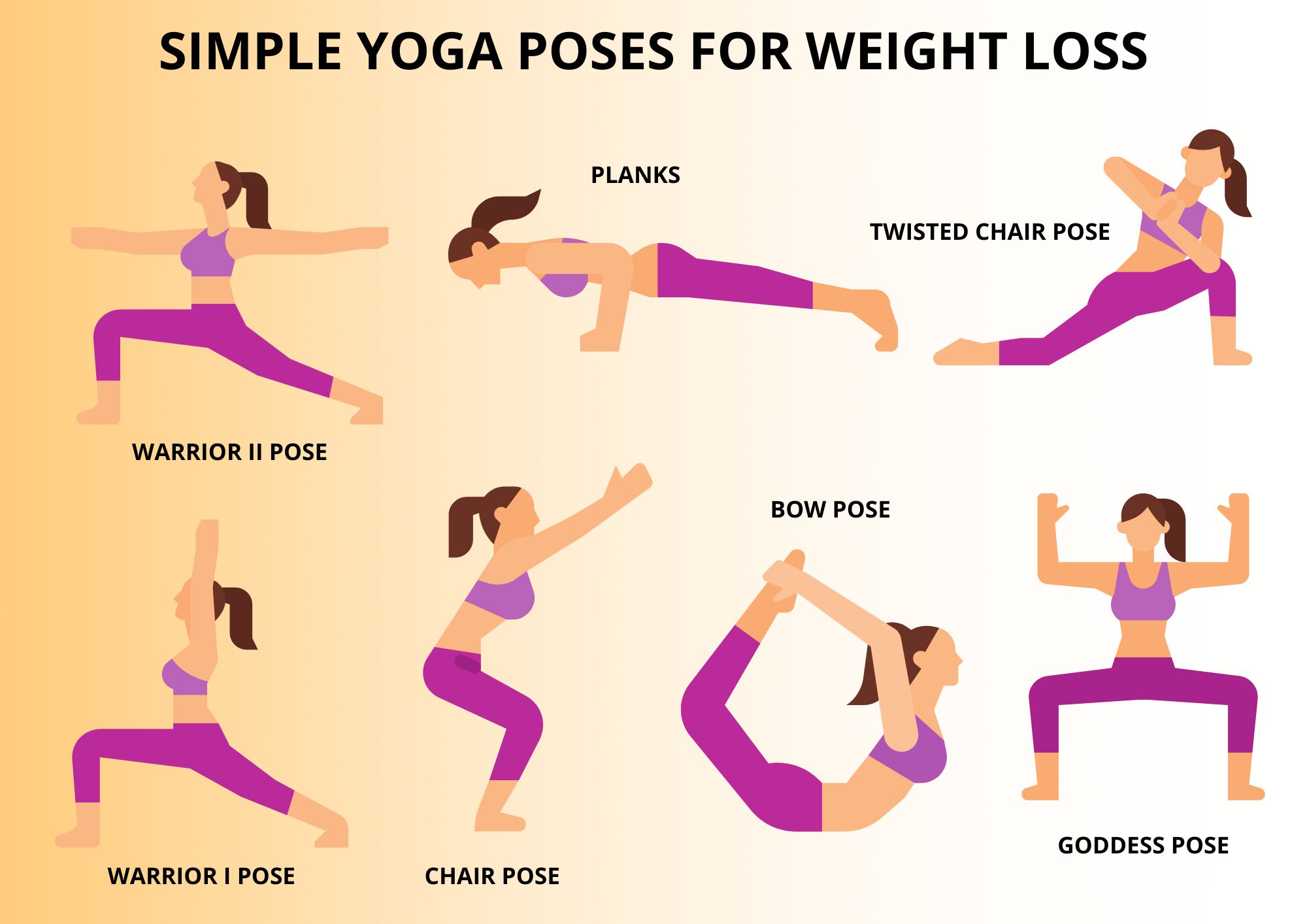
Credit: myyogateacher.com
Frequently Asked Questions
Can Yoga Increase Muscle Size Effectively?
Yoga can build muscle tone and strength but may not increase muscle size significantly. It improves endurance and flexibility, complementing traditional strength training.
How Does Yoga Help In Muscle Recovery?
Yoga promotes blood flow and reduces muscle stiffness. It aids recovery by stretching tight muscles and decreasing soreness after workouts.
Which Yoga Poses Build The Most Muscle?
Poses like Plank, Warrior, and Chair pose engage multiple muscles. These poses enhance strength and muscle endurance effectively.
Is Yoga Enough For Muscle Building Goals?
Yoga alone may not meet all muscle-building goals. Combining yoga with weight training yields better muscle growth and definition.
Conclusion
Yoga can help build muscle through strength and balance poses. It tones your body and improves flexibility. Regular practice increases endurance and muscle control. Combining yoga with other workouts boosts muscle growth faster. Patience and consistency are key to seeing results.
Yoga supports both mind and body health. Try different poses to target various muscle groups. Keep practicing, and enjoy the gradual muscle gains.







