
Imagine a workout that feels more like a refreshing dip than a grueling sweat session. If you’re wondering whether you can build muscle by swimming, you’re not alone.
Many fitness enthusiasts are drawn to the idea of a low-impact exercise that offers both cardiovascular benefits and the potential for muscle growth. But can swimming really help you tone up and gain muscle mass? You’re about to find out.
Dive into this article as we explore how the resistance of water can challenge your muscles in ways you might not expect. By the end, you’ll have a clear understanding of how to harness the power of swimming to transform your body. Ready to make a splash in your fitness routine? Let’s get started!

Credit: www.youtube.com
Muscle Building Basics
Building muscle is more than just lifting heavy weights or doing endless reps. It’s about understanding how your body reacts to exercise and what it needs to grow stronger. Knowing the basics helps you decide if swimming can be an effective way for you to build muscle.
How Muscles Grow
Your muscles grow when they are challenged beyond their usual limits. This stress causes tiny tears in muscle fibers. Your body repairs these tears by fusing muscle fibers together, making them thicker and stronger.
Recovery plays a huge role here. Without enough rest, your muscles can’t rebuild properly. Nutrition matters too—protein fuels this repair process. Have you ever felt sore after trying a new workout? That soreness shows muscle fibers are adapting and growing.
Role Of Resistance In Muscle Gain
Resistance is what forces your muscles to work harder. It can come from weights, body weight, or water. The key is that the resistance must be strong enough to push your muscles beyond their comfort zone.
Swimming creates resistance through water, which is denser than air. Every stroke you take works against this resistance. But is it enough to build muscle like lifting weights? It depends on how you swim and the intensity.
To build muscle, you need to challenge muscles with increasing resistance. Simple swimming may not always provide this progressive challenge. You might need to add tools like paddles or swim with faster, more powerful strokes to increase resistance.
Credit: toneopfit.com
Swimming As Exercise
Swimming is more than just a fun activity at the beach or pool. It’s a powerful form of exercise that challenges your entire body. As you glide through the water, you engage muscles in ways that many land-based workouts can’t match.
Types Of Strokes And Muscle Engagement
Each swimming stroke targets different muscle groups, giving you a full-body workout without the harsh impact on your joints.
- Freestyle (Front Crawl):Primarily works your shoulders, chest, and core. Your arms pull through the water, activating the lats and triceps, while your legs kick to support propulsion.
- Breaststroke:Focuses on the chest, inner thighs, and calves. The frog-like kick strengthens your lower body, while the arm movement engages the pecs and shoulders.
- Backstroke:Activates your upper back, shoulders, and glutes. The flutter kick works your legs, while the arm rotation helps improve posture and shoulder stability.
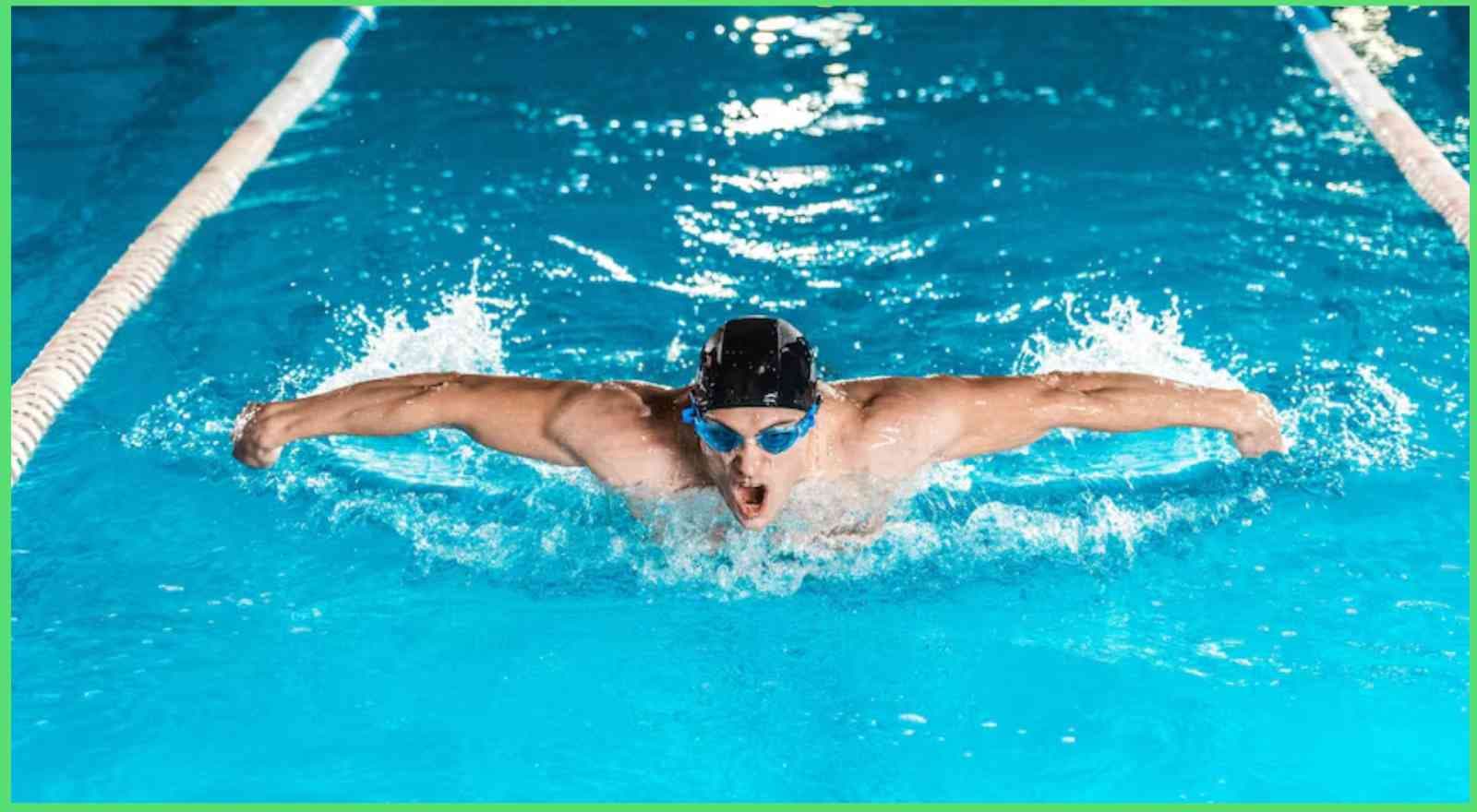
- Butterfly:Demands power from your core, shoulders, and legs. This stroke is intense and builds explosive strength due to the simultaneous arm movement and dolphin kick.
Which stroke suits your muscle-building goals? You might find mixing strokes keeps your muscles guessing and growing.
Intensity And Duration Effects
The way you swim impacts muscle growth just like weight training does. Swimming at a high intensity, with fast-paced intervals, pushes your muscles to work harder and adapt.
Long, steady swims build endurance but may not stimulate much muscle size increase. Think about how sprinting in the pool can burn calories and activate fast-twitch muscle fibers, while gentle laps tone your body without adding bulk.
Try combining short bursts of intense swimming with longer, moderate sessions. This mix can help you build strength and improve your cardiovascular fitness simultaneously.
Have you noticed how your muscles feel after a tough swim? That fatigue is a sign your muscles are responding and growing stronger.
Strength Gains From Swimming
Swimming offers a unique way to build strength through full-body movement. It uses water resistance, which makes muscles work hard without heavy weights. This resistance helps improve muscle tone and endurance. Swimming also reduces joint strain, allowing longer workouts safely. Many swimmers notice better muscle definition and power over time. Understanding which muscles swim targets and how it compares to weight training clarifies its strength benefits.
Muscle Groups Targeted
Swimming engages many major muscle groups all at once. The arms and shoulders work hard with each stroke. The chest and back muscles help pull and push water. Core muscles stabilize the body, keeping it balanced in the water. Legs power the kick, strengthening thighs and calves. This full-body action improves overall muscle tone and coordination.
- Shoulders and arms: deltoids, biceps, triceps
- Back: latissimus dorsi, trapezius
- Chest: pectoral muscles
- Core: abdominals and lower back
- Legs: quadriceps, hamstrings, calves
Comparing Swimming To Weight Training
Swimming builds strength differently than weight training. It uses water resistance instead of heavy weights. This creates gentle but constant tension on muscles. Weight training allows precise control over load and muscle focus. Swimming improves endurance and muscle tone more than pure muscle size. It also boosts cardiovascular health along with strength. Both methods offer unique benefits for muscle growth and fitness.
Optimizing Swimming For Muscle
Swimming is a fantastic full-body workout, but building muscle requires more than just casual laps. To truly optimize swimming for muscle growth, you need to challenge your muscles with varied intensity and resistance. Adjusting your swim routine with targeted strategies can help you gain strength and size effectively.
Incorporating Interval Training
Interval training involves alternating short bursts of intense swimming with periods of rest or light swimming. This approach pushes your muscles to work harder during sprints, promoting muscle fatigue and growth. Try swimming 50 meters at maximum effort, then resting for 30 seconds, and repeating this cycle for 20 minutes.
You might be surprised how much faster your muscles get stronger with this method compared to steady, moderate swimming. Have you noticed how brief, intense efforts leave your muscles burning more than long, easy swims?
Using Swim Aids For Resistance
Adding swim aids like paddles, fins, or resistance bands increases the load on your muscles. Paddles make your hands catch more water, forcing your arms and shoulders to work harder. Fins boost leg strength by requiring more effort during kicks.
Resistance bands can be used on land or attached to the poolside for powerful muscle engagement. These tools help you focus on muscle groups that need extra work. What happens if you add just one swim aid next time you train—will your muscles feel a new challenge?
Combining Swimming With Dryland Workouts
Swimming alone can build endurance and tone muscles, but pairing it with dryland workouts accelerates muscle growth. Strength training exercises like push-ups, pull-ups, and weight lifting target muscles that swimming activates but doesn’t fully develop.
Adding core exercises improves your swimming posture and power. For example, I noticed my stroke became stronger after a few weeks of simple bodyweight exercises outside the pool. Could your swimming progress jump if you add just 20 minutes of dryland training a few times a week?
Nutrition For Muscle Growth
Building muscle through swimming is not just about the hours you spend in the pool. Your nutrition plays a crucial role in supporting muscle repair and growth. Without the right fuel, your body can struggle to recover and develop stronger muscles despite your swimming efforts.
Protein Needs
Your muscles need protein to repair and grow after swimming workouts. Aim to eat enough protein throughout the day, especially if you swim regularly or intensely. Most swimmers benefit from about 1.2 to 2.0 grams of protein per kilogram of body weight daily.
Good sources include lean meats, fish, eggs, dairy, beans, and plant-based proteins like tofu or lentils. Don’t forget to spread your protein intake over multiple meals to keep your muscles fueled consistently.
Timing Meals Around Workouts
When you eat can be just as important as what you eat. Try to have a meal or snack with protein and carbs about 1 to 2 hours before swimming to give your muscles energy. After swimming, eat a protein-rich meal within 30 to 60 minutes to kickstart muscle recovery.
Hydration matters too. Drinking water before, during, and after your swim helps maintain performance and muscle function. Have you noticed how your recovery improves when you time your meals right?
Common Challenges
Building muscle through swimming offers unique benefits but also comes with its own set of challenges. Understanding these obstacles helps you stay motivated and adjust your approach effectively. Let’s look at some common issues swimmers face on their muscle-building journey.
Plateaus In Muscle Gain
Hitting a plateau can feel frustrating when your muscles stop growing despite consistent swimming. Your body adapts to the workout, so the same routine becomes less effective over time. To break through, you need to change your swim workouts by adding intensity or varying your strokes.
Try including sprint intervals or resistance tools like swim paddles and fins. These create more muscle tension, pushing your muscles to grow. Have you noticed how your muscles respond when you switch up your swim style or add weights to your dryland training?
Preventing Overuse Injuries
Swimming involves repetitive movements that can strain your shoulders, knees, and hips. Overuse injuries can slow your progress and keep you out of the pool. Pay attention to any persistent pain and avoid pushing through discomfort.
Balance your swim sessions with strength exercises targeting stabilizer muscles. Stretching and proper warm-ups reduce injury risk too. How often do you rest or cross-train to give your body a break from constant swimming?
Tracking Progress
Tracking progress is key to understanding how swimming impacts your muscle growth. Without clear markers, it’s easy to lose motivation or miss subtle improvements. Keeping an eye on specific changes can help you adjust your routine and push harder when needed.
Measuring Strength Improvements
Strength isn’t just about lifting heavy weights. In swimming, strength shows up as faster strokes, stronger kicks, and longer endurance in the water. You can track this by timing your laps or counting how many strokes you take per length.
Try recording your swim times weekly. Notice if you can swim the same distance with fewer strokes—that means your muscles are working more efficiently. Have you checked if you can hold a plank or do push-ups longer after a few weeks of swimming? These exercises reflect your overall strength gains too.
Body Composition Changes
Muscle growth affects your body composition, which means changes in fat and muscle percentages. Swimming can help you lose fat and build lean muscle, but scales don’t always tell the full story.
Use a tape measure to track changes in your waist, arms, and thighs every two weeks. You might find your clothes fitting differently before the scale moves. How does your body feel in terms of energy and firmness? These personal signs often reveal progress better than numbers alone.

Credit: legendaryswimmers.com
Frequently Asked Questions
Can Swimming Help Build Muscle Mass Effectively?
Yes, swimming builds muscle by engaging multiple muscle groups. It tones muscles through resistance against water, improving strength and endurance efficiently.
Which Muscles Does Swimming Primarily Target?
Swimming primarily targets the shoulders, back, chest, arms, and legs. It also engages core muscles for stability and balance during strokes.
How Often Should I Swim To Build Muscle?
To build muscle, swim at least 3-4 times weekly. Consistency and progressive intensity are key for noticeable muscle growth and strength.
Is Swimming Better Than Weightlifting For Muscle Growth?
Swimming improves muscle tone and endurance but is less effective than weightlifting for significant muscle size increases. Both complement each other well.
Conclusion
Swimming can help build muscle, especially with regular practice. It works many muscles at once, making your body stronger. You can gain lean muscle and improve endurance by swimming often. Combining swimming with other strength exercises speeds up muscle growth.
Consistency matters most for seeing real results in your muscles. So, swim regularly and stay patient to build muscle effectively.







