
Are you trying to build muscle and wondering if carbs can play a role in your fitness journey? You’re not alone.
Many fitness enthusiasts and athletes constantly debate the role of carbohydrates in muscle growth. You might think that protein is the only nutrient that matters for building muscle, but carbs have a surprising impact on your gains. Imagine having more energy during your workouts, recovering faster, and even increasing your muscle mass more effectively—all thanks to the right carbs.
Intrigued? Keep reading to discover how carbs could be your secret weapon in achieving your muscle-building goals.
Credit: medium.com
Role Of Carbs In Muscle Growth
Carbohydrates play a vital role in muscle growth and overall fitness. They provide the necessary fuel for intense workouts and support recovery. Without enough carbs, muscle building slows down, and performance drops. Understanding how carbs aid muscle growth helps in planning better diets and training routines.
Carbs As Primary Energy Source
Carbs are the body’s main energy source during exercise. They break down into glucose, which fuels muscles. This energy allows you to lift heavier and train longer. Without carbs, the body uses protein for energy, which reduces muscle growth. Eating enough carbs keeps energy levels high and workouts effective.
Impact On Protein Synthesis
Protein synthesis is the process of building muscle. Carbs help by increasing insulin levels, a hormone that promotes muscle repair. Insulin helps move amino acids from protein into muscle cells. This speeds up muscle recovery and growth. Carbs, therefore, support protein’s role in building muscle.
Glycogen Storage And Muscle Recovery
Glycogen is stored carbohydrate in muscles. It acts as a quick energy reserve during exercise. After workouts, glycogen stores are low and need refilling. Eating carbs restores glycogen, helping muscles recover faster. Proper glycogen levels reduce fatigue and prepare muscles for the next workout.
Types Of Carbs For Muscle Building
Carbohydrates play a key role in muscle building. They provide the energy needed for workouts and help with recovery. Different types of carbs affect the body in various ways. Choosing the right carbs supports muscle growth and keeps energy levels stable.
Simple Vs Complex Carbohydrates
Simple carbs digest quickly and give fast energy. Examples include sugar, honey, and fruit. They are useful right after exercise to refill energy fast. Complex carbs take longer to digest. They provide steady energy over time. Whole grains, vegetables, and legumes are complex carbs. For muscle building, a mix of both types is best.
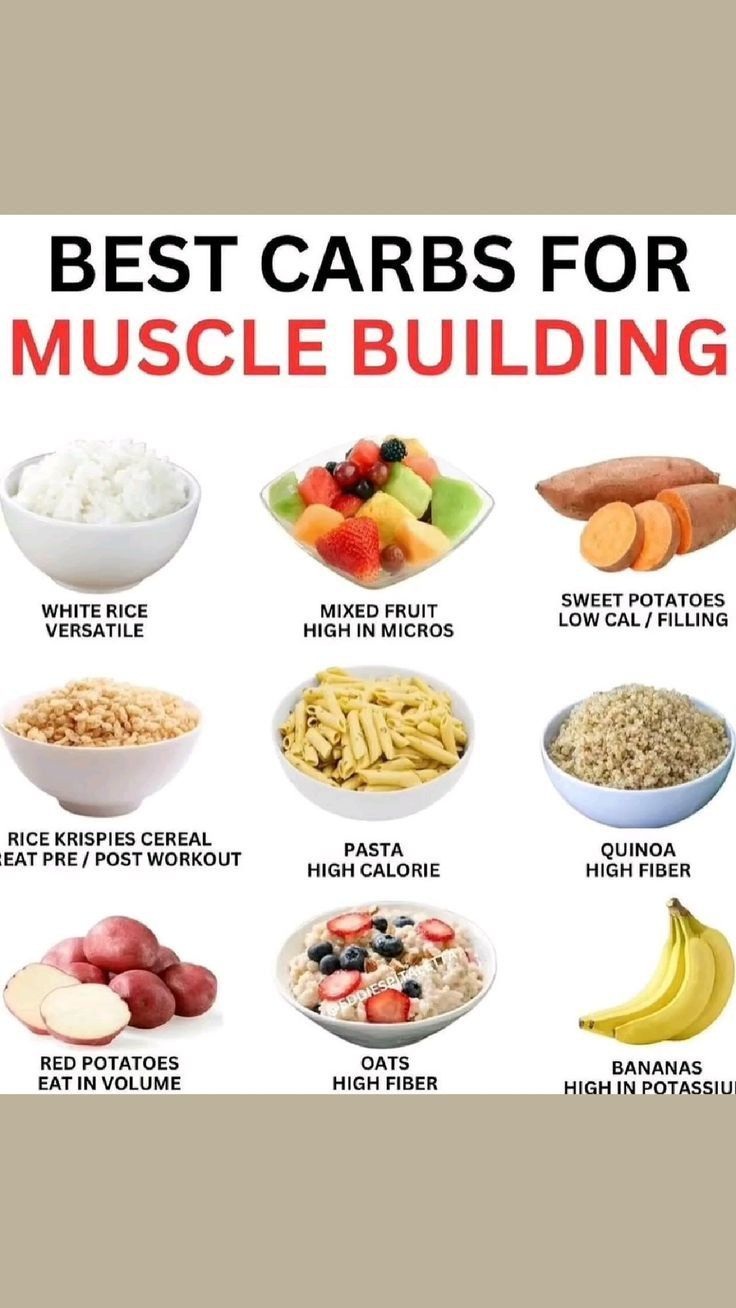
Best Carb Sources For Growth
- Brown rice – rich in fiber and nutrients
- Oats – slow-digesting and filling
- Sweet potatoes – packed with vitamins and minerals
- Quinoa – complete protein and carb source
- Bananas – quick energy and potassium
- Whole wheat bread – good for sustained energy
These sources support muscle repair and provide essential nutrients.
Timing Carb Intake
Eating carbs before workouts fuels muscles. It helps you train harder and longer. After exercise, carbs help refill muscle energy stores. Pair carbs with protein to boost muscle repair. Spread carb intake through the day for steady energy. Avoid heavy carb meals right before bed to prevent fat gain.
Carb Intake And Workout Performance
Carbohydrates play a crucial role in how well you perform during workouts. Your carb intake can directly impact your energy levels, muscle recovery, and overall strength. Understanding this connection can help you optimize your training and build muscle more efficiently.
Fueling Intense Training
Your muscles rely on glycogen, a form of stored carbohydrate, as their primary fuel during high-intensity workouts. Without enough carbs, you might find yourself running out of steam faster than expected. Have you noticed times when you felt drained halfway through a workout? That’s often a sign of low glycogen levels.
Eating carbs before exercise helps keep your energy steady and lets you push harder and longer. Simple carbs like fruit or a small serving of oatmeal about 30-60 minutes before training can give you a quick energy boost.
Preventing Muscle Fatigue
Muscle fatigue can be a big barrier to progress. When your glycogen stores drop too low, your muscles can’t contract as effectively, leading to tiredness and reduced performance. This is why carb intake matters not just before, but also after workouts.
Refueling with carbs post-exercise helps replenish glycogen, speeding up recovery and preparing your muscles for the next session. Pairing carbs with protein after training enhances muscle repair and growth, making your efforts in the gym more effective.
Enhancing Endurance And Strength
Carbs don’t just fuel endurance activities; they also support strength gains. When you have sufficient glycogen, your muscles can sustain longer sets and heavier lifts. This means more reps, more volume, and ultimately more muscle growth.
Consider tracking your carb intake on training days. You might find that slightly increasing carbs before and after workouts improves your stamina and lifting capacity. What small changes can you make to your diet to see better workout results?
Balancing Carbs With Protein And Fats
Balancing carbs with protein and fats is crucial for muscle building. Each macronutrient plays a unique role in supporting growth and recovery. Understanding how to combine them effectively can boost your gains and keep your energy steady throughout the day.
Optimal Macronutrient Ratios
Your body needs a specific balance of carbs, protein, and fats to build muscle efficiently. A common guideline is:
- Carbs:40-50% of your daily calories
- Protein:25-35%
- Fats:20-30%
These ratios might change depending on your workout intensity and goals. If you feel sluggish during workouts, increasing carbs slightly can help. On rest days, reducing carbs and focusing more on protein and fats might aid recovery.
Carbs And Protein Synergy
Carbs and protein work best when eaten together. Carbs replenish glycogen stores, giving your muscles the energy they need to perform and recover. Protein provides the building blocks (amino acids) essential for muscle repair.
Eating protein with carbs after a workout can speed up muscle recovery and growth. Think of a chicken sandwich on whole grain bread or a smoothie with fruit and whey protein. Have you noticed how your muscles feel more refreshed after such meals?
Healthy Fats Role
Fats often get overlooked, but they are vital for hormone production, including testosterone, which influences muscle growth. Healthy fats also support joint health and reduce inflammation.
Include sources like avocados, nuts, seeds, and olive oil in your meals. These fats help keep you full and provide long-lasting energy. Have you tried adding a handful of nuts to your post-workout snack? It can make a noticeable difference in how you feel.
Common Myths About Carbs And Muscle
Carbohydrates often get a bad rap when it comes to building muscle. Many people believe carbs are the enemy of a lean, muscular body. However, these ideas are usually based on misunderstandings rather than facts. Let’s clear up some common myths about carbs and how they affect your muscle growth.
Carbs Cause Fat Gain
One of the biggest myths is that eating carbs automatically leads to fat gain. The truth is, fat gain happens when you consume more calories than your body needs, regardless of whether those calories come from carbs, fats, or proteins.
Carbs are your body’s preferred energy source. When you eat enough carbs, your muscles get the fuel they need to perform better during workouts. Skipping carbs can actually make it harder to build muscle because your body lacks the energy to push through intense training.
Low-carb Diets And Muscle Loss
Some people believe low-carb diets help build muscle by cutting fat quickly. But dropping carbs too low can cause muscle loss instead. Without enough carbs, your body may start breaking down muscle tissue for energy.
I once tried a low-carb plan to get lean faster, but I noticed my strength dropped and my muscles looked flatter. This happened because my body wasn’t getting enough glycogen, which is stored carbohydrate in muscles. Keeping carbs at a healthy level helps protect your hard-earned muscle.
Carbs After Workout
Another myth is that you must eat carbs immediately after your workout to build muscle. While post-workout carbs can help replenish energy stores, the timing isn’t as strict as many think.
What matters most is your total carb intake throughout the day. If you miss a post-workout carb snack, don’t stress. Focus on balanced meals that include carbs, protein, and healthy fats to support muscle recovery and growth.

Credit: www.youtube.com
Practical Tips For Carb Planning
Carbohydrates play a key role in muscle building. Planning carbs properly supports energy and recovery. Smart carb choices help you fuel workouts and grow muscle.
Calculating Daily Carb Needs
Start by knowing your calorie needs. Carbs should make up 40% to 60% of your total calories. Multiply your daily calories by 0.4 to 0.6.
Convert calories to grams by dividing by 4. For example, 2,500 calories × 0.5 = 1,250 calories from carbs. Then, 1,250 ÷ 4 = 312 grams of carbs.
Adjust based on activity. More exercise means more carbs. Less exercise means fewer carbs.
Meal Prep And Carb Choices
Plan meals with healthy carb sources. Choose whole grains, fruits, and vegetables. These provide fiber and nutrients.
Cook in batches to save time. Use brown rice, oats, and sweet potatoes. Add beans and lentils for variety.
Keep snacks simple. Try fruit, yogurt, or whole-grain crackers. Avoid sugary and processed carbs.
Adjusting Carbs For Goals
Muscle gain needs more carbs than fat loss. Increase carbs on training days for energy. Decrease carbs on rest days to avoid fat gain.
Watch your body’s response. Track your energy and weight changes. Change carb amounts if needed.
Balance carbs with protein and fats. A good ratio supports muscle growth and health.
Credit: x.com
Frequently Asked Questions
Can Carbs Help In Muscle Growth?
Yes, carbs provide energy for workouts and aid muscle recovery. They replenish glycogen stores, supporting muscle repair and growth.
How Many Carbs Should I Eat To Build Muscle?
Aim for 3-5 grams of carbs per kilogram of body weight daily. Adjust based on workout intensity and individual needs.
Are All Carbs Equally Effective For Muscle Building?
No, complex carbs like whole grains digest slowly, providing steady energy. Avoid excessive simple sugars for better muscle gains.
When Is The Best Time To Consume Carbs For Muscles?
Consume carbs before and after workouts to fuel performance and speed recovery. This timing optimizes muscle growth and energy levels.
Conclusion
Carbohydrates play a key role in building muscle. They give your body energy for workouts. Without enough carbs, muscle growth can slow down. Eating balanced meals with carbs supports recovery and strength. Choose healthy carbs like fruits, vegetables, and whole grains.
Remember, carbs work best with enough protein and regular exercise. This simple approach helps you gain muscle safely and steadily. Keep your diet clear and consistent for the best results. Muscle growth needs fuel, and carbs are an important part of that fuel.







