
Are you curious about how to build muscle while sticking to a keto diet? You might think that consuming fewer carbs could hinder your muscle-building goals, but that’s not necessarily the case.
Imagine achieving your fitness aspirations while still indulging in delicious, high-fat meals. Sounds intriguing, right? In this blog post, you’ll discover the secrets to maximizing muscle growth without sacrificing the keto lifestyle you love. By the end, you’ll have practical tips and a newfound confidence to fuel your workouts and see those gains.
So, are you ready to unlock the potential of combining keto with muscle building? Dive in and learn how you can make it happen!
Keto Diet Basics
The keto diet is more than just cutting carbs; it’s about shifting your body’s fuel source from sugar to fat. This change can impact how your muscles grow and recover. Understanding the basics of keto helps you make smarter choices for building muscle without losing energy or strength.
How Keto Affects Muscle Growth
On keto, your body uses ketones from fat instead of glucose for energy. This can reduce insulin spikes, which usually help muscle growth. But lower insulin doesn’t mean you can’t build muscle—it just means you need to focus on other ways to support growth.
Many people worry they will lose muscle on keto, but that’s not always true. If you eat enough protein and train properly, your muscles can grow just as well. Have you noticed how your energy feels during workouts on keto? Adjusting fat and protein can keep your performance strong.
Key Macronutrients For Muscle Gains
Protein is your best friend for building muscle on keto. Aim for moderate to high protein intake to repair and grow muscle fibers. Fat becomes your main energy source, so don’t shy away from healthy fats like avocados, nuts, and olive oil.
Carbs stay low, usually below 50 grams a day, to keep your body in ketosis. But that doesn’t mean zero carbs—green veggies and berries give you fiber and nutrients without kicking you out of ketosis.
| Macronutrient | Role in Muscle Building | Examples |
|---|---|---|
| Protein | Muscle repair and growth | Chicken, eggs, whey protein, fish |
| Fat | Primary energy source | Olive oil, avocado, nuts, butter |
| Carbohydrates | Minimal intake for ketosis | Leafy greens, berries, nuts |
What changes can you make in your current diet to balance these macros better? Tracking your intake for a week might reveal simple tweaks to boost muscle growth while staying in ketosis.
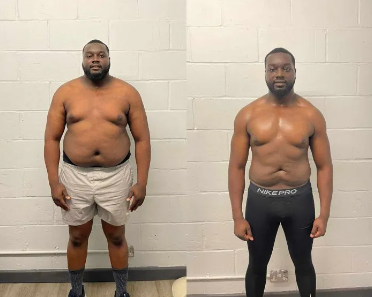
Credit: medium.com
Optimizing Protein Intake
Optimizing protein intake is key to building muscle on a keto diet. Protein supports muscle repair and growth. It also helps maintain lean mass while following low-carb eating. Getting the right amount and type of protein ensures your muscles recover well after workouts.
Balancing protein with fats and carbs is important to stay in ketosis. Too much protein can turn into glucose and slow fat burning. Too little protein can hinder muscle growth and recovery. Focus on quality protein sources and smart timing to get the best results.
Best Protein Sources On Keto
- Eggs: Rich in essential amino acids and easy to digest.
- Chicken and Turkey: Lean and high in protein with minimal carbs.
- Beef and Pork: Provide iron and creatine, good for muscle energy.
- Fish and Seafood: High in omega-3 fats and protein.
- Cheese and Greek Yogurt: Offer protein and healthy fats.
- Whey Protein: Fast-absorbing and low in carbs, ideal post-workout.
Timing Protein For Muscle Repair
Eating protein soon after workouts helps muscles recover faster. Aim to consume protein within 30 to 60 minutes post-exercise. Spread protein intake evenly across meals to maintain muscle protein synthesis. Avoid large gaps between meals to keep recovery consistent.
Pre-workout protein can reduce muscle breakdown during exercise. Combine protein with some fat for steady energy. Consistent timing helps your body use protein efficiently for muscle repair and growth.
Effective Training Methods
Building muscle on a keto diet requires the right training methods to support growth and strength. Training should focus on maximizing muscle tension and recovery while considering keto’s low-carb nature. Effective workouts help maintain energy and build muscle without burning out.
Strength Training On Keto
Strength training is vital for muscle growth on keto. It uses heavy weights with low repetitions to target muscle fibers deeply. This type of training boosts muscle mass and strength efficiently.
- Focus on compound movements like squats, deadlifts, and bench presses.
- Train 3-4 times per week for balanced recovery.
- Keep workouts short but intense, around 45 minutes.
- Progressively increase weights to challenge muscles.
Strength training also improves insulin sensitivity, which helps keto dieters use nutrients better. Rest days are important to allow muscles to repair and grow.
Incorporating High-intensity Workouts
High-intensity workouts enhance fat burning and support muscle retention on keto. These workouts involve quick bursts of effort followed by short rest periods. They improve endurance and keep metabolism high.
- Include sprint intervals or circuit training.
- Limit sessions to 20-30 minutes to avoid overtraining.
- Use bodyweight exercises or light weights for intensity.
- Perform 2-3 high-intensity sessions weekly for best results.
High-intensity training increases growth hormone levels, aiding muscle repair. It also helps maintain muscle during calorie deficits common on keto.

Credit: allmaxnutrition.com
Supplementing For Success
Building muscle on a keto diet needs more than just food. Proper supplements support strength, recovery, and energy. Choosing the right supplements fits the low-carb, high-fat plan. This helps keep your muscle gains steady and your body fueled.
Keto-friendly Supplements
Some supplements fit well with keto rules. These help fill gaps and boost workouts. Electrolytes like magnesium, potassium, and sodium keep you balanced. MCT oil adds quick energy from fats. Fish oil supports joint and heart health. Vitamin D helps bones and muscle function. Protein powders made from whey isolate or collagen provide muscle-building blocks without carbs.
Role Of Creatine And Bcaas
Creatine aids energy production in muscle cells. It boosts strength and allows more reps. This leads to faster muscle growth on keto. BCAAs (branched-chain amino acids) help reduce muscle breakdown. They improve recovery after workouts. BCAAs also keep muscles fueled during fasting periods common in keto. Both supplements work well without adding carbs. They fit perfectly into a keto muscle-building plan.
Managing Energy And Recovery
Managing energy and recovery is key to building muscle on a keto diet. The body uses fat as its main fuel source, which changes how workouts feel and how muscles heal. Adjusting your routine to fit this energy system can improve strength and growth.
Fueling Workouts With Fat
On keto, the body burns fat for energy instead of carbs. This means your muscles get a steady fuel supply during exercise. Fat provides long-lasting energy but burns slower than carbs. This can affect workout intensity and duration.
To fuel workouts well:
- Eat enough healthy fats like avocado, nuts, and olive oil.
- Include moderate protein to support muscle needs.
- Time meals to have fats before workouts for energy.
- Stay hydrated to help fat metabolism.
Rest And Muscle Repair Strategies
Rest is crucial for muscle growth and recovery on keto. Muscles repair during sleep and rest days, so prioritize quality sleep. Aim for 7-9 hours of uninterrupted rest each night.
Other repair tips include:
- Use light stretching or yoga to reduce soreness.
- Incorporate active recovery days with low-intensity activities.
- Consume enough protein to help muscle repair.
- Consider supplements like magnesium and omega-3s to reduce inflammation.

Credit: www.youtube.com
Tracking Progress And Adjustments
Tracking progress and making adjustments are key to building muscle on a keto diet. Without tracking, it is hard to know if your efforts work. Regular checks help you stay on the right path and reach your goals faster.
Tracking progress also shows what needs change. Muscle growth might slow or stop. Changes in diet or workout can fix this. Small tweaks make a big difference over time.
Monitoring Muscle Gains
Measuring muscle gains regularly helps you see true progress. Use a tape measure to track muscle size. Measure arms, chest, and legs once a week. Take photos from different angles to compare over time.
Body weight can change, but muscle gain might not show on the scale. Use body fat calipers or a scale with body composition features. These tools show fat loss and muscle gain separately.
- Track strength by logging workout weights and reps
- Note changes in how clothes fit
- Keep a journal of energy and recovery
Adjusting Macros For Results
Macros affect muscle growth on keto. Protein supports muscle repair and growth. Fat provides energy. Carbs remain low to keep ketosis.
If muscle gains stall, adjust your macros. Increase protein slightly to support muscle building. Make sure fat intake balances energy needs.
| Macro | Adjustment Tip |
|---|---|
| Protein | Increase by 5-10 grams per day if no progress |
| Fat | Reduce or increase to maintain energy and weight |
| Carbohydrates | Keep under 50 grams to stay in ketosis |
Track changes for two weeks before making more adjustments. Patience is key in seeing real muscle growth on keto.
Frequently Asked Questions
Can You Build Muscle Effectively On A Keto Diet?
Yes, you can build muscle on a keto diet by eating enough protein. Focus on high-quality protein sources and maintain a calorie surplus. Combine resistance training with proper recovery for optimal muscle growth while in ketosis.
How Much Protein Is Needed For Muscle Gain On Keto?
Aim for 1. 2 to 2. 0 grams of protein per kilogram of body weight daily. This supports muscle repair and growth while keeping your body in ketosis. Adjust based on activity level and individual goals.
What Are The Best Keto-friendly Foods For Muscle Building?
Choose fatty fish, eggs, meat, poultry, nuts, seeds, and low-carb vegetables. These provide essential protein, healthy fats, and micronutrients needed for muscle growth on keto. Avoid high-carb foods that disrupt ketosis.
Does Keto Affect Workout Performance And Muscle Recovery?
Keto may reduce glycogen stores, potentially impacting high-intensity performance initially. However, fat adaptation improves endurance over time. Adequate protein and electrolytes support muscle recovery effectively on a ketogenic diet.
Conclusion
Building muscle on a keto diet is possible with the right plan. Focus on eating enough protein and healthy fats. Keep your workouts consistent and give your body time to adapt. Stay hydrated and track your progress. Small changes make a big difference over time.
Remember, patience and effort bring results. Keto and muscle growth can work well together. Stay committed and enjoy the journey.







