
Do you want your dog to be stronger, healthier, and more energetic? Building muscle mass in dogs isn’t just for show—it can improve their overall well-being and help them live a happier life.
But how do you safely and effectively help your furry friend gain muscle? You’ll discover simple, practical steps that anyone can follow. Keep reading to learn the secrets that can transform your dog’s strength and vitality. Your dog deserves it!
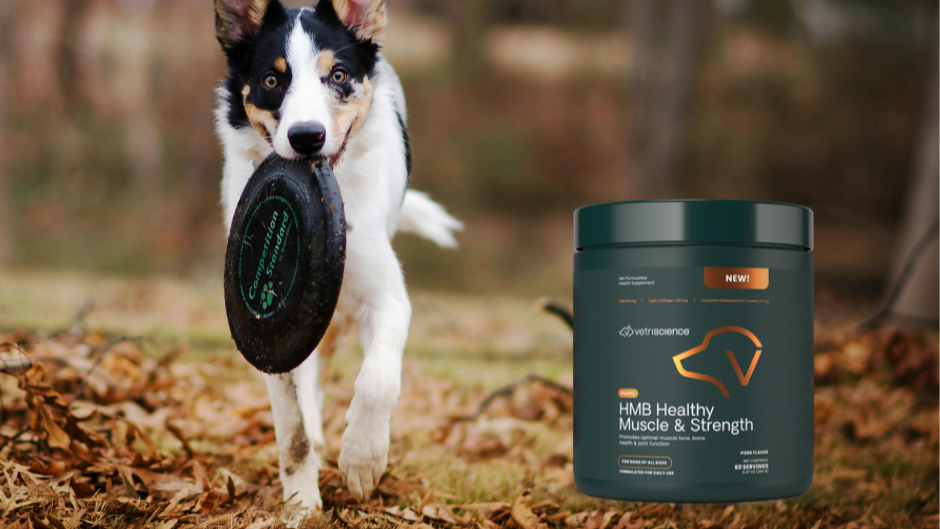
Credit: blog.vetriscience.com
Benefits Of Muscle Building
Building muscle mass in dogs offers more than just a stronger appearance. It directly impacts their overall health and daily life quality. Understanding these benefits can motivate you to support your dog’s muscle growth through proper exercise and nutrition.
Improved Mobility
Stronger muscles help your dog move with greater ease and confidence. This improvement is especially important for older dogs or those recovering from injury. When muscles support movements better, you’ll notice your dog running, jumping, and playing more actively.
Have you observed your dog hesitating before climbing stairs or jumping into the car? Increasing muscle mass can reduce these struggles and restore their natural agility.
Enhanced Joint Support
Muscle mass acts like a natural cushion around joints, reducing strain and preventing injuries. Dogs with well-developed muscles experience less joint pain and stiffness. This can delay or even prevent conditions like arthritis.
Think about your dog’s daily activities. Strong muscles help absorb shocks from running or sudden movements, protecting delicate joints from wear and tear.
Boosted Metabolism
Muscle tissue burns more calories than fat, even when your dog is resting. This means building muscle can help maintain a healthy weight and reduce the risk of obesity-related diseases. A faster metabolism supports energy levels, keeping your dog lively throughout the day.
If your dog tends to gain weight easily, focusing on muscle building might be the key to balancing calorie intake and output. What small changes can you make to your dog’s routine to encourage muscle growth and a healthier metabolism?

Credit: shop.bullymax.com
Key Nutritional Needs
Building muscle mass in dogs requires more than just exercise. Nutrition plays a vital role in muscle growth and recovery. Meeting your dog’s key nutritional needs ensures strong muscles and overall health. Understanding these needs helps you support your dog’s fitness effectively.
Protein Sources For Muscle Growth
Protein is the building block of muscles. High-quality protein helps repair and build muscle fibers after workouts. Good protein sources include:
- Chicken and turkey
- Beef and lamb
- Fish like salmon and tuna
- Eggs
- Specialized dog foods with balanced protein
Choose proteins that are easy to digest and rich in amino acids. Amino acids support muscle repair and growth. Avoid low-quality protein to prevent nutrient deficiencies.
Essential Vitamins And Minerals
Vitamins and minerals aid muscle function and energy metabolism. Key nutrients include:
- Vitamin E to protect muscle cells
- Vitamin B complex for energy release
- Calcium and phosphorus for strong bones
- Magnesium to support muscle contractions
- Zinc for tissue repair
Ensure your dog’s diet contains these nutrients. Balanced vitamins and minerals improve muscle strength and endurance.
Hydration Importance
Water is essential for muscle health and overall function. It helps transport nutrients to muscles and remove waste. Dehydration can cause muscle cramps and fatigue. Provide fresh water at all times. Increase water intake during exercise or hot weather. Proper hydration supports muscle growth and keeps your dog active.
Effective Exercise Routines
Building muscle mass in your dog takes more than just feeding them right. The right exercise routines play a crucial role in developing strong muscles and improving overall health. You need to balance different types of exercises to boost strength, endurance, and flexibility safely and effectively.
Strength Training Exercises
Strength training helps your dog build muscle by challenging their muscles with resistance. Simple activities like walking uphill, pulling a weighted sled, or carrying a backpack can add resistance without hurting your dog.
Try short, controlled sessions to avoid overworking your dog. For example, a few sets of uphill walking or light weight carrying can stimulate muscle growth. Have you noticed how your dog’s energy changes after these sessions? It often means their muscles are working hard and adapting.
Cardio For Endurance
Cardio exercises improve your dog’s stamina and help support muscle growth by increasing blood flow. Running, swimming, or playing fetch are great ways to keep their heart healthy while building endurance.
Mix up the activities to keep your dog interested and motivated. Notice how your dog recovers after a brisk run versus a swim? This can tell you a lot about their current fitness level and where to focus next.
Safe Stretching Techniques
Stretching prepares your dog’s muscles for exercise and aids recovery afterward. Gentle stretches like extending their legs or slow, controlled body twists can prevent injuries and improve flexibility.
Always watch your dog’s reactions during stretching to avoid discomfort. Have you tried stretching before and after playtime? It can make a big difference in how your dog feels and performs during workouts.
Credit: www.chewy.com
Supplements For Muscle Development
Supplements can play a key role in helping your dog build muscle mass effectively. They provide essential nutrients that support muscle repair and growth, especially after exercise. But choosing the right supplements requires careful thought and knowledge about what truly benefits your furry friend.
Common Muscle Boosters
Some supplements are popular for boosting muscle development in dogs. Protein powders, especially those made from high-quality sources like chicken or fish, help repair muscle tissue.
Creatine is another supplement that can increase muscle strength and endurance, although it’s less commonly used in dogs than in humans. Omega-3 fatty acids support joint health and reduce inflammation, enabling better workout recovery.
Glucosamine and chondroitin are often added to support cartilage health, indirectly helping your dog stay active and build muscle over time.
Consulting A Vet Before Use
Before adding any supplement, talk to your vet. Every dog is unique, and what works for one might not suit another, especially if your pet has underlying health issues.
Your vet can recommend safe dosages and identify any potential interactions with medications your dog might be taking. Never guess or self-prescribe supplements, as some can cause harm or unwanted side effects.
Natural Vs. Synthetic Options
You might wonder whether to choose natural or synthetic supplements. Natural options, like fish oil or green-lipped mussel powder, often come with added nutrients and fewer artificial ingredients.
Synthetic supplements can be more concentrated and sometimes more affordable, but quality varies widely. Check ingredient lists carefully and prefer brands with transparent sourcing and testing.
Have you noticed how your dog reacts to different supplements? Observing changes in energy levels or muscle tone can guide your choices more than marketing claims.
Monitoring Progress
Monitoring progress is essential when building muscle mass in dogs. It helps you understand if your training and diet plans are effective. Without tracking, you might miss subtle signs that indicate how well your dog is responding to the routine.
Tracking Weight And Muscle Gain
Weigh your dog regularly, ideally once a week, using a reliable scale. Keep a simple chart or notebook to record the numbers and spot trends over time. Muscle gain often shows as firm, toned areas around the shoulders and thighs, so take photos every few weeks to visually compare changes.
Feel your dog’s muscles during play or rest to notice firmness and size differences. Are you seeing consistent growth or just weight gain? This distinction helps you adjust your approach effectively.
Adjusting Diet And Exercise
If your dog’s weight is increasing but muscle tone isn’t improving, the diet might be too high in fat or carbs. Adding more protein can support muscle repair and growth. Similarly, if your dog seems tired or uninterested in workouts, try altering exercise intensity or type to maintain enthusiasm and effectiveness.
Always match food portions to your dog’s activity level. Ask yourself: Is my dog getting enough fuel to build muscle without gaining excess fat? Small tweaks can make a big difference in results.
Recognizing Signs Of Overtraining
Overtraining can hinder muscle development and cause injury. Watch for signs like excessive panting, reluctance to exercise, limping, or changes in appetite. Rest days are just as important as workout days to allow muscles to recover and grow stronger.
Have you noticed your dog becoming irritable or less playful after workouts? This could signal fatigue or strain. Balancing effort and recovery keeps your dog healthy and progressing steadily.
Preventing Injuries
Preventing injuries is key when building muscle mass in dogs. Injuries slow progress and cause pain. Careful preparation and attention protect your dog’s health. Understanding how to prevent harm keeps training safe and effective.
Warm-up And Cool-down Routines
Start every session with a gentle warm-up. Light walking or slow play helps muscles get ready. Warm muscles reduce the chance of strains and tears.
End with a cool-down to relax muscles. Slow movement and gentle stretching ease tension. This step helps avoid stiffness after exercise.
Safe Exercise Environment
Choose a flat, clean area for workouts. Avoid slippery or uneven surfaces that cause falls. Clear the space of sharp objects or debris.
Good lighting helps you watch your dog’s movements closely. A calm, quiet place reduces distractions and stress. Safety boosts confidence and performance.
Identifying Stress And Pain
Watch for signs of discomfort during exercises. Limping, whining, or reluctance to move may indicate pain. Sudden changes in behavior are warning signals.
Stop activity immediately if your dog shows distress. Rest and gentle care support healing. Consult a vet if pain continues or worsens.
Frequently Asked Questions
How Can I Build Muscle In My Dog?
To build muscle in your dog, focus on a balanced diet rich in protein. Incorporate regular exercise, including walks and playtime. Consider activities like swimming and agility training. Always consult with a veterinarian before starting a new exercise regime. Supplements may help but should be used cautiously.
What Foods Help Dogs Gain Muscle?
High-quality protein sources like chicken, beef, and fish are excellent for muscle growth. Include foods rich in essential fatty acids and amino acids. Look for dog foods formulated for active or working dogs. Ensure the diet is balanced with vitamins and minerals.
Always consult your vet for personalized advice.
How Often Should My Dog Exercise?
Dogs should exercise daily to maintain muscle mass and overall health. The duration and intensity depend on the dog’s breed, age, and health. Generally, aim for 30 minutes to 2 hours of activity. Activities can include walking, running, and playing fetch.
Always monitor your dog’s response to exercise.
Are Supplements Necessary For Dog Muscle Growth?
Supplements can support muscle growth, but they’re not always necessary. A balanced diet usually provides essential nutrients. Consult your veterinarian before introducing supplements. If needed, consider options like fish oil or glucosamine. Always prioritize natural food sources for optimal health benefits.
Conclusion
Building muscle mass in dogs takes time and patience. Regular exercise and good nutrition help dogs grow strong. Consistency in training makes a big difference. Always watch your dog’s health during workouts. A balanced diet supports muscle repair and growth.
Avoid pushing your dog too hard too fast. Enjoy the process and celebrate small progress. Healthy muscles improve your dog’s happiness and life. Keep learning and adjusting routines for best results. Strong muscles mean a stronger, more active dog.







