
Imagine having the perfect workout space right inside your home. No more waiting for machines or dealing with crowded gyms.
Building a home gym gives you control over your fitness routine, saves time, and fits your lifestyle perfectly. But where do you start? You’ll discover simple steps to create a gym that motivates you every day. Ready to turn your space into a fitness haven?
Let’s dive in and make your home gym dreams a reality.

Credit: sensu.co
Choosing The Right Space
Choosing the right space is crucial for building a home gym. The space should fit your workout needs and feel comfortable. It needs good lighting, ventilation, and enough room for your equipment. The right spot can boost your motivation and make workouts easier to enjoy.
Assessing Available Space
Start by measuring the area you want to use. Check the ceiling height and floor space carefully. Think about the types of exercises you plan to do. Some workouts need more room for movement. Keep in mind the space for equipment like treadmills or weights. Also, consider storage for smaller items like mats or dumbbells.
Optimal Locations In Your Home
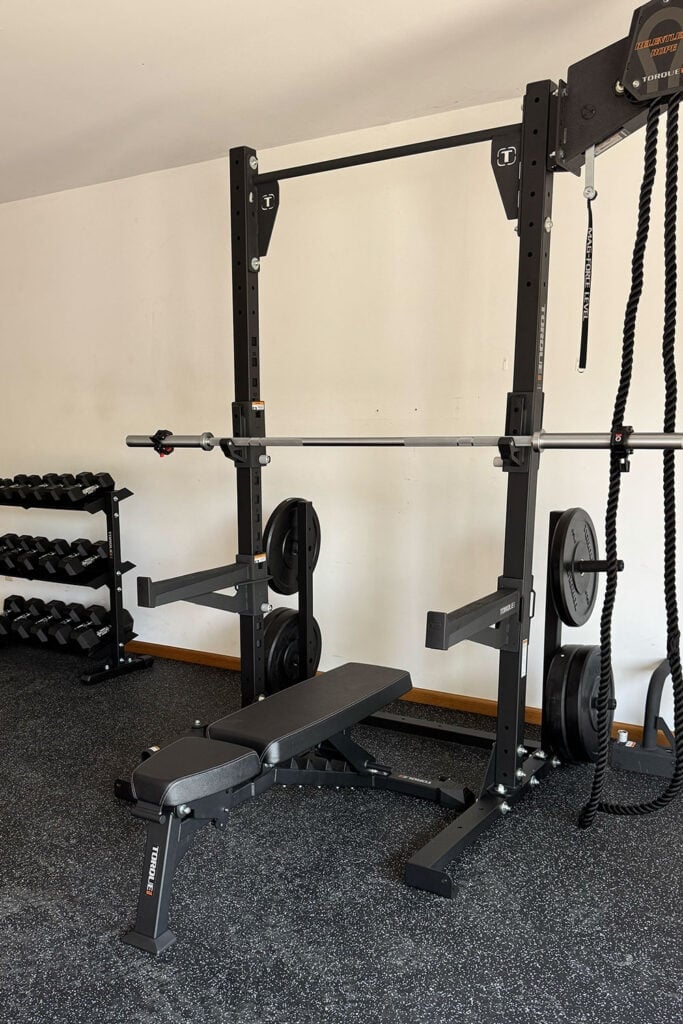
Look for quiet spots with minimal distractions. Basements often work well due to privacy and space. Spare rooms can become dedicated gym areas. Garages offer open space but may need insulation or heating. Avoid areas with heavy foot traffic or noise. Good lighting and airflow make the gym more inviting. Near windows or doors can help with fresh air during workouts.
Credit: www.nourishmovelove.com
Essential Equipment
Building a home gym starts with choosing the right essential equipment. These tools are the foundation of your workout space and directly impact your motivation and results. Think about what types of exercise you enjoy most and what goals you want to achieve before picking your gear.
Cardio Machines
Cardio machines keep your heart healthy and burn calories effectively. Popular options include treadmills, stationary bikes, and rowing machines. If space is limited, a jump rope or compact elliptical might fit better without sacrificing workout quality.
Consider how much time you’ll spend on cardio and your preferred exercise style. Do you enjoy running, cycling, or rowing? Matching equipment to your interests helps keep you coming back.
Strength Training Tools
Strength training builds muscle and boosts metabolism, so having the right tools is crucial. Dumbbells, kettlebells, resistance bands, and adjustable benches offer versatile options for various exercises. Free weights provide a natural range of motion, while machines can guide form for beginners.
Think about your space and budget. A set of adjustable dumbbells saves room and money compared to a full rack. Have you tried mixing bodyweight exercises with weights to maximize strength gains?
Flexibility And Balance Gear
Flexibility and balance are often overlooked but essential for injury prevention and overall fitness. Yoga mats, foam rollers, and balance boards add variety to your workouts and help improve mobility. Stretching tools also aid recovery after intense sessions.
Ask yourself if you want to focus on mobility or balance training. Adding simple items like a yoga strap or stability ball can make a big difference. How often do you dedicate time to stretching or balance exercises in your routine?
Budget-friendly Options
Creating a home gym doesn’t have to drain your wallet. There are plenty of budget-friendly options that let you build a functional workout space without spending a fortune. With a little creativity and smart choices, you can set up a gym that fits your needs and your budget.
Diy Equipment Ideas
Making your own gym equipment can save you a lot of money. You can create weights using filled water bottles or sandbags, which work great for resistance training. A sturdy chair or bench can double as a step or support for various exercises.
I once crafted a pull-up bar using a strong metal pipe and mounted it in my doorway. It cost me less than $20, and it’s held up for years. What simple items around your house could become workout tools?
Second-hand Purchases
Used equipment often looks like new but costs a fraction of retail prices. Check local classifieds, online marketplaces, or thrift stores for deals on dumbbells, kettlebells, and cardio machines. You might find high-quality brands at bargain prices.
Before buying, inspect the gear carefully for wear and tear. Ask the seller about its history and test moving parts if possible. Could a little patience and research help you score excellent equipment without overspending?
Multi-functional Equipment
Investing in gear that serves multiple purposes reduces clutter and saves money. Adjustable dumbbells allow you to change weights without buying several sets. Resistance bands can be used for stretching, strength training, and even rehabilitation exercises.
A foldable bench or a stability ball can support a wide range of workouts. Choosing versatile equipment means you get more workouts out of fewer items. How many exercises can you do with just one piece of equipment in your gym?
Credit: medium.com
Designing Your Gym Layout
Designing your gym layout is essential for creating a space that feels inviting and functional. A well-planned layout improves workout flow and makes equipment easy to access. Thoughtful design helps you stay motivated and prevents clutter.
Consider how much room each activity needs. Balance space for cardio, strength training, and stretching areas. Plan pathways wide enough to move safely between machines and weights. Clear organization saves time and energy during workouts.
Maximizing Space Efficiency
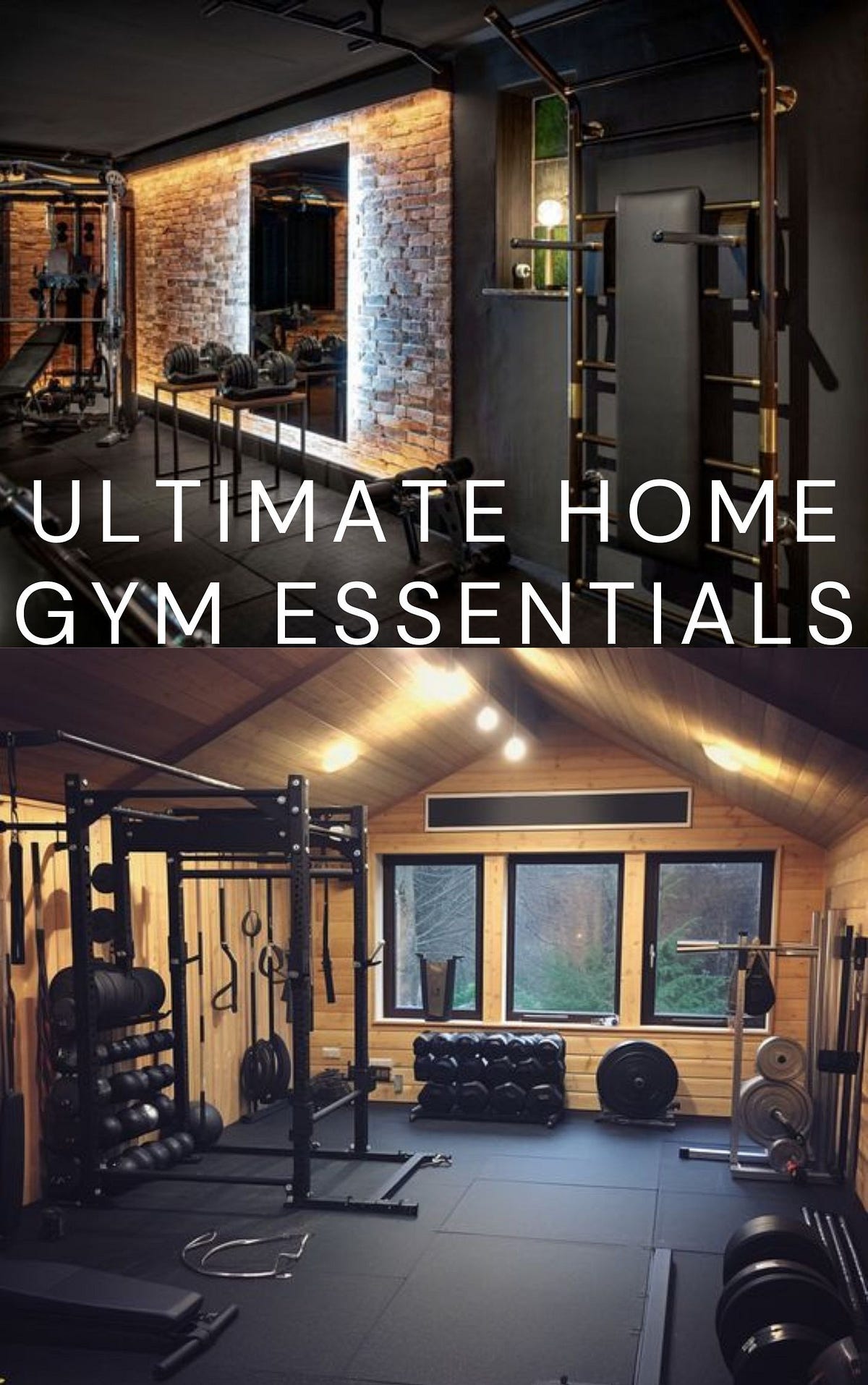
Use vertical storage to free up floor space. Wall-mounted racks hold dumbbells and resistance bands neatly. Folding benches and adjustable equipment fit small areas well. Place mirrors on walls to create an illusion of more space and help check your form.
Group similar equipment together. Keep weights near benches and mats close to the stretching zone. Use multi-purpose machines that combine several exercises in one unit. This cuts down on the number of pieces needed.
Incorporating Safety Measures
Leave enough room around each machine to avoid accidents. Use non-slip mats to prevent falls. Secure heavy equipment to walls or floors to stop tipping. Check that electrical cords are tucked away safely.
Ensure good lighting throughout the gym. Bright light reduces the risk of injury by improving visibility. Keep first aid supplies nearby and install a smoke detector. These simple steps protect you during workouts.
Creating A Motivational Environment
Creating a motivational environment in your home gym is key to staying consistent and enjoying every workout. The right atmosphere can push you to work harder and look forward to each session. Think about what makes you feel energized and focused, then bring those elements into your space.
Inspiring Decor
Choose decor that sparks motivation. Hang posters or prints with quotes that challenge you or remind you of your goals. You can also add photos of your fitness journey or images of athletes you admire to keep your drive alive.
Colors matter too. Bright, bold colors like reds and oranges can boost energy, while cooler tones like blues and greens help you stay calm and focused. Mix and match to find what works best for you.
Don’t forget about functionality. Use shelves or racks to neatly organize your equipment. A tidy space reduces distractions and keeps your mind on the workout ahead.
Lighting And Sound
Good lighting sets the tone for your workouts. Natural light is ideal because it lifts your mood and energy. If you don’t have windows, invest in bright, adjustable LED lights that mimic daylight.
Sound plays a huge role in motivation. Create a playlist with your favorite high-energy songs or podcasts that keep you engaged. Consider wireless speakers or a soundbar that fills the room without clutter.
Have you ever noticed how a dim room can drain your energy? Experiment with lighting and sound until you find the combo that keeps you moving, even on tough days.
Establishing A Workout Routine
Creating a workout routine is key to making the most of your home gym. A clear plan helps keep you motivated and consistent. It shapes your exercise habits and leads to better results. Establishing a routine also reduces the chance of skipping workouts. Start with simple steps that fit your lifestyle.
Setting Fitness Goals
Begin by defining what you want to achieve. Goals give your workouts a clear direction. They can be broad or specific, such as:
- Building muscle
- Losing weight
- Improving endurance
- Increasing flexibility
Set goals that match your fitness level and interests. Break big goals into smaller milestones. This makes progress easier to track and stay motivated.
Scheduling Workouts
Decide the best time for exercise in your daily routine. Consistency is more important than duration. Choose days and times you can stick to regularly. Write your workout schedule down. Treat these sessions like important appointments.
Consider mixing workout types to avoid boredom. For example:
- Strength training on Mondays and Thursdays
- Cardio on Tuesdays and Fridays
- Stretching or yoga on weekends
Adjust your schedule as needed. Listen to your body and rest when required.
Staying Committed
Building a home gym is just the start. Staying committed keeps your fitness journey alive. Consistency shapes habits and brings real results. It takes effort and focus every day. Small routines done often lead to big changes. The key is to keep moving forward, even when motivation dips.
Tracking Progress
Track your workouts to see how you improve. Write down exercises, sets, and reps each session. Use a simple notebook or a phone app. Check your strength and endurance regularly. Notice small wins like lifting more or lasting longer. Celebrate these moments to stay motivated. Progress reports remind you why you started.
Overcoming Common Challenges
Challenges will come. Time, energy, or space might limit workouts. Plan shorter sessions on busy days. Change exercises to keep things fresh. Avoid all-or-nothing thinking. Missing a day does not mean failure. Keep your gym area tidy for easy access. Find a workout buddy or online group for support. Small changes help maintain your routine.
Maintaining Your Home Gym
Maintaining your home gym keeps it safe and inviting. A clean, well-kept space encourages regular workouts. It also helps your equipment last longer and work better. Regular care prevents damage and costly repairs.
Regular Cleaning And Maintenance
Wipe down machines and weights after each use. Dust and sweat can cause rust and wear. Sweep or vacuum the floor to remove dirt and dust. Check for loose bolts and tighten them. Lubricate moving parts to keep machines smooth. Replace worn-out grips or pads to avoid injury.
Updating Equipment
Review your workout needs every few months. Replace old or broken equipment promptly. Add new gear to keep your routine fresh and fun. Choose items that fit your goals and space. Sell or donate unused equipment to free space. Staying updated boosts motivation and workout variety.
Frequently Asked Questions
What Equipment Is Essential For Building A Home Gym?
Essential home gym equipment includes dumbbells, resistance bands, a yoga mat, and a stability ball. These tools cover strength, flexibility, and cardio workouts effectively. Choose versatile items to maximize space and functionality in your home gym.
How Much Space Do I Need For A Home Gym?
A minimum of 50 to 100 square feet is ideal for a basic home gym. This space accommodates essential equipment and allows free movement. Adjust the size based on your workout preferences and available room.
How Can I Make My Home Gym Budget-friendly?
Start with multi-purpose equipment like adjustable dumbbells and resistance bands. Use free online workout videos instead of costly machines. Shop secondhand or wait for sales to save money while building your gym.
What Flooring Is Best For A Home Gym?
Rubber flooring is best for durability and shock absorption. It protects your floors and reduces noise. Foam tiles are also a good option for lighter workouts and easy installation.
Conclusion
Building a home gym makes exercise easy and convenient. You save time and avoid crowded places. Choose equipment that fits your space and goals. Start small and add more gear later. Stay consistent and enjoy your progress. A home gym helps you stay healthy and active every day.
It can boost your mood and energy too. Make your space comfortable and inviting. Remember, small steps lead to big changes. Keep moving and enjoy your fitness journey at home.







