
Are you looking to build muscle but tired of the same old gym routine? Imagine getting stronger without needing a room full of heavy weights or machines.
Resistance bands might just be the game-changer you need. These versatile, portable tools can help you sculpt your muscles and boost your strength, all from the comfort of your home or even on the go. You’ll discover that building muscle doesn’t have to be complicated or expensive.
Dive in to find out how resistance bands can revolutionize your fitness journey and help you achieve the toned physique you’ve always wanted. Ready to redefine your workout? Let’s explore the power of resistance bands together!
Benefits Of Resistance Bands
Resistance bands offer a range of benefits that make muscle building accessible and effective for everyone. They adapt to your fitness level, making every workout challenging without the need for heavy weights. Plus, they fit into your lifestyle easily, whether at home, the gym, or on the go.
Versatility And Portability
Resistance bands come in various sizes and strengths, letting you target different muscle groups with ease. You can use them for warm-ups, strength training, or even rehab exercises. Their lightweight design means you can carry them in your bag and work out anywhere—no bulky equipment needed.
Have you ever struggled to stay consistent because of travel or a busy schedule? Resistance bands solve that problem, giving you a full workout in small spaces.
Joint-friendly Workouts
Unlike heavy free weights, resistance bands provide smooth, controlled tension throughout each movement. This reduces strain on your joints and lowers the risk of injury. Bands allow you to strengthen muscles while protecting your body, which is crucial if you have sensitive joints or are recovering from an injury.
Think about how many times you’ve avoided workouts due to joint pain. Resistance bands can help you stay active without discomfort.
Cost-effectiveness
Resistance bands are one of the most affordable fitness tools you can buy. A single set costs much less than dumbbells or machines, but still delivers a highly effective workout. You can build significant muscle strength without investing in expensive gym memberships or bulky gear.
What if you could save money and still get stronger? Resistance bands make that possible, proving that smart training doesn’t have to break the bank.
Choosing The Right Bands
Choosing the right resistance bands is crucial for building muscle effectively. The right bands match your strength level, workout goals, and durability needs. Picking poorly can lead to frustration or injury, so understanding your options helps you get the most from every workout.
Types Of Resistance Bands
Resistance bands come in several styles, each suited for different exercises and preferences.
- Loop Bands:Circular bands great for lower body exercises like squats and glute bridges.
- Tube Bands with Handles:These offer a better grip and mimic cable machine movements, ideal for upper body workouts.
- Therapy Bands:Flat and thin, mostly used for rehabilitation and light resistance work.
- Figure-8 Bands:Shaped like an 8, these are good for arm and shoulder exercises.
Think about which muscle groups you want to target the most. Which type feels comfortable for your routine?
Resistance Levels Explained
Resistance bands come in varying tension levels, usually color-coded to show the strength.
| Color | Resistance Level | Ideal Use |
|---|---|---|
| Yellow | Light | Beginners, rehab exercises |
| Green | Medium | Intermediate strength training |
| Red | Heavy | Building muscle, advanced workouts |
| Black | Extra Heavy | Strong athletes, maximal resistance |
Start with a lighter band and progress as your muscles get stronger. Have you noticed how small increases in resistance can challenge your muscles in new ways?
Materials And Durability
The material of your resistance bands affects how long they last and how safe they are to use.
- Latex:Offers excellent elasticity and durability but may cause allergies for some.
- Thermoplastic Elastomer (TPE):A hypoallergenic option that’s slightly less stretchy but very durable.
- Fabric Bands:Usually wider and less likely to roll or pinch, perfect for leg workouts.
Check the band for signs of wear regularly. Have you ever had a band snap mid-exercise? Choosing high-quality materials can prevent that and keep your workouts safe.
Essential Exercises For Muscle Growth
Building muscle with resistance bands requires more than just random movements. You need to focus on exercises that challenge your muscles effectively and promote growth. Targeting different muscle groups with the right exercises will help you see real progress in strength and size.
Upper Body Moves
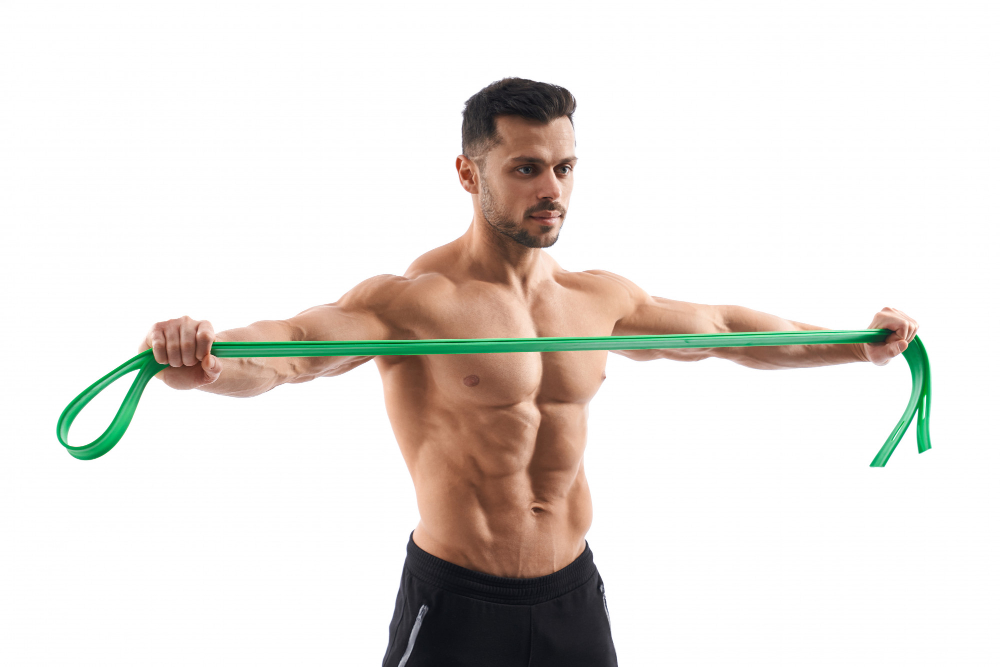
Resistance bands are great for working your arms, chest, shoulders, and back. Try exercises like banded bicep curls, overhead presses, and chest flys. These moves keep constant tension on your muscles, which boosts muscle activation and growth.
One tip: adjust the band’s length or thickness to increase resistance as you get stronger. Have you noticed how a simple banded row can engage your back more than dumbbells sometimes?
Lower Body Workouts
Don’t skip your legs and glutes. Squats with a resistance band around your thighs add extra challenge and target your outer hips. Glute bridges and banded lunges also build strength while improving your stability.
Using bands for lower body workouts helps you maintain proper form by providing feedback on your movements. Could this be why my glute gains improved so much after switching from weights to bands for a while?
Core Strengthening
Strong core muscles are essential for overall muscle growth and injury prevention. Try banded Russian twists, plank rows, or standing rotations with a resistance band. These exercises force your core to stabilize your body throughout the movement.
Adding resistance bands to your core routine challenges your muscles in new ways. What if your core work became the key to unlocking more strength in all your lifts?

Credit: health.yahoo.com
Designing Your Workout Plan
Designing your workout plan with resistance bands sets the foundation for building muscle effectively. Without a clear plan, you risk inconsistent progress and frustration. Focus on creating a structure that fits your lifestyle and adapts as you grow stronger.
Setting Realistic Goals
Start by defining what muscle gains mean to you. Are you aiming to tone specific areas or increase overall strength? Setting clear, achievable goals keeps you motivated and helps measure your progress.
For example, targeting a 10% increase in arm circumference over three months is more practical than vague ideas like “get bigger arms.” Write down your goals and revisit them every few weeks to adjust based on your progress.
Frequency And Volume
How often you train and the amount of work you do in each session matter greatly. Aim for 3 to 5 workouts per week, depending on your schedule and recovery ability.
Volume refers to the total sets and reps. A good starting point is 3 sets of 8-12 reps per exercise. If you’re new, keep sessions shorter and gradually increase volume to avoid burnout.
- Choose 4-6 exercises targeting major muscle groups
- Rest 30-60 seconds between sets
- Listen to your body and take extra rest days if needed
Progressive Overload Techniques
Muscle grows when you challenge it more over time. With resistance bands, that means increasing tension or volume to push your muscles further.
Try these techniques to keep progressing:
- Add more resistance by using thicker bands or doubling them up
- Increase reps or sets gradually each week
- Slow down your movement to increase time under tension
- Shorten rest periods between sets
Have you experimented with changing these variables? Small tweaks often lead to noticeable gains. Keep track of what works best for your body and adjust your plan accordingly.
Maximizing Muscle Gains
Maximizing muscle gains with resistance bands requires more than just pulling and stretching. You need to focus on how you perform each exercise, mix up your tools, and support your body with the right recovery and nutrition. These details can make a big difference in how quickly and effectively your muscles grow.
Proper Form And Technique
Using resistance bands effectively starts with perfect form. Keep your movements slow and controlled to keep tension on the muscles. Avoid snapping the bands or using momentum; instead, focus on feeling the muscle work throughout each rep.
For example, when doing bicep curls, stand on the band with feet shoulder-width apart and keep your elbows close to your sides. This helps target the muscle better and prevents strain on your joints.
Have you noticed how a small change in your posture can either make an exercise easier or harder? Paying close attention to form ensures you engage the right muscles and reduce injury risk.
Combining Bands With Other Equipment
Resistance bands work well alone but pairing them with dumbbells or barbells can boost your muscle growth. You can add bands to free weights for extra resistance during lifts like squats or bench presses.
This combination challenges your muscles in new ways, forcing them to adapt and grow stronger. For example, looping a band around a barbell during a squat adds tension at the top of the movement, where muscles usually get less work.
Think about which exercises in your routine could benefit from added resistance or stability. Mixing tools keeps your workouts fresh and your muscles guessing.
Recovery And Nutrition Tips
Building muscle doesn’t stop when your workout ends. Your muscles need time and fuel to repair and grow. Prioritize sleep, aiming for 7-9 hours each night, to support muscle recovery.
Nutrition plays a key role too. Eat enough protein—about 1.6 to 2.2 grams per kilogram of body weight daily—to provide building blocks for muscle repair. Don’t forget healthy fats and carbs to keep your energy up during workouts.
Have you tracked how your food and rest affect your muscle gains? Small adjustments in recovery and diet can speed up your progress more than extra workouts.
Credit: www.hitonefitness.com
Common Mistakes To Avoid
Building muscle with resistance bands requires care and attention. Avoiding common mistakes helps you get better results and stay safe. Many beginners make errors that slow progress or cause injury. Recognizing these pitfalls can keep your workouts effective and enjoyable.
Overtraining Risks
Using resistance bands every day without rest can lead to overtraining. Muscles need time to recover and grow stronger. Overtraining causes fatigue, soreness, and even injury. Plan rest days and listen to your body’s signals. Quality beats quantity for muscle growth.
Incorrect Band Selection
Choosing the wrong band strength limits your workout. Bands that are too light won’t challenge your muscles. Too heavy bands can cause poor form and strain. Start with moderate resistance and increase gradually. Match the band strength to your current fitness level.
Ignoring Warm-up And Cool-down
Skipping warm-up increases injury risk and reduces performance. Warm-up prepares muscles and joints for exercise. Cool-down helps reduce soreness and speeds recovery. Spend 5–10 minutes warming up and cooling down every session. Simple stretches and light movements work well.
Tracking Progress
Tracking your progress is a key part of building muscle with resistance bands. Without clear tracking, it’s easy to lose motivation or miss signs that your routine needs a change. Keeping an eye on how you improve helps you stay focused and make smarter workout choices.
Measuring Strength Improvements
Strength gains are the best proof that your resistance band workouts are working. Track how many reps and sets you can do with a certain band tension before you feel tired.
Try to note if you can handle a thicker band or more repetitions over time. This shows real muscle growth and helps you push yourself safely.
Have you noticed certain exercises becoming easier? That’s your signal to increase resistance or add more reps.
Recording Workout Data
Write down your workouts in a journal or use a fitness app. Record the band color or resistance level, number of reps, sets, and rest times.
Tracking these details makes it easier to spot patterns or plateaus. You’ll know exactly when to make changes instead of guessing.
- Band type and resistance
- Exercises performed
- Reps and sets completed
- Rest duration between sets
Consistency in recording data keeps your progress visible and your goals realistic.
Adjusting Plans Based On Results
Use your recorded data to tweak your workouts regularly. If you’re no longer challenged, increase band resistance or add more reps.
Don’t hesitate to swap out exercises that aren’t giving you results. Your body responds best when you vary your routine smartly.
Ask yourself: Are you still making progress, or just going through the motions? Adjusting your plan keeps muscle growth on track and prevents boredom.

Credit: www.reddit.com
Frequently Asked Questions
What Muscles Can Resistance Bands Effectively Target?
Resistance bands can target all major muscle groups, including arms, legs, chest, back, and core. They provide variable resistance to enhance muscle strength and growth efficiently.
How Often Should I Train With Resistance Bands?
For muscle growth, train with resistance bands 3-4 times per week. Allow rest days to enable muscle recovery and prevent overtraining.
Are Resistance Bands As Effective As Weights For Building Muscle?
Resistance bands provide effective muscle stimulation, similar to weights. They offer variable tension and improve strength, especially for beginners and rehabilitation.
Can Resistance Bands Improve Muscle Endurance And Tone?
Yes, resistance bands enhance muscle endurance and tone by providing continuous tension. They help build lean muscle and improve overall muscle definition.
Conclusion
Resistance bands offer a simple way to build muscle at home or anywhere. They help you work different muscles with less risk of injury. You can change the intensity by using different bands or moves. Consistency and good form are key to seeing results.
Keep challenging your muscles step by step. This tool fits all fitness levels and goals. Start small, stay steady, and enjoy the progress. Resistance bands make muscle building easy and flexible for everyone.







