
If you struggle with GERD but want to build muscle, you might feel stuck. You may think your condition limits your progress or makes workouts harder.
The good news? You can still gain strength and muscle without worsening your symptoms. This article will show you how to train smart, eat right, and manage GERD so your body grows stronger every day. Keep reading to discover practical tips tailored just for you—your muscle-building journey doesn’t have to stop because of GERD.
Gerd And Muscle Building
Building muscle while managing GERD (gastroesophageal reflux disease) can feel like walking a tightrope. You want to increase strength and size, but the discomfort and dietary restrictions from GERD might slow your progress. Understanding how GERD interacts with fitness routines helps you create a plan that supports muscle growth without triggering symptoms.
How Gerd Affects Fitness
GERD can cause pain and discomfort, especially after eating or exercising, which may reduce your motivation to work out. Acid reflux might make heavy lifting or high-intensity workouts feel uncomfortable, leading you to skip sessions or reduce effort.
Certain foods that trigger GERD symptoms are often high in calories and protein, which are key for muscle growth. This means you need to find alternatives that nourish your body without causing reflux. Have you noticed how some meals make your workout harder?
Fatigue from poor sleep due to nighttime reflux can also lower your energy levels, making it tough to push through intense training. Staying hydrated and timing your meals carefully can help ease these challenges.
Challenges For Strength Gains
One of the biggest challenges is balancing the need for frequent, protein-rich meals with the risk of reflux flare-ups. Eating large portions or certain foods close to workouts may worsen symptoms and reduce your training capacity.
Medications for GERD can sometimes affect appetite or digestion, which influences nutrient absorption essential for muscle repair and growth. You might need to adjust your supplement routine or meal plan accordingly.
Stress from managing a chronic condition like GERD can impact hormone levels related to muscle building, such as cortisol and testosterone. How can you manage stress better to support your strength goals?
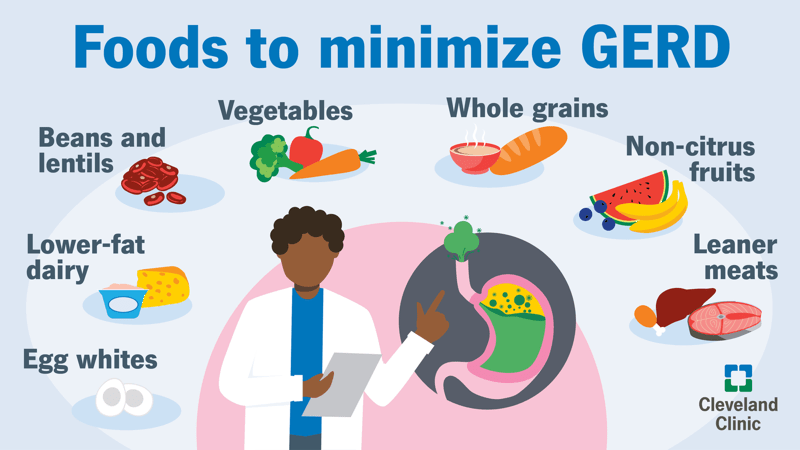
- Choose low-acid, high-protein foods like lean chicken, turkey, and eggs.
- Eat smaller meals more often to avoid overloading your stomach.
- Schedule workouts at times when symptoms are less severe.
- Focus on low-impact exercises if heavy lifting triggers reflux.
Finding what works for you means paying close attention to your body’s reactions and adjusting your routine. Could tweaking your meal timing or workout intensity be the key to steady strength gains despite GERD?
Nutrition Strategies
Nutrition plays a key role in building muscle while managing GERD symptoms. Choosing the right foods helps fuel workouts and repair muscles. It also reduces acid reflux and discomfort. Smart nutrition supports both muscle growth and digestive health.
Focus on balanced meals with protein, healthy fats, and gentle carbohydrates. Avoid triggers that cause reflux or irritation. Meal timing matters too, helping digestion and energy levels for exercise.
Foods To Avoid
- Spicy foods like chili and hot sauce
- Citrus fruits such as oranges and lemons
- Tomato-based products including sauces and ketchup
- Fried or greasy foods
- Chocolate and mint-flavored items
- Caffeinated drinks like coffee and soda
- Alcoholic beverages
- Carbonated drinks causing bloating
Muscle-friendly Meal Ideas
- Grilled chicken with steamed vegetables and brown rice
- Baked fish with quinoa and sautéed spinach
- Oatmeal topped with banana and almond butter
- Egg white omelet with avocado and whole grain toast
- Greek yogurt mixed with berries and a drizzle of honey
- Lean turkey breast with roasted sweet potatoes and green beans
Timing Your Meals
- Eat smaller meals more often to avoid fullness and reflux
- Have your last meal at least 2-3 hours before bedtime
- Consume protein shortly after exercise for muscle repair
- Include light snacks between main meals to maintain energy
- Stay hydrated but avoid drinking large amounts during meals
Safe Workout Tips
Working out with GERD requires a careful approach to avoid discomfort and still build muscle effectively. Knowing which exercises suit you and how to manage your body’s signals can make a big difference. Let’s focus on practical tips that keep your workouts safe and productive.
Best Exercises For Gerd
Low-impact exercises often work best for those with GERD. Movements like walking, cycling, and swimming allow you to stay active without jarring your digestive system.
Strength training can be part of your routine, but prioritize seated or supported positions. Exercises such as dumbbell curls, leg presses, and chest presses minimize pressure on your abdomen.
Have you noticed how some exercises cause more heartburn? Pay attention to how your body reacts and adjust accordingly.
Avoiding Triggers During Training
Timing your meals is crucial. Try to wait at least two to three hours after eating before starting your workout. This helps reduce acid reflux during exercise.
Steer clear of exercises that involve bending or lying flat immediately after eating, as these positions can worsen symptoms.
Keep hydrated with small sips of water rather than large gulps, which can increase stomach pressure. Also, avoid caffeine and acidic drinks before training to prevent flare-ups.
Balancing Intensity And Recovery
Pushing too hard can trigger GERD symptoms, so listen to your body’s limits. Mixing moderate-intensity workouts with rest days helps your muscles grow without aggravating your condition.
Incorporate gentle stretching and deep breathing exercises after workouts to relax your body and reduce stress, which often worsens GERD.
How do you feel after each workout? Use that feedback to adjust intensity and avoid setbacks while building muscle.

Credit: www.goodrx.com
Lifestyle Changes
Making lifestyle changes is important to build muscle with GERD. Small habits can ease symptoms and support muscle growth. Focus on daily routines that help your body heal and stay strong. Healthy habits improve energy and reduce discomfort during workouts.
Sleep And Stress Management
Good sleep helps your body repair muscles and reduce GERD symptoms. Aim for 7-8 hours of quality sleep each night. Keep a regular sleep schedule to balance hormones. Stress can worsen acid reflux and stop muscle growth. Practice relaxation techniques such as deep breathing or meditation. Lower stress to help your body heal and build muscle faster.
Hydration And Its Role
Drink enough water to support digestion and muscle function. Water helps flush acid from the stomach and keeps tissues healthy. Avoid drinks that irritate GERD, like soda and caffeine. Sip water throughout the day instead of drinking large amounts at once. Proper hydration improves workout performance and recovery.
Posture And Its Impact
Good posture reduces pressure on your stomach and prevents acid reflux. Stand and sit up straight to keep your digestive system aligned. Avoid slouching, especially after meals or during exercise. Use supportive chairs and take breaks to stretch. Better posture helps muscle growth and lowers GERD discomfort.
Supplements And Gerd
Supplements can help build muscle, but they may affect GERD symptoms. Choosing the right supplements matters for comfort and health. Some supplements support muscle gains without causing acid reflux. Others can worsen GERD and should be avoided. Understanding which supplements are safe helps maintain progress and ease.
Safe Options To Support Gains
Protein powders like whey isolate or plant-based options are usually gentle on the stomach. Creatine can boost muscle strength without triggering reflux in most cases. Branched-chain amino acids (BCAAs) help recovery and rarely cause GERD issues. Fish oil supplements support overall health and reduce inflammation. Taking these supplements with water and small meals may reduce reflux risk.
Supplements To Avoid
Caffeine-containing supplements often increase acid reflux symptoms. Pre-workout formulas with stimulants can irritate the stomach lining. Fatty or oily supplements may slow digestion and worsen GERD. Acidic supplements like vitamin C in high doses can cause discomfort. Avoiding these supplements helps prevent flare-ups and supports consistent workouts.
Credit: health.clevelandclinic.org

Credit: www.rennie.co.uk
Frequently Asked Questions
How Can I Build Muscle With Gerd Safely?
Focus on low-acid, high-protein foods to support muscle growth. Avoid triggers like spicy or fatty meals. Eat smaller meals and stay hydrated. Consult a doctor before starting any new workout or diet plan.
What Foods Help Muscle Growth Without Worsening Gerd?
Opt for lean proteins like chicken, turkey, and fish. Include complex carbs like oats and brown rice. Avoid citrus, caffeine, and fried foods that trigger acid reflux. Incorporate vegetables like spinach and broccoli for nutrients.
Can Strength Training Worsen Gerd Symptoms?
Intense workouts may increase acid reflux risk. Avoid heavy lifting right after meals. Practice proper breathing and posture during exercises. Choose low-impact activities and gradually increase intensity to manage symptoms effectively.
Is Protein Powder Safe For Muscle Gain With Gerd?
Choose low-acid, lactose-free protein powders like whey isolate or plant-based options. Avoid powders with added caffeine or artificial sweeteners. Always test tolerance with small amounts before regular use.
Conclusion
Building muscle with GERD is possible with careful planning. Focus on safe exercises. Listen to your body. Choose foods that help, not hurt. Stay hydrated to ease symptoms. Consistency and patience are key. Track your progress and adjust as needed.
Consult a doctor if symptoms worsen. Balance is important for health and fitness. Remember, small steps lead to big changes. Keep going, and you’ll reach your muscle-building goals.







