
Are you looking to build muscle without the hassle of fancy gym equipment or a pricey membership? What if I told you that you could achieve impressive muscle growth with just one simple exercise?
Yes, the classic push-up. Often overlooked for its simplicity, push-ups are a powerhouse when it comes to muscle building. Imagine transforming your upper body strength and definition using just your body weight and the floor beneath you. Intrigued? Keep reading to discover how push-ups can be your secret weapon in building muscle, enhancing strength, and achieving the physique you’ve always wanted—all from the comfort of your home.
Benefits Of Push Ups For Muscle Growth
Push ups are a simple yet effective exercise for building muscle. They use your body weight to challenge muscles and stimulate growth. Regular push ups help increase strength and shape your upper body. They also improve muscle control and coordination. This exercise fits easily into any workout routine.
Targeted Muscle Groups
Push ups mainly work the chest muscles. They also engage the shoulders and triceps. The core muscles get activated to keep your body stable. Even your back muscles get involved to support proper form. This makes push ups a full upper-body workout.
Improved Muscle Endurance
Doing push ups regularly builds muscle stamina. Your muscles learn to perform longer without fatigue. This helps in daily activities and other exercises. Endurance also supports faster recovery between sets. Consistent practice increases your ability to do more reps.
Enhanced Functional Strength
Push ups improve strength for real-life movements. They train muscles to work together smoothly. This functional strength helps with lifting and pushing tasks. It also reduces injury risk by strengthening joints and tendons. Better functional strength means better overall fitness.
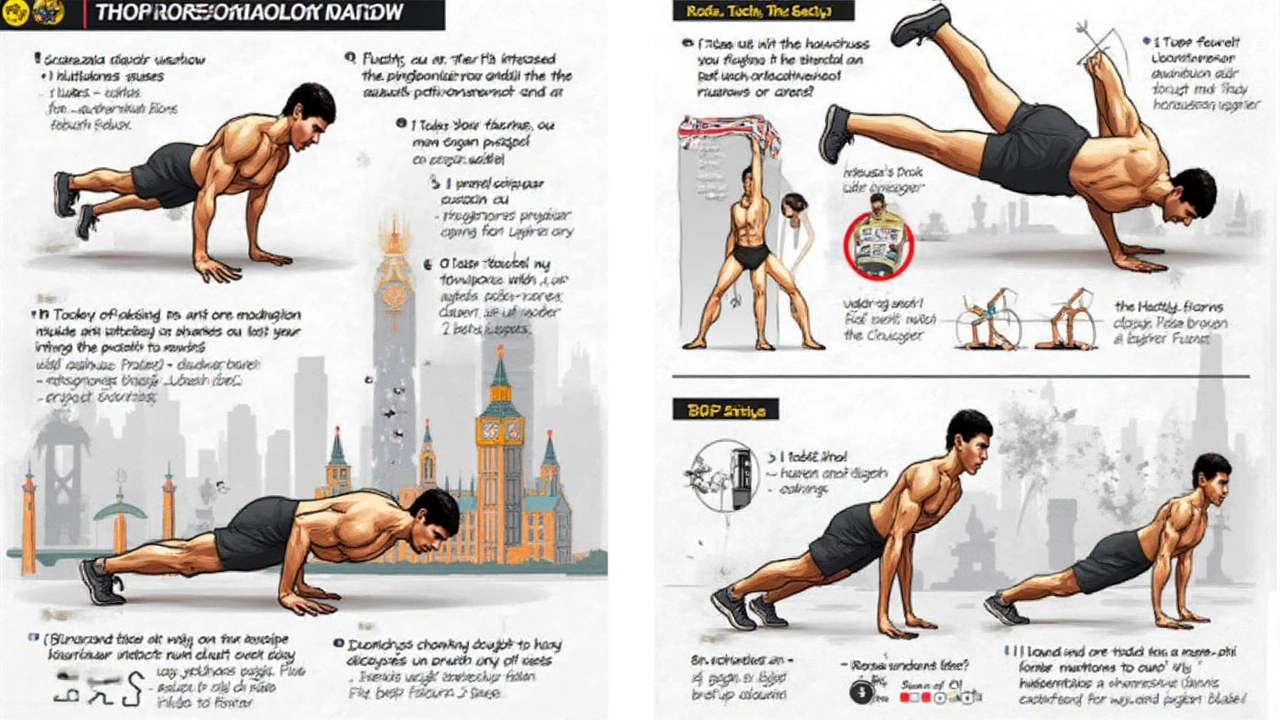
Credit: scarletstate.co.uk
Proper Push Up Form
Proper push up form is crucial to build muscle effectively and avoid injury. It ensures the right muscles work hard and prevents strain on joints. Focus on your body position and movements for the best results.
Hand And Arm Placement
Place your hands slightly wider than shoulder-width. Keep your fingers spread to support your weight evenly. Your elbows should point about 45 degrees from your body. This position targets chest, shoulders, and triceps well.
Body Alignment
Keep your body in a straight line from head to heels. Avoid letting your hips sag or lift too high. Engage your core muscles to hold your spine neutral. Proper alignment protects your back and helps build strength.
Breathing Techniques
Inhale as you lower your chest toward the ground. Exhale while pushing back up to the starting position. Controlled breathing helps maintain rhythm and supports muscle effort. It also increases oxygen flow to your muscles.
Push Up Variations For Muscle Building
Push ups are a classic exercise, but sticking to the basic version won’t challenge your muscles enough to promote significant growth. Changing the way you do push ups targets different muscle groups and intensifies the workout. Trying different push up variations can help you build muscle more effectively and keep your routine fresh and exciting.
Wide Grip Push Ups
Wide grip push ups force your chest muscles to work harder because your hands are placed farther apart than in a standard push up. This wider stance reduces the load on your triceps and shifts focus to your pectorals. If you want to add size to your chest, widening your hand placement is a simple but powerful way to do it.
Diamond Push Ups
Diamond push ups place your hands close together under your chest, forming a diamond shape with your thumbs and index fingers. This variation increases the strain on your triceps and inner chest muscles. When I switched to diamond push ups, I noticed my arm definition improved quickly, proving that small changes can lead to noticeable results.
Decline Push Ups
Decline push ups elevate your feet on a surface like a bench or step, making your upper chest and shoulders work harder. This angle also increases the overall difficulty, pushing your muscles to adapt and grow stronger. Adding decline push ups to your routine can help you develop a more balanced and muscular upper body.
Plyometric Push Ups
Plyometric push ups involve explosive movements where your hands leave the ground, such as clapping or pushing off forcefully. These push ups build power and fast-twitch muscle fibers, which are essential for muscle growth and athletic performance. Have you tried plyometric push ups? They can be tough but are a game-changer for muscle building when added correctly.

Credit: www.youtube.com
Designing An Effective Push Up Workout
Designing an effective push up workout requires more than just dropping to the floor and pushing yourself up repeatedly. To build muscle efficiently, you need a clear plan that balances volume, recovery, and challenge. This section helps you create a routine that maximizes muscle growth with push ups, no matter your current fitness level.
Setting Reps And Sets
Choose a rep range that challenges your muscles without causing failure too early. Aim for 8 to 15 reps per set if your goal is muscle growth. Start with 3 to 4 sets, adjusting as you get stronger.
If you can easily do 20 push ups without strain, it’s time to increase difficulty. You can do this by adding variations or increasing reps. Tracking your reps and sets helps you stay focused and measure progress.
Incorporating Rest Periods
Rest between sets is crucial for muscle recovery and growth. Take about 60 to 90 seconds of rest to let your muscles recover enough for the next set. Too little rest leaves you too tired; too much rest cools your muscles down.
Listen to your body—if you still feel exhausted after 90 seconds, extend the rest slightly. Shorter rest periods can increase endurance, but if your goal is muscle size, focus on quality reps over speed.
Progressive Overload Strategies
To build muscle, you must continuously challenge your muscles. Increase the difficulty gradually by adding more reps, sets, or changing push up variations.
- Try incline or decline push ups to hit muscles differently.
- Use weighted vests or resistance bands for extra resistance.
- Slow down the lowering phase to increase time under tension.
Have you tracked your progress lately? Small, consistent increases in challenge trigger muscle growth and keep your workouts effective.
Nutrition Tips To Support Muscle Gain
Nutrition plays a crucial role in building muscle, especially when you’re relying on push-ups to shape your upper body. Eating the right foods fuels your workouts and helps your muscles repair and grow stronger. Are you giving your body the nutrients it needs to see real progress?
Protein Intake
Protein is the foundation of muscle growth. Aim to include a good source of protein in every meal to support muscle repair after your push-up sessions. Foods like chicken breast, eggs, Greek yogurt, and lentils are excellent options.
If you find it hard to get enough protein from meals alone, consider a protein shake. It can be a quick and effective way to boost your intake, especially post-workout.
Balanced Diet Essentials
Muscle gain isn’t just about protein. Your body also needs carbohydrates to fuel your workouts and fats to keep hormones balanced. Whole grains, fruits, vegetables, nuts, and seeds should be part of your daily eating plan.
Think about your meals as a combination of different nutrients working together. Are you getting enough color on your plate? That’s often a sign you’re covering the essentials.
Hydration Importance
Water often gets overlooked but is vital for muscle function and recovery. Staying hydrated helps you maintain energy during push-ups and supports nutrient transport to your muscles.
Try to drink water consistently throughout the day, not just during workouts. Have you noticed how a simple glass of water can improve your performance and reduce soreness?
Common Mistakes To Avoid
Building muscle with push-ups is effective, but certain mistakes can hold you back or cause injury. Recognizing common errors helps you get the most from your workout and stay safe. Let’s look at key pitfalls to avoid.
Poor Form Risks
Incorrect push-up form can limit muscle growth and lead to pain. Dropping your hips or flaring your elbows puts stress on your shoulders and lower back. Keep your body straight like a plank and tuck your elbows close to engage your chest and triceps properly.
Have you ever felt shoulder discomfort after push-ups? That’s often a sign your form needs adjustment. Use a mirror or record yourself to check your posture during each rep.
Overtraining Issues
Doing push-ups every day without breaks might seem like dedication, but it can cause muscle fatigue and stalls progress. Muscles need time to repair and grow stronger between workouts. Pay attention to how your body feels—persistent soreness or weakness means you should reduce frequency.
Try alternating push-up days with other exercises or rest to avoid burnout. Quality beats quantity when building muscle.
Ignoring Recovery
Recovery isn’t just resting; it includes good nutrition, hydration, and sleep. Without these, your muscles won’t rebuild effectively. Skipping recovery can lead to injuries and slower gains.
Ask yourself—are you giving your body what it needs after push-ups? Small actions like stretching or foam rolling can speed up recovery and improve your next session.
Tracking Progress And Staying Motivated
Tracking your progress and staying motivated are key to building muscle with push-ups. Without a clear sense of improvement, it’s easy to lose focus or give up. Keeping an eye on your gains helps you push harder and celebrate your success along the way.
Setting Realistic Goals
Start by defining what you want to achieve with push-ups. Instead of aiming to do 100 push-ups in one go immediately, set smaller targets like adding 5 more reps each week.
Think about your current level and lifestyle. Are you working out every day or just a few times a week? Adjust your goals to fit your schedule and energy.
Ask yourself: What feels challenging yet doable? This balance keeps you motivated without overwhelming you.
Using Workout Logs
Write down your push-up numbers, sets, and how you feel after each workout. A simple notebook or a fitness app works well for this.
Tracking lets you see patterns—maybe you do better on certain days or after rest. It also shows progress when the numbers go up, which can boost your confidence.
Try noting small details like hand position changes or breaks taken. These insights help you refine your form and prevent plateaus.
Celebrating Milestones
Don’t wait until the end to celebrate. Each time you hit a new personal best, take a moment to recognize it.
Reward yourself with something simple: a healthy treat, a rest day, or sharing your achievement with friends.
These celebrations fuel motivation and make the journey more enjoyable. What small wins have you noticed recently?

Credit: www.youtube.com
Frequently Asked Questions
Can Push Ups Alone Build Significant Muscle Mass?
Yes, push ups can build muscle, especially in the chest, shoulders, and triceps. Progressive overload and variation enhance muscle growth.
How Often Should I Do Push Ups To Build Muscle?
Aim for 3 to 4 sessions per week. Allow rest days for muscle recovery and growth.
What Push Up Variations Increase Muscle Building?
Try diamond, decline, and archer push ups. These target muscles differently and add intensity for better gains.
Do Push Ups Build Abs And Core Muscles?
Yes, push ups engage the core for stability, helping to strengthen and tone abdominal muscles effectively.
Conclusion
Push ups help build muscle using your own body weight. They work many muscles at once, like chest, arms, and core. Doing push ups regularly makes muscles stronger and more defined. You can change the difficulty by adjusting hand position or adding reps.
No gym needed. Just consistency and good form. Start small and increase as you get stronger. Push ups are a simple and effective way to build muscle at home. Keep going, and you will see progress.







