
Are you looking to build stronger, bigger biceps that stand out every time you flex? Whether you’re just starting out or want to take your arm workouts to the next level, knowing the right biceps exercises in the gym can make all the difference.
Imagine feeling the power in your arms grow with every rep, turning heads and boosting your confidence. You’ll discover simple, effective moves that target your biceps like never before. Ready to transform your arms and see real results? Keep reading to unlock the secrets to a stronger, more defined biceps!
Benefits Of Biceps Training
Biceps training offers several benefits for gym enthusiasts. Strong biceps enhance your performance in everyday tasks. They provide aesthetic appeal and functional strength. Let’s explore the key benefits of biceps training.
Improved Arm Strength
Training your biceps boosts arm strength significantly. Strong arms aid in lifting objects with ease. They support various exercises and sports activities. Enhanced arm strength leads to better overall fitness.
Enhanced Muscle Definition
Regular biceps workouts improve muscle definition. Well-defined biceps contribute to a toned look. This aesthetic appeal boosts self-confidence. Visible muscles are a sign of dedication and hard work.
Increased Functional Fitness
Biceps training enhances functional fitness. Strong biceps make daily activities easier. Tasks like carrying groceries become less daunting. Improved fitness supports a healthy lifestyle. It reduces the risk of injury in daily life.
Anatomy Of The Biceps
The biceps are a key muscle group in the upper arm. Understanding their anatomy helps improve training and prevent injury. The biceps consist of different parts that work together to move the arm. Learning about the structure and role of these muscles gives insight into effective biceps exercises.
Biceps Brachii Structure
The biceps brachii has two heads: the long head and the short head. Both start at the shoulder and join into one muscle belly. They attach to the radius bone in the forearm. This structure helps the biceps perform powerful arm movements.
Role In Arm Movement
The biceps mainly bend the elbow, pulling the forearm up. They also help rotate the forearm so the palm faces up. These actions are important for lifting and carrying objects. Strong biceps improve arm strength and daily function.
Supporting Muscles
Other muscles assist the biceps during arm movement. The brachialis lies beneath the biceps and helps bend the elbow. The brachioradialis runs along the forearm and aids in flexion. These muscles work together for smooth and strong arm motions.
Key Biceps Exercises
Building strong, well-defined biceps requires focusing on the right exercises that target the muscle from different angles. Key biceps exercises help you maximize growth and strength by engaging both the long and short heads of the bicep. Understanding how each movement works allows you to tailor your workout to your goals and avoid plateaus.
Barbell Curls
Barbell curls are a classic biceps exercise that allows you to lift heavier weights and build overall mass. Holding the barbell with an underhand grip, you curl the weight up while keeping your elbows close to your sides. This exercise emphasizes the peak of your biceps, giving you that impressive bulge.
Have you tried adjusting your grip width during barbell curls? A wider grip targets the inner biceps more, while a narrower grip hits the outer part. Experimenting can help you find what works best for your arm shape.
Dumbbell Curls
Dumbbell curls offer more freedom of movement compared to barbells, letting you work each arm independently. This helps fix strength imbalances and improves muscle symmetry. You can also rotate your wrists during the curl to hit the biceps from different angles.
Try alternating curls or doing both arms simultaneously to keep your workouts fresh and challenging. Switching up your routine prevents your muscles from getting too comfortable.
Hammer Curls
Hammer curls focus on the brachialis muscle, which lies underneath the biceps and adds thickness to your upper arm. You hold the dumbbells with a neutral grip (palms facing each other) and curl them up. This movement also engages your forearms, improving grip strength.
Including hammer curls can enhance your arm definition, making your biceps look fuller. Are you neglecting this exercise? It might be the missing piece in your routine.
Preacher Curls
Preacher curls isolate the biceps by removing momentum and forcing strict form. You perform these curls on a preacher bench, which supports your arms and prevents cheating. This helps you focus on the muscle contraction and improves mind-muscle connection.
Using lighter weights and slow, controlled reps during preacher curls can lead to better muscle activation. Have you noticed how strict form changes the difficulty? Give it a try and feel the difference.
Cable Curls
Cable curls provide constant tension on your biceps throughout the entire range of motion. Unlike free weights, cables keep your muscles engaged even at the top and bottom of the movement. You can use different attachments like straight bars or ropes to vary the grip.
Do you switch grips often during cable curls? Changing grips challenges your biceps in new ways and prevents workout boredom. Plus, cables are great for finishing your biceps workout with a burn.
Proper Form And Technique
Proper form and technique are essential for effective biceps exercises. They help target the muscles correctly and prevent injuries. Using the right posture and movement makes every rep count. Focus on control and steady motion rather than speed. This approach builds strength and muscle evenly.
Grip Variations
Changing your grip alters the muscle focus. A narrow grip targets the outer biceps. A wide grip hits the inner biceps more. Using a supinated grip (palms up) maximizes biceps activation. A pronated grip (palms down) shifts work to the forearms. Alternating grips keeps the workout balanced.
Range Of Motion
Full range of motion engages the entire muscle. Start with arms fully extended. Curl the weight up until your biceps are fully contracted. Lower the weight slowly back to the start. Avoid partial reps; they limit muscle growth. Controlled movement throughout the range improves strength and size.
Avoiding Common Mistakes
- Do not swing your body or use momentum.
- Avoid lifting too heavy and losing form.
- Keep elbows close to your sides.
- Do not lock your elbows at the bottom.
- Prevent rapid, jerky movements.
- Breathe steadily: exhale on lifting, inhale on lowering.
Workout Plans For Growth
Building bigger biceps demands more than just random reps. You need a clear plan that matches your current strength and pushes your limits gradually. The right workout plan helps you avoid plateaus and keeps your muscles growing steadily.
Beginner Routine
If you’re new to biceps training, focus on mastering basic movements with proper form. Start with lighter weights to build a solid foundation and prevent injuries.
- Standing Dumbbell Curl:3 sets of 12 reps
- Barbell Curl:3 sets of 10 reps
- Hammer Curl:3 sets of 12 reps
Rest for 60 seconds between sets. Are you paying attention to your elbow and wrist position? Small adjustments here can make a big difference in muscle activation.
Intermediate Routine
Once you can comfortably finish your beginner sets, it’s time to add intensity. Use moderate to heavy weights and include variations that hit your biceps from different angles.
- Incline Dumbbell Curl:4 sets of 10 reps
- EZ Bar Preacher Curl:4 sets of 8-10 reps
- Concentration Curl:3 sets of 12 reps
- Cable Curl (with rope attachment):3 sets of 15 reps
Try shortening rest periods to 45 seconds to challenge your endurance. Notice how your muscles respond when you slow down the eccentric (lowering) phase of each rep?
Advanced Routine
At an advanced level, your goal is to shock the biceps by mixing heavy loads, volume, and different contraction types. Focus on intensity techniques and strict form to maximize growth.
- Weighted Chin-Ups:4 sets to failure
- 21s Barbell Curl:3 sets (7 bottom half, 7 top half, 7 full range)
- Spider Curl:4 sets of 12 reps
- Drop Set Dumbbell Curl:3 sets, dropping weight twice per set
Have you tried pausing at the peak of each curl for a second or two? This simple trick can dramatically increase time under tension and muscle fatigue.
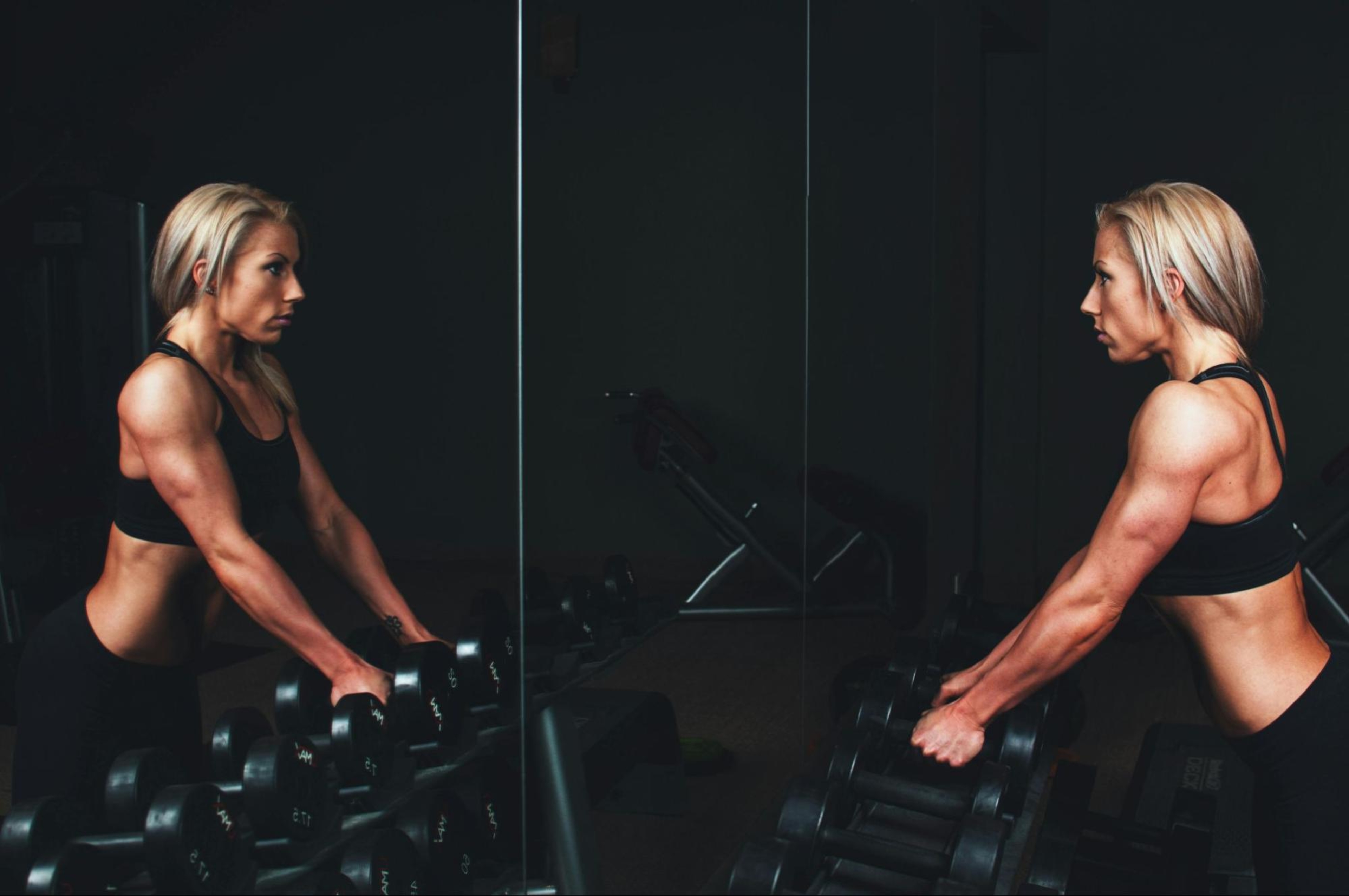
Credit: hydrow.com
Progressive Overload Strategies
Progressive overload is the key to building bigger and stronger biceps in the gym. It means gradually making your muscles work harder than before to stimulate growth and strength gains. Without this challenge, your progress will stall, no matter how consistent you are.
Increasing Weight
Adding more weight to your biceps exercises forces your muscles to adapt and grow. Start with a weight you can lift with good form, then slowly increase it week by week. Even a small jump, like 2.5 to 5 pounds, can make a big difference over time.
Be cautious not to sacrifice form for heavier weights. If your technique breaks down, you risk injury and won’t target the biceps effectively.
Adjusting Repetitions
If increasing weight feels too challenging, try changing your reps instead. For instance, if you usually do 12 reps, aim for 15 to increase volume. Alternatively, lower reps with heavier weights can also boost strength.
Listen to your body. If you can easily complete your sets, adding reps is a simple way to push harder without changing weights.
Time Under Tension
Slowing down the movement during your biceps curls increases the muscle’s time under tension. This means your muscles stay engaged longer, encouraging growth. Try lowering the dumbbell in a slow, controlled manner for 3–5 seconds.
This technique can make lighter weights feel much more challenging. Have you tried focusing on the muscle contraction instead of just moving the weight?
Nutrition For Biceps Gains
Nutrition plays a crucial role in building your biceps effectively. Without the right fuel, your hard work in the gym may not translate into visible gains. Paying attention to what you eat can speed up muscle recovery and growth, giving you stronger and bigger biceps faster.
Protein Intake
Protein is the building block of muscle. Aim to include a good source of protein in every meal to support muscle repair and growth.
- Chicken breast, lean beef, and fish are excellent whole food options.
- Plant-based sources like lentils, beans, and tofu work well if you prefer vegetarian options.
- A daily target of around 1.6 to 2.2 grams of protein per kilogram of your body weight can help maximize gains.
Have you tracked your protein intake lately? Many overlook this simple step, which could be the key to breaking through plateaus.
Supplement Options
Supplements can make hitting your nutrition goals easier but aren’t magic solutions. Whey protein powder is popular because it digests quickly, feeding your muscles after workouts.
- Creatine helps improve strength and muscle endurance.
- BCAAs (branched-chain amino acids) can reduce muscle soreness, letting you train harder.
- Omega-3 supplements reduce inflammation, aiding recovery.
Consider supplements as tools to fill gaps, not replacements for real food. What’s your supplement routine like, and have you noticed a difference in your biceps growth?
Hydration Tips
Muscle growth depends heavily on proper hydration. Water transports nutrients to your muscles and flushes out waste products from intense workouts.
- Drink at least 3 liters of water daily, more if you sweat a lot.
- Start your day with a glass of water to jumpstart hydration.
- During workouts, sip water regularly instead of chugging large amounts at once.
Have you noticed your performance or recovery dips when you’re dehydrated? Staying hydrated might be the simplest way to boost your biceps gains without extra effort.

Credit: www.womenshealthmag.com
Recovery And Injury Prevention
Recovery and injury prevention are key for strong and healthy biceps. Proper rest and care help muscles grow and avoid damage. Ignoring recovery can cause pain and reduce workout progress. Follow simple steps to keep your arms safe and improve gains.
Rest Days Importance
Muscles need time to repair after exercise. Rest days let your biceps heal and get stronger. Overworking muscles can cause soreness and injury. Plan regular breaks between intense workouts. Sleep well to support muscle recovery and energy.
Stretching Techniques
Stretching improves flexibility and blood flow in biceps. Use gentle stretches before and after workouts. Hold each stretch for 15-30 seconds without bouncing. Focus on slow, smooth movements to avoid strain. Stretching reduces tightness and helps prevent injuries.
Recognizing Overtraining
Overtraining happens when muscles don’t get enough rest. Signs include constant soreness, weakness, and fatigue. You may feel less motivated to exercise. Joint pain and poor sleep can also occur. Lower workout intensity or take extra rest if these appear.
Common Myths Debunked
Biceps exercises in the gym come with a lot of hearsay that can confuse your progress. Many gym-goers stick to false beliefs that slow down their gains or waste their time. Let’s clear up some common myths so you can train smarter and see better results.
Spot Reduction Misconceptions
Ever heard that doing endless biceps curls will burn fat around your arms? That’s a myth. You can’t choose where your body loses fat. Fat loss happens all over your body through overall calorie burning, not from targeting one muscle.
Focus on full-body workouts and nutrition to slim down, then your biceps will naturally show more definition. Concentrate on building muscle and strength, not just chasing fat loss in one spot.
Biceps Size Limits
Some people believe your biceps can only grow so big because of genetics or muscle limits. While genetics do influence muscle shape, your growth potential is mostly controlled by how hard and smart you train. I once thought my biceps had hit a ceiling, but changing my routine and adding progressive overload pushed them past what I imagined.
Don’t let a “size limit” stop you. Track your progress, increase weights gradually, and vary your exercises to keep your muscles challenged.
Equipment Necessity
You don’t need fancy machines or expensive gear to build strong biceps. Dumbbells, barbells, resistance bands, or even your body weight can give you a solid workout. I’ve seen great improvements from simple dumbbell curls and chin-ups alone.
Focus on proper form and consistency instead of waiting for the “perfect” equipment. Your body adapts to the stimulus you provide, no matter the tool.
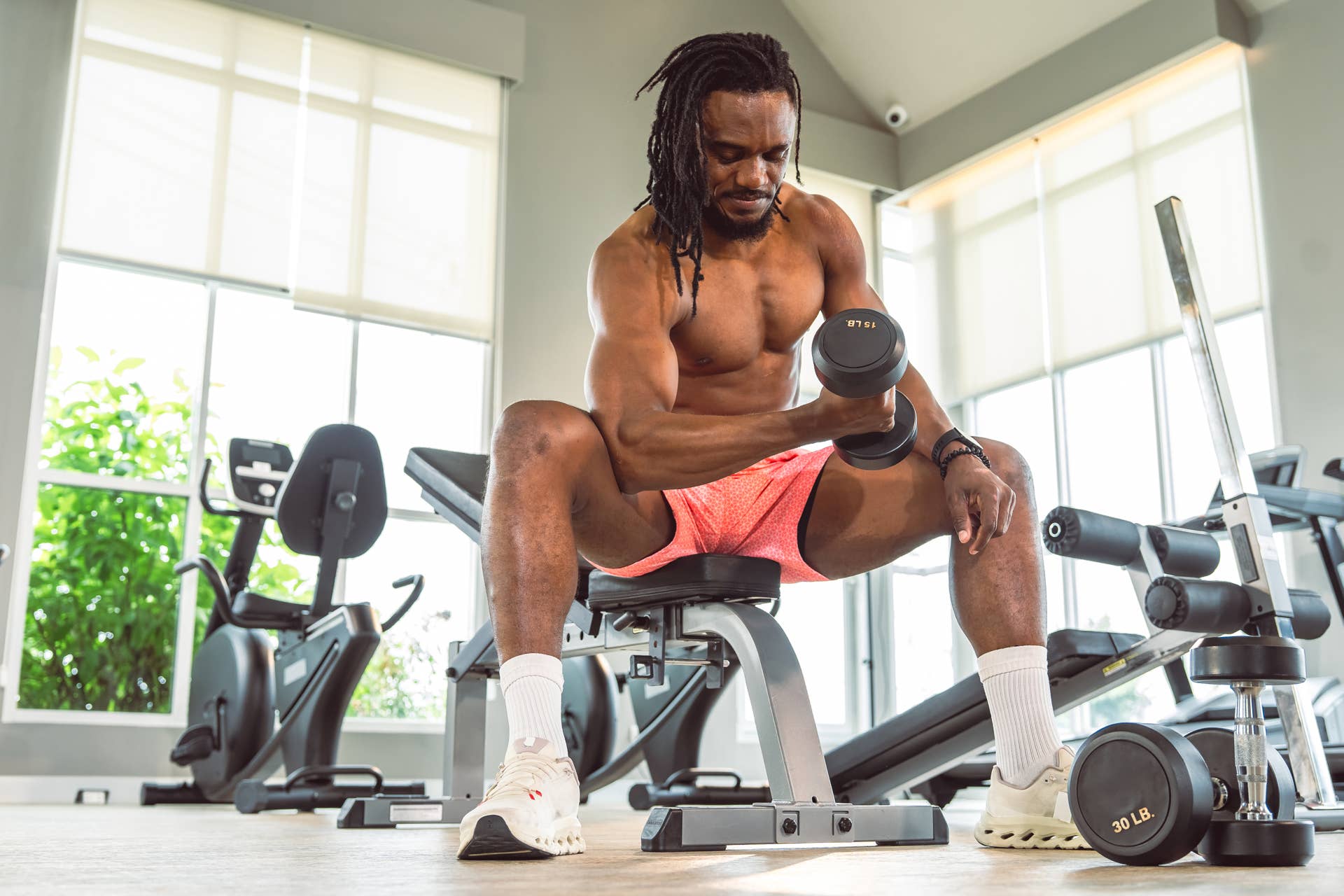
Credit: www.mensfitness.com
Frequently Asked Questions
What Are The Best Biceps Exercises In The Gym?
The best biceps exercises include barbell curls, dumbbell curls, hammer curls, and preacher curls. These target all biceps parts effectively.
How Often Should I Train Biceps For Growth?
Train biceps 2 to 3 times weekly with proper rest. Overtraining can hinder muscle growth and cause injury.
Can I Build Biceps Without Heavy Weights?
Yes, you can build biceps using bodyweight exercises and lighter weights with higher repetitions. Proper form is crucial.
What Common Mistakes Affect Biceps Workout Results?
Common mistakes are using momentum, partial reps, and neglecting form. Focus on slow, controlled movements for better gains.
Conclusion
Building strong biceps takes time and regular effort. Choose exercises that suit your fitness level and goals. Focus on form to avoid injury and get better results. Keep your routine simple and steady for the best progress. Rest and proper nutrition also help muscles grow.
Stay patient and consistent. Your biceps will grow stronger with every workout. Enjoy the process and celebrate small wins along the way.







