
Imagine gearing up for a workout, feeling pumped and ready to crush your fitness goals, only to be hindered by a sluggish stomach or lack of energy. Frustrating, right?
What if the secret to maximizing your workout isn’t just in the exercises you choose, but also in the timing of your meals? Understanding the best time to eat before a workout can be a game-changer for your fitness journey.
This isn’t just about filling your stomach; it’s about fueling your body with the right nutrients at the right time for peak performance. Curious to know how you can optimize your pre-workout routine? Dive into this article to discover the perfect timing and meal strategies that can transform your workouts from good to exceptional. Your body will thank you, and your results will speak for themselves.
Timing Your Pre-workout Meal
Timing your pre-workout meal is key to a strong session. Eating at the right moment fuels your body and improves performance. It also helps prevent fatigue and discomfort. The goal is to provide energy without feeling heavy or bloated. Understanding when to eat can boost your workout results.
Ideal Meal Timeframes
Eat a full meal 2 to 3 hours before exercise. This allows digestion and energy storage. Meals should include carbs, protein, and some fat. Examples:
- Grilled chicken, rice, and vegetables
- Oatmeal with banana and peanut butter
- Whole grain bread with turkey and avocado
If eating closer to workout time, aim for a small snack 30 to 60 minutes before. Choose easy-to-digest carbs and a little protein. Avoid high fat or fiber foods. Snack ideas:
- A banana with yogurt
- A small smoothie with fruit and protein powder
- Rice cakes with honey
Fasted Workouts Considerations
Some prefer to train on an empty stomach, usually after waking. Fasted workouts may increase fat burning but can reduce strength. Energy levels might drop faster. These workouts suit low to moderate intensity better.
For fasted sessions, keep workouts short and listen to your body. If feeling weak or dizzy, eat a small snack before next time. Drink water to stay hydrated. Consider adding a light protein source after exercise to aid recovery.

Credit: www.thebodybuildingdietitians.com
Choosing The Right Foods
Choosing the right foods before your workout can make a big difference in how you feel and perform. The food you eat provides the fuel your body needs to power through exercise and recover afterward. Understanding which nutrients to focus on helps you avoid sluggishness and muscle fatigue.
Carbohydrates For Energy
Carbohydrates are your body’s preferred source of energy, especially during high-intensity workouts. Eating carbs before exercise helps top off your glycogen stores, so you don’t hit a wall halfway through. Good options include a banana, oatmeal, or whole-grain toast.
Have you noticed how a small carb snack can boost your endurance? That’s because carbs break down quickly into glucose, which your muscles use immediately. Try to eat them about 30 to 60 minutes before you start moving.
Protein For Muscle Support
Protein helps repair and build muscle tissue, making it essential if you want to get stronger or recover faster. Adding a moderate amount of protein to your pre-workout meal can reduce muscle soreness later. Think Greek yogurt, a boiled egg, or a small protein shake.
But don’t overload on protein right before exercise—it takes longer to digest and might cause discomfort. Aim for about 10-20 grams alongside your carbs to get the best results.
Fats And Digestion
Fats provide a steady source of energy but digest more slowly than carbs and protein. Eating too much fat before a workout can leave you feeling heavy or sluggish. Small amounts of healthy fats like nuts or avocado are fine if you eat them well in advance.
Ask yourself: how does your stomach usually feel during exercise? If you notice digestive issues, try reducing fat intake before workouts. Timing matters more here—avoid fatty foods less than an hour before training.
Portion Sizes And Meal Composition
Eating the right amount and type of food before a workout helps fuel your body. Portion sizes and meal composition affect your energy and performance. Eating too much or too little can cause discomfort or fatigue. Choose balanced meals that support your workout goals and keep you comfortable.
Balancing Macronutrients
Your pre-workout meal should include carbohydrates, protein, and fats. Carbohydrates provide quick energy. Protein helps with muscle repair and growth. Healthy fats offer sustained energy but digest slowly.
- Carbohydrates: fruits, whole grains, or vegetables
- Protein: lean meat, yogurt, or beans
- Fats: nuts, seeds, or avocado
A balanced mix keeps energy steady and muscles fueled. Avoid meals high in fat or fiber to prevent stomach upset.
Avoiding Overeating
Large meals take longer to digest and may cause discomfort. Overeating before exercise can lead to sluggishness and nausea.
Keep portions moderate and focus on nutrient quality. Eating a small snack or meal 1 to 3 hours before exercise works best.
- Use your hand as a guide: palm-sized protein and fist-sized carbs
- Drink water to stay hydrated without feeling full
- Listen to your body’s hunger signals
Proper portion control helps maintain comfort and energy during workouts.
Credit: www.lemon8-app.com
Hydration Before Exercise
Staying hydrated before exercise is a key factor that many overlook. Proper hydration helps your body function at its best and can directly impact how you perform during your workout. Drinking the right amount and type of fluids before you start moving is essential for maintaining energy and avoiding cramps or fatigue.
Water Intake Guidelines
How much water should you drink before a workout? A good rule is to have about 16-20 ounces (roughly 500-600 ml) of water 2-3 hours before exercising. Then, add another 8-10 ounces (about 250-300 ml) 20-30 minutes before you begin.
If you skip this step, you might feel sluggish or dizzy. I once underestimated hydration before a morning run and felt drained halfway through. After adjusting my water intake, my energy levels improved noticeably. You don’t want to wait until you’re thirsty; that’s already a sign of dehydration.
Electrolyte Importance
Water alone isn’t always enough, especially if your workout is intense or lasts longer than an hour. Electrolytes like sodium, potassium, and magnesium help keep your muscles working and maintain fluid balance.
Think about sports drinks or electrolyte tablets if you sweat a lot or exercise in hot weather. These can prevent cramping and keep you feeling strong. Have you noticed muscle cramps during or after workouts? It might be a sign you need to add electrolytes to your hydration plan.
Pre-workout Snacks For Quick Energy
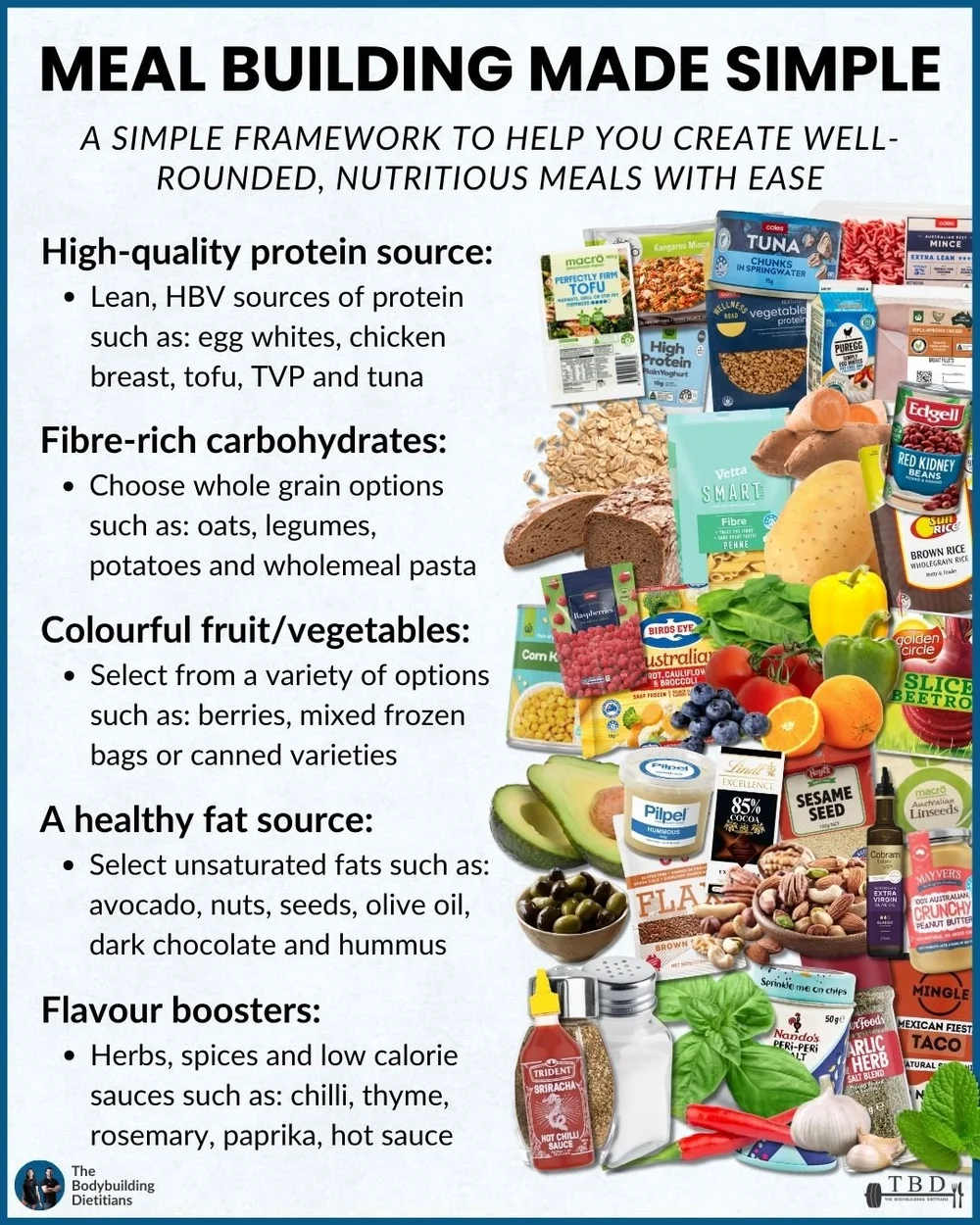
Eating the right snack before your workout can make a huge difference in your energy levels and performance. The goal is to fuel your body just enough to power through your session without feeling too full or sluggish. Quick-energy snacks provide the carbs and a bit of protein your muscles need to stay strong and focused.
Best Snack Options
Choose snacks that are easy to digest and rich in carbohydrates with some protein. This combination helps keep your blood sugar steady and supports muscle repair.
- Banana with a spoonful of peanut butter – quick carbs and healthy fats.
- Greek yogurt with a handful of berries – protein plus natural sugars.
- Oatmeal topped with honey – slow-release energy that won’t weigh you down.
- A small smoothie with fruit and a scoop of protein powder – liquid fuel that’s gentle on your stomach.
- Rice cakes with almond butter – light and easy to carry on the go.
Have you noticed how some snacks give you a quick burst of energy, while others leave you feeling tired? Picking the right combo can change how you perform.
Timing For Snacks
When you eat is just as important as what you eat. Aim to have your snack about 30 to 60 minutes before you start exercising.
This timing allows your body to digest and convert food into usable energy without feeling bloated. If you eat too close to your workout, you might feel sluggish or experience discomfort.
What’s your current pre-workout routine? Experiment with timing and snack types to find what helps you feel energized and ready to move.
Credit: www.thebodybuildingdietitians.com
Effects Of Meal Timing On Performance
Timing your meals before a workout can dramatically affect how you perform. Eating too early or too late can leave you feeling sluggish or uncomfortable, impacting your focus and results. Understanding how meal timing influences your energy and strength helps you plan better and get the most out of every session.
Energy Levels
Your energy during a workout depends largely on the fuel available in your body. Eating a balanced meal about 1.5 to 3 hours before exercise can top up your glycogen stores, giving you a steady supply of energy. If you eat too close to your workout, you might feel bloated or sluggish because your body is still digesting.
Think about how you feel when you skip a meal before training—do you notice a drop in energy or focus? That’s your body signaling it needs fuel. A small snack 30 to 60 minutes before can help if you didn’t eat earlier, but keep it light and easy to digest, like a banana or a handful of nuts.
Endurance And Strength
Meal timing affects your ability to sustain effort and lift heavier weights. Eating too far in advance can lead to low blood sugar during your workout, reducing endurance and strength. Conversely, eating too late can cause discomfort that limits how hard you push yourself.
Try to match your meal size and composition with your workout intensity. For longer cardio sessions, focus on carbs to maintain stamina. For strength training, add some protein to support muscle function. Have you noticed better strength or endurance when you adjust your pre-workout meal timing? That’s a good sign you’re fueling right.
Special Considerations
Special considerations play a key role in deciding the best time to eat before a workout. Different factors affect how your body responds to food and exercise. Knowing these can help you plan meals better and improve workout results.
Morning Vs Evening Workouts
Morning workouts often mean you exercise on an empty stomach. Some people feel fine, but others need a small snack for energy. Eating something light, like a banana or toast, can boost performance without discomfort.
Evening workouts usually follow a full day of meals. You might need a balanced meal 1-2 hours before exercise to avoid feeling sluggish. A mix of carbs and protein helps sustain energy and aids muscle recovery.
Individual Metabolism Differences
Metabolism varies from person to person. Some burn energy fast and need more frequent meals. Others digest slowly and feel heavy if they eat too close to workouts.
Pay attention to how your body reacts. Adjust meal timing and size based on energy levels and digestion. Experiment with different foods to find what works best for you.
Frequently Asked Questions
What Is The Best Time To Eat Before A Workout?
The best time to eat before a workout is 1 to 3 hours prior. This allows proper digestion and energy availability for optimal performance.
Can I Eat Immediately Before Exercising?
Eating right before a workout can cause discomfort. It’s better to eat a small snack 30 minutes before if needed.
What Foods Are Ideal To Eat Before A Workout?
Choose easily digestible carbs and moderate protein, like a banana with peanut butter. Avoid heavy fats or fiber-rich foods pre-workout.
How Does Eating Timing Affect Workout Performance?
Eating at the right time boosts energy, endurance, and muscle recovery. Poor timing may cause fatigue or stomach issues during exercise.
Conclusion
Eating at the right time boosts your workout energy and results. Aim to eat a balanced meal 1 to 3 hours before exercise. This helps fuel your muscles and keeps you strong. Avoid heavy or greasy foods that may cause discomfort.
Drinking water before and after your workout also aids performance. Listen to your body and adjust meal timing as needed. Small changes can make a big difference in how you feel during workouts. Start with these tips and find what works best for you.







