
Are you ready to discover a path to better health and happiness? Beginner yoga for seniors is a gentle way to enhance your well-being, no matter your age.
Imagine feeling more flexible, balanced, and at ease in your daily life. This isn’t just exercise; it’s a chance to connect with your body and mind in a meaningful way. You might think yoga is only for the young and bendy, but the truth is, it’s perfect for you, too.
With simple poses and techniques tailored just for seniors, you’ll find yourself moving more freely and feeling more vibrant. Ready to give it a try and unlock the potential of your golden years? Let’s dive into how beginner yoga can make a difference in your life, starting today.
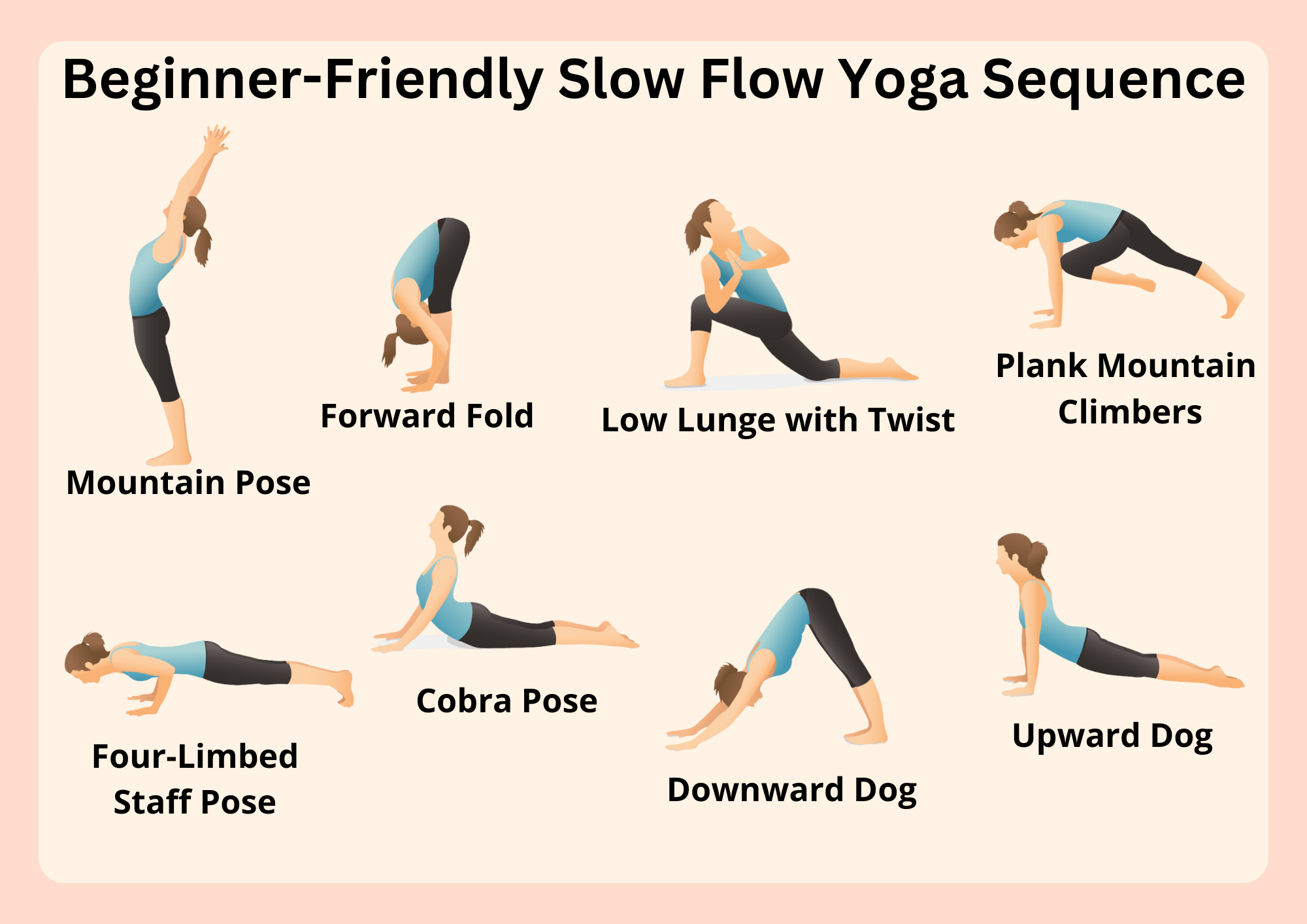
Credit: myyogateacher.com
Benefits Of Yoga For Seniors
Yoga offers many benefits for seniors. It helps keep the body active and the mind calm. Regular practice can improve health and quality of life. Seniors can enjoy gentle movements that suit their pace and needs.
Improved Flexibility
Yoga stretches muscles and soft tissues. This helps increase movement in joints. Improved flexibility makes daily tasks easier. It reduces stiffness and muscle tightness. Seniors feel more comfortable moving around.
Enhanced Balance And Stability
Yoga poses strengthen core muscles. Strong muscles support better balance. Improved stability lowers the risk of falls. This helps seniors stay steady on their feet. Confidence in movement grows with practice.
Reduced Stress And Anxiety
Yoga focuses on breathing and mindfulness. These techniques calm the nervous system. Stress levels decrease with regular yoga. Anxiety symptoms become less intense. Seniors find peace and relaxation through yoga.
Better Joint Health
Yoga encourages gentle joint movement. This keeps joints lubricated and healthy. It can reduce pain from arthritis. Strengthening muscles around joints adds support. Seniors experience less discomfort and more ease.

Credit: www.youtube.com
Preparing For Yoga Practice
Preparing for yoga practice is essential for seniors to enjoy a safe and peaceful experience. Creating the right setting and using helpful tools makes yoga more comfortable and effective. Paying attention to safety protects the body and builds confidence during practice.
Choosing The Right Environment
Pick a quiet place with enough space to move freely. The area should have good air flow and natural light if possible. Avoid slippery floors and noisy rooms. Keep distractions like phones and TVs away. A calm environment helps focus and relax the mind.
Essential Props And Equipment
- A non-slip yoga mat provides stability and comfort.
- Yoga blocks support balance and make poses easier.
- A sturdy chair can help with seated poses and standing support.
- Soft blankets or cushions add comfort during floor exercises.
- Wear loose, breathable clothes for easy movement.
Safety Tips For Beginners
- Start with gentle poses and slow movements.
- Listen to your body and avoid pain or strain.
- Keep water nearby to stay hydrated.
- Inform your instructor about health conditions.
- Use props to prevent overstretching and loss of balance.
Easy Yoga Poses For Seniors
Starting yoga as a senior can feel challenging, but choosing the right poses makes all the difference. Easy yoga poses help you build strength, improve flexibility, and boost balance without overwhelming your body. These simple moves support your health and confidence, allowing you to enjoy yoga safely and comfortably.
Mountain Pose For Posture
Mountain Pose is a great way to improve your posture and find balance. Stand with your feet hip-width apart, arms relaxed by your sides. Feel your feet grounding into the floor as you lengthen your spine and lift your chest gently.
This pose trains your body to stand tall and steady. Can you feel the difference when your shoulders roll back and your neck stays long?
Seated Cat-cow Stretch
Sitting in a chair, place your hands on your knees. Inhale as you arch your back and look up, opening your chest (Cow). Exhale as you round your spine and tuck your chin (Cat). This gentle flow eases tension in your back and neck.
Try syncing your breath with the movements. How much looser does your spine feel after a few rounds?
Chair Warrior Pose
Using a sturdy chair, place one foot forward and the other back, keeping both feet flat. Raise your arms overhead and bend your front knee slightly. This pose strengthens your legs and improves focus.
Do you notice how the chair helps you balance while still building strength?
Standing Tree Pose
Stand tall and shift your weight onto one leg. Place the sole of your other foot on your ankle, calf, or thigh (avoid the knee). Bring your hands together at your chest or raise them overhead.
This pose challenges your balance gently. Can you hold it while breathing steadily?
Bridge Pose For Strength
Lie on your back with knees bent and feet flat on the floor, hip-width apart. Press into your feet and lift your hips toward the ceiling. Keep your shoulders grounded and engage your core.
Bridge Pose strengthens your back, hips, and legs. How does lifting your body change how your muscles feel?
Legs-up-the-wall Pose
Sit next to a wall and swing your legs up so they rest vertically against it. Keep your back and shoulders relaxed on the floor or mat. This restorative pose reduces swelling and calms your nervous system.
Can you feel the tension melting away as your legs rest above your heart?
Breathing Techniques
Breathing techniques are a cornerstone of yoga practice, especially for seniors starting their journey. They help calm the mind, improve oxygen flow, and support gentle movement. Mastering these simple breathing methods can make your yoga sessions more effective and enjoyable.
Deep Diaphragmatic Breathing
This technique teaches you to breathe deeply using your diaphragm, not just your chest. Place one hand on your belly and the other on your chest. As you breathe in slowly through your nose, focus on making your belly rise while keeping your chest still.
Exhale gently through your mouth, feeling your belly fall. This kind of breathing can reduce stress and lower blood pressure. Have you noticed how your body feels when you take a deep, full breath compared to a shallow one?
Try this for a few minutes each day to build better breathing habits. It’s a simple way to bring more calm and energy to your body and mind.
Alternate Nostril Breathing
Alternate nostril breathing balances the flow of air through each nostril, which can soothe your nervous system. Start by sitting comfortably and using your thumb to close your right nostril. Inhale slowly through the left nostril.
Next, close the left nostril with your ring finger and release the right nostril to exhale. Then inhale through the right nostril, close it, and exhale through the left. This cycle can be repeated several times.
This practice improves focus and helps you feel centered. Have you ever tried breathing through just one nostril and noticed how different it feels? Give it a try and see how your mind and body respond.
Creating A Regular Yoga Routine
Creating a regular yoga routine helps seniors build strength and flexibility safely. A steady practice improves balance, reduces stress, and boosts mood. Establishing simple habits makes yoga a natural part of daily life.
Setting Realistic Goals
Start with small, clear goals. Aim for 10 to 15 minutes of yoga a few days a week. Focus on gentle poses that feel good. Celebrate progress, no matter how small. Avoid pushing too hard to prevent injury.
Incorporating Rest Days
Rest days let muscles recover and grow stronger. Schedule breaks between yoga sessions to avoid fatigue. Use rest days for light walking or stretching. Listen to your body’s signals to know when to rest.
Tracking Progress
Keep a simple journal to note daily yoga practice. Write down poses, duration, and how you feel after each session. Tracking helps stay motivated and see improvements over time. Adjust goals based on progress and comfort.

Credit: www.youtube.com
Common Challenges And Modifications
Starting yoga as a senior can bring many benefits but also some challenges. Understanding these common hurdles helps create a safer and more enjoyable practice. Modifications allow seniors to adapt poses to their unique needs. This section covers ways to overcome common issues like limited mobility, using props, and managing pain during yoga.
Dealing With Limited Mobility
Many seniors face stiffness or reduced range of motion. This can make certain poses difficult or uncomfortable. Moving slowly and gently is key. Focus on small, controlled movements rather than deep stretches. Chair yoga offers excellent options for those with balance or mobility concerns. It allows practice while seated or using the chair for support.
Using Props For Support
Props help improve stability and comfort during yoga. Common props include blocks, straps, bolsters, and chairs. Blocks raise the floor to meet your hands in poses. Straps assist in reaching limbs without strain. Bolsters provide gentle support in resting poses. Chairs offer balance and reduce fall risk. These tools make poses accessible and safe.
Adapting Poses For Pain
Pain should never be ignored in yoga practice. Modifying poses to avoid discomfort protects joints and muscles. Use gentle variations and avoid deep twists or bends. Practicing poses near a wall or with support can reduce strain. Listen to your body and stop if pain increases. Consistent, gentle movement helps build strength and reduce pain over time.
Frequently Asked Questions
What Are The Best Yoga Poses For Senior Beginners?
Beginner-friendly poses like Cat-Cow, Mountain Pose, and Child’s Pose improve flexibility and balance. These poses are gentle, safe, and help seniors build strength gradually. Always practice with proper guidance to avoid injury.
How Often Should Seniors Practice Yoga Weekly?
Seniors should aim for 2-3 yoga sessions per week. Consistency helps improve mobility, strength, and mental wellness. Each session can last 20-40 minutes, depending on comfort and energy levels.
Can Yoga Improve Seniors’ Balance And Flexibility?
Yes, yoga enhances balance and flexibility by strengthening muscles and improving joint mobility. Regular practice reduces fall risk and increases overall physical stability, crucial for seniors’ independence.
Is Yoga Safe For Seniors With Arthritis?
Yoga is generally safe for arthritis if poses are modified. Gentle stretches reduce stiffness and pain. Consult a healthcare provider before starting, and avoid high-impact or strenuous poses.
Conclusion
Starting yoga at any age brings many benefits. Seniors can improve balance and flexibility safely. Simple poses help build strength and reduce stress. Practicing regularly supports better breathing and relaxation. Always listen to your body and move slowly. Find a quiet space and enjoy the calm.
Yoga for seniors is gentle and kind. It helps keep the mind sharp and the body active. A small daily routine can make a big difference. Try beginner yoga and feel healthier each day.







