
Are you ready to kickstart your weight loss journey but unsure where to begin? Walking into the gym for the first time can feel overwhelming, but it doesn’t have to be.
Imagine a simple, effective workout routine that not only helps shed those extra pounds but also boosts your confidence and energy levels. This beginner-friendly gym workout routine is designed just for you, combining the right mix of exercises to jumpstart your metabolism and enhance your strength.
Picture yourself feeling more vibrant and fit, all while enjoying each step of your fitness journey. Dive in, and discover how you can make your gym experience both effective and enjoyable. Ready to transform your workouts and achieve your weight loss goals? Keep reading to find out how!
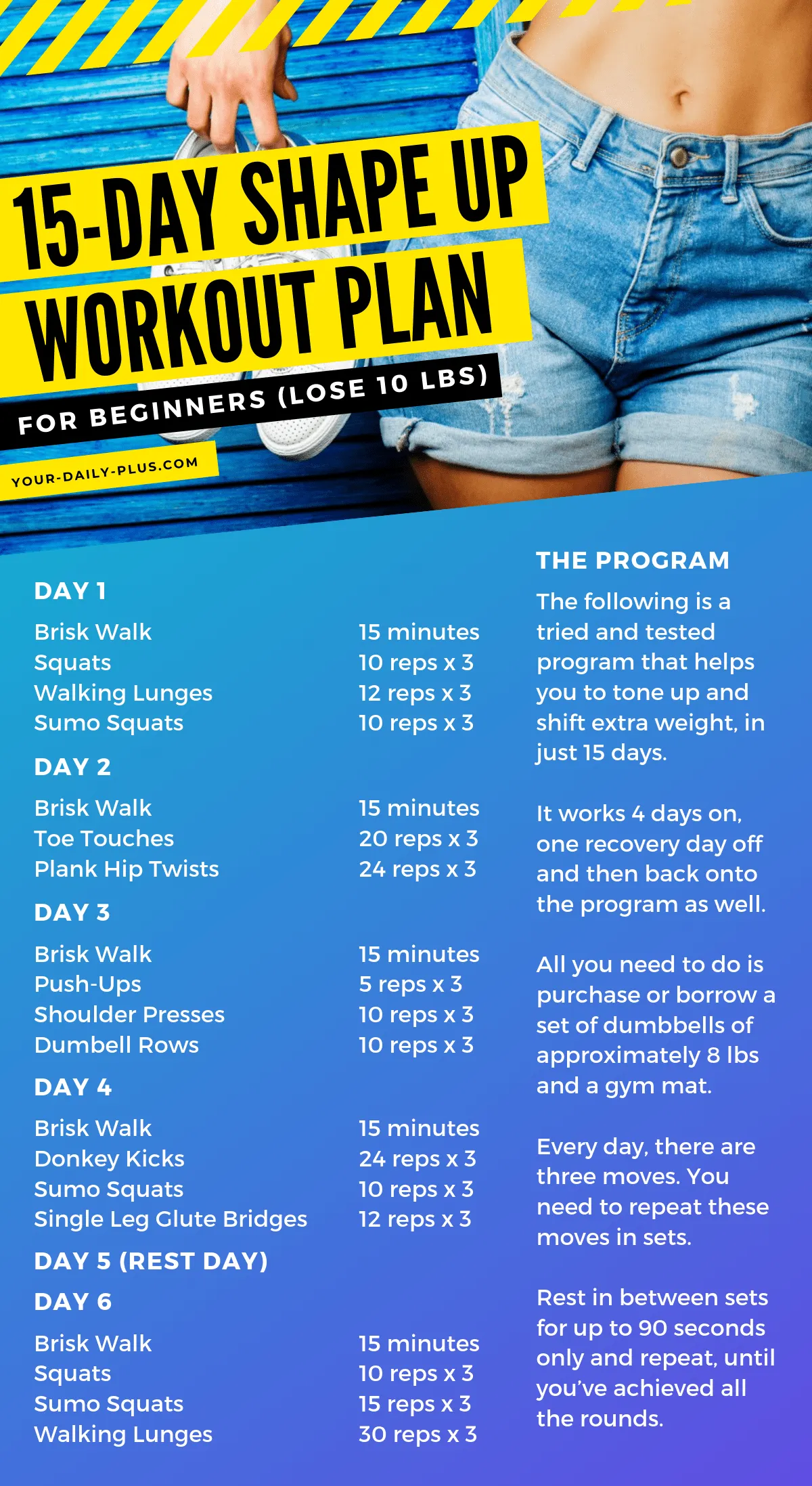
Credit: medium.com
Starting With Basics
Starting with the basics is the smartest way to begin your weight loss gym workout routine. It sets a strong foundation and helps you build confidence without feeling overwhelmed. Taking small, manageable steps makes your fitness journey more sustainable and enjoyable.
Choosing The Right Gym
Your choice of gym can make or break your motivation. Look for a place that feels welcoming and suits your schedule. A gym close to home or work reduces excuses and helps you stay consistent.
Check if the gym has beginner-friendly equipment and classes. Some gyms offer free trial days or beginner orientations—use these to see if it fits your needs. Remember, a gym where you feel comfortable is more likely to keep you coming back.
Essential Workout Gear
You don’t need expensive gear to get started. Invest in a good pair of sneakers that provide support and comfort. Wearing the right shoes can prevent injuries and improve your workout experience.
Choose breathable, flexible clothing that lets you move freely. Avoid anything too tight or restrictive. A water bottle and a small towel are handy too—staying hydrated and fresh keeps your energy up during workouts.
Setting Realistic Goals
Setting goals that match your current fitness level is key to staying motivated. Instead of aiming to lose 20 pounds in a month, focus on small wins like attending the gym three times a week. Celebrate these achievements to keep your momentum going.
Ask yourself: What feels doable right now? Track your progress with a simple journal or an app. Seeing your improvements, no matter how small, will push you to keep going stronger.
Warm-up Techniques
Warming up before a gym workout helps prepare your body and mind. It reduces the risk of injury and improves your performance. Warm-up techniques increase blood flow to muscles and raise your heart rate gradually. This makes your workout safer and more effective.
Dynamic Stretching
Dynamic stretching involves moving your muscles through their full range of motion. These stretches are active, not held in place. They help increase flexibility and joint mobility. Examples include leg swings, arm circles, and walking lunges. Spend 5 to 10 minutes on dynamic stretches before starting your workout.
Light Cardio Warm-up
Light cardio warms your heart and lungs gently. It raises your body temperature and gets you ready to exercise. Choose activities like brisk walking, slow jogging, or cycling on a stationary bike. Aim for 5 to 10 minutes of light cardio before moving to intense exercises. This step wakes up your muscles and reduces stiffness.
Cardio Workouts For Fat Burn
Cardio workouts play a key role in burning fat and improving heart health. These exercises increase your heart rate and help burn calories efficiently. Starting with simple cardio routines can boost your weight loss journey and build stamina. Focus on consistency and proper form to get the best results.
Treadmill Intervals
Treadmill intervals mix fast running or walking with slower recovery periods. This method burns more calories than steady jogging. Begin with a warm-up walk for 5 minutes. Then, alternate 1 minute of fast running with 2 minutes of slow walking. Repeat this cycle for 15 to 20 minutes. End with a cool-down walk. This routine improves endurance and burns fat effectively.
Cycling Sessions
Cycling is low-impact and easy on your joints. Use a stationary bike or a regular bike for your sessions. Start with a 5-minute warm-up at a slow pace. Increase speed or resistance for 1 to 2 minutes to raise your heart rate. Follow with 2 to 3 minutes of slow cycling to recover. Repeat this pattern for 20 to 30 minutes. Cycling tones your legs and burns calories fast.
Rowing Machine Basics
The rowing machine works your whole body and boosts fat loss. Sit with your feet secured and back straight. Push with your legs first, then pull the handle towards your chest. Return smoothly to the start position. Begin with steady rowing for 5 minutes. Add intervals by rowing hard for 30 seconds, then easy for 1 minute. Do this for 15 to 20 minutes. Rowing builds strength and increases calorie burn.
Strength Training Essentials
Strength training is a key part of any weight loss gym routine. It helps build muscle, which burns more calories even when resting. This type of training also improves bone health and boosts metabolism. Starting with the right exercises makes workouts safe and effective.
Understanding the basics of strength training helps beginners gain confidence. It allows steady progress without risking injury. Focus on proper form and controlled movements for the best results.
Bodyweight Exercises
Bodyweight exercises use your own weight for resistance. They are easy to do anywhere and need no equipment. Examples include:
- Push-ups
- Squats
- Planks
- Lunges
These moves help build strength and improve balance. Start with fewer reps and increase as you grow stronger.
Using Free Weights
Free weights like dumbbells and kettlebells add resistance to workouts. They engage multiple muscles at once. Common exercises include:
- Bicep curls
- Shoulder presses
- Deadlifts
- Chest presses
Begin with light weights to learn proper technique. Gradually increase weight to challenge muscles safely.
Machine Workouts
Gym machines guide your movements for better control. They often target specific muscle groups. Popular machines include:
- Leg press
- Lat pulldown
- Chest fly
- Seated row
Machines reduce risk of injury for beginners. Adjust settings to fit your body size and strength level.
Core And Flexibility
Your core and flexibility are key players in any weight loss gym workout routine. A strong core supports your entire body, improves posture, and enhances balance. Flexibility helps you avoid injuries and speeds up recovery, making your workouts more effective and enjoyable.
Abdominal Routines
Focus on simple abdominal exercises that target different parts of your core. Start with basic crunches, bicycle kicks, and planks. Each exercise strengthens your abs, obliques, and lower back muscles, which are essential for overall stability.
Try to do 2–3 sets of 12–15 reps for each movement. Pay attention to your form—quality beats quantity every time. Remember, a strong core doesn’t just look good; it supports other exercises like squats and deadlifts, boosting your overall weight loss progress.
Stretching For Recovery
Stretching after your workout helps reduce muscle soreness and improves flexibility. Spend at least 5–10 minutes stretching your major muscle groups, especially those you’ve worked out. This includes hamstrings, quads, back, and shoulders.
Try dynamic stretches before your workout and static stretches afterward. For example, leg swings can prepare your muscles, while seated hamstring stretches help relax them post-exercise. How often do you give your body time to recover properly? Skipping stretching can slow down your progress and increase injury risk.

Credit: www.threads.com
Workout Schedule Tips
Setting up an effective workout schedule is key to staying consistent and seeing real progress in your weight loss journey. You want to make sure your plan keeps you motivated without burning you out. Let’s look at how to balance your exercise types and give your body the rest it needs to perform its best.
Balancing Cardio And Strength
Both cardio and strength training play important roles in weight loss. Cardio helps burn calories quickly, while strength training builds muscle, which boosts your metabolism over time.
Try splitting your week so that you do cardio on some days and strength training on others. For example, you might run or cycle on Monday, Wednesday, and Friday, and do weight training on Tuesday and Thursday.
Listen to your body—if you feel too tired, scale back the intensity or duration. Are you focusing enough on both types of workouts, or do you find yourself sticking to just one?
Rest And Recovery Days
Rest days are just as important as workout days. Your muscles need time to repair and grow stronger, which helps prevent injury and keeps you energized.
Plan at least one or two rest days each week. On those days, you can do light activities like walking or stretching to stay active without pushing your body too hard.
Think about how you feel after rest days. Do you notice better performance or less soreness? Paying attention to this can help you find the right balance between work and recovery.
Tracking Progress
Tracking your progress during a beginner weight loss gym workout routine can make a huge difference in staying motivated and adjusting your efforts. Without clear feedback, it’s easy to lose sight of how far you’ve come or what needs improvement. Paying attention to changes over time helps you stay focused and committed to your goals.
Using Fitness Apps
Fitness apps can be powerful tools for tracking your workouts and overall progress. They let you log exercises, weights, sets, and reps, so you have a clear record of your performance. Some apps even offer reminders and motivational tips to keep you on track.
For example, I started using a simple app to track my gym sessions, and seeing the steady increase in weights lifted kept me pushing harder each week. You can also monitor calories burned and nutritional intake, which adds another layer of control over your weight loss journey.
Measuring Body Changes
Numbers on the scale don’t tell the whole story. Measuring your body changes with a tape measure or taking progress photos can reveal fat loss and muscle gain more accurately. Focus on key areas like waist, hips, chest, arms, and thighs.
Try measuring once every two weeks to notice patterns without becoming obsessed. I once ignored this step and only weighed myself, missing the fact that I was gaining muscle while losing fat. Tracking body changes can help you celebrate non-scale victories and keep your spirits high.
Nutrition Basics For Weight Loss
Nutrition plays a crucial role in your weight loss journey, especially when paired with a gym workout routine. What you eat fuels your workouts and helps your body recover and burn fat efficiently. Understanding basic nutrition principles can make your efforts more effective and sustainable.
Meal Planning
Planning your meals helps you control portions and avoid last-minute unhealthy choices. Focus on balanced meals with a mix of protein, healthy fats, and complex carbs. For example, a plate with grilled chicken, quinoa, and steamed vegetables can keep you full and energized.
Try prepping meals ahead of time to stay consistent. Use containers to portion out your food for the day or week. This simple step can prevent overeating and keep your nutrition on track.
Hydration Tips
Staying hydrated affects your energy levels and workout performance. Aim to drink at least 8 glasses of water daily, and increase intake if you sweat a lot during exercise. Water helps flush out toxins and supports your metabolism.
If you find plain water boring, add slices of lemon, cucumber, or fresh mint for a refreshing twist. Avoid sugary drinks that add empty calories and can hinder your progress. Have you noticed how much better you feel and perform when properly hydrated?
Staying Motivated
Staying motivated during a beginner weight loss gym workout routine can be challenging. Motivation helps keep your energy high and your focus sharp. It turns small efforts into lasting habits. Without motivation, it is easy to skip workouts or lose interest. Creating ways to stay motivated boosts your chance of success.
Setting Milestones
Setting milestones breaks your big goal into smaller steps. These steps make progress clear and rewarding. For example, aim to complete a week of workouts or lose a few pounds. Each milestone reached gives a sense of achievement. Write down your milestones and check them off as you go. Celebrate small wins to keep your spirits up. This builds confidence and pushes you forward.
Finding Workout Partners
Workout partners add fun and accountability to your routine. They encourage you to show up even on tough days. Partners share the journey, making exercises less lonely. Choose someone with similar goals and schedule. Plan workouts together and support each other’s progress. Friendly competition can boost your effort. Talking about challenges with a partner helps solve problems. A workout buddy makes the gym feel welcoming and less intimidating.
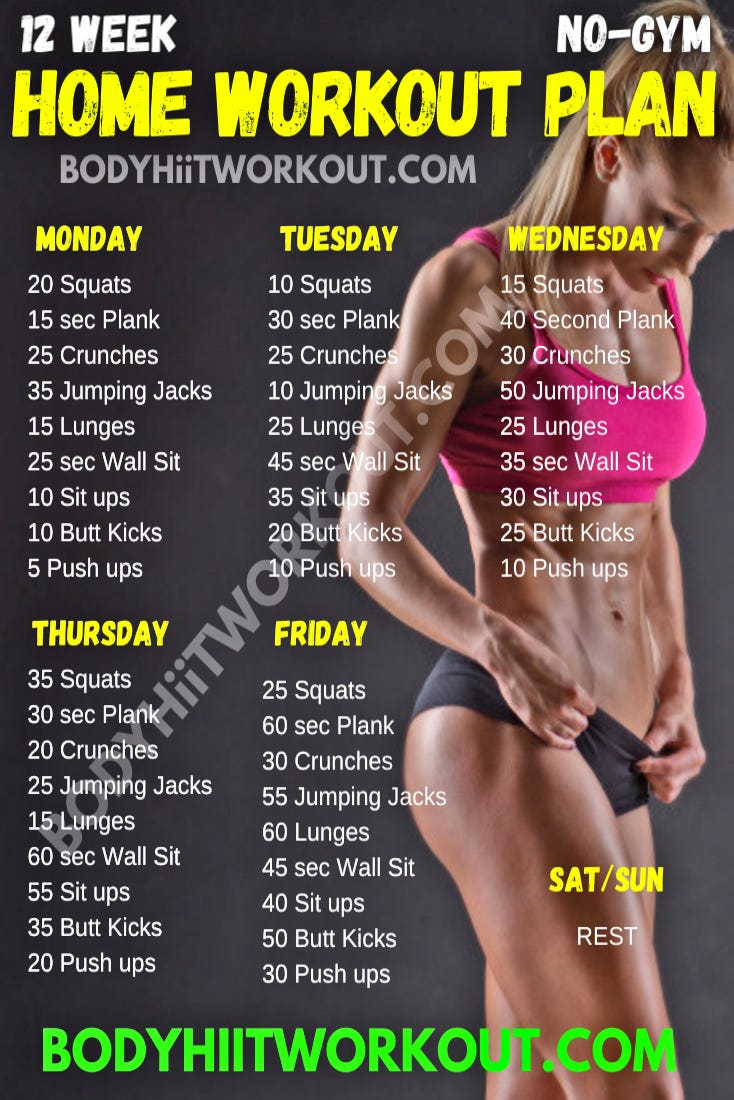
Credit: www.rcdronsrbija.com
Frequently Asked Questions
What Is The Best Beginner Weight Loss Gym Workout Routine?
A balanced beginner routine combines cardio, strength training, and flexibility exercises. Aim for 3-4 days weekly, focusing on full-body workouts. Start with light weights and moderate cardio, gradually increasing intensity. Consistency and proper form are key for effective weight loss and injury prevention.
How Long Should A Beginner Gym Workout Last?
Beginner workouts should last 30 to 45 minutes. This duration balances effectiveness and energy levels. It allows enough time for warm-up, main exercises, and cool-down. Over time, increase duration as fitness improves. Short, regular sessions help maintain motivation and prevent burnout.
How Often Should Beginners Work Out For Weight Loss?
Beginners should work out 3 to 4 times per week. This frequency promotes fat loss and muscle gain without overtraining. Rest days are essential for recovery. Consistency over time yields the best weight loss results. Combine workouts with a healthy diet for optimal outcomes.
What Exercises Are Best For Weight Loss Beginners?
Focus on compound exercises like squats, lunges, push-ups, and rows. Include cardio activities such as brisk walking, cycling, or elliptical training. These workouts burn calories and build muscle efficiently. Mixing strength and cardio boosts metabolism and accelerates fat loss for beginners.
Conclusion
Starting a weight loss workout can feel hard. Keep your routine simple and steady. Small steps add up to big changes. Stay consistent and listen to your body. Rest and eat well to support your efforts. Celebrate progress, no matter how small.
This routine helps build strength and burn fat. Enjoy the journey and stay patient. Results come with time and effort. Keep moving forward, one day at a time.







