
Starting at the gym can feel overwhelming. You might wonder where to begin, what exercises to try, or how to use the machines without feeling lost.
But here’s the truth: everyone starts somewhere, and you’re not alone. This guide is made just for you—simple, clear, and designed to help you build confidence from day one. By the time you finish reading, you’ll know exactly what steps to take to make your gym time effective and enjoyable.
Ready to unlock your potential? Let’s dive in.
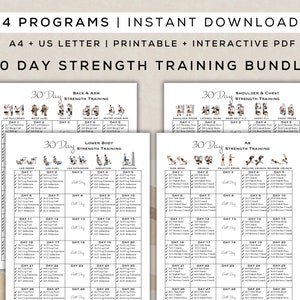
Credit: www.etsy.com
Setting Fitness Goals
Setting fitness goals is a key step for beginners at the gym. Clear goals guide your workouts and keep you motivated. They help track progress and make exercise more rewarding.
Without goals, workouts can feel aimless and less satisfying. Goals give a sense of direction and purpose. They also help build good habits and boost confidence.
Understanding Different Types Of Fitness Goals
Fitness goals vary based on what you want to achieve. Some focus on strength, others on endurance or weight loss. Knowing the types of goals helps choose the right path.
- Strength goals: Build muscle and increase power.
- Endurance goals: Improve stamina and cardiovascular health.
- Weight loss goals: Reduce body fat and improve body shape.
- Flexibility goals: Enhance range of motion and prevent injury.
Setting Realistic And Achievable Goals
Goals must be realistic to stay motivating. Unrealistic goals cause frustration and loss of interest. Start with small targets and increase difficulty over time.
Use clear numbers or milestones. This makes goals easier to follow and measure. Adjust goals based on progress and personal needs.
Creating A Timeline For Your Fitness Goals
A timeline adds urgency and focus to your goals. It breaks big goals into smaller steps. Set short-term and long-term deadlines.
- Short-term: Weekly or monthly targets.
- Long-term: Quarterly or yearly achievements.
Tracking progress regularly helps adjust workouts and stay on track.
Choosing The Right Gym
Choosing the right gym is a crucial step in your fitness journey. The gym you pick can influence your motivation, consistency, and results. It’s not just about the equipment or location but how well the gym fits your lifestyle and goals.
Location And Accessibility
Think about how easy it is to get to the gym. A gym close to your home or workplace saves time and reduces excuses for skipping workouts. If a gym is hard to reach, you might find yourself choosing comfort over commitment.
Ask yourself: Are you willing to commute 30 minutes or more every day? If the answer is no, focus on gyms within a convenient radius. Also, check if the gym’s hours match your schedule, especially if you prefer early morning or late-night sessions.
Gym Atmosphere And Culture
Walk into a gym and notice how it feels. Is it welcoming or intimidating? The atmosphere impacts how comfortable you are, especially if you’re new to working out.
Some gyms have a friendly community vibe, with trainers and members encouraging each other. Others might feel competitive or overcrowded. Visit during your preferred workout time to see the crowd and energy. Does the environment inspire you to keep coming back?
Equipment And Facilities
Check if the gym offers the equipment you need for your workouts. Beginners often benefit from a variety of machines, free weights, and cardio options. Having access to diverse equipment keeps your routine interesting and balanced.
Don’t forget to look at cleanliness and maintenance. Broken machines or dirty facilities can ruin your experience. Also, see if the gym provides extras like lockers, showers, or group classes that add value to your membership.
Cost And Membership Options
Price matters, but it shouldn’t be the only factor. Some gyms offer flexible membership plans, such as monthly, yearly, or pay-as-you-go. Choose what fits your budget and commitment level.
Consider any hidden fees like sign-up costs or cancellation charges. Sometimes paying a bit more for a gym that keeps you motivated and comfortable is worth it. What’s your budget, and how does it match the gym’s offerings?
Creating A Balanced Workout Plan
Creating a balanced workout plan is key to making consistent progress and avoiding burnout at the gym. It ensures you work on different aspects of fitness, keeping your routine interesting and effective. When you focus on various exercise types, your body gets stronger, fitter, and more flexible.
Cardio Exercises
Cardio helps improve your heart health and burns calories. You don’t have to start with long runs; even brisk walking or cycling works well. Try mixing activities like jumping rope, swimming, or using the elliptical to keep things fresh.
Ask yourself: how often do you move your body in ways that raise your heart rate? Start with 20-30 minutes, three times a week, and build up as you feel stronger.
Strength Training
Strength training builds muscle and boosts your metabolism. You can begin with bodyweight exercises like push-ups, squats, or lunges before adding weights. Focus on major muscle groups to get the best results.
Remember, proper form is more important than heavy lifting. Start light, and increase resistance gradually to avoid injury. How can you challenge your muscles without risking strain?
Flexibility And Mobility
Flexibility and mobility improve your range of motion and reduce injury risk. Simple stretches or yoga poses after workouts can help your muscles recover. Don’t skip this part, even if it feels less exciting.
Try spending 5-10 minutes daily on stretching tight areas like hips, shoulders, and hamstrings. Could focusing on mobility be the missing piece in your workout routine?
Essential Gym Equipment
Starting your gym journey can feel overwhelming, especially when faced with rows of unfamiliar equipment. Knowing which tools are essential helps you focus on exercises that build strength, improve endurance, and keep you motivated. Let’s break down the key gym equipment that you should get comfortable with early on.
Free Weights
Dumbbells and barbells are your best friends for building muscle and gaining strength. They allow you to perform a wide range of exercises, from bicep curls to squats, targeting multiple muscle groups.
When I first started, I avoided free weights because they looked complicated. But once I tried them, I realized they give you more control over your movements than machines. Have you tried lifting free weights before?
Resistance Machines
Resistance machines guide your movement, making them safer and easier to use if you’re just beginning. They help isolate muscles, which is great for learning proper form and avoiding injury.
For example, the leg press machine targets your quads and glutes without putting strain on your back. Machines can build your confidence before moving on to free weights.
Cardio Equipment
Treadmills, stationary bikes, and ellipticals are staples for improving your cardiovascular health. These machines offer adjustable intensity, allowing you to start slow and gradually increase your stamina.
Think about what you enjoy most—do you prefer running, cycling, or a low-impact workout? Choosing the right cardio machine keeps your sessions enjoyable and consistent.
Exercise Mats
A good exercise mat is essential for floor exercises like stretching, yoga, or core workouts. It provides cushioning and support, protecting your joints during workouts.
When I added a mat to my routine, I noticed I could hold poses longer and felt less discomfort. What floor exercises do you want to try?
Foam Rollers
Foam rollers help with muscle recovery by easing tension and improving flexibility. Using one after workouts reduces soreness and speeds up healing.
Many beginners overlook foam rolling, but it made a huge difference in my recovery time. Have you ever tried foam rolling after exercise?
Proper Workout Techniques
Proper workout techniques are essential for making the most out of your gym sessions while avoiding injuries. Knowing how to move your body correctly and prepare your muscles can change your entire fitness experience. This isn’t just about lifting weights or running on a treadmill; it’s about respecting your body’s limits and working with them, not against them.
Warm-up And Cool-down
Skipping warm-ups can lead to tight muscles and unexpected strains. Spend at least 5 to 10 minutes warming up with light cardio like brisk walking or cycling to increase blood flow. This preps your muscles and joints for more intense activity ahead.
After your workout, a cool-down helps your body return to its resting state. Gentle stretching or slow walking for 5 to 10 minutes reduces muscle soreness and improves flexibility. Have you noticed how skipping cool-downs sometimes leaves your muscles stiff the next day?
Form And Posture
Good form keeps your workout safe and effective. Take the time to learn proper posture for each exercise—whether it’s a squat, deadlift, or push-up. Poor form puts unnecessary stress on joints and increases injury risk.
Use mirrors or ask a trainer to check your posture. Small changes like keeping your back straight or aligning your knees with your toes can make a huge difference. What’s one exercise you find tricky to maintain proper form on? Focus there and see how it improves your results.

Credit: heydaisyday.com
Nutrition For Fitness
Nutrition plays a huge role in how you perform and recover at the gym. What you eat before and after your workouts can make a big difference in your energy levels, muscle growth, and overall progress. Understanding the right foods to fuel your body will help you get the most out of your fitness routine.
Pre-workout Meals
Eating the right meal before your workout gives you the energy to push harder. Focus on foods that provide a good balance of carbohydrates and protein. Carbs give you quick energy, while protein supports muscle strength.
Try a snack like a banana with peanut butter or a small bowl of oatmeal with some berries about 30 to 60 minutes before you hit the gym. These options are easy to digest and help avoid that heavy, sluggish feeling.
Have you noticed how some foods make you feel more energized than others before exercise? Pay attention to what works best for your body and adjust your pre-workout choices accordingly.
Post-workout Recovery
After your workout, your body needs nutrients to repair and grow muscles. A good post-workout meal should include protein to rebuild muscle fibers and carbs to refill your energy stores.
Think of a grilled chicken breast with quinoa and steamed vegetables or a smoothie made with protein powder, banana, and almond milk. These meals help reduce soreness and speed up recovery.
Don’t wait too long to eat after exercising—aim for a meal or snack within 30 to 60 minutes. How do you feel when you skip your post-workout nutrition? Not fueling properly can slow your progress and leave you feeling drained.
Staying Motivated
Staying motivated in the gym can be tough for beginners. Energy might drop after a few sessions. It’s normal to lose focus or feel tired. Finding ways to keep your drive alive helps maintain consistency. Motivation keeps you coming back and pushing harder. Small wins and clear goals make the gym journey more rewarding.
Tracking Progress
Tracking progress shows real improvements over time. It helps you see how far you have come. Write down weights, reps, or workout times each session. Take photos once a month to notice body changes. Use a fitness app or notebook for easy tracking. Celebrate small gains like lifting more or running longer.
Setting Milestones
Milestones break big goals into smaller steps. They make progress feel manageable and real. Set targets like attending the gym 3 times a week or adding 5 pounds to your lift. Reward yourself when you reach milestones. Rewards can be a healthy treat or new workout gear. Clear milestones keep your focus sharp and motivation high.
Avoiding Common Mistakes
Starting at the gym can feel confusing. Mistakes can slow progress and cause injury. Knowing what to avoid helps build good habits early. This section highlights common errors beginners make. Learn how to stay safe and get better results.
Skipping Warm-ups And Cool-downs
Many beginners skip warm-ups and cool-downs. Warming up prepares your muscles and heart for exercise. Cooling down helps your body recover and reduces soreness. Spend at least 5-10 minutes warming up with light cardio. Finish with stretching to improve flexibility.
Using Incorrect Form
Bad form can cause injuries and limit gains. Focus on learning the right technique before adding weight. Use mirrors or ask a trainer to check your form. Start with lighter weights to practice movements safely.
Overtraining Without Rest
Rest days are as important as workout days. Muscles need time to repair and grow. Overtraining leads to fatigue and injury. Plan rest days in your weekly routine. Listen to your body and take breaks when needed.
Ignoring Nutrition And Hydration
Exercise needs good fuel. Eating balanced meals supports energy and muscle growth. Drink water before, during, and after workouts. Avoid heavy meals right before exercise to prevent discomfort.
Setting Unrealistic Goals
Setting goals too high causes frustration. Start with small, achievable targets. Track progress to stay motivated. Celebrate each milestone to keep going strong.
Importance Of Rest And Recovery
Rest and recovery are just as important as your workout sessions. Without giving your body time to heal, you risk injury and burnout. You might feel eager to push harder every day, but your muscles actually grow stronger during rest, not while you’re lifting weights.
Understanding Muscle Repair And Growth
After a workout, your muscles undergo small tears. This might sound bad, but it’s actually a key part of building strength. Rest allows your body to repair these tears, making your muscles bigger and stronger.
If you skip rest days, your body can’t keep up with the damage. This leads to fatigue and decreases your performance. Ever felt sore and tired for days after a tough gym session? That’s your body signaling it needs more time to recover.
How Rest Prevents Injury
Working out every day without breaks puts too much stress on your joints and muscles. This increases your chance of strains, sprains, and other injuries. Rest days give your body a chance to heal small injuries before they become serious.
Think about it—would you drive a car nonstop without maintenance? Your body needs check-ins too. Taking time off from the gym helps you stay consistent without setbacks.
Improving Your Workout Results With Recovery
Quality sleep and rest days can actually improve your gym performance. When you’re well-rested, you’ll have more energy and focus during workouts. This means better technique and more gains over time.
Try tracking your progress and see how rest days affect your strength and endurance. You might be surprised by how much better you feel and perform after proper recovery.
Practical Tips For Effective Rest And Recovery
- Schedule at least one or two rest days each week.
- Get 7-9 hours of sleep every night to support muscle repair.
- Eat balanced meals with enough protein to help your muscles heal.
- Use light activities like walking or stretching on rest days to stay active without strain.
- Listen to your body—if you feel unusually tired or sore, give yourself extra time to recover.
Are you paying attention to how your body feels between workouts? Rest might be the secret ingredient missing from your fitness routine.
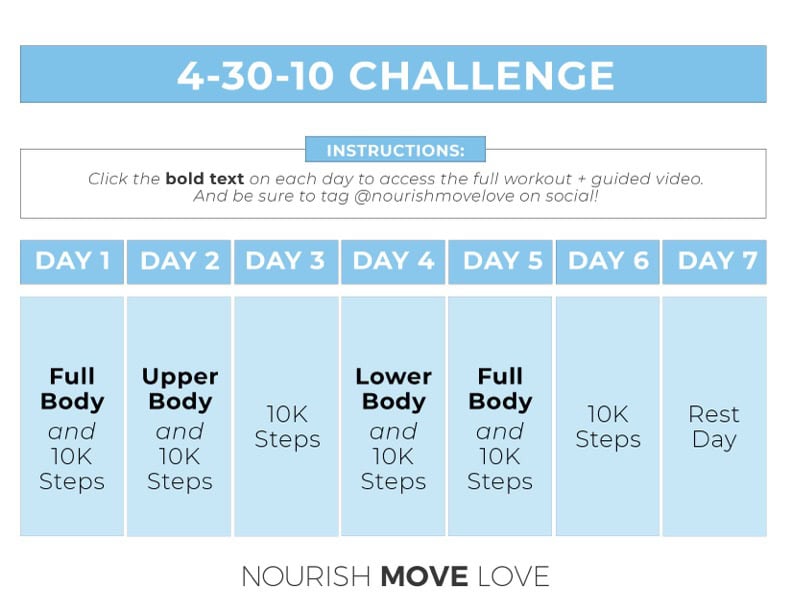
Credit: www.nourishmovelove.com
Frequently Asked Questions
What Should Beginners Focus On At The Gym?
Beginners should focus on learning proper form and basic exercises. Start with light weights and simple routines. Gradually increase intensity as strength improves. Consistency and patience are key for progress and injury prevention.
How Often Should Beginners Go To The Gym?
Beginners should aim for 3 to 4 gym sessions per week. This frequency allows for recovery and muscle growth. Balance workouts with rest days to avoid burnout. Gradually increase frequency based on fitness goals and endurance.
What Are The Best Exercises For Gym Beginners?
Best beginner exercises include bodyweight squats, push-ups, dumbbell presses, and rows. These build foundational strength and improve coordination. Incorporate cardio like walking or cycling for overall fitness. Focus on form rather than heavy weights initially.
How Important Is Warming Up Before Gym Workouts?
Warming up is crucial to prepare muscles and joints for exercise. It reduces injury risk and improves performance. Spend 5-10 minutes on light cardio and dynamic stretches. This enhances blood flow and flexibility before intense workouts.
Conclusion
Starting your gym journey can feel tough but stay patient. Small steps build strong habits. Focus on good form and listen to your body. Consistency matters more than speed. Celebrate each little win along the way. Remember, every expert began as a beginner.
Keep your goals clear and enjoy the process. Fitness is about feeling better, not just looking better. Trust yourself and keep moving forward. The gym will become a place you look forward to. You have what it takes to succeed.
Keep going!







