
Imagine stepping onto the basketball court, feeling more agile, powerful, and confident than ever before. The secret?
It’s not just about practicing your dribbling and shooting skills. It’s also about building a strong foundation with the right basketball gym exercises. Whether you’re a seasoned player or just starting out, incorporating targeted gym workouts can elevate your game to the next level.
You’ll discover the essential exercises that can transform your performance and make you a force to be reckoned with on the court. Ready to unlock your full potential and dominate your next game? Keep reading to find out how.

Credit: m.youtube.com
Warm-up Routines
Warming up before hitting the basketball court is essential to prepare your body for the intense movements ahead. A solid warm-up routine boosts your blood flow, increases muscle flexibility, and sharpens your focus. Skipping this step can lead to injuries and reduce your performance during drills and games.
Dynamic Stretching
Dynamic stretching helps your muscles wake up by mimicking the movements you’ll use during basketball. Try leg swings, arm circles, and walking lunges to get your joints moving naturally.
These stretches improve your range of motion without the stiffness that static stretching can cause before activity. When I started adding dynamic stretches to my routine, I noticed quicker reactions and less tightness during games. Have you tried moving through stretches instead of holding them still?
Light Cardio Drills
Light cardio drills increase your heart rate gradually and activate your muscles. Activities like jogging, jumping rope, or high knees prepare your cardiovascular system for the bursts of speed basketball demands.
Keep the intensity moderate, around 5 to 10 minutes, so you don’t tire yourself out before practice. I find that a quick session of light jogging combined with lateral shuffles gets me ready to sprint and change directions fluidly. What’s your go-to cardio drill that gets you in game mode?
Strength Training
Strength training builds the power and endurance needed for basketball. It helps players jump higher, run faster, and stay strong during games. Focus on different muscle groups to improve overall performance. Balanced strength reduces injury risks and supports quick movements on the court.
Lower Body Workouts
Strong legs boost speed and jumping ability. Squats develop the thighs and glutes. Lunges improve balance and coordination. Calf raises strengthen the lower legs for quick sprints. Deadlifts help build total lower body power. Use weights or bodyweight for these exercises.
Upper Body Exercises
Upper body strength helps with shooting and defending. Push-ups build chest and arm muscles. Dumbbell presses strengthen shoulders and triceps. Rows target the back and improve posture. Pull-ups increase grip and arm power. Strong arms improve ball control and passing.
Core Conditioning
The core stabilizes the body during movements. Planks activate the abs and lower back. Russian twists work on rotational strength. Leg raises target the lower abs. Medicine ball slams improve explosive power. A strong core enhances balance and agility on the court.
Agility Drills
Agility drills are essential for basketball players aiming to improve their quickness and control on the court. These exercises enhance your ability to change direction swiftly and maintain balance during intense gameplay. You’ll notice that better agility directly translates to improved defense and faster breaks.
Ladder Exercises
Ladder exercises sharpen your foot speed and coordination. Using an agility ladder, focus on quick, light steps that keep your feet moving fast without losing form.
- Try the high knees drill by stepping into each square with one foot at a time, lifting your knees high.
- The lateral shuffle helps you move side to side, which is critical when guarding opponents.
- Practice the in-and-out drill by stepping both feet inside and then outside each square quickly.
These drills might feel tiring at first, but they train your nervous system to react faster. Have you noticed how faster footwork improves your defensive stance or ability to cut past defenders?
Cone Drills
Cones create a dynamic obstacle course that challenges your change of direction and speed. Set up cones in various patterns and sprint, shuffle, or backpedal between them.
- The zigzag drill forces sharp turns, simulating in-game movements.
- The T-drill tests your ability to sprint, shuffle, and backpedal while maintaining control.
- Use a three-cone drill to practice quick pivots and accelerations.
When you push yourself through these drills, you build muscle memory for sudden stops and starts. Do you find yourself more confident cutting through defenders after consistent cone training?
Plyometric Training
Plyometric training is a powerful way to boost your explosive power on the basketball court. These exercises focus on quick, powerful movements that improve your ability to jump higher and move faster. Adding plyometrics to your routine can help you get those game-winning rebounds and fast breaks.
Consistency is key with plyometric exercises. When I first started doing jump squats and box jumps regularly, I noticed my vertical leap increased within weeks. This kind of training challenges your muscles and nervous system to fire faster, making you more agile and responsive during games.
Jump Squats
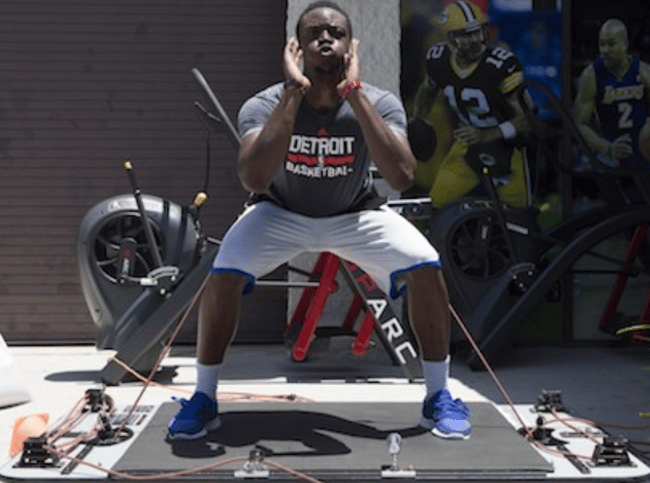
Jump squats build leg strength and explosiveness. Stand with your feet shoulder-width apart, squat down until your thighs are parallel to the floor, then jump as high as you can. Land softly and immediately go into the next squat.
Try doing 3 sets of 10 jump squats with short rests in between. Focus on landing quietly to protect your joints and maintain control. If you want to increase difficulty, hold light weights or increase your jump height.
Box Jumps
Box jumps train your power and coordination. Find a sturdy box or platform about knee height. From a standing position, jump onto the box with both feet, then step down carefully.
Start with 3 sets of 8 jumps, making sure to engage your core and swing your arms to gain momentum. As you improve, increase the height of the box to keep challenging your muscles. This exercise simulates the explosive movements you need to block shots or sprint after a loose ball.
Endurance Workouts
Endurance workouts are essential for basketball players who want to stay strong on the court from the first whistle to the last buzzer. These exercises boost your stamina, helping you maintain high energy levels during fast breaks, defensive plays, and those intense final minutes. Building endurance isn’t just about running laps; it’s about training your body to recover quickly and perform consistently under pressure.
High-intensity Interval Training
High-Intensity Interval Training (HIIT) pushes your heart rate up and down in quick bursts, mimicking the stop-and-go nature of basketball. You sprint hard for 30 seconds, then jog or walk for 30 seconds, repeating this cycle several times. This style of training improves your cardiovascular system and trains your muscles to handle repeated explosive movements.
Try doing shuttle runs or sprints combined with bodyweight exercises like jump squats or push-ups. These sessions can last just 15 to 20 minutes but leave you feeling like you’ve worked out for much longer. Have you noticed how your recovery time after a tough play improves as you get fitter? That’s the real power of HIIT.
Circuit Training
Circuit training mixes strength and endurance exercises to keep your heart rate elevated while building muscle. You set up stations with different exercises—like lunges, jump rope, planks, and burpees—and move through them with minimal rest. This keeps your body challenged and mimics the constant movement of a basketball game.
One workout could look like:
- 1 minute of jump rope
- 15 kettlebell swings
- 20 walking lunges
- 30 seconds of plank hold
- 15 burpees
Repeat this circuit 3 to 4 times. Circuit training also helps your muscles learn to work longer without fatigue. How long can you keep moving without losing form? That question can guide your progress better than just counting reps.

Credit: www.youtube.com
Skill Development
Skill development is the heart of becoming a better basketball player. It’s not just about playing games but about honing specific abilities that make your performance sharper and more effective. Practicing targeted exercises in the gym can elevate your dribbling, shooting, and passing, giving you a real edge on the court.
Dribbling Drills
Improving your dribbling means gaining control and confidence with the ball. Start with simple drills like stationary ball taps or figure-eight dribbles to build hand coordination. Once you feel comfortable, move on to more dynamic exercises such as zig-zag dribbling or dribbling with both hands while moving.
How often do you challenge yourself to dribble under pressure or with limited vision? Adding resistance with cones or defenders can simulate real-game situations and sharpen your reflexes.
Shooting Practice
Shooting isn’t just about making baskets; it’s about consistency and form. Focus on your shooting stance, wrist flick, and follow-through in every shot. Use repetition to build muscle memory—shoot from different spots on the court to increase your range and accuracy.
Consider tracking your makes versus misses to identify patterns. Are you missing more from the left corner? Adjust your stance or release angle accordingly to fix it.
Passing Exercises
Passing often gets overlooked but is crucial for teamwork and fast breaks. Practice chest passes, bounce passes, and overhead passes with a partner or against a wall. Aim for accuracy and speed, not just strength.
Try drills that require quick decision-making, such as passing to a moving target or reacting to verbal cues. This trains your brain to read the game better and improves your timing.
Recovery Techniques
Recovery is a key part of basketball gym exercises. It helps muscles heal and grow stronger. Proper recovery reduces soreness and lowers injury risk. It also prepares the body for the next workout session. Effective recovery techniques improve overall performance on the court.
Stretching Post-workout
Stretching after a workout helps relax tight muscles. It increases blood flow and improves flexibility. Focus on major muscle groups used in basketball:
- Hamstrings
- Quadriceps
- Calves
- Hip flexors
- Lower back
Hold each stretch for 20-30 seconds. Avoid bouncing to prevent muscle strain. Gentle stretching helps reduce muscle stiffness and speeds up recovery.
Foam Rolling
Foam rolling massages sore muscles and breaks up muscle knots. It improves circulation and eases tension. Use a foam roller on areas like:
- Thighs
- Glutes
- Calves
- Back
Roll slowly over tight spots. Spend 1-2 minutes on each muscle group. Foam rolling helps muscles recover faster and feel less tight.
Credit: vertimax.com
Frequently Asked Questions
What Are The Best Gym Exercises For Basketball Players?
The best gym exercises for basketball players include squats, lunges, deadlifts, and plyometrics. These improve strength, agility, and jumping ability. Focus on compound movements and explosive drills to boost on-court performance. Incorporate core workouts for better balance and stability.
How Often Should Basketball Players Train In The Gym?
Basketball players should train in the gym 3 to 4 times per week. This schedule allows for strength gains and proper recovery. Balancing gym workouts with skill training and rest is crucial to avoid injury and enhance performance.
Which Gym Exercises Improve Vertical Jump For Basketball?
Exercises like box jumps, jump squats, calf raises, and deadlifts effectively improve vertical jump. These exercises develop leg power and explosiveness, essential for rebounding and dunking. Consistent training with proper form maximizes jump height.
Can Gym Workouts Reduce Basketball Injury Risk?
Yes, gym workouts focusing on strength, flexibility, and stability reduce basketball injury risk. Strengthening muscles and joints protects against strains and sprains. Incorporate mobility drills and core strengthening to maintain overall body balance and resilience.
Conclusion
Basketball gym exercises help build strength and improve skills. They make your body faster and your shots more accurate. Practice regularly to see steady progress on the court. Focus on exercises that boost endurance and agility. Stay consistent and patient with your workout routine.
Your hard work will show during games and practices. Keep challenging yourself with new workouts to stay motivated. Enjoy the process of growing as a player every day.







