
Your back plays a huge role in your daily life. It supports your body, helps you move, and keeps you strong.
But if your back is weak or tight, you can feel pain and discomfort that slows you down. That’s why focusing on back gym exercises is so important. These simple moves can boost your strength, improve your posture, and stop pain before it starts.
Ready to discover easy exercises that fit into your routine and make a real difference? Keep reading to find out how you can take control of your back health today.
Benefits Of Back Exercises
Back exercises strengthen muscles supporting the spine. They improve posture and reduce pain. Strong back muscles help with everyday tasks and sports. Regular practice can prevent injuries and boost overall health.
Improved Posture And Alignment
Back exercises help keep your spine straight. They reduce slouching and hunching. Better posture lowers strain on muscles and joints. It also helps you look taller and more confident.
Reduced Back Pain
Strengthening back muscles eases pressure on the spine. It supports the lower back and reduces pain. Back exercises help heal and prevent chronic pain. They also improve mobility and comfort during daily activities.
Increased Core Stability
Back muscles work with your core for balance. Strong back muscles make your core stable. This stability protects your spine from injury. It also improves balance and coordination.
Enhanced Athletic Performance
Back strength boosts power and endurance in sports. It improves lifting, running, and jumping abilities. A strong back supports better body control. This leads to improved performance and fewer injuries.
Better Flexibility And Range Of Motion
Back exercises increase muscle flexibility. They help your spine move freely and easily. Improved range of motion reduces stiffness. It allows you to perform daily tasks without pain.
Anatomy Of The Back Muscles
Understanding the anatomy of your back muscles is key to maximizing the benefits of back gym exercises. Knowing which muscles you’re targeting helps you perform movements correctly and avoid injury. It also allows you to focus on the areas that need the most work for better posture and strength.
Major Muscle Groups
Your back consists of several major muscle groups that play different roles. The latissimus dorsi, often called the “lats,” is the largest muscle and helps with pulling motions. The trapeziuscovers the upper back and neck, controlling shoulder blade movement.
Don’t overlook the rhomboids, which connect the spine to the shoulder blades and assist in scapular retraction. The erector spinaeruns along your spine and supports your posture by helping you stand upright. These muscles work together to create a strong, flexible back.
Role In Stability And Movement
Your back muscles are not just for lifting heavy weights—they are essential for stability and everyday movements. They help keep your spine aligned and your torso steady during activities like walking, bending, or twisting.
Think about the last time you lifted something heavy or even sat at your desk for hours. If your back muscles are weak or tight, you might feel discomfort or lose balance. Strengthening these muscles improves your ability to perform tasks safely and with more control.
Are you focusing enough on training these muscles to support your daily movements? Strengthening your back can reduce your risk of injury and enhance overall body performance.
Essential Equipment For Back Workouts
Choosing the right equipment can make a huge difference in your back workouts. The tools you use not only affect the intensity but also how effectively you target different muscle groups. Whether you train at home or in a gym, knowing which equipment suits your goals is key to building a strong, healthy back.
Free Weights
Dumbbells and barbells are staples for back exercises like rows and deadlifts. They allow you to move naturally and engage stabilizing muscles, which machines sometimes miss. Have you noticed how free weights challenge your balance more, making every rep count?
Adding free weights to your routine can boost muscle growth and improve coordination. Start with manageable weights and focus on form to avoid injury while maximizing results.
Resistance Bands
Resistance bands are versatile and perfect for those who want a portable option. They provide constant tension throughout the movement, which helps activate muscles differently than weights. Do you find it easier to increase resistance gradually with bands?
These bands come in various strengths, making them suitable for beginners and advanced users alike. You can use them for pull-aparts, rows, and even assisted pull-ups to enhance your back workout.
Gym Machines
Machines like the lat pulldown or seated row provide guided motion, which can be safer for beginners. They help isolate back muscles and maintain proper form, reducing the risk of injury. Have you tried machines to focus on specific back areas without worrying about balance?
While machines may feel restrictive, they offer a controlled environment to build strength before transitioning to free weights. Mixing machines with other equipment can give you a well-rounded back training program.
Warm-up Techniques For Back Safety
Warming up before back exercises is essential to protect your spine and muscles from injury. It prepares your body for the movements ahead and improves your range of motion. Skipping this step can lead to strains and long-term issues that are best avoided.
Dynamic Stretching
Dynamic stretching gets your blood flowing and muscles ready by moving your joints through their full range of motion. Unlike static stretches, these movements mimic the exercises you’ll do, which helps your body adjust naturally.
- Arm circles: Swing your arms in controlled circles to loosen your shoulders and upper back.
- Torso twists: Rotate your torso side to side to activate your spine and core muscles.
- Leg swings: Front-to-back and side-to-side leg swings warm up the hips and lower back.
Try these for about 5 minutes before your workout and notice how your back feels more prepared. Have you ever felt stiffness disappear right after a few dynamic moves?
Mobility Drills
Mobility drills focus on improving the flexibility and control of your back and surrounding joints. They help your muscles work together smoothly, reducing the risk of sudden jerks or strains.
- Cat-Cow stretch: Move your spine between arching and rounding to increase spinal flexibility.
- Hip openers: Exercises like the 90/90 stretch loosen tight hips, which can affect your lower back.
- Scapular retractions: Pull your shoulder blades together to engage the upper back muscles.
Including these drills in your warm-up sharpens your body’s movement patterns. Do you notice a difference in your control and balance after doing mobility work?
Top Back Gym Exercises
Building a strong back is essential for overall fitness and posture. The right exercises target different muscles, helping you develop power and prevent injuries. Let’s look at some of the best gym moves that can transform your back strength effectively.
Deadlifts
Deadlifts are a powerhouse for your entire back, especially the lower part. They engage your glutes, hamstrings, and core too, making it a full-body move. Start with lighter weights to master the form and avoid injury.
When I added deadlifts to my routine, I noticed my posture improved within weeks. Have you considered how much lifting from the ground can affect your daily strength?
Pull-ups And Chin-ups
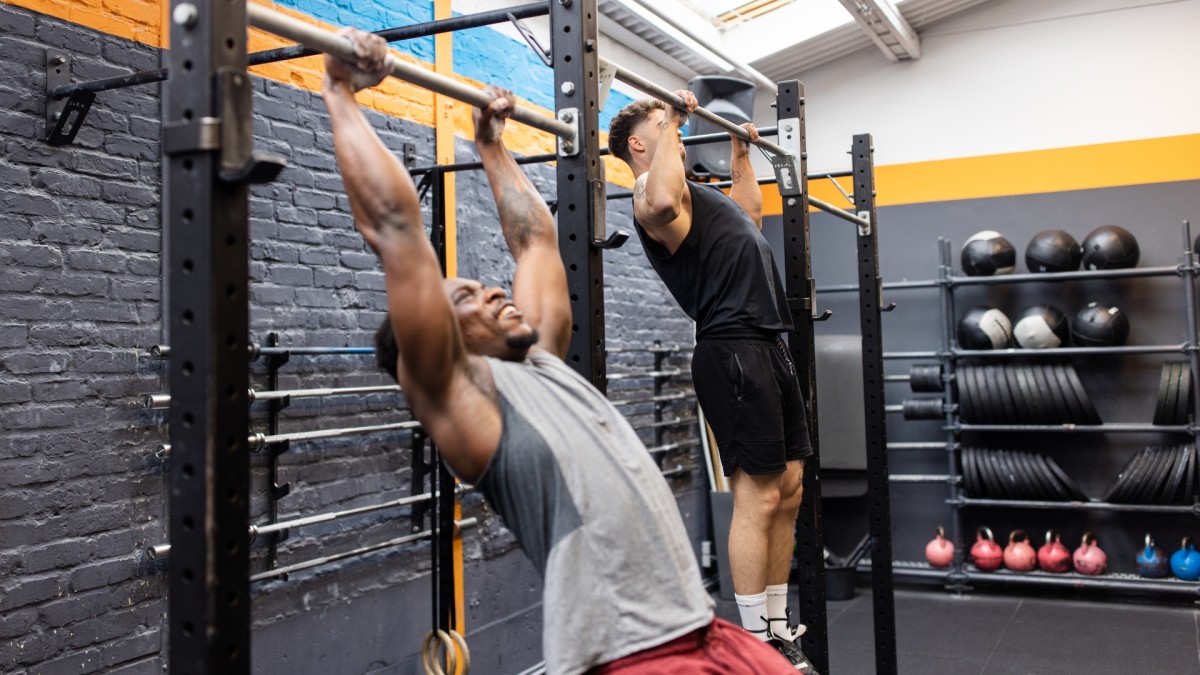
These exercises focus on your upper back and arms. Pull-ups target the wider lat muscles, while chin-ups emphasize the biceps more. Both require no equipment besides a sturdy bar, making them perfect for any gym.
If you struggle with pull-ups, try assisted versions first. How many pull-ups can you do right now, and what’s stopping you from doing more?
Bent-over Rows
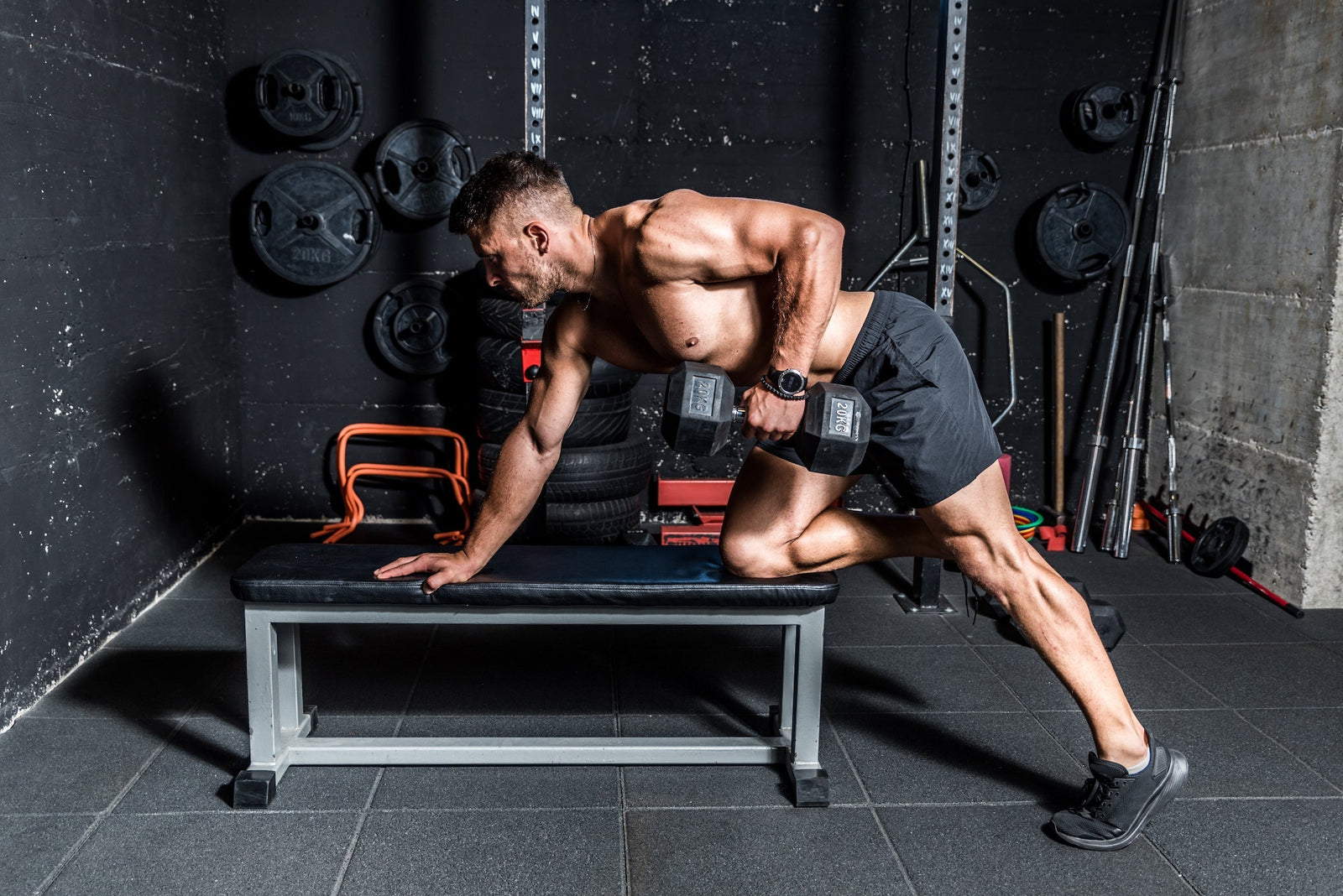
Bent-over rows hit the middle back, building thickness and density. Use a barbell or dumbbells, and keep your back flat to avoid strain. This move enhances your ability to lift and pull in daily activities.
I found that bent-over rows boosted my lifting power significantly. Have you felt your back tighten or weaken after long hours of sitting?
Lat Pulldowns
Lat pulldowns mimic pull-ups but allow you to control the weight more precisely. They work the lats and help widen your back. Adjust the grip width to target different parts of the muscle.
Lat pulldowns helped me build strength before I could do full pull-ups. What’s your favorite grip width for pulldowns, and why?
Seated Rows
Seated rows focus on the middle back and help balance front and back muscle strength. Use a cable machine with a V-bar or wide grip handle. Sit tall and squeeze your shoulder blades together at the end of the pull.
Adding seated rows improved my posture and reduced back pain. Do you notice any muscle imbalances when you look in the mirror or feel stiffness during workouts?
Credit: swolverine.com
Exercises For Lower Back Strength
Strengthening your lower back is essential for maintaining good posture and preventing injury. Targeted exercises can build the muscles that support your spine and improve overall stability. Let’s look at some effective moves that you can add to your routine today.
Hyperextensions
Hyperextensions focus on the lower back muscles by extending your spine against resistance. You can perform these on a hyperextension bench or a stability ball. Start slow and keep your movements controlled to avoid strain.
As you lift your upper body, imagine gently squeezing your lower back muscles. This exercise not only strengthens but also improves endurance in that area. Have you noticed how even a few reps make your back feel more supported?
Good Mornings
Good Mornings work your lower back along with your hamstrings and glutes. Stand with feet shoulder-width apart and a barbell on your shoulders, then bend at the hips while keeping your back straight. This move challenges your muscles to stabilize your spine under load.
Be careful not to round your back during the bend—it’s key to preventing injury. You can start with just your bodyweight or a light bar to get the form right. What differences do you feel in your lower back after trying this?
Superman Pose
The Superman Pose is a simple yet powerful exercise to activate your lower back muscles without equipment. Lie face down on the floor and lift your arms, chest, and legs off the ground simultaneously. Hold for a few seconds, then lower back down with control.
This move mimics the action of your back muscles working to support your spine. Try holding longer each time to build endurance. How does this pose compare to weighted exercises in terms of muscle engagement for you?
Core Integration For Back Support
Strong core muscles play a key role in supporting your back. The core acts as a natural brace, keeping the spine stable. Strengthening the core reduces the risk of back pain and improves posture. Core exercises help connect your back muscles with the stomach and hips. This connection allows better movement and less strain on the lower back. Focus on exercises that engage the entire core for best results.
Planks
Planks are simple but effective for core strength. They target the abs, back, and shoulders all at once. Hold your body in a straight line, resting on your forearms and toes. Keep your belly tight and do not let your hips sag. Start with short holds and increase time as you get stronger. Planks improve stability and support the spine during daily activities.
Bird-dog Exercise
The bird-dog improves balance and strengthens the lower back. Begin on all fours with your hands under your shoulders. Extend one arm forward and the opposite leg backward. Keep your back flat and hips level. Hold briefly, then switch sides. This exercise trains coordination and builds a strong core to protect your back.
Credit: www.mensjournal.com
Common Mistakes To Avoid
Back gym exercises can transform your posture and strength, but certain mistakes can hold you back or even cause injury. Knowing what to avoid helps you get the most from your workouts and keeps your spine safe. Let’s look at some common pitfalls that might be silently sabotaging your progress.
Poor Form
Using bad form is one of the biggest mistakes in back exercises. It reduces effectiveness and can lead to injuries like muscle strains or herniated discs.
For example, rounding your back during deadlifts puts excessive pressure on your spine. Instead, focus on keeping your back straight and shoulders pulled back. If you’re unsure, record yourself or ask a trainer to check your posture.
Are you feeling soreness in odd places after your workouts? That might be a sign your form needs fixing before adding more weight.
Neglecting Warm-up
Skipping a warm-up is tempting, but it’s a major mistake. Your muscles and joints need to be prepared for the demands of back exercises.
A quick 5-10 minute warm-up, like light cardio or dynamic stretches, increases blood flow and flexibility. This reduces the risk of strains and helps you perform better.
Have you noticed stiffness or tightness before starting your workout? Adding a warm-up can change how your body responds and prevent injuries.
Overtraining
Working your back every day without enough rest can do more harm than good. Muscles grow stronger during recovery, not during constant strain.
Signs of overtraining include persistent soreness, fatigue, and decreased performance. Aim to train your back 2-3 times a week, giving your muscles time to heal.
Do you ever feel like your progress stalls despite consistent effort? Giving your body a break might be exactly what you need to push forward.
Recovery And Stretching Post-workout
Recovery and stretching after back gym exercises help the muscles heal and grow. These steps reduce muscle soreness and improve flexibility. Proper recovery also lowers the risk of injury. A calm routine after workouts makes your body ready for the next session.
Foam Rolling
Foam rolling loosens tight muscles and eases tension in the back. It improves blood flow to the muscle tissues. Use a foam roller on areas like the upper and lower back. Roll slowly over sore spots for about 30 seconds each. This helps break up knots and speeds up recovery.
Static Stretching
Static stretching keeps the back flexible and reduces stiffness. Hold each stretch for 20 to 30 seconds without moving. Focus on stretches for the lower back, shoulders, and spine. Stretching after workouts helps lengthen muscles and improve posture. It also calms the nervous system and promotes relaxation.
Tips For Consistent Back Training
Consistency is key to building a strong, defined back. Without steady effort, gains can stall and motivation can drop. Here are some practical tips to help you stay on track with your back gym exercises and see real progress.
Setting Goals
Clear goals keep you focused and motivated. Decide what you want to achieve—whether it’s increasing your pull-up reps, improving your posture, or adding muscle size.
Break big goals into smaller targets, like adding 5 pounds to your rows every two weeks or doing one extra set per session. This way, you celebrate progress regularly and stay driven.
Tracking Progress
Write down your workouts or use a fitness app to track weights, reps, and sets. Seeing your improvements over time helps you stay accountable and highlights what works best for your back.
Don’t just track numbers—note how your back feels during and after workouts. Are you feeling stronger or more fatigued? This insight guides you to adjust your routine wisely.
Rest And Recovery
Muscles grow when you rest, not when you train. Make sure to give your back enough recovery time between sessions to avoid injury and burnout.
Try to get quality sleep and consider light stretching or foam rolling on rest days. Ever noticed how a sore back feels worse without proper rest? Don’t ignore those signals.

Credit: www.crunch.com
Frequently Asked Questions
What Are The Best Back Gym Exercises For Beginners?
Start with exercises like lat pulldowns, seated rows, and back extensions. These build strength and improve posture safely. Always focus on proper form to avoid injury. Gradually increase intensity as your back muscles get stronger.
How Often Should I Do Back Exercises At The Gym?
For optimal results, train your back 2-3 times per week. Allow 48 hours of rest between sessions to promote muscle recovery. Consistency and proper rest help build strength and prevent overtraining injuries.
Can Back Gym Exercises Help Reduce Back Pain?
Yes, strengthening back muscles improves support and reduces pain. Focus on exercises that target the lower and upper back. Combine workouts with stretching to enhance flexibility and relieve tension.
Which Gym Equipment Is Best For Back Workouts?
Effective equipment includes cable machines, rowing machines, and pull-up bars. These tools target multiple back muscles efficiently. Use adjustable weights to customize resistance and track progress.
Conclusion
Strong back muscles support your body every day. Regular back gym exercises help reduce pain and improve posture. Start with simple moves and increase intensity slowly. Consistency matters more than speed or heavy weights. Take care to keep good form and avoid injury.
A healthy back makes all activities easier and more fun. Keep practicing, and you will feel the benefits soon. Your body will thank you for the effort and care.







