
Are you tired of dealing with back pain or simply looking to build a stronger, more resilient back? You’re in the right place.
Back exercises at the gym can be your secret weapon for achieving better posture, reducing discomfort, and enhancing your overall fitness. Imagine standing taller, moving with ease, and feeling more confident—all achievable with the right gym routine. Your back is the backbone of your body, literally and figuratively, and giving it the attention it deserves can transform your quality of life.
Ready to unlock the full potential of your back? Let’s dive into the world of effective gym exercises that can make a significant difference.

Credit: swolverine.com
Benefits Of Back Exercises
Focusing on back exercises at the gym brings more than just a stronger physique. Your back supports nearly every movement you make, so training it properly can change how you feel every day. Let’s look at some key benefits that might surprise you and motivate you to add more back work to your routine.
Improved Posture
Strong back muscles help you stand taller and straighter. When these muscles are weak, you tend to slouch, which puts extra pressure on your spine.
Think about how you sit after a long day. Does your back feel tired or stiff? Strengthening your back can reduce this discomfort and keep your shoulders aligned. Over time, this can make a huge difference in how confident and comfortable you look and feel.
Reduced Back Pain
Back pain is one of the most common complaints, especially for people who sit for long hours. Strengthening your back muscles provides better support to your spine and reduces strain on your lower back.
I once struggled with mild back pain after starting a desk job. Adding specific back exercises like rows and deadlifts helped me get rid of that pain within weeks. Could targeting your back be the missing piece in your pain relief?
Enhanced Core Strength
Your back works closely with your core muscles to stabilize your body during most movements. When your back is strong, your core strength improves naturally.
This synergy helps you perform better in both daily activities and workouts. You’ll notice improvements in balance, lifting, and even breathing. How often do you think about your back when you work on your abs?
Key Muscle Groups To Target
Focusing on the right muscle groups helps build a strong, balanced back. Targeting key muscles improves posture and reduces injury risk. Understanding these muscles guides effective gym workouts. Here are the main back muscles to target for better strength and shape.
Lower Back Muscles
The lower back supports the spine and body weight. Strong lower back muscles help with lifting and bending safely. Exercises like deadlifts and back extensions build this area. A healthy lower back reduces pain and improves movement.
Upper Back Muscles
The upper back includes muscles around the shoulder blades. These muscles help with pulling and lifting motions. Strengthening the upper back improves posture and shoulder stability. Rows and pull-ups work well to target this area.
Spinal Erectors
Spinal erectors run along the spine and keep it straight. They support standing and sitting upright. Strengthening spinal erectors prevents slouching and back fatigue. Good exercises include hyperextensions and superman holds.
Essential Gym Equipment
Strong back muscles need the right gym equipment. Choosing the best tools helps target different parts of the back. This builds strength and improves posture. Using proper equipment also reduces injury risk.
Here are some essential gym machines and weights for back exercises.
Lat Pulldown Machine
The lat pulldown machine focuses on the upper back muscles. It works mainly on the latissimus dorsi, the largest back muscle. You pull a bar down towards your chest while seated. This action strengthens the back and shoulders. Adjustable weights let you increase resistance as you progress.
Cable Rows
Cable rows target the middle back muscles, including the rhomboids and traps. You sit and pull a handle towards your torso. This movement helps improve posture and build thickness in the back. The cable system offers smooth resistance for controlled motion. You can change grips to work different muscle areas.
Dumbbells And Barbells
Dumbbells and barbells offer versatile back workout options. Exercises like bent-over rows and deadlifts build overall back strength. Free weights help engage stabilizer muscles for balance. You can increase or decrease weight to match your strength level. These tools allow natural movement patterns for better muscle activation.
Credit: www.mensjournal.com
Top Back Exercises
Strong back muscles improve posture and reduce injury risk. A well-developed back supports many daily movements. Focus on exercises that target all parts of the back. These top exercises build strength and muscle evenly. Perform them with proper form for best results.
Deadlifts
Deadlifts work the entire back and legs. They help build power and strength. Keep your back straight and lift with your legs. Avoid rounding your spine to prevent injury. Deadlifts also engage your core for stability.
Pull-ups And Chin-ups
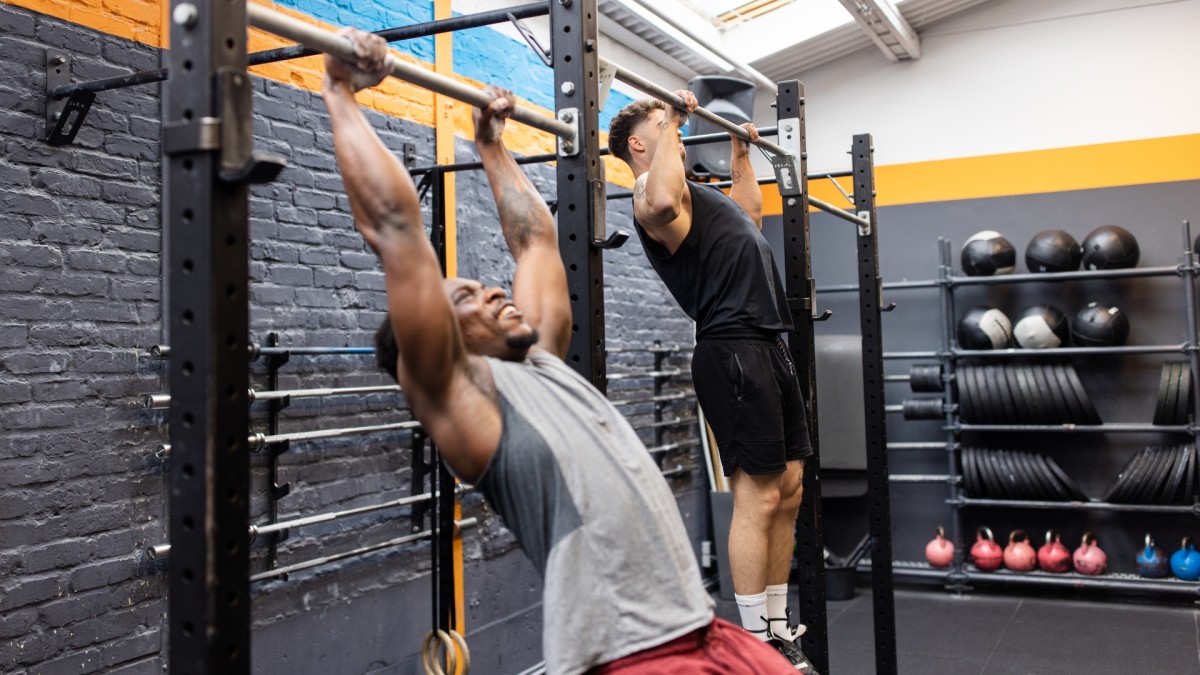
Pull-ups and chin-ups target the upper back and arms. They improve grip strength and shoulder stability. Use a full range of motion for better gains. These exercises can be done with body weight or assistance bands.
Seated Cable Rows
Seated cable rows focus on the middle back muscles. Sit with a straight back and pull the handles towards you. Squeeze your shoulder blades together at the end of the pull. This movement improves posture and back thickness.
Lat Pulldowns
Lat pulldowns target the wide muscles of the upper back. Pull the bar down to your chest slowly. Control the movement on the way up. This exercise helps create a V-shaped back appearance.
Back Extensions
Back extensions strengthen the lower back and spine muscles. Use a back extension bench or Roman chair. Lift your chest up while keeping your neck neutral. This exercise reduces lower back pain and improves endurance.
Proper Form And Technique
Proper form and technique are essential for effective back exercises at the gym. They help prevent injuries and ensure the right muscles work. Focusing on correct posture and movement improves strength and muscle growth. Small adjustments can make a big difference in results.
Maintaining Neutral Spine
Keep your spine in a natural curve during exercises. Avoid rounding or arching your back. A neutral spine protects your back discs and muscles. Imagine a straight line from your head to your tailbone. This position reduces stress on your spine and improves lifting power.
Engaging Core Muscles
Tighten your abdominal muscles while working your back. A strong core supports your spine and balances your body. Engage your core by gently pulling your belly button toward your spine. This helps stabilize your torso and improves control during lifts.
Avoiding Common Mistakes
- Do not use momentum to lift weights.
- Avoid letting your shoulders round forward.
- Do not overextend your lower back.
- Keep movements slow and controlled.
- Do not hold your breath while lifting.
Following these tips protects your back and maximizes workout benefits.
Creating A Balanced Back Workout
Creating a balanced back workout is essential for building strength and preventing injury. A well-rounded routine targets all parts of the back muscles. This ensures better posture and functional strength. Planning exercises carefully helps avoid muscle imbalances and supports overall fitness goals.
Combining Compound And Isolation Exercises
Compound exercises work multiple muscle groups at once. Examples include deadlifts, pull-ups, and rows. These moves build overall back strength and coordination. Isolation exercises focus on one muscle group, like the lat pulldown or face pulls. They help target weak areas and improve muscle definition. Mixing both types gives a complete back workout.
Setting Reps And Sets
Choose reps and sets based on your fitness goals. For strength, aim for 4-6 reps with heavier weights. For muscle growth, 8-12 reps with moderate weights work well. Use 3-4 sets per exercise to balance effort and recovery. Keep good form to avoid injury and get the best results.
Scheduling Rest Days
Rest days let muscles repair and grow stronger. Avoid training the same back muscles on consecutive days. Plan at least one rest day between intense back workouts. Use rest days for light activity or other muscle groups. Proper rest improves performance and reduces injury risk.
Preventing And Managing Back Pain
Back pain can stop your progress at the gym and affect daily life. Strong and flexible muscles help prevent pain. Managing back pain early keeps it from getting worse. Smart exercises and good habits protect your spine.
Warm-up And Stretching
Start with light cardio to increase blood flow. This prepares your muscles for exercise. Stretch your back gently before lifting weights. Focus on hamstrings, hip flexors, and lower back. Stretching reduces muscle tightness and risk of injury. Spend 5-10 minutes warming up and stretching.
Recognizing Overtraining Signs
Watch for constant back soreness that does not improve. Fatigue and weakness during workouts can signal overtraining. Sharp or shooting pain means stop exercising. Poor sleep and irritability may also be signs. Reduce workout intensity or take rest days. Listen to your body to avoid damage.
When To Seek Professional Help
Seek help if pain lasts more than a week. Difficulty moving or numbness needs urgent attention. A physical therapist can create a safe exercise plan. Doctors can rule out serious conditions. Early care speeds recovery and prevents long-term issues.

Credit: www.gymshark.com
Frequently Asked Questions
What Are The Best Back Exercises At The Gym?
The best back exercises include pull-ups, lat pulldowns, seated rows, and deadlifts. These target all back muscles effectively and improve strength and posture.
How Often Should I Train My Back Muscles?
Training your back 2 to 3 times per week is ideal. This frequency allows muscle recovery and growth while preventing overtraining.
Can Back Exercises Help Reduce Lower Back Pain?
Yes, strengthening back muscles improves posture and spinal support. This can reduce lower back pain and prevent future injuries when done correctly.
Should I Warm Up Before Back Workouts?
Warming up is essential to increase blood flow and reduce injury risk. Perform light cardio and dynamic stretches targeting your back before workouts.
Conclusion
Strong back muscles support your daily activities and improve posture. Regular gym exercises help reduce pain and prevent injury. Start with light weights and focus on proper form. Consistency matters more than heavy lifting or speed. Listen to your body and rest when needed.
Keep your back exercises part of your routine for lasting benefits. Small steps lead to big changes over time. Stay patient and enjoy the progress.







