
Setting up your own gym at home can change the way you stay fit and healthy. Imagine having everything you need just a few steps away, ready whenever you are.
But what exactly should you have to make your home workouts effective and enjoyable? You might feel overwhelmed by all the options out there. Don’t worry—this guide will help you discover the must-have gym essentials that fit your space, budget, and fitness goals.
Get ready to transform your home into a place where reaching your best self feels easy and exciting. Keep reading to find out how!
Choosing The Right Space
Choosing the right space for your home gym is key to staying motivated and consistent. The area should fit your workout needs and feel comfortable. Consider how much room you have and what kind of exercises you plan to do. A well-chosen space helps keep your equipment organized and your workouts effective.
Maximizing Small Areas
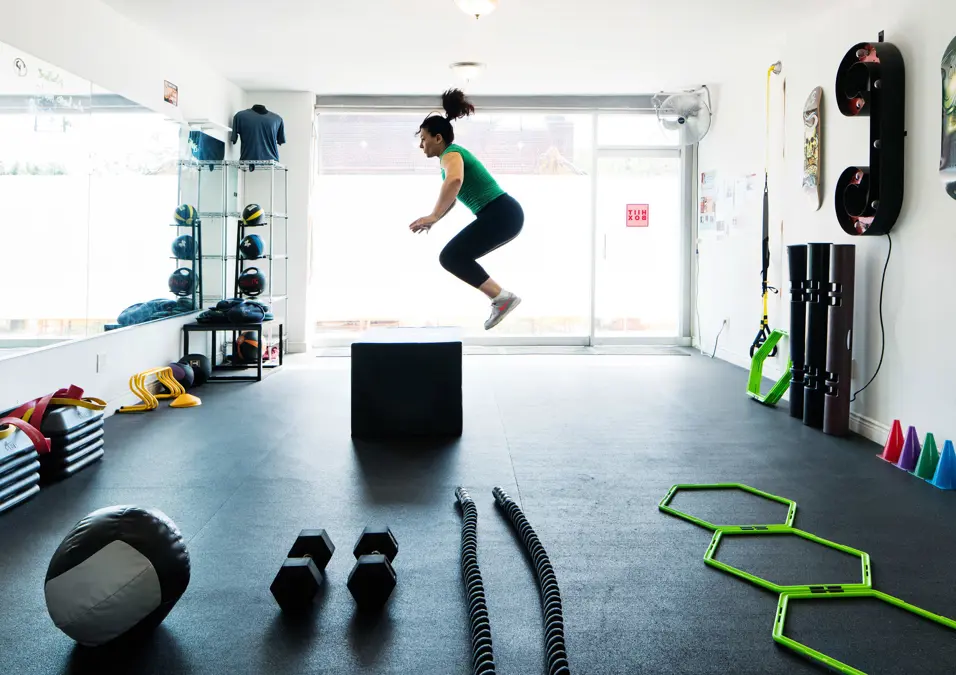
Small spaces can still work well for a home gym. Use vertical storage like wall hooks or shelves to save floor space. Foldable or compact equipment fits better in tight spots.
- Choose multi-use gear like dumbbells and resistance bands.
- Keep the floor clear for bodyweight exercises.
- Use mirrors to create the illusion of more space.
Clear clutter regularly. A tidy area feels larger and more inviting.
Lighting And Ventilation Tips
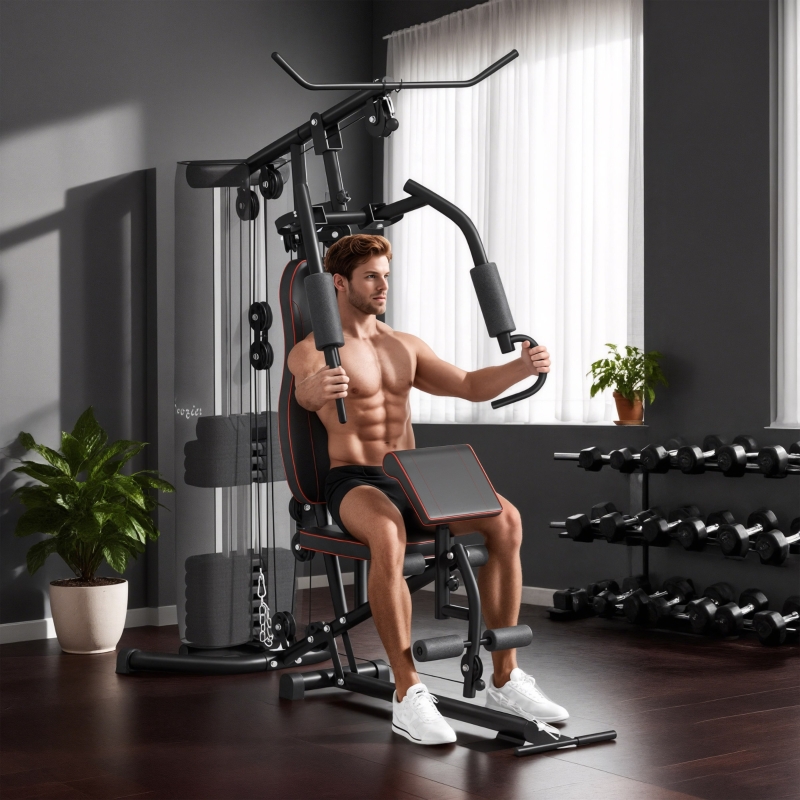
Good lighting boosts energy and focus during workouts. Natural light is best, so pick a spot near a window if possible. Use bright, cool-toned bulbs for artificial light.
Proper ventilation keeps air fresh and cool. Open windows or use fans to improve airflow. Avoid cramped, stuffy areas to prevent discomfort and fatigue.
Credit: www.aosom.ca
Essential Cardio Equipment
Cardio exercise is key for heart health and overall fitness. Having the right equipment at home makes workouts easier and more consistent. Essential cardio gear fits small spaces and suits different fitness levels. It helps burn calories and boost energy without needing a gym membership.
Treadmills And Ellipticals
Treadmills provide a simple way to walk or run indoors. They offer speed and incline settings to vary workout intensity. Ellipticals give a low-impact option that protects joints. Both machines often include screens to track time, distance, and calories burned. They fit well in homes with some space and offer steady cardio sessions.
Jump Ropes And Stationary Bikes
Jump ropes are inexpensive and easy to store. They improve coordination and stamina with fast-paced moves. Stationary bikes suit small rooms and provide seated cardio workouts. They are gentle on knees and allow adjustable resistance. These tools are perfect for quick, effective exercise anytime at home.
Strength Training Gear
Strength training gear is essential for building muscle and improving fitness at home. It helps you stay strong and healthy without visiting a gym. Choosing the right equipment fits your space and workout goals.
Dumbbells And Kettlebells
Dumbbells and kettlebells are versatile tools for strength training. They allow many exercises to target different muscles. Dumbbells come in fixed or adjustable weights, ideal for beginners to experts.
Kettlebells offer unique swinging motions that improve balance and power. Both support workouts for arms, legs, and core. Use them for curls, presses, squats, and swings.
Resistance Bands And Weight Benches
Resistance bands add variable tension to exercises. They are lightweight and easy to store. Bands come in different resistance levels for all fitness stages.
Weight benches provide support for various strength moves. They help with stability and form during lifts. Benches often have adjustable angles for incline or decline exercises.
Combining resistance bands and benches expands your workout options. They improve muscle tone and strength efficiently in small spaces.
Flexibility And Recovery Tools
Flexibility and recovery tools help your body stay loose and heal faster after workouts. Foam rollers and stretch bands are perfect for home use. They improve movement and reduce muscle soreness effectively.
Flexibility and recovery tools are key for a balanced home workout routine. They help muscles relax and improve overall flexibility. These tools are simple yet effective for reducing soreness and preventing injuries. Let’s explore some essentials that can enhance your at-home gym experience.Yoga Mats And Foam Rollers
Yoga mats provide a comfortable space for stretching exercises. They offer cushioning and grip, crucial for maintaining balance. A good mat can turn any room into a mini yoga studio. Foam rollers are excellent for muscle recovery. They apply pressure to sore areas, easing tension. This helps muscles recover faster after intense workouts.Stretching Straps And Massage Balls
Stretching straps aid in reaching deeper stretches. They help improve flexibility over time. Easy to use, they are perfect for beginners. Massage balls target specific muscle knots. They relieve tension and improve blood flow. Small and portable, they fit any gym bag. These tools are great for keeping muscles healthy and limber.Tech And Accessories
Tech and accessories bring life to your home gym. They make workouts fun and help track progress. Smart devices and gadgets keep you motivated and informed. These tools fit easily into small spaces and suit all fitness levels.
Fitness Trackers And Apps
Fitness trackers measure steps, heart rate, and calories burned. They help set daily goals and monitor improvements. Apps offer guided workouts, timers, and progress charts. Many sync with trackers for detailed insights. Choose devices that are simple and reliable for daily use.
Speakers And Workout Mirrors
Good speakers boost energy with your favorite music. Clear sound keeps you motivated during tough sets. Workout mirrors combine reflection with smart features. They show live classes and give real-time feedback. Mirrors help improve form and keep exercises safe.
Credit: gymnation.com
Storage And Organization
Creating a well-organized home gym boosts your motivation and saves time during workouts. Proper storage keeps your space safe and clutter-free, so you can focus on your fitness goals. Let’s look at practical ways to store and organize your gym essentials effectively.
Racks And Shelves
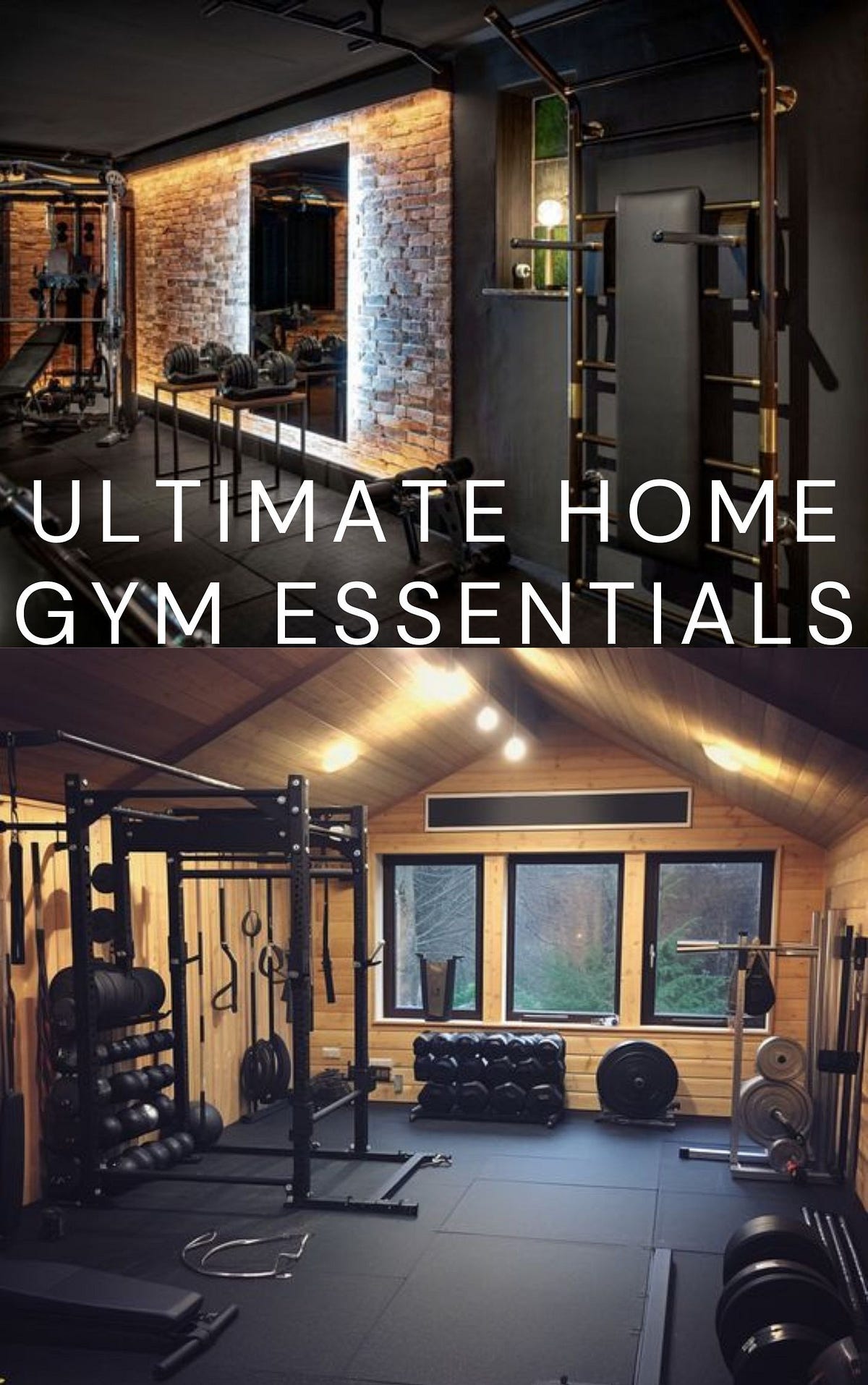
Racks and shelves make a huge difference in your gym’s organization. Wall-mounted racks for weights and bars free up floor space and keep equipment visible and accessible. Shelves can hold smaller items like resistance bands, yoga blocks, and towels, keeping everything neat and in one spot.
Think about adjustable shelving units that grow with your equipment collection. You can add more shelves or reposition them as your needs change. Have you noticed how a simple shelf can transform a chaotic corner into a tidy, functional area?
Keeping Equipment Tidy
Keeping equipment tidy goes beyond just placing items on racks. Use bins or baskets to separate smaller accessories—this prevents them from getting lost or damaged. Labeling these containers can save you time and frustration when searching for a specific item.
Another tip is to establish a routine: always return equipment to its designated place after each workout. This habit keeps your space organized effortlessly. How often do you find yourself wasting time looking for that one missing dumbbell or skipping a workout because of clutter?
Credit: medium.com
Frequently Asked Questions
What Are The Must-have Equipment For An At Home Gym?
Essential equipment includes dumbbells, resistance bands, a yoga mat, and a stability ball. These items support strength, flexibility, and cardio workouts. They are affordable, space-saving, and versatile, perfect for beginners and advanced users alike.
How Much Space Do I Need For An At Home Gym?
A dedicated area of 30 to 50 square feet is ideal. This space allows for equipment placement and free movement during exercises. It ensures safety and comfort while working out at home.
Can I Build An Effective Gym With Minimal Equipment?
Yes, with key tools like dumbbells, resistance bands, and a yoga mat, you can perform diverse exercises. Minimal equipment supports strength training, stretching, and cardio routines effectively, saving space and money.
What Flooring Is Best For A Home Gym Setup?
Rubber flooring is best as it absorbs impact, reduces noise, and protects your floors. It provides a safe, non-slip surface for workouts, making it ideal for home gyms.
Conclusion
Creating a home gym can boost your fitness journey. Choose basic equipment that fits your space and needs. Small steps lead to big results over time. Stay consistent and enjoy the comfort of home workouts. Remember, your effort matters more than fancy gear.
Make your space inviting and keep your goals clear. Fitness at home is simple and effective with the right essentials. Start today and feel the difference soon.







