
Have you ever felt overwhelmed by the chaos of daily life and wished for a way to find balance and peace? Imagine a practice that not only strengthens your body but also calms your mind.
Ashtanga Yoga offers exactly that. It’s a dynamic, physically demanding practice that promises to transform your life from the inside out. But don’t worry if you’re new to yoga—this guide to Ashtanga Yoga for Beginners is crafted just for you.
Get ready to discover how you can boost your energy, improve your focus, and enhance your overall well-being. Curious to learn how Ashtanga Yoga can become your new secret weapon for a healthier, more centered you? Let’s dive in.
Credit: myyogateacher.com
What Is Ashtanga Yoga
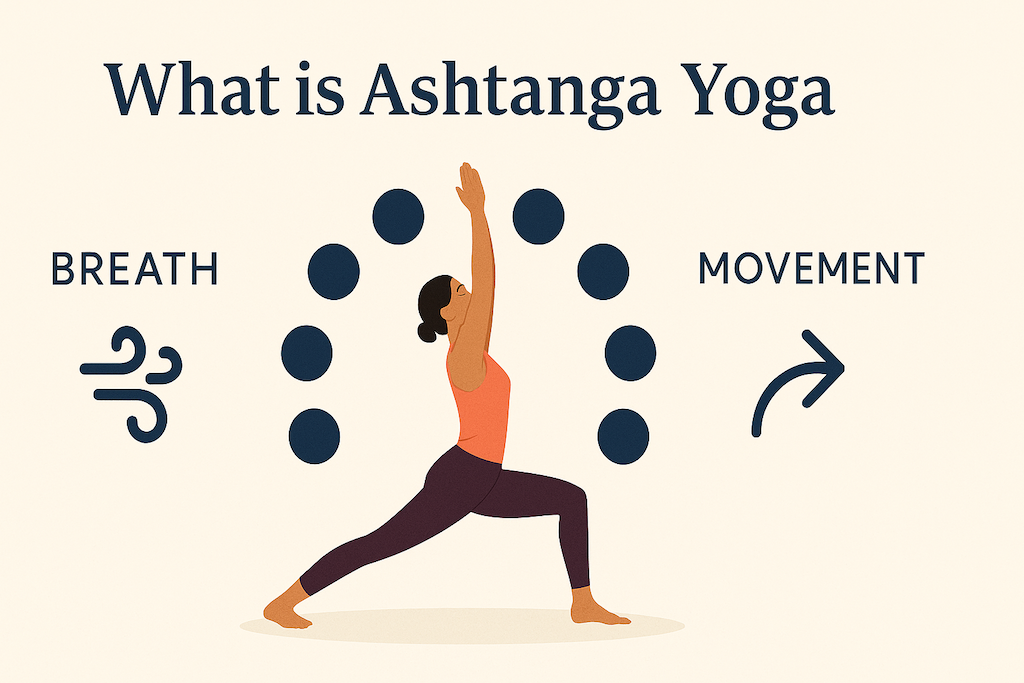
Ashtanga Yoga is more than just a style of exercise; it’s a disciplined practice that connects your body, breath, and mind in a dynamic flow. If you’ve been curious about yoga styles, understanding what sets Ashtanga apart can help you decide if it’s right for you. This style is known for its structured sequences and rhythmic breathing, offering both physical challenge and mental clarity.
What Defines Ashtanga Yoga?
Ashtanga means “eight limbs” in Sanskrit, referring to the eight aspects of yoga outlined by the ancient sage Patanjali. These limbs guide your practice beyond just the physical postures, aiming for a balanced and mindful life.
- Postures (Asanas):The physical poses that build strength and flexibility.
- Breath Control (Pranayama):Techniques to regulate your breathing and increase focus.
- Ethical Guidelines:Principles like non-violence and truthfulness that shape your behavior.
- Meditation and Concentration:Practices that calm your mind and enhance awareness.
Every part of Ashtanga Yoga is connected, encouraging you to grow both physically and mentally.
How Does The Practice Flow?
The core of Ashtanga Yoga is a set series of poses performed in a specific order, linked by breath and movement. This flow is often called a “vinyasa,” and it keeps you moving steadily without pause.
Each breath matches a movement, which helps you stay present and focused. This rhythm can be intense but rewarding, as it builds endurance and mindfulness simultaneously.
Why Should Beginners Consider Ashtanga Yoga?
You might wonder if Ashtanga is too advanced when you’re just starting yoga. While it can be challenging, beginners find its clear structure helpful for learning.
Because the sequences are fixed, you can track your progress as you master each pose. Plus, many teachers offer modifications to make the practice accessible.
Trying Ashtanga might push your limits, but it also shows you how your body and mind can improve with consistent effort.
Credit: myyogateacher.com
Benefits For Beginners
Starting Ashtanga Yoga offers many benefits for beginners. This style builds strength and flexibility. It also improves focus and breathing. The practice helps calm the mind and reduces stress. Beginners gain energy and balance through regular sessions.
Improves Physical Strength And Flexibility
Ashtanga Yoga involves dynamic poses that tone muscles. The practice stretches the body gently but deeply. Over time, beginners notice better movement and less stiffness.
Enhances Mental Focus And Clarity
The series requires concentration on breath and movement. This focus trains the mind to stay present. Beginners find it easier to concentrate in daily life.
Boosts Energy And Vitality
The flow of poses increases blood circulation. This process energizes the body naturally. Many beginners feel more awake and active after practice.
Reduces Stress And Anxiety
Breathing techniques calm the nervous system. The rhythm of practice soothes the mind. Beginners often report feeling peaceful and relaxed.
Builds Discipline And Routine
The fixed sequence helps create a healthy habit. Practicing regularly encourages self-discipline. Beginners enjoy the structure and clear progress.
Core Principles And Philosophy
Ashtanga Yoga is more than just physical postures. It is a disciplined path that combines body, breath, and mind. The core principles and philosophy guide every practice. They build strength, focus, and calmness. Beginners discover a deep connection to themselves through these teachings.
Eight Limbs Of Ashtanga Yoga
The practice follows the eight limbs, or steps, outlined by Patanjali. These are:
- Yama – moral rules for behavior
- Niyama – personal habits and discipline
- Asana – physical postures
- Pranayama – breath control
- Pratyahara – withdrawal of senses
- Dharana – concentration
- Dhyana – meditation
- Samadhi – deep absorption or bliss
Each limb supports the next. Together, they create a balanced and meaningful practice.
Breath And Movement Synchronization
Breath guides every movement in Ashtanga Yoga. Each pose links with a specific inhale or exhale. This rhythm helps focus the mind. It also improves lung capacity and energy flow.
Discipline And Routine
Ashtanga requires regular practice. Consistency builds strength and flexibility. It also deepens concentration. Many practitioners follow the same sequence daily. This routine creates mental clarity and physical endurance.
Self-awareness And Growth
The philosophy encourages self-observation without judgment. Practitioners learn to notice their limits and progress. This awareness helps develop patience and humility. It fosters a kind, accepting attitude toward oneself.

Credit: www.youtube.com
Basic Ashtanga Series
The Basic Ashtanga Series is your gateway to a structured and powerful yoga practice. It consists of specific sequences designed to build strength, flexibility, and focus. Understanding these series helps you set clear goals and measure your progress effectively.
Primary Series
The Primary Series, also called Yoga Chikitsa or “Yoga Therapy,” is perfect for beginners. It focuses on detoxifying the body and aligning your posture. Expect a mix of standing poses, seated stretches, and core-strengthening moves.
Each pose flows into the next with a steady breath rhythm. You’ll hold poses long enough to feel a deep stretch but not so long that your muscles get tired. This series challenges your endurance while teaching balance and patience.
One surprising benefit I noticed early on was how the Primary Series helped me manage stress. The combination of movement and breath calmed my mind more than I expected. Have you noticed how your breath changes when you move through a sequence?
Secondary Series Overview
The Secondary Series, or Nadi Shodhana, is more advanced and focuses on cleansing the nervous system. It includes deeper backbends and stronger arm balances. This series builds on the foundation set by the Primary Series.
Try not to rush into the Secondary Series before mastering the basics. It requires more strength and flexibility, so patience is key. If you’re curious, ask yourself which poses feel challenging and why.
Many practitioners find the Secondary Series opens up new levels of energy and awareness. It tests your limits while improving your focus. Are you ready to take your practice beyond the basics?
Essential Poses To Learn First
Starting Ashtanga Yoga requires learning key poses first. These poses build strength, flexibility, and focus. They prepare your body for more advanced movements. Practicing them regularly helps you avoid injury. Focus on correct form and breathing. Each pose has benefits for both body and mind.
Adho Mukha Svanasana (downward Dog)
This pose stretches the spine, hamstrings, and calves. It improves blood flow to the brain. It strengthens the arms and shoulders. Beginners find it helps relieve stress and calm the mind.
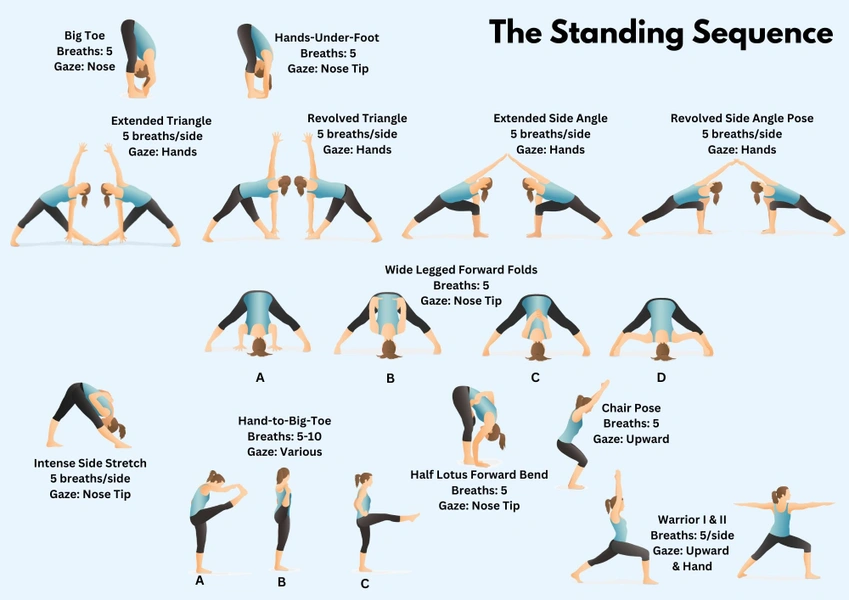
Utthita Trikonasana (extended Triangle Pose)
This pose improves balance and stability. It stretches the hips, groin, and hamstrings. It also opens the chest and shoulders. It enhances focus and body awareness.
Bhujangasana (cobra Pose)
This pose strengthens the spine and back muscles. It opens the chest and lungs. It helps improve posture and reduce fatigue. It is gentle and safe for beginners.
Padangusthasana (big Toe Pose)
This forward bend stretches the hamstrings and calves. It calms the mind and reduces anxiety. It also improves digestion. It encourages body flexibility and relaxation.
Virabhadrasana I (warrior I)
This pose builds strength in the legs and core. It opens the hips and chest. It improves stamina and focus. It teaches proper alignment and balance.
Surya Namaskar (sun Salutation)
This is a sequence of poses done in flow. It warms up the entire body. It improves coordination and breathing. It is a perfect way to start any practice.
Breathing Techniques
Breathing is the backbone of Ashtanga Yoga. It fuels your practice and deepens your focus. Mastering breathing techniques can transform your experience on the mat, making each movement more purposeful and controlled.
Ujjayi Breath
Ujjayi breath is a gentle, ocean-like sound you create by slightly constricting the back of your throat while breathing. It helps regulate your breath, keeping it steady and rhythmic throughout your practice.
Try breathing in and out through your nose with a soft, whispering sound. It may feel strange at first, but with practice, it becomes natural and calming. This breath controls your energy, helping you stay present and focused.
Have you noticed how your mind tends to wander during yoga? Ujjayi breath acts like an anchor, pulling you back to the present moment, making distractions fade away.
Breath And Movement Sync
In Ashtanga Yoga, each movement is linked to either an inhale or an exhale. This connection creates a flow that feels smooth and intentional rather than rushed or forced.
For example, when you stretch your arms upward, you inhale. As you fold forward, you exhale. This simple sync makes transitions easier and helps you move with more grace.
Try paying close attention to your breath as you move. Does your breath lead your body, or does your body force your breath? Aligning these two can reduce fatigue and increase your stamina.
Starting Your Practice At Home
Starting Ashtanga Yoga at home offers freedom and comfort. You control your pace and environment. This encourages consistent practice and growth. Setting up your space and scheduling your sessions matter a lot. These simple steps help build a strong foundation.
Setting Up Your Space
Create a quiet, clean area for yoga practice. Choose a spot with enough room to move freely. Use a yoga mat for comfort and grip. Keep the space free from distractions like phones or loud noises. Natural light helps keep energy positive. Add calming elements like a candle or plant if you like. A dedicated space signals your mind to focus on yoga.
Time And Frequency
Set a regular time that suits your daily routine. Early mornings work well for many beginners. Consistency beats long, irregular sessions. Start with 15 to 30 minutes per day. Gradually increase as your strength and stamina grow. Practicing six days a week fits the traditional Ashtanga schedule. Allow one day for rest and recovery. Regular practice builds discipline and improves flexibility.
Common Challenges And Tips
Starting Ashtanga Yoga can be exciting but also challenging. Many beginners face hurdles that can feel discouraging. Understanding these common struggles and knowing how to handle them can keep your practice steady and rewarding.
Dealing With Physical Stiffness And Fatigue
Your body may resist the intense movements at first. It’s normal to feel tight muscles and tiredness after a session. Instead of pushing too hard, focus on gentle stretching and rest.
Try slowing down your breath and movements to connect better with your body. Have you noticed how a small break can sometimes improve your next attempt?
Maintaining Consistency In Practice
Finding time for Ashtanga Yoga every day is tough with a busy schedule. Many beginners start strong but soon skip days. Setting a realistic routine, even if it’s just 15 minutes, helps build a habit.
Consider practicing at the same time daily. This simple trick can anchor your practice in your routine. What small change can you make to fit yoga into your day?
Understanding The Sequence And Flow
The Ashtanga sequence has many poses that must be done in order. Remembering and moving through them smoothly can feel overwhelming. Use guided videos or attend classes to learn the flow gradually.
Breaking the sequence into smaller sections makes it less intimidating. Focus on mastering one part before moving to the next. How might breaking big goals into small steps change your progress?
Handling Mental Frustration And Self-doubt
Your mind might get impatient when progress seems slow. It’s common to compare yourself with others or feel stuck. Instead, remind yourself that growth takes time and every small effort counts.
Keep a journal to track your improvements, no matter how minor. This can boost your motivation and show you how far you’ve come. What positive change have you noticed since starting?
Preventing Injury Through Proper Alignment
Incorrect postures can cause pain or injury, especially in Ashtanga’s demanding poses. Pay close attention to alignment and listen to your body’s signals. It’s better to modify a pose than to push through discomfort.
Asking for feedback from a teacher or using mirrors can help improve your form. Have you tried adjusting one small detail that made a pose feel better?
Using Props And Modifications
Using props and modifications in Ashtanga Yoga can transform your practice, especially if you’re new to this dynamic style. Props help you maintain proper alignment and build strength safely. Modifications allow you to move through postures without strain, making the practice accessible and enjoyable.
Understanding The Role Of Props
Props like blocks, straps, and blankets support your body in challenging poses. They help you reach the full benefits of a posture without forcing your body. For example, a block can bring the floor closer in standing poses, reducing the risk of injury.
When I first started Ashtanga, using a strap in seated forward bends made a huge difference. It allowed me to keep my spine straight instead of rounding forward. This small change improved my flexibility and made the practice less intimidating.
Common Props And How To Use Them
- Yoga Blocks:Use them under your hands or hips to elevate and stabilize.
- Yoga Straps:Assist in stretching tight muscles by extending your reach.
- Blankets:Offer cushioning for knees or support for seated postures.
- Bolsters:Provide support during deep stretches or restorative poses.
Try placing a block under your hands during Trikonasana (Triangle Pose) if reaching the floor feels difficult. Notice how this adjustment keeps your spine long and your balance steady.
Modifications To Suit Your Body
Modifications let you adjust poses to your current flexibility and strength. For instance, bending your knees slightly in forward folds can protect your lower back. You don’t have to force your body into the textbook shape to gain benefits.
Ask yourself: Are you pushing through discomfort or pain? Safe modifications help you stay mindful and avoid injury. Over time, these small changes can lead to more confidence and progress in your practice.
Tracking Progress Safely
Tracking your progress in Ashtanga Yoga is essential, especially as a beginner. It helps you stay motivated while ensuring you don’t push your body too hard. Progress isn’t just about mastering poses but also about growing stronger safely over time.
Set Clear And Realistic Goals
Start by defining what you want to achieve in your practice. Maybe it’s holding a pose longer or improving your breathing technique. Clear goals help you focus and measure progress without feeling overwhelmed.
Remember, progress looks different for everyone. Don’t compare yourself to others in class; instead, check how you improve against your own past sessions. This mindset keeps your practice personal and positive.
Keep A Yoga Journal
Writing down what you did each session can reveal patterns you might miss otherwise. Note the poses you found easy or difficult, how your body felt, and any new skills you tried.
Journals help you spot small wins, like better balance or more flexibility, that might not be obvious day-to-day. They also remind you to rest when needed, preventing injury from overdoing it.
Use Video Or Photos To Review Your Form
Recording yourself can be a powerful tool for self-checking. Watching your alignment and posture helps you spot habits that need correction before they cause strain.
Try filming once a week to see your improvements and areas to work on. It’s easier to stay safe when you can visually track how your body moves through the poses.
Listen To Your Body’s Signals
Pain is a warning sign, not a challenge to push through. Tracking progress safely means knowing the difference between discomfort from stretching and real pain.
If something hurts, pause and adjust. Your body will guide you on when to advance and when to hold back. How often do you check in with your body’s limits during practice?
Celebrate Small Milestones
Every bit of progress counts, from improved breath control to deeper stretches. Celebrating these moments keeps your enthusiasm alive and reinforces healthy habits.
Reward yourself with rest days or a gentle yoga session. Recognizing your effort creates a positive loop that encourages steady, safe growth in your practice.
Finding A Teacher Or Class
Finding the right teacher or class is important for beginners in Ashtanga Yoga. A good guide helps you learn safely and correctly. The right environment can keep you motivated and focused.
Choosing a teacher or class depends on your comfort and learning style. Some prefer in-person classes, while others like online sessions. Each option has unique benefits for beginners.
Choosing Between In-person And Online Classes
In-person classes offer direct feedback and hands-on help. Teachers can adjust your posture and guide your breath. The group setting also builds community and support.
Online classes provide flexibility and convenience. You can learn at your own pace and schedule. Many online teachers offer detailed videos and step-by-step instructions.
What To Look For In An Ashtanga Yoga Teacher
- Experience with Ashtanga Yoga practice and teaching
- Clear, patient communication skills
- Ability to modify poses for beginners
- Focus on breath and alignment
- Positive and encouraging attitude
A good teacher creates a safe and welcoming space. They help you build confidence and progress steadily.
Finding Classes Near You
Check local yoga studios and community centers. Many offer beginner-friendly Ashtanga classes. Read reviews or ask for recommendations.
Visit classes to see the teacher’s style and atmosphere. Some studios offer trial sessions or drop-in classes. This helps you decide before committing.
Frequently Asked Questions
What Is Ashtanga Yoga For Beginners?
Ashtanga Yoga for beginners is a structured yoga practice focusing on breath, movement, and posture sequences. It helps build strength, flexibility, and mental focus. Beginners learn foundational poses progressively, improving body awareness and discipline through consistent practice.
How Often Should Beginners Practice Ashtanga Yoga?
Beginners should practice Ashtanga Yoga 3 to 4 times per week. This frequency allows the body to adapt and build strength gradually. Regular practice ensures steady progress without risking injury or burnout.
What Are The Main Benefits Of Ashtanga Yoga?
Ashtanga Yoga improves flexibility, strength, and cardiovascular health. It also reduces stress and enhances concentration. This dynamic practice promotes overall well-being and mindfulness through synchronized breath and movement.
Can Beginners Do Ashtanga Yoga At Home Safely?
Yes, beginners can practice Ashtanga Yoga at home safely with proper guidance. Using beginner-friendly videos or attending initial classes helps ensure correct posture and breathing techniques. Always listen to your body and avoid pushing beyond limits.
Conclusion
Ashtanga Yoga offers a clear path for beginners to build strength and focus. Practicing regularly helps improve flexibility and calm the mind. Start slow, listen to your body, and enjoy the journey. Progress comes with patience and gentle effort. This yoga style connects breath and movement, making each session meaningful.
Embrace the process and stay consistent. Soon, you will notice positive changes in your health and mood. Keep exploring, and let Ashtanga guide your way to wellness.







