
Are you curious about what it takes to meet the Army fitness standards at your age? Whether you’re just starting your military career or looking to maintain your physical readiness, knowing the exact requirements can make all the difference.
Your age plays a key role in shaping the fitness tests you’ll face, but understanding these standards is the first step to mastering them. You’ll discover clear, simple breakdowns of the Army fitness benchmarks by age, plus tips to help you reach and exceed your goals.
Ready to see where you stand and how to improve? Keep reading to unlock the secrets to staying fit and strong for any challenge ahead.
Army Fitness Requirements
The Army sets clear fitness requirements to ensure soldiers are ready for duty. Physical strength, endurance, and agility are essential. These standards vary by age but maintain high expectations for all.
Fitness tests measure key abilities. Meeting these standards is crucial for enlistment and ongoing service.
Physical Fitness Test Components
The Army Physical Fitness Test (APFT) includes three main events:
- Push-ups to measure upper body strength.
- Sit-ups to test core endurance.
- Two-mile run to assess cardiovascular fitness.
Each event tests a specific fitness area. Soldiers must perform well in all three.
Minimum Passing Scores
Passing scores change by age and gender. For example:
| Age Group | Push-ups | Sit-ups | Two-Mile Run |
|---|---|---|---|
| 17-21 | 42 (min) | 53 (min) | 15:54 (max time) |
| 22-26 | 40 (min) | 50 (min) | 16:36 (max time) |
| 27-31 | 39 (min) | 47 (min) | 17:18 (max time) |
Scores differ as age increases. Each soldier must meet or exceed the minimum.
Importance Of Fitness In The Army
Fitness keeps soldiers strong and ready. It prevents injuries during training and missions.
Good physical condition improves endurance and mental toughness. Soldiers perform tasks faster and safer.
Fitness also builds discipline. Meeting fitness goals reflects commitment and teamwork.
Fitness Standards By Age Group
Army fitness standards vary by age to match physical capabilities. Each age group has specific requirements in push-ups, sit-ups, and run times. These standards ensure all soldiers maintain readiness and health. Meeting these benchmarks is essential for service members across different age ranges.
Ages 17-21
This group faces the highest physical demands. Soldiers must complete a minimum of:
- 42 push-ups in two minutes
- 53 sit-ups in two minutes
- Run two miles in 15 minutes 54 seconds or less
These standards reflect peak physical performance expectations.
Ages 22-26
Requirements slightly adjust but remain challenging. Soldiers need to do at least:
- 40 push-ups
- 50 sit-ups
- Two-mile run in 16 minutes 36 seconds
Fitness remains a top priority in this age group.
Ages 27-31
Standards continue to adapt with age. Minimums include:
- 39 push-ups
- 47 sit-ups
- Run two miles in 17 minutes 6 seconds
Physical endurance is still essential for these soldiers.
Ages 32-36
Fitness expectations adjust to reflect natural changes. Requirements are:
- 37 push-ups
- 45 sit-ups
- Two-mile run in 17 minutes 36 seconds
Maintaining strength and stamina is crucial at this stage.
Ages 37-41
Standards ease slightly to accommodate aging. Minimum standards include:
- 35 push-ups
- 43 sit-ups
- Run two miles in 18 minutes 6 seconds
Focus stays on maintaining overall fitness.
Ages 42-46
This group has lower but still firm requirements:
- 33 push-ups
- 40 sit-ups
- Two-mile run in 18 minutes 36 seconds
Regular exercise supports meeting these standards.
Ages 47-51
Fitness standards continue to adjust. Soldiers must complete at least:
- 30 push-ups
- 38 sit-ups
- Run two miles in 19 minutes 12 seconds
Consistency in training is key for success.
Ages 52+
The standards reflect age-related changes in fitness. Minimums include:
- 28 push-ups
- 35 sit-ups
- Two-mile run in 20 minutes 30 seconds
Staying active helps meet these requirements.
Training Strategies For Each Age
Training for Army fitness standards changes as you move through different age groups. What worked in your twenties might not be the best approach in your forties or fifties. Adjusting your training strategy helps you maintain performance and reduce the risk of injury.
Building Endurance
Endurance is key to meeting Army fitness standards, but how you build it should change over time. Younger soldiers can push harder with high-intensity interval training (HIIT) to boost cardiovascular capacity quickly.
As you age, focus more on steady-state cardio like jogging or cycling. These activities are easier on your joints but still improve stamina. Try mixing running with swimming or rowing to keep your workouts varied and less stressful on your body.
Strength Training Tips
Strength training helps you pass push-up and sit-up requirements, but your approach should evolve. In your 20s and early 30s, heavy lifting with compound exercises like squats and deadlifts builds raw power.
Beyond your mid-30s, emphasize controlled movements and lighter weights with more repetitions. This method strengthens muscles and tendons without overloading joints. Don’t skip bodyweight exercises—they improve functional strength crucial for Army tasks.
Flexibility And Mobility
Flexibility often declines with age, yet it’s vital for injury prevention and optimal performance. Daily stretching routines improve your range of motion and ease muscle tightness.
Incorporate dynamic stretches before workouts and static stretches afterward. Yoga or Pilates sessions once or twice a week can also boost your mobility and help maintain balance and coordination.
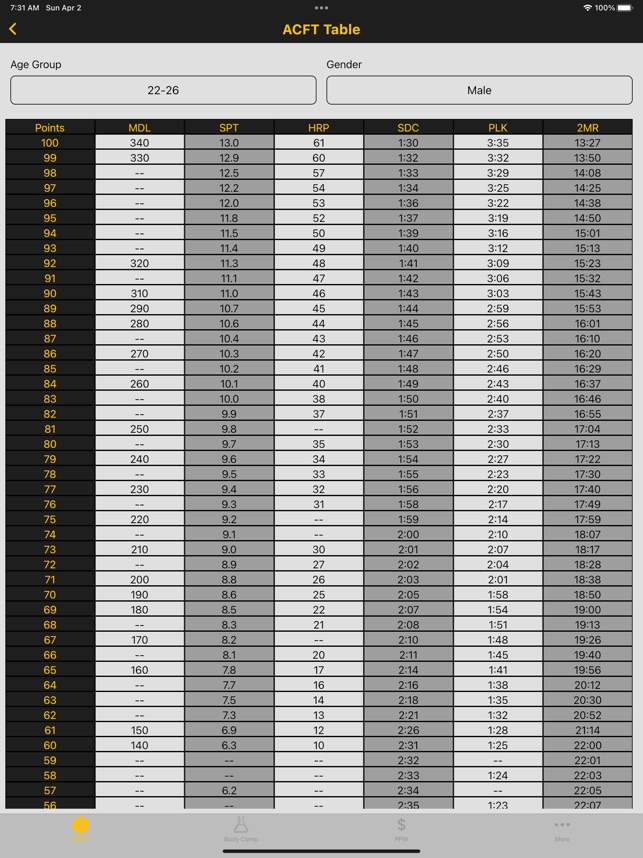
Recovery And Injury Prevention
Recovery becomes more important as you get older. Your muscles and joints need extra time and care to heal after intense training.
Use foam rolling and massage to reduce muscle soreness. Prioritize sleep and nutrition to support recovery. Listen closely to your body—if you feel persistent pain, adjust your routine or consult a professional rather than pushing through.
Credit: apps.apple.com
Nutrition For Peak Performance
Nutrition plays a crucial role in meeting Army fitness standards at any age. Proper food choices fuel the body, improve stamina, and speed up recovery. Eating right supports strength, endurance, and mental focus during training and missions.
Understanding key nutrition elements helps maintain peak performance. Balanced meals and smart hydration are essential. Certain supplements and vitamins may also boost health and readiness.
Macronutrient Balance
Macronutrients include proteins, carbohydrates, and fats. Each one has a unique role in energy and muscle repair. Soldiers need a good balance to sustain long training hours and intense workouts.
- Proteins:Help build and repair muscles. Sources include lean meats, beans, and dairy.
- Carbohydrates:Provide quick and lasting energy. Choose whole grains, fruits, and vegetables.
- Fats:Support brain health and energy storage. Opt for healthy fats like nuts, seeds, and avocados.
Adjust macronutrient intake based on age and activity level to meet energy needs.
Hydration Guidelines
Water is vital for all body functions. Staying hydrated improves strength and focus. Dehydration can cause fatigue and reduce performance.
- Drink water before, during, and after workouts.
- Monitor urine color; clear or light yellow means good hydration.
- Avoid sugary drinks that cause energy crashes.
- In hot weather, increase fluid intake to replace sweat loss.
Supplements And Vitamins
Supplements support nutrition but do not replace healthy food. Some vitamins help fill dietary gaps, especially with age.
- Vitamin D:Supports bone strength and immune function.
- Calcium:Essential for strong bones and muscle function.
- Multivitamins:Cover basic nutrient needs when diet lacks variety.
- Consult a healthcare provider before starting any supplement.
Common Challenges And Solutions
Meeting Army fitness standards can be tough. Many face common challenges that slow progress or cause setbacks. Recognizing these obstacles helps find smart solutions. Staying consistent and adapting strategies supports steady improvement. Here are some key challenges and ways to handle them effectively.
Overcoming Plateaus
Fitness plateaus happen when progress stops despite hard work. The body adjusts to the same routine, making gains slow.
- Change your workout routine every few weeks.
- Increase intensity or add new exercises.
- Focus on nutrition and rest for recovery.
- Set small, realistic goals to stay motivated.
Managing Time For Training
Busy schedules make finding time for exercise hard. Balancing work, family, and training needs planning.
- Schedule short workouts during free moments.
- Use high-intensity interval training (HIIT) for efficiency.
- Combine cardio and strength in one session.
- Prepare workout gear in advance to save time.
Dealing With Injuries
Injuries can stop training and lower motivation. Proper care and prevention keep you on track.
- Rest and follow medical advice for healing.
- Modify workouts to avoid strain on injured areas.
- Use warm-ups and cool-downs to prevent injuries.
- Focus on low-impact activities during recovery.

Credit: www.reddit.com
Monitoring Progress And Staying Motivated
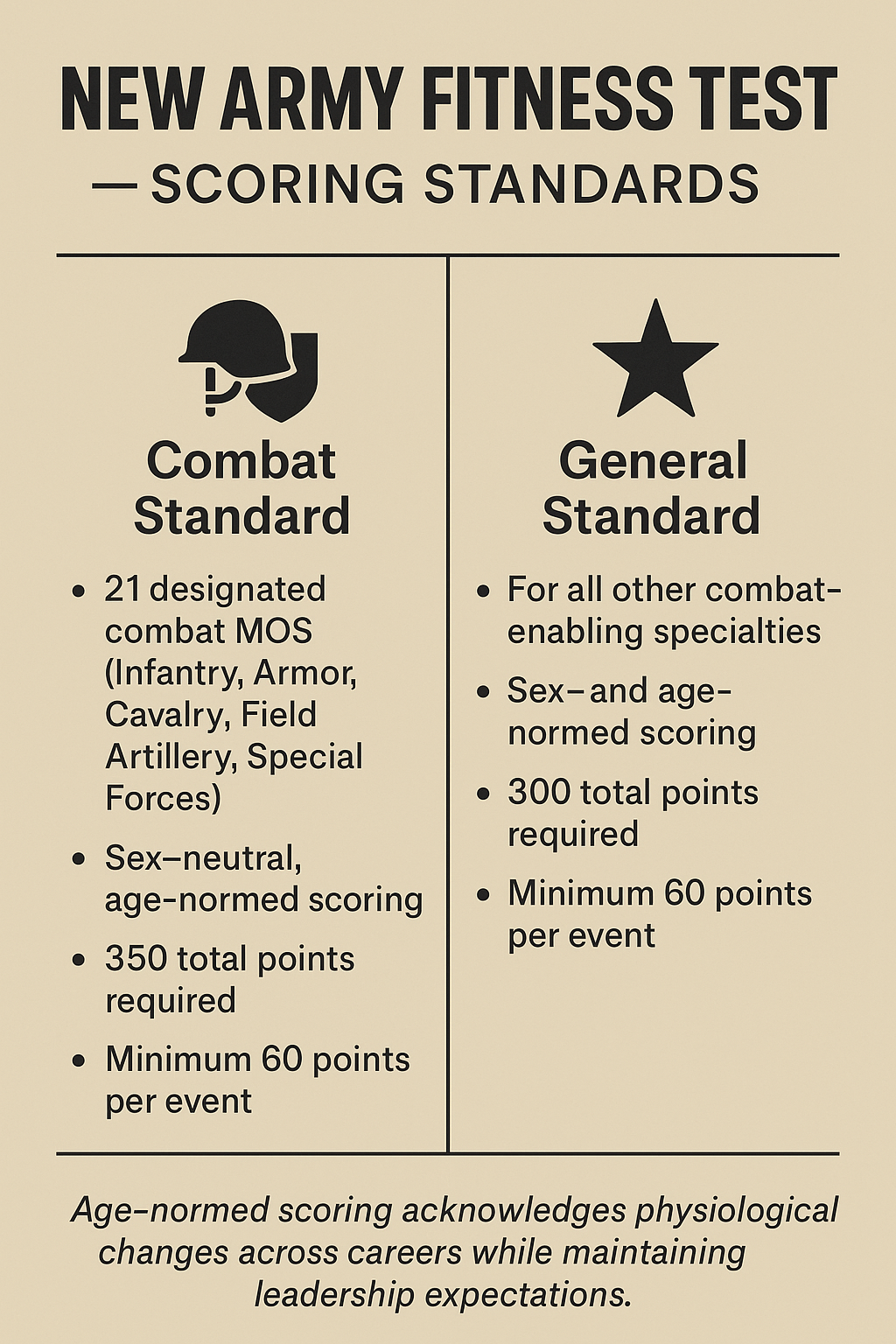
Monitoring progress and staying motivated are key to meeting Army fitness standards by age. Regular checks help you see improvements and keep you focused. Motivation drives consistent effort. Both work together to build strength and endurance over time.
Tracking Fitness Improvements
Keep a simple log of your workouts and test results. Note changes in running times, push-ups, and sit-ups. Use apps or a notebook for daily or weekly records. Seeing progress boosts confidence and shows what works best.
- Record dates and workout details
- Compare results over weeks
- Adjust routines based on data
Setting Realistic Goals
Set clear, achievable targets for each week or month. Break big goals into smaller steps. Celebrate small wins to maintain momentum. Realistic goals prevent burnout and keep you moving forward.
- Focus on one fitness area at a time
- Use age-based standards as benchmarks
- Reassess goals regularly
Maintaining Mental Toughness
Stay strong through challenges with positive self-talk. Visualize success to boost determination. Embrace setbacks as chances to learn. Mental toughness helps push through tough workouts and tests.
- Repeat motivating phrases
- Focus on your progress, not just perfection
- Build a routine that supports discipline
Credit: allveteran.com
Frequently Asked Questions
What Are The Army Fitness Standards For Ages 17-21?
For ages 17-21, the Army requires higher physical performance. This includes more push-ups, sit-ups, and faster 2-mile run times compared to older age groups. Meeting these standards ensures readiness for active duty and training.
How Do Fitness Standards Change For Ages 30-39?
Between ages 30-39, the Army adjusts fitness requirements slightly. The number of push-ups and sit-ups decreases, and run times are extended. These changes account for natural physical aging while maintaining overall fitness.
Why Do Army Fitness Standards Vary By Age?
Standards vary to match physical ability changes with age. This ensures fairness and safety during training and assessments. Age-based standards help maintain readiness across all service members.
How Often Must Army Personnel Meet Fitness Standards?
Army personnel must pass the Army Physical Fitness Test twice a year. Regular testing ensures continuous physical readiness and identifies areas for improvement.
Conclusion
Understanding army fitness standards by age is crucial. It helps set clear fitness goals. Meeting these standards ensures readiness for military duties. Each age group has specific requirements to consider. Staying informed about these can aid in preparation and success.
Fitness impacts both physical and mental strength. Regular exercise and training are essential. They support meeting the necessary standards effectively. Remember, consistency in practice makes a difference. Stay motivated and committed to your fitness journey. Aim to meet the standards for your age group.
It boosts confidence and enhances overall performance.







