
Are carbs good for building muscle? If you’ve ever wondered whether you should load up on bread and pasta or cut carbs to get stronger, you’re not alone.
Carbs often get a bad rap, but the truth might surprise you. Understanding how carbs affect your muscle growth can change the way you train and eat—helping you get the results you want faster. Keep reading, because what you learn here could be the missing piece in your muscle-building puzzle.
Role Of Carbs In Muscle Growth
Carbohydrates play a vital role in muscle growth. They provide the fuel muscles need to perform and recover. Without enough carbs, muscles cannot work at their best. Carbs help maintain energy levels and support muscle repair after workouts.
Carbs As Energy Source
Carbs are the body’s main energy source. They break down into glucose, which muscles use for fuel. During exercise, glucose is stored as glycogen in muscles. This stored glycogen powers muscle contractions. Low glycogen means less energy for workouts. Enough carbs keep glycogen stores full. This supports longer and stronger training sessions.
Impact On Workout Performance
Carbs improve workout performance by preventing fatigue. They help sustain strength and endurance. When carb levels drop, muscles tire faster. This limits the ability to lift heavy or do many reps. Proper carb intake helps maintain focus and intensity. It also speeds up recovery after exercise. Eating carbs before and after workouts supports muscle growth and repair.
Types Of Carbohydrates
Carbohydrates come in different forms, each with a unique effect on the body. Understanding the types of carbs helps in choosing the right ones for muscle growth. Carbs provide energy, which is essential for intense workouts and recovery.
Simple Vs Complex Carbs
Simple carbs break down quickly, giving fast energy. They include sugars found in fruits, milk, and sweets. These carbs can spike blood sugar and energy levels suddenly.
Complex carbs digest slower, providing steady energy. They are rich in fiber and nutrients. Examples include whole grains, vegetables, and legumes. Complex carbs keep energy stable during workouts.
Best Carb Sources For Muscle Gain
- Brown rice – a great source of complex carbs and fiber
- Oats – full of slow-digesting carbs and vitamins
- Sweet potatoes – rich in carbs and antioxidants
- Quinoa – offers carbs plus protein for muscle repair
- Whole wheat bread – provides energy and fiber
- Fruits like bananas and apples – simple carbs with vitamins
- Legumes such as beans and lentils – combine carbs and protein
Carbs And Protein Synergy
Carbohydrates and protein work together to support muscle growth. This synergy helps the body recover and build muscle after exercise. Carbs provide energy, while protein repairs muscle fibers. Combining both nutrients improves workout results.
Enhancing Muscle Protein Synthesis
Muscle protein synthesis is the process of building new muscle tissue. Carbs increase insulin levels, a hormone that helps transport amino acids from protein into muscle cells. This process speeds up muscle repair and growth. Eating carbs with protein boosts this effect.
Timing Carb Intake With Protein
Eating carbs and protein after exercise is crucial. This timing helps muscles absorb nutrients faster. It also replenishes glycogen, the stored energy in muscles. Aim to consume both within 30 to 60 minutes post-workout for best results.
Credit: medium.com
Carb Intake Guidelines
Carb intake plays a crucial role in building muscle, but knowing how much to eat and when can make a big difference. Getting your carb intake right fuels your workouts and supports recovery. Let’s break down some practical guidelines to help you optimize your carb consumption for muscle growth.
Daily Carb Requirements
Your daily carb needs depend on your body weight, activity level, and muscle-building goals. Generally, aim for about 3 to 6 grams of carbs per kilogram of body weight. For example, if you weigh 70 kg (154 lbs), that means 210 to 420 grams of carbs each day.
If you struggle to hit your energy needs during training, increasing carbs closer to the higher end can boost your performance. On lighter training days, you might need less. The key is to listen to your body and adjust accordingly.
Adjusting Carbs For Different Training Phases
Your carb intake should change based on whether you’re focusing on building muscle, cutting fat, or resting. During intense training phases, increase carbs to replenish glycogen stores and support muscle growth.
On rest or low-intensity days, cutting back on carbs can prevent unnecessary fat gain while still supporting recovery. For example, if you usually eat 400 grams on training days, dropping to 200-250 grams on rest days can work well.
Have you tried tracking how your performance and recovery change when you adjust your carbs this way? Small tweaks can lead to big improvements in muscle gains and energy levels.
Common Myths About Carbs
Carbohydrates often get a bad rap, especially when it comes to muscle building. Many people believe carbs are the enemy, but this is far from the truth. Let’s break down some common myths about carbs that might be holding you back from reaching your muscle goals.
Carbs Cause Fat Gain
One of the biggest myths is that eating carbs automatically leads to fat gain. Your body stores fat when you consume more calories than you burn, regardless of whether those calories come from carbs, protein, or fat.
Think about it like this: carbs are your body’s preferred energy source. When you eat enough carbs, you fuel your workouts and recovery better. Without enough carbs, you might feel weak or tired, which can limit your progress in building muscle.
Have you noticed feeling sluggish when you cut carbs too low? That’s a sign your muscles aren’t getting the energy they need to grow. Managing total calorie intake is what really matters, not avoiding carbs altogether.
Low-carb Diets For Muscle Building
Some believe that low-carb diets are the best way to build muscle. While reducing carbs might help with fat loss, it can also reduce your strength and muscle gains if not done carefully.
When you limit carbs, your body may start using protein for energy instead of muscle repair. This can slow down muscle growth because protein is redirected away from building muscle to keep you going.
Instead of cutting carbs drastically, try timing your carb intake around your workouts. Eating carbs before and after exercise can improve performance and recovery, helping you build muscle more effectively.
- Focus on whole grains, fruits, and vegetables for quality carbs.
- Balance your meals with protein and healthy fats.
- Listen to your body’s energy levels and adjust carbs accordingly.
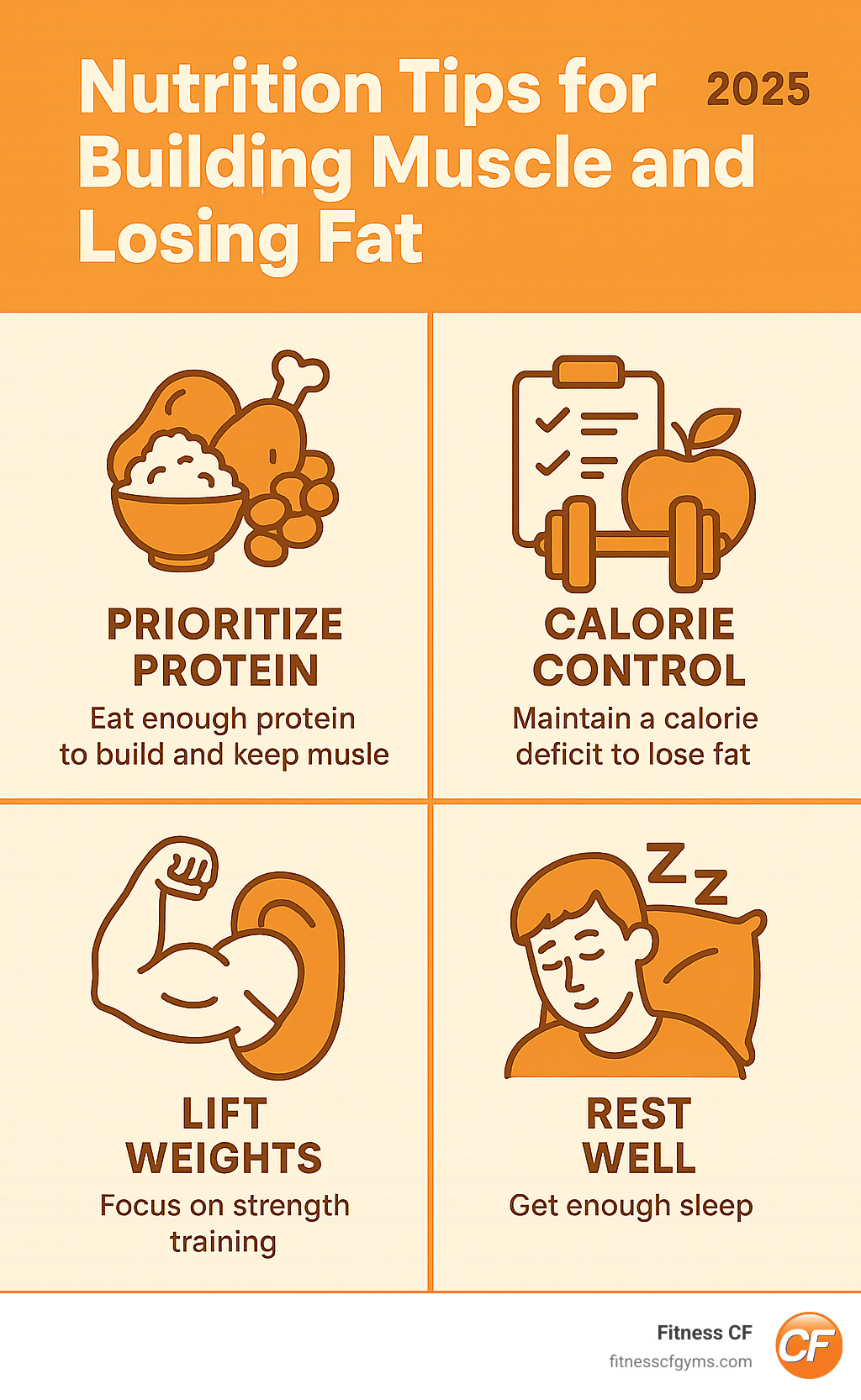
What changes have you noticed in your muscle gains when you adjust your carb intake? Experimenting with carb timing might be the key to unlocking better results.
Credit: fitnesscfgyms.com
Practical Tips For Including Carbs
Carbs are a powerful fuel source that can help you build muscle effectively, but knowing how to include them smartly in your diet is key. The right carbs at the right time can boost your energy, enhance recovery, and improve your overall performance. Let’s look at some practical tips that make carbs work for your muscle-building goals.
Meal Planning With Carbs
Planning your meals with carbs doesn’t have to be complicated. Focus on including a balance of whole grains, fruits, and vegetables to keep your energy steady throughout the day.
- Choose complex carbs:Foods like brown rice, quinoa, oats, and sweet potatoes digest slowly, providing lasting energy.
- Pair carbs with protein:Combining them helps support muscle repair and growth.
- Watch portion sizes:Eating too many carbs can lead to fat gain, so adjust amounts based on your activity level.
Have you ever noticed how your energy dips in the afternoon? Adding a small serving of fruit or a whole-grain snack can keep you going without feeling sluggish.
Pre- And Post-workout Carb Choices
Your body needs carbs before and after workouts for maximum muscle gains. Before exercise, carbs provide the quick energy needed to power through tough sets.
- Pre-workout options:Try a banana, a slice of whole-grain bread, or a small bowl of oatmeal about 30-60 minutes before training.
- Post-workout carbs:After your session, replenish glycogen stores with faster-digesting carbs like white rice, potatoes, or fruit.
- Combine with protein:Adding a source of protein post-workout supports muscle repair and growth.
Think about your last workout—did you fuel up properly beforehand? What difference did it make in your energy or performance? Adjusting your carb timing might be the simple change that boosts your results.

Credit: www.youtube.com
Frequently Asked Questions
How Do Carbs Help In Muscle Building?
Carbs provide energy essential for intense workouts. They replenish glycogen stores, ensuring muscles recover effectively. Consuming carbs post-workout aids in muscle repair. They also support overall endurance, allowing longer training sessions. Balancing carbs with proteins enhances muscle growth. Therefore, carbs play a significant role in building muscle efficiently.
Are Complex Carbs Better For Muscle Gain?
Yes, complex carbs are more beneficial for muscle gain. They release energy slowly, offering sustained fuel for workouts. This helps in maintaining energy levels longer during exercise. Complex carbs also provide essential nutrients and fiber. They are ideal for a balanced diet supporting muscle growth.
How Many Carbs Should I Eat To Build Muscle?
The amount of carbs needed varies per individual. On average, 3 to 7 grams of carbs per kilogram of body weight is recommended. This depends on exercise intensity and goals. Adjust your intake based on your progress and energy needs.
Always combine carbs with adequate protein for optimal muscle growth.
Can Low-carb Diets Affect Muscle Building?
Yes, low-carb diets can impact muscle building negatively. Carbs are crucial for energy and muscle recovery. Insufficient carbs may lead to muscle fatigue and hinder performance. They also affect glycogen stores, essential for muscle repair. For effective muscle gain, include adequate carbs in your diet.
Conclusion
Carbs play a key role in building muscle. They provide energy for workouts and help recovery. Without enough carbs, muscles may feel tired and weak. Choosing healthy carbs like fruits, vegetables, and whole grains is best. Balance carbs with protein and fats for good muscle growth.
Remember, carbs are fuel, not the enemy. Eating the right amount supports strength and endurance. Keep carbs in your diet to reach your muscle goals. Simple and steady is the way to grow strong.







