
Are you eager to transform your workouts into muscle-building powerhouses? If so, you’re in the right place.
Understanding the role of amino acids in muscle growth is a game-changer for anyone serious about fitness. Imagine unlocking the secret ingredient that could optimize your results and accelerate your journey to a stronger, more sculpted physique. In this post, we’re diving into the essential amino acids your body craves for muscle growth.
These tiny powerhouses can be the key to maximizing your efforts and achieving the muscle definition you’ve always wanted. Stay with us to uncover how these building blocks can revolutionize your fitness routine and help you achieve your goals faster than you ever thought possible.

Credit: www.yahoo.com
Role Of Amino Acids In Muscle Growth
Amino acids are the building blocks of protein, essential for muscle growth. They help repair damaged muscle fibers after exercise. This repair process makes muscles stronger and bigger over time. Without enough amino acids, muscle recovery slows down. Your body needs a steady supply of amino acids to build muscle efficiently.
Muscle growth depends on both the quantity and quality of amino acids consumed. Different types of amino acids have unique roles in this process. Understanding these roles helps optimize muscle building and recovery.
Essential Vs Non-essential Amino Acids
Essential amino acids cannot be made by the body. They must come from food or supplements. These amino acids are crucial for muscle repair and growth. Non-essential amino acids are produced by the body. Both types support muscle health but essential amino acids are more critical for growth.
- Essential amino acids include leucine, isoleucine, valine, and others.
- Non-essential amino acids include alanine, aspartic acid, and glutamic acid.
Getting enough essential amino acids ensures your muscles recover well after workouts.
Branched-chain Amino Acids (bcaas) Explained
BCAAs are a group of three essential amino acids: leucine, isoleucine, and valine. They make up a large portion of muscle protein. BCAAs help reduce muscle soreness and fatigue. They also stimulate muscle protein synthesis, the process of building new muscle tissue.
Leucine is especially important as it triggers muscle growth signals. Athletes often use BCAA supplements to improve workout recovery and muscle gains.
How Amino Acids Support Muscle Repair
Exercise causes tiny tears in muscle fibers. Amino acids help fix these tears by creating new proteins. This repair process strengthens muscles and increases size. Without enough amino acids, muscle damage can worsen or take longer to heal.
Amino acids also reduce muscle breakdown during intense workouts. They maintain a balance between muscle loss and growth. Eating protein-rich foods after exercise provides the amino acids needed for quick repair.
Top Amino Acids For Muscle Building
Understanding which amino acids play the biggest role in muscle building can change how you approach your workouts and nutrition. Amino acids are the building blocks of protein, essential for muscle growth, recovery, and energy. Focusing on the right ones can give you a clear advantage in reaching your strength and size goals.
Leucine And Muscle Protein Synthesis
Leucine is a key player in muscle protein synthesis, the process your body uses to build new muscle tissue. It acts like a signal, telling your body to start repairing and growing muscles after exercise. If you want faster muscle gains, ensuring enough leucine in your diet can make a noticeable difference.
Many protein-rich foods such as chicken, beef, and whey protein are high in leucine. Have you tracked your leucine intake to see if you’re hitting the mark?
Isoleucine And Energy Production
Isoleucine helps fuel your muscles during workouts by supporting energy production. It’s one of the branched-chain amino acids (BCAAs) that muscles can use directly for energy, especially during intense exercise. Including isoleucine helps you push harder and sustain your training sessions.
Think about how your energy levels fluctuate mid-workout—could isoleucine be what you’re missing to keep power steady?
Valine And Muscle Recovery
Valine plays an important role in muscle recovery and repair after strenuous activity. It works alongside leucine and isoleucine to reduce muscle soreness and accelerate healing. Without adequate valine, your muscles might take longer to bounce back, slowing your progress.
If you’ve noticed prolonged soreness after workouts, increasing valine intake could help you recover faster and get back to training sooner.
Glutamine’s Role In Muscle Preservation
Glutamine is crucial for preserving muscle mass, especially during periods of intense training or calorie restriction. It supports immune function and helps prevent muscle breakdown when your body is under stress. Maintaining glutamine levels can protect your hard-earned muscle from being used as energy.
Have you considered how glutamine might help you maintain muscle during tough training phases or dieting?
Best Dietary Sources Of Muscle-building Amino Acids
Knowing the best dietary sources of muscle-building amino acids can make a big difference in how effectively you gain muscle. Amino acids are the building blocks your muscles need to repair and grow after workouts. Choosing the right foods ensures you get all the essential amino acids your body can’t produce on its own.
Animal-based Protein Options
Animal proteins are complete sources of amino acids, meaning they contain all nine essential amino acids needed for muscle growth. Chicken breast, lean beef, and turkey are popular choices among athletes and gym-goers.
Eggs and dairy products like Greek yogurt and cottage cheese are also rich in muscle-building amino acids. These options are easy to prepare and provide high-quality protein that your muscles quickly absorb.
Plant-based Protein Alternatives
Plant proteins often lack one or more essential amino acids, but they can still power muscle growth when chosen wisely. Lentils, chickpeas, and quinoa are some plant-based options that offer a good range of amino acids.
Tofu and tempeh are also excellent sources, especially if you want a protein-packed meal without animal products. These foods not only help build muscle but also provide fiber and other nutrients beneficial to overall health.
Combining Foods For Complete Amino Profiles
Combining different plant-based foods can give you a complete amino acid profile similar to animal proteins. For instance, rice and beans together provide all essential amino acids your body needs.
Have you tried mixing hummus with whole-grain pita or peanut butter on whole wheat bread? These combinations are simple yet effective ways to maximize muscle-building benefits from your meals.
By paying attention to how you combine foods, you can meet your amino acid needs without relying solely on animal products. What creative food combinations have you found that help you stay fueled and strong?
Amino Acid Supplements For Faster Gains
Amino acid supplements help speed up muscle growth. They provide the building blocks muscles need to repair and grow after workouts. These supplements can improve strength, reduce soreness, and boost recovery time. Choosing the right type and taking them at the right time is key for better results.
Types Of Amino Acid Supplements
- BCAAs (Branched-Chain Amino Acids):Include leucine, isoleucine, and valine. Help reduce muscle fatigue and support muscle repair.
- EAAs (Essential Amino Acids):Contain all nine amino acids the body cannot make. Support overall muscle protein synthesis.
- Glutamine:Supports immune function and muscle recovery after intense training.
- Arginine:May improve blood flow to muscles, enhancing nutrient delivery.
Timing And Dosage Recommendations
Take amino acid supplements before or after workouts for best effects. Pre-workout intake can reduce muscle breakdown. Post-workout helps kickstart muscle repair and growth.
Most people benefit from 5 to 10 grams per dose. Follow product instructions to avoid taking too much. Spread doses throughout the day if needed for longer support.
Potential Side Effects And Safety
Amino acid supplements are generally safe for healthy people. Overuse can cause stomach upset or nausea. Excessive intake may strain kidneys in some cases.
Consult a healthcare provider if you have kidney problems or other health issues. Stick to recommended dosages and choose high-quality products. Stop use if unusual symptoms occur.
Optimizing Muscle Growth With Amino Acids
Optimizing muscle growth with amino acids means understanding how these building blocks work in your body. Amino acids are essential for repairing and building muscle tissue after workouts. But just knowing they are important isn’t enough—you need to know how to use them effectively to see real gains.
Integrating Amino Acids Into Workout Nutrition
Timing your amino acid intake can make a big difference. Consuming amino acids, especially branched-chain amino acids (BCAAs) or a complete protein source, within 30 minutes after your workout jumpstarts muscle repair.
Many athletes find that a quick shake or snack with amino acids and protein helps reduce soreness and speeds recovery. Have you tried adding a whey protein shake or a small egg snack right after training?
Balancing Amino Acids With Other Nutrients
Amino acids don’t work alone. They need carbs and fats to be fully effective. Carbohydrates help replenish glycogen stores, giving your muscles energy to grow and recover.
Fats support hormone production, which plays a role in muscle growth. Think about your meals as a team effort: amino acids, carbs, and fats all have to work together.
- Include complex carbs like sweet potatoes or brown rice with your protein.
- Don’t skip healthy fats from sources like avocados, nuts, or olive oil.
Lifestyle Factors That Enhance Amino Acid Benefits
Muscle growth doesn’t happen in the gym or kitchen alone. Sleep and stress management hugely impact how well your body uses amino acids.
Without enough rest, your muscles won’t recover properly, no matter how much protein you consume. Stress floods your body with cortisol, which can block muscle-building signals.
Have you noticed how poor sleep or a stressful week affects your strength and recovery? Prioritize good sleep habits and find ways to relax to get the most from your amino acid intake.
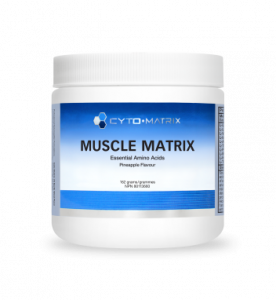
Credit: cytomatrix.ca

Credit: www.youtube.com
Frequently Asked Questions
What Are The Best Amino Acids To Build Muscle?
The best amino acids for muscle building are BCAAs: leucine, isoleucine, and valine. Leucine plays a key role in muscle protein synthesis and repair.
How Do Amino Acids Help In Muscle Growth?
Amino acids provide building blocks for muscle proteins. They repair muscle tissue and promote muscle growth after exercise, enhancing strength and recovery.
Can Amino Acid Supplements Boost Muscle Gains?
Yes, supplements with essential amino acids can enhance muscle recovery and growth. They support protein synthesis and reduce muscle breakdown during workouts.
When Should I Take Amino Acids For Muscle Building?
Take amino acids before or after workouts to maximize muscle repair and growth. Consuming them with protein-rich meals also aids muscle recovery.
Conclusion
Amino acids play a key role in building strong muscles. They help repair and grow muscle tissues after exercise. Eating foods rich in amino acids supports muscle health and recovery. Consistent intake can improve strength and endurance over time. Remember, a balanced diet with enough protein fuels muscle growth.
Stay patient and keep fueling your body right. Small steps lead to big muscle gains. Keep amino acids in your daily plan for best results.







