
Are you serious about building muscle but wonder how alcohol fits into your fitness plan? You might think a few drinks here and there won’t hurt, but what if alcohol is secretly holding you back from reaching your goals?
Understanding how alcohol affects your muscle growth can make a huge difference in your progress. Keep reading to discover the surprising ways alcohol impacts your body and learn how to make smarter choices that support the strong, healthy physique you want.
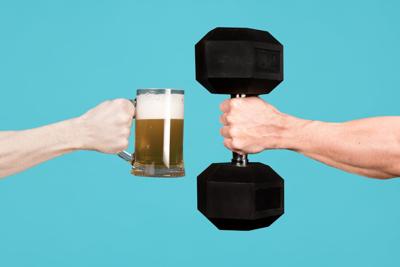
Credit: www.thespec.com
Alcohol’s Impact On Muscle Growth
Alcohol’s impact on muscle growth is more significant than many realize. Drinking can interfere with your progress, even if you stick to a solid workout routine and diet. Understanding how alcohol affects your body at a cellular level can help you make smarter decisions about when and how much to drink.
How Alcohol Affects Protein Synthesis
Protein synthesis is the process your body uses to build new muscle after workouts. Alcohol slows down this process, reducing the rate at which your muscles repair and grow. Even moderate drinking can decrease protein synthesis by up to 20%, meaning your gains might come slower than expected.
Think about the last time you had a night out after training hard. Did you notice your muscles felt sore longer or your strength plateaued? That could be alcohol interfering with your muscle-building efforts.
Hormonal Changes From Drinking
Alcohol disrupts the balance of key hormones that regulate muscle growth. It lowers testosterone, the hormone responsible for muscle development, while increasing cortisol, which breaks down muscle tissue. This hormonal shift creates an environment that’s less favorable for building muscle.
If you want to maximize your workouts, keep in mind that drinking regularly can tip this balance against your goals. Have you ever felt weaker or less motivated to train after a night of drinking? This hormonal effect might explain it.
Alcohol And Muscle Recovery
Recovery is essential for muscle growth, and alcohol can seriously delay this process. It dehydrates your body and impairs sleep quality, both crucial for effective recovery. Without proper recovery, you risk injury and slower progress.
Next time you plan a heavy drinking session, consider how it might affect your rest days. Could cutting back on alcohol improve how quickly you bounce back after tough workouts? Your muscles will thank you for prioritizing recovery.
Effects On Performance And Strength
Alcohol affects muscle performance and strength in many ways. It can slow down recovery and reduce energy. This makes workouts less effective and progress harder to achieve. Understanding alcohol’s impact helps manage training better.
Alcohol’s Role In Fatigue And Endurance
Alcohol increases fatigue by disrupting the body’s energy systems. It lowers blood sugar levels, causing tiredness faster. Endurance drops because muscles get less oxygen and nutrients. Drinking can make workouts feel harder and shorter.
Impact On Strength Gains
Alcohol slows muscle growth by interfering with protein synthesis. It reduces hormone levels like testosterone, which build strength. Recovery time increases, meaning muscles repair slower. This leads to smaller strength improvements over time.
Coordination And Injury Risk
Alcohol harms motor skills and reaction times. It lowers coordination, making exercises unsafe. The risk of injury rises due to poor balance and control. Staying alcohol-free before training helps avoid accidents and keeps form correct.
Alcohol And Nutrition For Muscle Building
Alcohol can impact muscle growth through its effects on nutrition. Proper nutrition is key for building muscle. Alcohol changes how the body handles calories and nutrients. It also affects hydration and how well the body absorbs food. These changes can slow muscle recovery and growth.
Calories And Macronutrient Interference
Alcohol adds extra calories without nutrients. These “empty” calories can lead to fat gain. Alcohol also disrupts how the body processes proteins, carbs, and fats. Protein is vital for muscle repair. Alcohol lowers protein synthesis, making muscle growth harder. Carbohydrate metabolism slows down, reducing energy. Fat metabolism also changes, causing energy imbalances. This interference harms muscle-building efforts.
Hydration And Nutrient Absorption
Alcohol is a diuretic, causing dehydration. Dehydration reduces muscle strength and endurance. It also impairs nutrient delivery to muscle cells. Essential vitamins and minerals absorb less effectively. This weakens muscle repair and growth. Staying hydrated is critical for muscle building. Alcohol makes this task more difficult.
Alcohol’s Effect On Appetite
Alcohol can both increase and decrease appetite. Some people eat more junk food after drinking. Others may skip meals due to nausea or tiredness. Poor eating habits reduce nutrient intake. This imbalance affects muscle recovery and energy levels. Managing appetite is important for muscle growth. Alcohol disrupts normal hunger signals.

Credit: m.youtube.com
Managing Alcohol Intake For Muscle Goals
Managing your alcohol intake can make a big difference in reaching your muscle-building goals. Drinking alcohol affects your recovery, hormone levels, and overall performance in the gym. But you don’t have to give it up completely; with smart choices, you can still enjoy a drink without derailing your progress.
Timing Alcohol Around Workouts
Think about when you choose to drink. Drinking right after a workout can slow down muscle recovery because alcohol interferes with protein synthesis. Waiting a few hours after training before having a drink gives your body a better chance to repair and grow muscle.
Also, avoid drinking before workouts. Alcohol reduces coordination and energy levels, making your training less effective and increasing injury risk. Save the celebrations for rest days or well after your session.
Choosing Lower Impact Drinks
Not all drinks affect your body the same way. Drinks with high sugar content, like cocktails or sweet wines, can add unnecessary calories and increase fat storage. Opt for lower-calorie options like light beer, dry wine, or spirits mixed with soda water.
Choosing drinks with fewer additives helps you stay closer to your calorie goals. Have you noticed how some drinks leave you feeling sluggish? Picking cleaner options can help maintain your energy and focus on muscle growth.
Moderation Strategies
Set clear limits for yourself to avoid overdoing it. For example, decide on one or two drinks per occasion and stick to it. Tracking your intake can help you see patterns and make smarter choices.
Try alternating alcoholic drinks with water to stay hydrated and reduce total consumption. You might find that drinking less actually enhances your sleep quality and gym performance. What small changes can you make today to balance enjoyment and muscle progress?
Surprising Benefits And Myths
Alcohol often gets a bad reputation among fitness fans. Many believe it only harms muscle growth and recovery. Yet, some surprising benefits and myths deserve a closer look. Understanding these can help you make smarter choices.
Alcohol And Stress Relief
Stress can block muscle growth by raising cortisol levels. Drinking alcohol in small amounts may help reduce stress and calm the mind. This effect can support better sleep and relaxation, which are key for muscle repair.
Keep in mind, moderation is important. Too much alcohol can cause opposite effects, increasing stress and harming recovery.
Debunking Common Muscle Building Myths
- Myth: Alcohol always stops muscle growth. Truth: Occasional drinking may not stop gains if your diet and training stay strong.
- Myth: Drinking after workouts ruins all progress. Truth: Small amounts might not harm muscle repair if balanced with protein and rest.
- Myth: Alcohol makes you lose muscle. Truth: Muscle loss happens from poor nutrition and inactivity, not just drinking.
When Alcohol Might Not Harm Progress
Timing matters. Drinking alcohol far from workout times reduces its impact on muscle building.
Hydration and nutrition help protect muscles when you drink. Eating protein and drinking water lessen alcohol’s negative effects.
Light to moderate drinking, such as one or two drinks weekly, usually does not block muscle gains for healthy adults.

Credit: www.strengthlog.com
Frequently Asked Questions
Can Alcohol Affect Muscle Growth?
Yes, alcohol can negatively impact muscle growth. It can reduce protein synthesis and lower testosterone levels, both crucial for muscle development. Alcohol also disrupts sleep, affecting recovery. Consuming alcohol in moderation is essential for those looking to build muscle effectively.
How Does Alcohol Impact Workout Recovery?
Alcohol impairs workout recovery by dehydrating the body and affecting muscle repair. It reduces the quality of sleep, which is crucial for recovery. Drinking alcohol post-workout can hinder muscle protein synthesis, delaying recovery and growth. Limiting alcohol intake can enhance recovery and muscle building.
Is It Okay To Drink Alcohol While Bodybuilding?
While occasional alcohol consumption is fine, frequent drinking can hinder bodybuilding progress. Alcohol can decrease protein synthesis and testosterone levels, affecting muscle growth. It also increases cortisol, a stress hormone, which can lead to muscle breakdown. Moderation is key for bodybuilders who choose to drink.
How Much Alcohol Is Safe For Athletes?
For athletes, moderation is crucial. Limiting alcohol to one or two drinks occasionally is generally safe. Frequent or excessive drinking can impair performance, recovery, and muscle growth. Athletes should prioritize hydration and nutrition to support their training and recovery efforts.
Conclusion
Alcohol can slow down muscle growth and recovery. It affects protein use and lowers energy levels. Drinking too much may lead to poor workout results. Staying hydrated and eating well help muscles heal better. Choosing to limit alcohol supports your fitness goals.
Balance is key for both health and strength. Keep your focus on training and rest. Your muscles will thank you in the long run.







