
Have you ever watched a mesmerizing acrobatic yoga performance and thought, “I wish I could do that”? You’re not alone.
Acrobatic yoga, often known as acroyoga, combines the mindfulness of yoga with the dynamic energy of acrobatics. It’s not only a fantastic workout but also a way to build trust, improve communication, and connect with others on a deeper level.
If you’ve been curious about trying acrobatic yoga but aren’t sure where to start, you’re in the right place. This beginner’s guide will break down the basics and show you how you can safely and confidently take your first steps into this exciting practice. Ready to discover a new world of movement and balance? Let’s dive in and explore acrobatic yoga for beginners.
What Is Acrobatic Yoga
Acrobatic Yoga combines traditional yoga poses with acrobatics, creating a practice that builds strength, balance, and trust. It’s a partner-based activity where you support and lift each other into dynamic poses. This fusion offers a playful way to deepen your yoga experience and connect with others.
What Makes Acrobatic Yoga Different?
Unlike solo yoga, Acrobatic Yoga requires teamwork. You have a base who supports and a flyer who is lifted. This relationship enhances communication and body awareness in ways solo practice can’t match.
It also challenges your muscles differently. Holding poses mid-air needs core strength and stability. You develop power and flexibility at the same time.
Who Can Practice Acrobatic Yoga?
Many people think Acrobatic Yoga is only for gymnasts or athletes. That’s not true. Beginners with no acrobatic background can start slowly and improve step by step.
If you’re curious but unsure about safety, choose a class with a trained instructor. They guide you through warm-ups and spotting techniques to keep you safe.
What Equipment Do You Need?
Acrobatic Yoga needs minimal equipment. A yoga mat provides cushioning and grip. Comfortable clothes that allow movement are essential.
- Partner or small group
- Open space free of obstacles
- Optional: yoga blocks for support
Remember, this practice is about connection and trust, not fancy gear.
Credit: acroyoga757.com
Benefits For Beginners
Acrobatic yoga offers many benefits for beginners. It helps build strength, balance, and trust with a partner. Starting acro yoga can feel challenging, but the rewards are worth it. Beginners enjoy improved flexibility and focus through gentle, guided movements.
Improves Physical Strength And Flexibility
Acrobatic yoga uses body weight to build muscle. It strengthens the core, arms, and legs. Stretching during poses increases flexibility. This helps reduce muscle stiffness and soreness. Beginners gain better control over their bodies.
Enhances Balance And Coordination
Balancing on a partner teaches body awareness. It trains the mind to stay focused. Coordination improves as you learn new poses. These skills help in other sports and daily activities.
Builds Trust And Communication
Acro yoga requires teamwork and clear communication. Beginners learn to trust their partner’s support. This creates a positive and safe practice space. It improves social skills and confidence.
Reduces Stress And Boosts Mood
Physical activity releases feel-good hormones. Practicing with a partner adds fun and connection. Acrobatic yoga helps calm the mind. It can lower anxiety and improve sleep quality.
Encourages Mindfulness And Focus
Each pose needs attention and care. Beginners practice staying present in the moment. This mindfulness helps with daily stress. It sharpens concentration and mental clarity.
Essential Equipment
Starting Acrobatic Yoga requires some basic gear to stay safe and comfortable. The right equipment helps you practice poses with balance and support. It also reduces the risk of injury and makes the experience more enjoyable.
Choosing the proper tools can boost confidence in your practice. Beginners especially benefit from having reliable equipment that supports their learning journey.
Yoga Mat
A good yoga mat is the foundation of your practice. It offers grip and cushioning to protect your joints. Pick a mat that is thick enough to absorb impact but not too soft. Look for non-slip material to keep you steady during poses.
Spotting Blocks
Spotting blocks provide extra support for balance and alignment. They help beginners hold poses longer and safely. Blocks come in foam or cork and vary in height. Use them to build strength and confidence step by step.
Comfortable Clothing
Wear stretchy, breathable clothes that allow free movement. Avoid loose or baggy items that could get caught during lifts. Choose fabrics that wick sweat away to keep you dry. Proper attire helps you focus on poses without distractions.
Partner Or Spotter
Acrobatic Yoga is a partner practice. Having a trusted partner or spotter is essential for safety. They assist in balancing and catching if you lose stability. Good communication with your partner improves trust and flow.
Yoga Strap
A yoga strap helps increase flexibility and reach. It assists in stretching tight muscles safely. Beginners use straps to ease into difficult poses gradually. The strap provides gentle support without forcing the body.
Credit: acroyoga757.com
Basic Poses To Learn
Acrobatic yoga blends strength, balance, and trust between partners. Starting with basic poses builds confidence and safety. These poses prepare your body and mind for more complex moves. Focus on learning simple, clear postures that feel stable.
Practice slowly and pay attention to your partner’s movements. Communication is key. Each pose strengthens your core and improves coordination. Enjoy the process and celebrate small progress.
Foundational Partner Poses
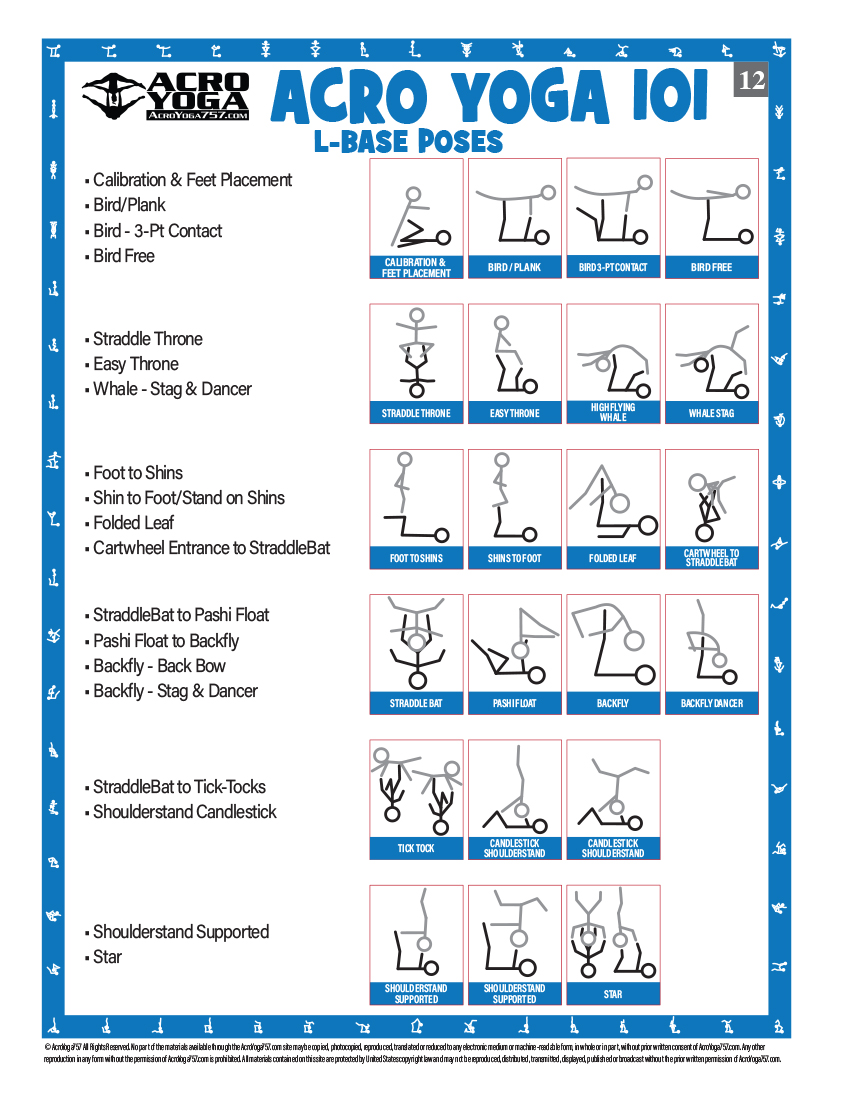
- Bird Pose:One partner lies on the ground supporting the flyer’s hips with their feet.
- Plank on Plank:Both partners hold plank positions, one on top of the other.
- Front Plank:The base supports the flyer’s chest with their hands while the flyer balances horizontally.
Balancing Techniques
- Engage your core muscles to stay steady.
- Keep your gaze fixed on one point to improve focus.
- Use slow, controlled breathing to maintain calm.
- Trust your partner’s support and align your body carefully.
Transition Movements
- Move slowly from one pose to another without rushing.
- Communicate clearly before shifting weight or position.
- Practice small shifts in balance to build control.
- Use hands and feet placements as guides during movement.
Safety Tips For Newcomers
Starting acrobatic yoga can be exciting and fun. Safety must be the top priority for beginners. This helps avoid injuries and builds confidence. Following key safety tips makes the practice enjoyable and smooth.
Spotting And Support
Spotting is crucial for safety in acrobatic yoga. A spotter helps catch or support the flyer during poses. Beginners should always practice with a trained spotter nearby. Communication between the base, flyer, and spotter is essential. Never attempt new poses without proper spotting.
Warm-up Routines
Warming up prepares the body for acrobatic moves. It reduces muscle stiffness and lowers injury risk. Start with light stretching and joint rotations. Focus on wrists, shoulders, hips, and legs. Spend at least 10 minutes warming up before practice.
Avoiding Common Injuries
Most injuries occur from poor technique or rushing. Avoid pushing beyond your comfort level. Listen to your body and rest if needed. Use mats to cushion falls and prevent bruises. Regularly check alignment to protect joints and muscles.
Building Strength And Flexibility
Building strength and flexibility is essential for anyone starting acrobatic yoga. These two elements support your body as you balance, lift, and flow through poses with a partner. Developing them gradually will help you avoid injuries and feel more confident on the mat.
Core Exercises
Your core acts like the control center for acro yoga movements. Strengthening it improves balance and stability, making it easier to hold poses and support your partner.
- Planks:Hold a plank position for 20-30 seconds, focusing on keeping your body in a straight line.
- Boat Pose:Sit with your legs lifted and arms reaching forward to engage your abs.
- Leg Raises:Lie on your back and slowly lift your legs without arching your lower back.
I remember struggling with core strength at first. Adding just a few minutes of these exercises daily made a noticeable difference within weeks. How strong is your core right now?
Stretching Practices
Flexibility helps your muscles and joints move freely, which is crucial for the dynamic poses in acro yoga. Regular stretching also reduces muscle tension and increases your range of motion.
- Hamstring Stretch:Sit on the floor and reach for your toes, holding the stretch for 20 seconds.
- Chest Opener:Clasp your hands behind your back and gently lift your arms to open the chest.
- Cat-Cow Stretch:Move between arching and rounding your spine to warm up your back.
Don’t push yourself too hard; flexibility improves over time. Have you noticed any areas in your body that feel tight or stiff? Focus on those spots during your stretching routine for better results.
Finding The Right Partner
Finding the right partner is key to enjoying and progressing in acrobatic yoga. Your partner’s attitude and abilities can shape your entire experience. Choosing wisely helps you build both skill and confidence safely.
Communication And Trust
Clear communication keeps you both on the same page, reducing misunderstandings during poses. Discuss your limits and goals openly before starting any routine.
Trust is the foundation of every successful acro yoga partnership. You need to feel safe letting your partner support or lift you. Without trust, even simple moves can feel risky and stressful.
Have you ever hesitated to try a pose because you doubted your partner’s grip or timing? That hesitation can hold you back more than the move itself.
Matching Skill Levels
Working with a partner who has a similar skill level makes learning easier and more fun. If your partner is much more experienced, you might feel pressured or overwhelmed.
On the other hand, if your partner is less experienced, you could end up doing most of the work, which can lead to frustration. Find someone whose pace matches yours, so you both grow together.
Think about your current abilities honestly. Are you ready to match with a beginner, or should you seek someone with a bit more experience?

Credit: www.mindisthemaster.com
Joining Classes And Workshops
Joining acrobatic yoga classes or workshops can transform your learning experience. It not only helps you master the poses safely but also connects you with a supportive community. Knowing what to look for in instructors and deciding between online and in-person formats will guide your journey effectively.
Choosing Instructors
Your instructor shapes how you learn acrobatic yoga. Look for someone with solid experience in both yoga and acrobatics. They should emphasize safety and clear communication.
Check if the instructor offers beginner-friendly sessions with step-by-step guidance. A good teacher notices your limits and helps you build strength gradually without rushing. You can often find reviews or testimonials from previous students, which reveal how well the instructor supports new learners.
Have you ever felt unsure about asking questions in class? A great instructor encourages curiosity and makes you feel comfortable expressing concerns. This creates a safe space for you to experiment and grow.
Online Vs In-person
Deciding between online and in-person classes depends on your learning style and schedule. Online classes offer flexibility—you can practice at home anytime that suits you. However, they require self-discipline and a good internet connection.
In-person workshops provide hands-on adjustments and immediate feedback, which are crucial for mastering balance and coordination. You also get to meet partners and build trust, an essential part of acrobatic yoga.
Consider mixing both formats: start online to grasp the basics, then join in-person sessions to refine your skills. What balance between convenience and personal connection works best for your progress?
Tracking Progress
Tracking progress is important in acrobatic yoga for beginners. It helps you see how far you have come. It also keeps you motivated to practice regularly. Monitoring your growth makes your journey clear and rewarding. You can notice small improvements that build confidence and skill.
Setting Goals
Start by setting clear and simple goals. Goals give direction and focus to your practice. Think about what you want to achieve in weeks or months. Goals can be learning a new pose or improving balance. Write your goals down and review them often. This keeps your mind focused and your efforts steady.
Using Journals And Apps
Journals and apps help you record your sessions and progress. Writing down what you did each day shows patterns and growth. Apps can remind you to practice and track your improvements easily. Use simple notes or pictures to capture your experience. Regular tracking helps you stay on course and celebrate wins.
Frequently Asked Questions
What Is Acrobatic Yoga For Beginners?
Acrobatic yoga for beginners combines yoga, acrobatics, and Thai massage. It builds strength, balance, and trust through partner poses. Beginners start with simple moves to develop confidence and coordination safely.
How Do I Start Practicing Acrobatic Yoga?
Begin with a certified instructor or beginner classes. Learn basic poses, safety techniques, and communication skills. Practice regularly to improve balance, flexibility, and trust with your partner.
What Are The Benefits Of Acrobatic Yoga?
Acrobatic yoga improves strength, flexibility, and balance. It enhances body awareness and trust between partners. It also reduces stress and boosts mood through playful, mindful movement.
Is Acrobatic Yoga Safe For Beginners?
Yes, when practiced with proper guidance and communication. Start slow, use mats, and avoid risky poses. Listening to your body and partner reduces injury risk.
Conclusion
Acrobatic yoga helps build strength and trust with a partner. It also improves balance and flexibility over time. Starting slow and practicing often brings steady progress. Enjoy the fun and challenge of trying new poses. Always listen to your body and stay safe.
With patience, anyone can enjoy acrobatic yoga’s benefits. Give it a try and see how it feels. Keep practicing, and you will grow more confident.







