
Ready to get stronger and redefine your limits? A powerlifting workout routine might be just what you need.
Imagine walking into the gym with confidence, knowing you have a plan that will transform your strength and physique. Whether you’re a gym veteran or a curious beginner, powerlifting can unlock your potential like no other workout. But there’s more to it than just lifting heavy weights.
It’s about understanding the right techniques and routines that match your goals. You’ll discover how to build your own powerlifting routine that not only boosts your physical strength but also sharpens your mental focus. Curious to see how powerlifting can reshape not just your body, but your entire approach to fitness? Let’s dive into the world of powerlifting and see how it can revolutionize your workout experience.
Core Powerlifting Exercises
Core powerlifting exercises build strength and improve overall performance. These lifts focus on major muscle groups and require proper form for safety. The three main lifts are the squat, deadlift, and bench press. Each has variations and techniques that help target muscles differently. Understanding these exercises is key to a strong powerlifting routine.
Squat Variations
Squats develop leg strength and stability. The back squat is the most common form, where the bar rests on the upper back. Front squats place the bar on the front shoulders, emphasizing the quads more. Box squats use a box to control depth and improve power from the bottom position. Each variation changes muscle focus and movement patterns.
Deadlift Techniques
Deadlifts target the back, hips, and legs. Conventional deadlifts use a shoulder-width stance with hands outside the knees. Sumo deadlifts have a wider stance and grip inside the legs, reducing stress on the lower back. Romanian deadlifts focus on the hamstrings with a slower, controlled motion. Proper hip hinge and back alignment matter for all forms.
Bench Press Forms
The bench press builds upper body strength, especially in the chest, shoulders, and triceps. The standard bench press has a medium grip and elbows at about 75 degrees. Close-grip bench press targets the triceps more. Wide-grip bench press places more emphasis on the chest. Keeping feet flat and a tight grip improves stability and power.
Weekly Training Split
Designing a weekly training split is crucial for powerlifting success. It structures your workouts to target strength gains while allowing enough time for recovery. A well-planned split keeps you consistent and prevents burnout.
Frequency And Volume
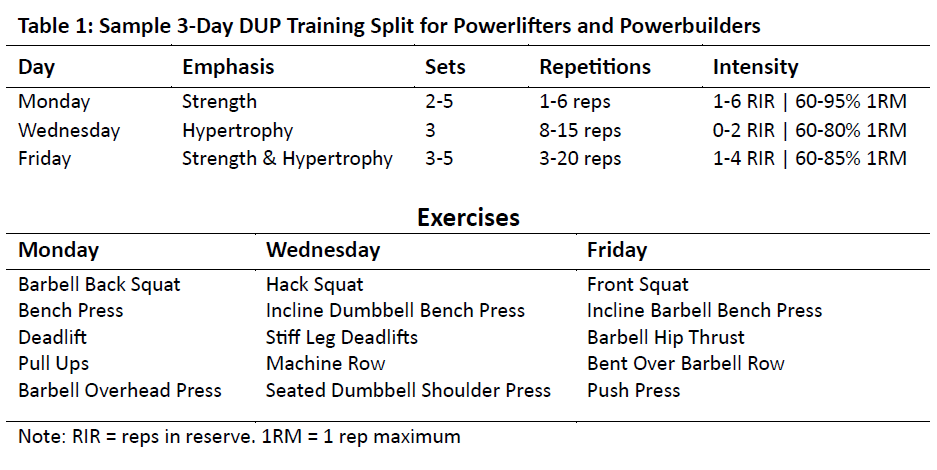
How often you train each lift matters a lot. Most lifters find hitting each main lift—squat, bench press, and deadlift—two to three times per week works best.
This frequency balances skill practice with muscle stimulus. Too much volume can lead to fatigue, but too little limits progress.
Try starting with moderate volume, such as 3-5 sets per session per lift. Track your progress and adjust if you feel too drained or if gains stall.
Balancing Intensity And Recovery
Intensity is about how heavy your sets are relative to your max. Recovery is the time your body needs to bounce back.
Push yourself on heavy days but don’t neglect lighter sessions focused on technique and speed. This mix helps avoid injury and keeps you fresh.
Ask yourself: Are you recovering enough between workouts to hit your next session hard? If not, consider adding rest days or lowering volume.
Warm-up And Mobility
Warming up and improving mobility are essential before any powerlifting session. They prepare your muscles and joints for heavy lifts. A good warm-up reduces injury risk and boosts performance. Focus on movements that increase blood flow and loosen tight areas. This creates a strong foundation for your workout.
Dynamic Stretching Routines
Dynamic stretches move your body through a full range of motion. They increase flexibility and activate muscles you will use during lifts. Examples include:
- Leg swings front to back and side to side
- Arm circles and shoulder rolls
- Walking lunges with a twist
- Hip circles and torso twists
These stretches help improve joint mobility and muscle readiness. Perform each for 30 seconds to 1 minute. Avoid holding stretches still. Keep movements controlled and smooth.
Activation Drills
Activation drills turn on key muscle groups before heavy lifting. They improve muscle firing patterns and stability. Common drills include:
- Glute bridges to activate hips and glutes
- Band pull-aparts for shoulder and upper back activation
- Bodyweight squats to engage quads and hamstrings
- Planks for core stabilization
These exercises prepare muscles to handle load safely. Perform 2–3 sets of 10–15 reps each. Focus on proper form and muscle engagement.

Credit: www.muscleandfitness.com
Accessory Movements
Accessory movements play a crucial role in any powerlifting workout routine. They target muscles and areas that the main lifts might miss, helping you lift heavier and stay injury-free. Skipping these exercises can leave your progress stuck and your body unbalanced.
Building Weak Points
Identifying your weak points is the first step. Maybe your lockout is slow on the bench press, or your squat depth is inconsistent. Accessory movements like board presses for bench lockout or paused squats for depth control help strengthen these specific challenges.
I once struggled with a slow deadlift off the floor. Adding deficit deadlifts twice a week directly improved my starting strength. What part of your lift feels the weakest? Target it with focused accessory work.
Supporting Muscle Groups
Powerlifting isn’t just about the big three lifts; it’s also about the muscles that support them. Strong glutes, hamstrings, and upper back muscles protect your joints and improve overall stability. Exercises like Romanian deadlifts, face pulls, and glute bridges can add strength where you might not expect.
Don’t ignore these smaller muscles. When I started adding face pulls to my routine, my shoulder health improved drastically, and my bench press went up as a result. What supporting muscles might you be overlooking that could boost your lifts?
Progressive Overload Strategies
Progressive overload is the key to building strength in powerlifting. It means gradually increasing the weight, reps, or intensity of your workouts. This approach forces your muscles to adapt and grow stronger over time. Without this, progress will stall and gains will slow down.
Applying progressive overload requires careful planning and tracking. Small, consistent increases challenge your body without causing injury. This strategy keeps your workouts effective and your strength rising steadily.
Tracking Strength Gains
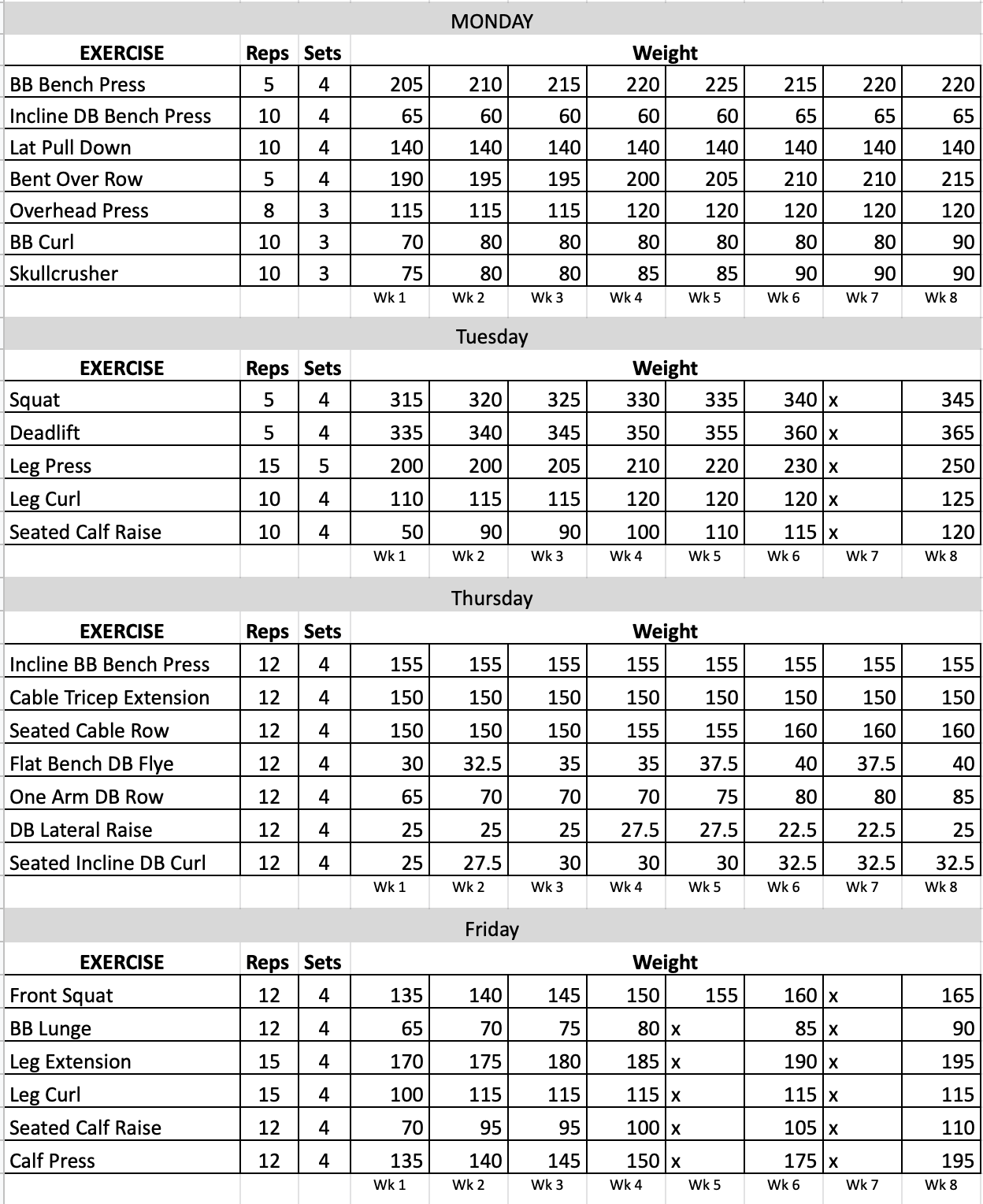
Tracking progress helps you see real improvements. Keep a workout journal or use an app to log weights, reps, and sets. Note how easy or hard each lift feels. This data shows your strength trends and highlights when to increase the load.
Regular tracking helps avoid plateaus. It also motivates you by showing clear progress. Review your logs weekly or after each workout cycle to adjust your plan.
Adjusting Load And Reps
Adjusting load and reps is essential for steady progress. Increase the weight when you can complete all reps with good form. If the weight feels too heavy, reduce reps instead.
- Start by adding 2.5 to 5 pounds to your lifts.
- Lower reps if you increase weight but can’t complete the set.
- Raise reps first if the weight feels easy but progress stalls.
This balance keeps muscles challenged and avoids overtraining. Small changes over time add up to big strength gains.
Nutrition For Strength
Nutrition plays a key role in building strength for powerlifting. Eating the right foods fuels your workouts and helps muscles recover. The right diet supports muscle growth and improves overall performance. Focus on balanced meals that provide energy and repair tissues.
Macros And Meal Timing
Protein is essential for muscle repair and growth. Aim for 1.6 to 2.2 grams of protein per kilogram of body weight daily. Carbohydrates provide energy for intense lifts. Include complex carbs like oats, rice, and sweet potatoes. Healthy fats support hormone production and joint health.
Meal timing affects energy and recovery. Eat a balanced meal 1-2 hours before training. Include protein and carbs for sustained energy. Post-workout meals should contain protein and carbs to aid muscle recovery. Spread protein intake evenly throughout the day to maximize muscle repair.
Supplements To Consider
- Creatine:Supports strength and power by increasing energy in muscles.
- Whey Protein:Provides quick, high-quality protein for muscle repair.
- BCAAs:Help reduce muscle soreness and support recovery.
- Fish Oil:Reduces inflammation and supports joint health.
- Multivitamins:Ensure you get all essential nutrients for overall health.
Supplements are not a replacement for good nutrition but can support your goals. Choose quality products and use them as part of a balanced diet.
Recovery Techniques
Recovery techniques are essential for every powerlifter. They help muscles heal and grow stronger. Without proper recovery, progress can slow or stop. Recovery also lowers injury risks. Focus on rest and sleep to keep your body ready for intense workouts.
Rest Days Importance
Rest days let your muscles repair and rebuild. Training every day can cause fatigue and injury. Taking breaks improves strength and endurance. Use rest days to relax and avoid heavy lifting. Light activities like walking or stretching can aid recovery without strain.
Sleep And Muscle Repair
Sleep is vital for muscle repair. During deep sleep, the body releases growth hormones. These hormones help fix muscle fibers and build new tissue. Aim for 7 to 9 hours of quality sleep each night. Avoid screens and caffeine before bedtime to improve sleep quality.
Credit: medium.com
Common Mistakes To Avoid
A powerlifting workout routine can deliver great strength gains. Mistakes often slow progress or cause injury. Avoiding common errors helps you train safely and efficiently. Focus on key areas to improve your lifting experience.
Form Breakdown
Maintaining proper form is crucial in powerlifting. Poor technique raises injury risk and lowers performance. Avoid leaning too far forward in squats. Keep your back straight and core tight. In deadlifts, avoid rounding your lower back. Use controlled movements, not jerky lifts. Ask a coach or use video to check your form. Small adjustments make a big difference.
Overtraining Risks
Training too hard can harm your body. Overtraining leads to fatigue, poor sleep, and weak muscles. Rest days are as important as workout days. Follow a schedule that balances work and recovery. Watch for signs like constant soreness or lack of progress. Nutrition and sleep support recovery too. Avoid pushing beyond your limits every session.
Credit: erikcieslewicz.medium.com
Frequently Asked Questions
What Is The Best Powerlifting Workout Routine For Beginners?
A beginner’s powerlifting routine focuses on mastering form with basic lifts: squat, bench press, and deadlift. Start with 3 sessions weekly, low reps, and moderate weights. Gradually increase intensity for strength and avoid injury. Consistency and rest are key for progress.
How Often Should I Train Powerlifting Each Week?
Most powerlifters train 3 to 4 times weekly. This frequency balances muscle recovery and strength gains. Each session targets specific lifts and muscle groups. Adequate rest between workouts prevents overtraining and injury. Listen to your body for optimal results.
What Are Essential Exercises In A Powerlifting Workout?
The core exercises are squat, bench press, and deadlift. These compound lifts build overall strength and power. Accessory exercises like rows, lunges, and overhead presses support main lifts. A balanced routine improves performance and reduces injury risk.
How Long Does A Typical Powerlifting Workout Last?
A typical powerlifting session lasts 60 to 90 minutes. This includes warm-up, main lifts, accessory exercises, and cooldown. Efficient workouts focus on quality over quantity. Proper rest between sets is crucial for strength and endurance.
Conclusion
Powerlifting routines build strength step by step. Consistency matters most for steady progress. Focus on form to avoid injuries. Rest days help muscles grow and recover. Track your lifts to see improvements clearly. Stay patient; gains take time and effort.
Enjoy the process and celebrate small wins. This routine can help you get stronger safely. Keep pushing, and results will follow soon.







