
Have you ever wondered if running alone can help you build muscle? Maybe you think running just burns calories and tones your legs, but what about adding real muscle strength?
If you want to get stronger without giving up your favorite runs, this article is for you. You’ll discover how runners like you can actually build muscle, why it matters, and simple tips to make it happen. Keep reading to unlock the secret to running faster, feeling stronger, and looking great—all at the same time.

Credit: www.youtube.com
Muscle Growth And Running
Muscle growth and running often seem like separate fitness goals. Many believe running only burns calories and tones muscles without building size. Yet, running can contribute to muscle development under certain conditions. Understanding how running affects muscles helps clarify its role in muscle growth.
How Running Affects Muscles
Running primarily uses muscles for endurance and movement. It challenges muscles to contract repeatedly over time. This repeated use improves muscle stamina and strength. Running causes small muscle tears that repair and grow stronger. The intensity and type of running affect muscle growth level.
Sprint running promotes more muscle growth than steady jogging. Sprinting involves quick, powerful movements that stress muscles differently. This leads to increased muscle fiber recruitment and growth. Long-distance running mainly improves muscle endurance and burns fat. It may not build large muscle size but enhances muscle definition.
Muscle Types Engaged In Running
Two main muscle types work during running:
- Slow-twitch fibers:These fibers help with endurance and long runs. They contract slowly but resist fatigue well.
- Fast-twitch fibers:These fibers generate power and speed. They contract quickly and are key in sprinting and hill running.
Slow-twitch fibers improve with long, steady runs. Fast-twitch fibers grow through high-intensity efforts like sprints. Combining different running styles can stimulate both muscle types. This approach helps runners build stronger and more defined muscles over time.
Challenges Runners Face In Building Muscle
Building muscle as a runner can be a tricky balance. Your body is constantly adapting to the demands of endurance training, which often conflicts with the goals of muscle growth. Understanding the challenges you face helps you create a smarter plan that supports both running and strength.
Common Muscle Loss Causes
Muscle loss can sneak in for runners in several ways. Long-distance running burns a lot of calories, and if you don’t eat enough protein, your body might start breaking down muscle for energy.
Overtraining without adequate rest also stresses your muscles, preventing them from recovering and growing. Sometimes, the focus on endurance workouts pushes strength training aside, causing muscle mass to decrease over time.
Have you noticed your clothes fitting a bit looser, or strength exercises feeling harder? These could be signs of muscle loss due to your running routine.
Balancing Endurance And Strength
Adding muscle while training for endurance is a delicate act. Too much running can interfere with muscle gains, but skipping it entirely isn’t an option for runners. The key is to find the right mix.
Try scheduling strength sessions on days when you run shorter distances or focus on speed, rather than long runs. This approach helps your muscles recover better and grow stronger.
Also, prioritize protein intake and consider timing your nutrition to support both endurance and strength. Your muscles need fuel not just to perform but to rebuild after tough workouts.
Think about your current routine—are you giving your muscles enough time and resources to grow, or is your body stuck in endurance mode?
Effective Strength Training For Runners
Effective strength training is a game-changer for runners who want to build muscle without sacrificing their endurance. It helps improve your running performance, reduce injury risk, and add functional muscle that supports your movement. The key is to focus on exercises that target the muscles you use most while running and to apply resistance wisely.
Best Exercises To Build Muscle
Choosing the right exercises matters more than lifting heavy weights aimlessly. Squats, lunges, and deadlifts are excellent because they target your glutes, hamstrings, and quads—muscles essential for powerful strides.
- Squats:Build strength in your legs and hips. Try variations like goblet squats or Bulgarian split squats to add challenge.
- Deadlifts:Engage your posterior chain, including hamstrings and lower back, which helps with running posture and speed.
- Step-ups:Mimic the climbing motion, improving balance and unilateral strength.
- Calf Raises:Strengthen your calves, which are crucial for push-off power.
Adding core exercises like planks and Russian twists also supports your running form. You don’t need complex routines; even bodyweight movements done consistently can lead to noticeable muscle gains.
Incorporating Resistance Training
How often should you add resistance training to your weekly running schedule? Aim for two to three sessions per week, focusing on full-body workouts rather than isolated muscles.
Start with lighter weights and focus on proper form. Overloading too quickly can lead to soreness that affects your running quality. Think of strength training as fuel for your runs, not a separate activity.
Try blending resistance work after easy runs or on rest days to allow your body to adapt without burning out. Have you noticed how your legs feel stronger and less fatigued after a few weeks of targeted strength exercises?
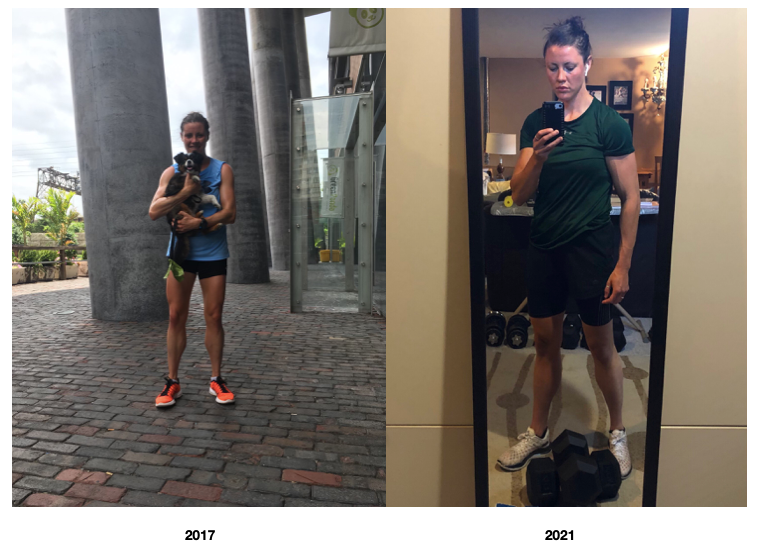
Tracking your progress helps too. Note how much weight you lift and how your running pace or recovery improves over time. This connection between strength and running ability will motivate you to keep pushing your limits.
Credit: betterhumans.pub
Nutrition Strategies To Support Muscle Growth
Nutrition plays a key role in helping runners build muscle. Eating the right foods fuels recovery and supports muscle growth. Proper nutrition also improves strength and endurance. Focus on balanced meals that include protein, carbohydrates, and healthy fats. These nutrients help repair muscles and provide energy.
Understanding how to time meals around workouts boosts muscle gains. Eating enough protein throughout the day ensures muscles get the building blocks they need. Small changes in meal timing can make a big difference in recovery and growth.
Protein Intake Guidelines
Protein is essential for muscle repair and growth. Runners should aim for 1.2 to 2.0 grams of protein per kilogram of body weight daily. Good sources include:
- Lean meats like chicken and turkey
- Fish and seafood
- Dairy products such as yogurt and cheese
- Plant-based proteins like beans, lentils, and tofu
Spread protein intake evenly across meals. This helps muscles recover better and grow stronger over time.
Timing Meals Around Workouts
Eating at the right times supports muscle building. Have a balanced meal 2-3 hours before running. Include carbs and protein for energy and muscle support.
After workouts, eat protein within 30 to 60 minutes. This quick intake helps muscles repair faster. Combine protein with some carbs to restore energy.
Keep snacks like a protein shake or yogurt handy. This makes post-run recovery easier and more effective.
Recovery Techniques To Boost Strength
Recovery is just as important as your running or strength training sessions when it comes to building muscle. Without proper recovery techniques, your body can’t repair the tiny muscle fibers broken down during exercise. This repair process is what leads to stronger and bigger muscles.
Importance Of Rest Days
Taking rest days isn’t about being lazy; it’s about giving your muscles time to heal and grow. If you push your body too hard without breaks, you risk injury and burnout, which can set back your progress.
Think about your own training: have you noticed that after a day off, you feel stronger and more energized? That’s because rest allows your muscles to rebuild with more strength. Plan at least one or two rest days per week, especially after intense workouts.
Using Sleep And Hydration
Sleep is where most muscle recovery happens. During deep sleep, your body releases growth hormones that help repair muscle tissue. Aim for 7-9 hours every night to maximize these benefits.
Hydration also plays a key role. Water helps transport nutrients to your muscles and flushes out toxins that accumulate during exercise. Drinking enough water before, during, and after your runs or workouts keeps your muscles functioning properly.
- Try to drink at least 8 glasses of water daily, more if you’re sweating heavily.
- Aim to go to bed and wake up at consistent times to improve sleep quality.
- Consider a light stretch or gentle walk on rest days to keep blood flowing.
Have you tracked how your strength improves when you focus on sleep and hydration? These simple habits can make a bigger difference than you might expect.
Tracking Progress And Staying Motivated
Tracking progress keeps runners focused on building muscle. It shows what works and what needs change. Staying motivated becomes easier by seeing real results. Without tracking, it’s hard to know if muscle gains are happening. Simple methods help keep progress clear and motivation high.
Measuring Muscle Gains
Use simple tools to measure muscle growth. A tape measure can check arm, leg, and chest size. Take measurements at the same time each week. Photos also help track changes in muscle shape.
Strength levels show muscle gains too. Record weights lifted or reps done in workouts. Increasing strength usually means muscles are getting bigger and stronger. Note improvements in running speed and endurance as signs of better muscle power.
Setting Realistic Goals
Set clear, easy goals to stay motivated. Goals could be adding a small amount of muscle each month. Or lifting a bit heavier in strength training every two weeks. Realistic goals avoid frustration and keep progress steady.
Write down goals and review them weekly. Celebrate small wins to build confidence. Adjust goals as needed based on progress and how the body feels. This helps maintain motivation and prevents burnout.

Credit: www.youtube.com
Frequently Asked Questions
Can Runners Gain Muscle While Running?
Yes, runners can build muscle while running. To achieve this, incorporate strength training exercises into your routine. Focus on compound movements like squats and lunges. These exercises target multiple muscle groups, enhancing muscle growth. Additionally, maintain a balanced diet rich in protein to support muscle repair and growth.
How Does Running Affect Muscle Growth?
Running primarily targets endurance, but it can complement muscle growth. High-intensity interval training (HIIT) and hill sprints are particularly effective. These running styles engage fast-twitch muscle fibers, contributing to muscle development. Pair running with strength training for optimal results, ensuring both cardio and muscle-building goals are met.
Should Runners Lift Weights For Muscle Gain?
Yes, runners should lift weights to build muscle. Weightlifting complements running by strengthening key muscle groups, enhancing overall performance. Focus on exercises targeting legs, core, and upper body. This balanced approach supports muscle growth, improves running efficiency, and reduces injury risk.
What Type Of Diet Supports Muscle Building In Runners?
A diet rich in protein supports muscle building for runners. Include lean meats, fish, legumes, and dairy for protein intake. Carbohydrates are essential for energy, so incorporate whole grains and fruits. Healthy fats like avocados and nuts aid recovery. Stay hydrated to enhance performance and muscle repair.
Conclusion
Runners can build muscle with the right training and diet. Strength exercises help improve running performance and muscle growth. Eating enough protein supports muscle repair and growth after workouts. Rest days are important to avoid injury and allow muscles to recover.
Balancing running and strength training leads to better overall fitness. Small changes in routine can bring good results over time. Keep consistent and patient. Building muscle as a runner is possible and beneficial.







