
Are you tired of struggling with weak inner thigh muscles that affect your balance and overall strength? Building strong inner thighs isn’t just about looks—it’s key to improving your stability, boosting athletic performance, and preventing injuries.
Imagine feeling more confident in your movements and powering through workouts with ease. You’ll discover simple, effective exercises and tips that anyone can follow to build your inner thigh muscles quickly and safely. Ready to transform your strength from the inside out?
Let’s get started!

Credit: www.youtube.com
Benefits Of Strong Inner Thighs
Strong inner thigh muscles do more than shape your legs. They support your movement and protect your joints. Building these muscles improves balance and helps in everyday activities. It also reduces the risk of injuries and enhances athletic performance.
Improved Stability And Balance
Inner thigh muscles help keep your legs steady. They support your hips and knees during walking and running. Strong inner thighs prevent wobbling and falling. This makes standing and moving easier and safer.
Better Athletic Performance
Sports like running, cycling, and soccer need strong inner thighs. These muscles help you change direction quickly. They also give power for jumping and sprinting. Strong inner thighs boost your speed and agility.
Reduced Risk Of Injury
Weak inner thighs can cause knee and hip problems. Strong muscles protect these joints from strain. They also help keep your pelvis stable. This lowers the chance of sprains and tears.
Enhanced Posture And Alignment
Inner thigh muscles support your pelvis and spine. Strong muscles help keep your body upright. This reduces back pain and improves posture. Good posture feels better and looks confident.
Support For Daily Activities
Tasks like climbing stairs and standing for long periods get easier. Inner thigh strength helps you move smoothly. It reduces tiredness in your legs. Daily life becomes less tiring and more comfortable.
Key Muscles In The Inner Thigh
The inner thigh contains several important muscles. These muscles help with movements like pulling your legs together and stabilizing your hips. Strengthening them improves balance, posture, and athletic performance.
Understanding these key muscles helps target workouts effectively. Each muscle plays a unique role in leg and hip movement. Focus on them to build strong and toned inner thighs.
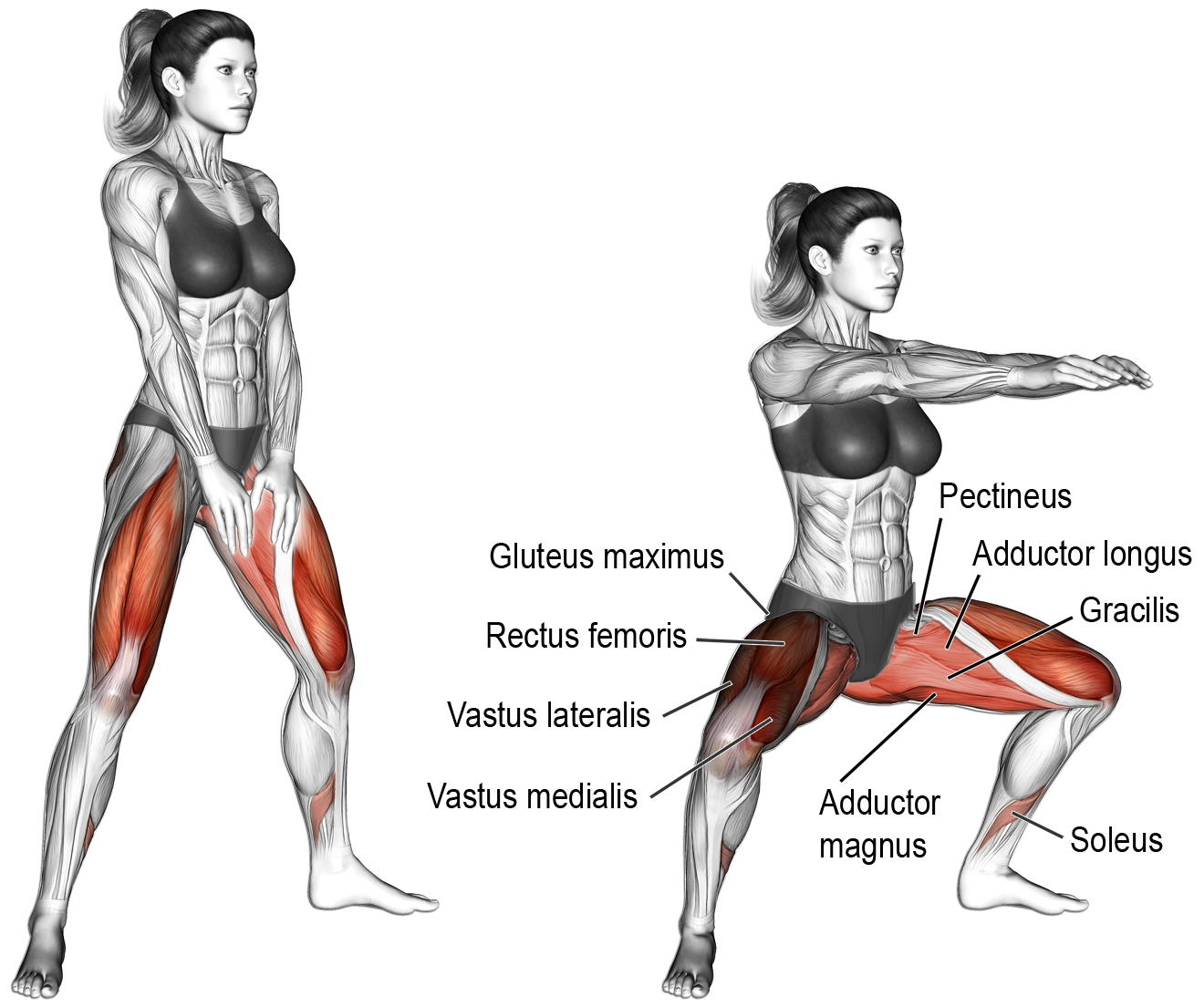
Adductor Longus
The adductor longus is a large muscle in the inner thigh. It runs from the pelvis to the middle of the femur. Its main job is to pull the leg toward the body’s center. It also helps with hip rotation and stability.
Adductor Brevis
This muscle lies beneath the adductor longus. It assists in bringing the thigh inward and supports hip joint movement. The adductor brevis plays a vital role in quick side-to-side motions.
Adductor Magnus
The adductor magnus is the largest muscle in the inner thigh group. It spans from the pelvis to the lower femur and upper tibia. It helps with thigh adduction and also aids in hip extension.
Gracilis
The gracilis is a thin, long muscle running down the inner thigh. It helps pull the leg inward and bends the knee. This muscle supports hip and knee joint movements during walking and running.
Pectineus
The pectineus sits at the top of the inner thigh. It assists in pulling the thigh toward the midline and helps with hip flexion. This muscle also supports hip stability during movement.
Effective Exercises For Inner Thighs
Building inner thigh muscle takes targeted effort and consistency. Choosing the right exercises can make your workouts more effective and enjoyable. Below, you’ll find a variety of moves that focus on the inner thighs, ranging from simple bodyweight exercises to weighted workouts.
Bodyweight Moves
Bodyweight exercises are perfect if you’re just starting out or prefer working out without equipment. They activate your inner thighs while improving balance and flexibility.
- Sumo Squats:Stand with feet wider than shoulder-width, toes pointing out. Lower your hips while keeping your chest up, then push back to standing.
- Side Lunges:Step to the side and bend the knee of the stepping leg. Keep the other leg straight and push off to return.
- Inner Thigh Lifts:Lie on your side and lift the lower leg upward, focusing on squeezing the inner thigh muscle.
Have you noticed how these moves not only tone your inner thighs but also improve your overall leg strength? Try adding more reps as you get comfortable.
Resistance Band Workouts
Resistance bands add tension that targets your inner thighs more deeply. They’re affordable and easy to use anywhere.
- Band-Resisted Side Steps:Place the band around your legs just above your knees. Step side to side, keeping tension on the band.
- Seated Inner Thigh Squeeze:Sit with a resistance band looped around your thighs. Press your knees inward against the band, then release slowly.
- Standing Adduction:Attach the band to a sturdy object and loop it around one ankle. Pull your leg inward against the band’s resistance.
Resistance bands challenge your muscles in new ways. Have you tried increasing the band’s tension to push yourself further?
Weighted Exercises
Adding weights can speed up muscle growth in your inner thighs. Dumbbells, kettlebells, or ankle weights all work well.
- Dumbbell Sumo Deadlifts:Hold a dumbbell with both hands, feet wide apart. Lower the weight while pushing hips back, then rise up squeezing inner thighs.
- Kettlebell Goblet Squats:Hold a kettlebell close to your chest, squat deeply with feet wider than shoulder-width.
- Ankle Weight Side Leg Raises:Strap ankle weights and lie on your side, lifting your lower leg slowly.
Weighted exercises demand good form, so start light and focus on control. What weight challenges you without compromising your technique?
Credit: greensafaris.com
Tips For Proper Form And Technique
Proper form and technique are essential for building inner thigh muscles effectively. Correct posture helps target the right muscles and prevents injury. Small adjustments can make a big difference in your workout results.
Focus on controlled movements rather than speed. Slow and steady exercises engage muscles better. Concentrate on the muscle you want to work and keep tension throughout the exercise.
Maintain A Neutral Spine
Keep your back straight, not rounded or overly arched. A neutral spine stabilizes your body and improves balance. This position helps you lift with proper muscle activation.
Engage Your Core
Tighten your abdominal muscles during exercises. A strong core supports your lower body movements. It also protects your lower back from strain.
Position Your Feet Correctly
Place your feet shoulder-width apart or as needed for the exercise. Point your toes slightly outward for better inner thigh engagement. Avoid letting your knees collapse inward.
Control Your Breathing
Breathe out during the effort phase, like lifting or squeezing. Breathe in during the release or lowering phase. Proper breathing keeps your muscles fueled and reduces fatigue.
Use Full Range Of Motion
Move through the entire motion without cutting it short. Full range motion improves muscle flexibility and strength. Avoid jerky or incomplete movements to maximize gains.
Focus On Muscle Activation
Feel your inner thigh muscles working during each exercise. Visualize the muscle contracting and relaxing. This mind-muscle connection enhances workout effectiveness.
Creating A Balanced Leg Workout
Creating a balanced leg workout is essential if you want to build inner thigh muscles effectively. Focusing solely on one area can lead to muscle imbalances and limit overall progress. A well-rounded routine not only targets the inner thighs but also strengthens surrounding muscles to support proper movement and prevent injury.
Understanding Muscle Groups In Your Legs
Your legs contain several key muscle groups: quads, hamstrings, glutes, calves, and of course, the inner thighs (adductors). Each group plays a role in stability and movement. To build inner thigh muscle, you need to train these groups together, allowing your body to work as a cohesive unit.
Balancing Exercises For Strength And Flexibility
Choose exercises that target both strength and flexibility. For example, add sumo squats or side lunges to hit your inner thighs while also stretching them with yoga poses like the butterfly stretch. This approach helps your muscles grow while staying flexible and less prone to injury.
Mixing Compound And Isolation Movements
Compound exercises, such as squats and deadlifts, engage multiple muscle groups, including your inner thighs. Isolation moves like inner thigh lifts or cable adductions focus directly on the muscles you want to build. Combining these types keeps your workout balanced and efficient.
Adjusting Volume And Intensity
Building muscle requires challenging your body, but too much can lead to burnout. Start with moderate sets and reps, then increase intensity by adding weights or resistance bands. Pay attention to how your inner thighs respond and adjust accordingly to keep progressing without overtraining.
Including Rest And Recovery
Muscle growth happens during rest, not just during workouts. Make sure you schedule recovery days between leg sessions to allow your inner thigh muscles to repair and grow stronger. Ignoring rest can slow your progress and increase injury risk—have you noticed how rest days improve your performance?
Frequency And Recovery
Building inner thigh muscle requires a careful balance between how often you train and how well you allow your body to recover. Training too frequently without enough rest can lead to fatigue and injury, while too little training won’t stimulate growth effectively. Finding the right rhythm will help you see consistent progress and keep your workouts enjoyable.
How Often Should You Train Your Inner Thighs?
Training your inner thighs 2 to 3 times a week is usually enough to encourage muscle growth. This frequency gives your muscles the stimulus they need without overworking them. You don’t need daily workouts; instead, focus on quality sessions with proper form and intensity.
Think about your own schedule and energy levels. Can you commit to a few focused workouts a week? Consistency beats occasional intense sessions every time.
Importance Of Rest And Recovery
Your inner thigh muscles need time to repair after each workout. Recovery allows muscles to rebuild stronger, which is essential for growth. Skipping rest days can stall your progress or even cause setbacks.
Try to get at least 48 hours of rest between intense inner thigh workouts. During this time, stay active with light activities like walking or gentle stretching to promote blood flow without stressing the muscles.
Signs You Need More Recovery
- Persistent muscle soreness lasting more than 72 hours
- Decreased performance or strength in workouts
- Feeling unusually tired or fatigued during sessions
- Loss of motivation or mental burnout
If you notice any of these signs, consider extending your rest period or lowering workout intensity. Listening to your body is key to sustainable progress.
Recovery Techniques To Boost Muscle Growth
- Stretching:Helps reduce tightness and improve flexibility in the inner thighs.
- Foam Rolling:Eases muscle tension and promotes circulation.
- Proper Nutrition:Eating enough protein supports muscle repair.
- Hydration:Keeps muscles functioning optimally and aids recovery.
Have you tried any of these? Adding just one or two can make your recovery more effective and speed up your muscle gains.
Nutrition For Muscle Growth
Nutrition plays a key role in building inner thigh muscles. It provides the fuel and nutrients your body needs to repair and grow muscle tissue. Eating the right foods helps you gain strength and tone the muscles effectively.
Focus on balanced meals with protein, healthy fats, and carbohydrates. Protein is essential for muscle repair. Carbs give energy for your workouts. Fats support hormone production and overall health.
Protein Sources For Muscle Growth
Protein helps rebuild muscle fibers after exercise. Choose lean meats like chicken, turkey, and fish. Eggs and dairy products also provide high-quality protein. Plant-based options include beans, lentils, tofu, and quinoa. Aim for about 1.2 to 2 grams of protein per kilogram of body weight daily.
Importance Of Carbohydrates
Carbohydrates provide energy needed during workouts. Include whole grains like brown rice, oats, and whole wheat bread. Fruits and vegetables supply vitamins and minerals. Avoid refined sugars and processed carbs to keep energy stable and support muscle recovery.
Healthy Fats To Support Muscle Building
Healthy fats help hormone production that aids muscle growth. Sources include avocados, nuts, seeds, and olive oil. Fatty fish like salmon provide omega-3 fatty acids. Limit saturated and trans fats found in fried and processed foods.
Hydration And Muscle Function
Water is crucial for muscle function and recovery. Muscles are about 75% water. Drink enough water before, during, and after exercise. Proper hydration improves strength and reduces cramps.
Timing Your Meals
Eating protein and carbs soon after workouts boosts muscle repair. A snack or meal within 30 to 60 minutes post-exercise is ideal. This timing helps replenish energy and supports muscle growth.
Common Mistakes To Avoid
Building inner thigh muscle can transform your strength and stability, but many people hit roadblocks due to avoidable mistakes. Recognizing these common errors early helps you stay on track and see better results faster. Are you making any of these mistakes without realizing it?
Skipping Proper Warm-up
Jumping straight into intense inner thigh exercises can lead to injury and poor muscle activation. A quick warm-up, like light cardio or dynamic stretches, prepares your muscles and joints. Have you ever felt tightness or discomfort during your workout? That’s often a sign you need to warm up better.
Ignoring Form And Technique
It’s tempting to use heavy weights or rush through reps, but poor form reduces effectiveness and risks injury. Focus on controlled movements and proper alignment instead of speed. For example, during sumo squats, keeping your knees aligned over your toes protects your joints and targets the inner thighs correctly.
Overworking Only Inner Thigh Muscles
Concentrating solely on your inner thighs without balancing other leg muscles leads to imbalances and potential injuries. Your hips, quads, and glutes all play a role in lower body strength. Are you including exercises that work these areas too? Balance keeps your body strong and functional.
Neglecting Progressive Overload
Sticking to the same exercises and weights means your muscles won’t grow effectively. Gradually increasing resistance or reps challenges your muscles to adapt and get stronger. Think about how you can safely push yourself a little more each week to avoid plateaus.
Not Allowing Enough Recovery Time
Muscles need time to repair and grow after workouts. Training inner thighs every day without rest can cause fatigue and limit progress. How often do you let your muscles recover? Aim for at least 48 hours between intense sessions targeting the same muscle group.
Tracking Progress And Staying Motivated
Tracking your progress helps keep your inner thigh muscle goals clear. It shows how far you have come and what to improve. Staying motivated can be tough without visible signs of success. Small wins boost confidence and push you forward.
Keeping A Workout Journal
Write down your exercises, sets, and reps after each session. Note how your body feels and any changes in strength. This record helps you see steady improvement over time. It also highlights exercises that work best for you.
Using Photos For Visual Progress
Take photos of your inner thighs every two weeks. Wear the same clothes and use the same lighting each time. Comparing photos helps you notice muscle tone and shape changes. Visual proof can inspire you to stick with your routine.
Setting Small, Achievable Goals
Break your big goal into smaller targets. For example, increase reps or add weight gradually. Celebrate when you reach these mini-goals. This approach keeps you motivated and prevents burnout.
Tracking Measurements And Strength
- Measure thigh circumference regularly to see muscle growth.
- Test how much weight you can lift or how many reps you can do.
- Record these numbers to track strength gains.
Numbers give clear evidence of your hard work paying off.
Finding Support And Accountability
Share your goals with friends or a workout group. They can encourage and keep you accountable. Joining a community makes the journey less lonely and more fun.
Credit: www.lemon8-app.com
Frequently Asked Questions
How Can I Effectively Build Inner Thigh Muscles?
To effectively build inner thigh muscles, incorporate exercises like sumo squats, lunges, and leg presses into your routine. Focus on maintaining proper form and gradually increasing weights. Consistent workouts, combined with a balanced diet rich in protein, will help in muscle growth and strength.
What Exercises Target The Inner Thighs Best?
Exercises like sumo squats, side lunges, and inner thigh leg lifts target the inner thighs effectively. These exercises engage the adductor muscles, helping to tone and strengthen your inner thighs. Incorporating these exercises into your routine can lead to noticeable improvements over time.
How Often Should I Train My Inner Thighs?
Training your inner thighs two to three times a week is ideal. Ensure you allow rest days between sessions for muscle recovery. Consistent training, paired with proper nutrition, will help in achieving your desired results. Listen to your body and adjust the frequency if needed.
Are There Specific Machines For Inner Thigh Workouts?
Yes, the inner thigh adductor machine specifically targets the inner thigh muscles. This machine allows for focused muscle engagement and isolation. Including machine exercises in your routine can complement free weight exercises for comprehensive inner thigh development. Always use correct form to avoid injury.
Conclusion
Building inner thigh muscles takes time and effort. Start with simple exercises and increase intensity slowly. Consistency helps your muscles grow stronger and leaner. Remember to rest and stretch to avoid injury. Eat healthy foods to support muscle growth and energy.
Stay patient and keep your goals in mind. Strong inner thighs improve balance and overall fitness. You can do this step by step. Keep moving forward every day.







