
Are you wondering if Pilates can help you build muscle? You might think Pilates is just about stretching or improving flexibility, but there’s more to it than that.
If you want to tone your body, gain strength, and feel stronger every day, understanding how Pilates works is key. Keep reading, because by the end of this article, you’ll discover how Pilates can shape your muscles and boost your fitness in ways you might not expect.
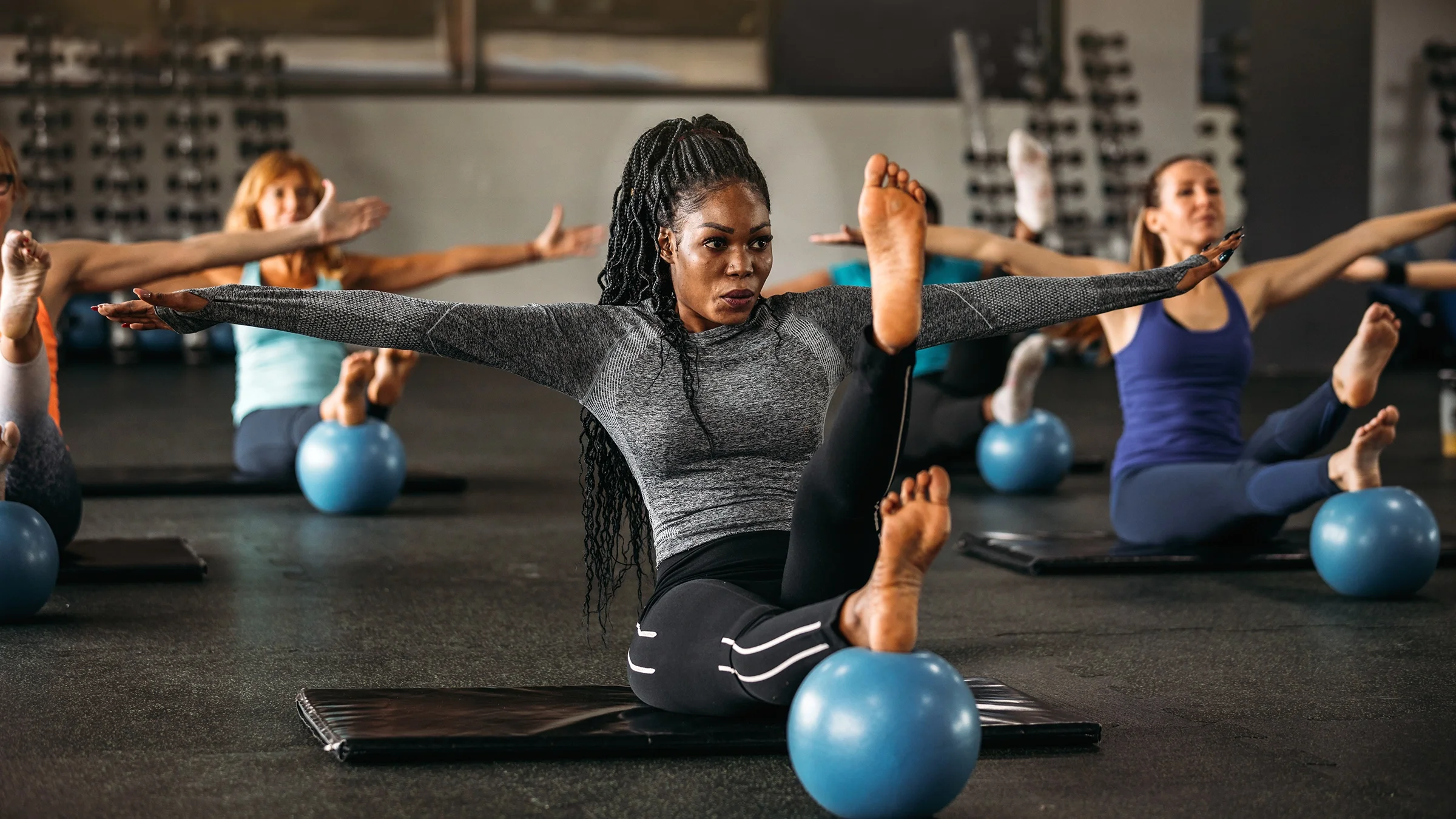
Credit: www.goodrx.com
Pilates Basics
Pilates is a popular exercise method that focuses on strength, flexibility, and body awareness. It helps improve posture and balance. Many wonder if Pilates also helps build muscle. Understanding the basics of Pilates will clarify what this workout involves and how it affects your body.
Core Principles
Pilates centers on a few key ideas. Control means precise, smooth movements. Concentration focuses your mind on each exercise. Breathing supports movement and helps relax muscles. Centering strengthens the body’s core muscles. Flow ensures exercises move smoothly without pauses. Precision demands attention to detail in every pose. These principles work together to create a balanced workout.
Types Of Pilates
There are two main types of Pilates. Mat Pilates uses a simple floor mat. It relies on your body weight for resistance. Reformer Pilates uses a special machine with springs. This equipment adds resistance and support. Both types improve strength and flexibility. They differ in how much equipment they use and the intensity of workouts.
Equipment Used
Pilates uses various tools to enhance workouts. The Reformer is the most famous machine. It has springs, a sliding platform, and ropes. The Cadillac is a larger frame with bars and straps. The Wunda Chair resembles a small seat with pedals. Other props include resistance bands, balls, and rings. These tools help target muscles in different ways and add challenge.
Muscle Building Science
Understanding the science behind muscle building can help you see how Pilates fits into your fitness goals. Muscles grow through a complex process that involves stress, recovery, and adaptation. Knowing these basics will help you decide if Pilates can truly help build muscle or if you need to mix it with other types of exercise.
How Muscles Grow
Muscles grow when they experience stress that causes tiny tears in the muscle fibers. Your body repairs these tears by adding new muscle tissue, making the muscle stronger and bigger over time. This process requires proper nutrition, especially enough protein, and rest to allow recovery.
Have you noticed how your muscles feel sore after a challenging workout? That soreness is a sign your muscles are adapting and growing. Pilates movements can cause muscle engagement, but the question is whether they cause enough stress to promote significant growth.
Strength Vs Endurance
Building muscle strength means increasing the force your muscles can produce. Muscle endurance focuses on how long your muscles can perform a task without getting tired. Pilates primarily targets endurance by encouraging controlled, repetitive movements with less heavy resistance.
Think about how you feel after a Pilates session—your muscles might feel tired but not necessarily heavy or pumped up like after weightlifting. This suggests Pilates is great for toning and endurance but might not be enough alone for building large muscle mass.
Role Of Resistance
Resistance is key to muscle growth. The heavier the resistance, the more your muscles have to work, leading to bigger gains. Pilates uses body weight and sometimes light equipment like bands or small weights, which offer less resistance compared to traditional strength training.
If your goal is visible muscle growth, ask yourself if your Pilates routine challenges your muscles enough. Adding extra resistance or combining Pilates with weight training could be the way to go. How do you currently challenge your muscles during your workouts?
Pilates And Muscle Growth
Pilates is often seen as a gentle form of exercise. Yet, it can lead to muscle growth and strength. This happens because Pilates focuses on controlled movements and muscle engagement. Understanding how Pilates affects muscles helps clarify its role in building muscle.
Muscle Activation In Pilates
Pilates activates many muscles at once, especially the core muscles. It uses small, precise movements that require focus and control. These movements engage deep muscles that often remain inactive in other exercises. This activation helps improve muscle tone and endurance.
Resistance In Pilates Exercises
Pilates uses body weight and equipment like resistance bands and reformers. These tools provide resistance, challenging muscles to work harder. Resistance causes muscles to adapt and grow stronger over time. The gradual increase in resistance supports steady muscle development.
Comparing Pilates To Weight Training
Weight training uses heavy weights to create muscle tears for growth. Pilates focuses on muscle control and endurance with lighter resistance. Weight training builds muscle mass faster but Pilates improves muscle balance and flexibility. Both methods strengthen muscles, but in different ways.

Credit: www.youtube.com
Toning Effects Of Pilates
Pilates offers a unique approach to body toning. It focuses on small, controlled movements that engage muscles deeply. This helps create a lean, firm look without bulky muscle growth. The exercises improve muscle shape and function. Regular practice enhances body awareness and control.
Muscle Definition Through Pilates
Pilates targets specific muscle groups with precision. It works muscles evenly, avoiding imbalances. This helps reveal muscle lines and improves overall shape. Movements stretch and contract muscles, promoting a toned appearance. Over time, this leads to subtle muscle definition that looks natural.
Improving Muscle Endurance
Pilates builds muscle endurance rather than size. Exercises involve many repetitions with low resistance. This trains muscles to work longer without fatigue. Better endurance supports daily activities and other workouts. Stronger muscles also reduce the risk of injury.
Posture And Muscle Balance
Pilates emphasizes proper alignment and posture. It strengthens core muscles that support the spine. Balanced muscle strength prevents poor posture habits. This creates a taller, more confident stance. Improved posture also enhances muscle tone and appearance.
Benefits Beyond Muscle
Pilates offers many benefits that extend beyond just building muscle. It improves how your body moves and feels every day. This form of exercise enhances strength with grace and control. Many people notice better posture and less pain after practicing Pilates regularly.
Flexibility Improvements
Pilates helps lengthen muscles and increase joint movement. Stretching is part of every session, promoting looser, more flexible muscles. Improved flexibility reduces the risk of injuries during other activities. It also helps ease stiffness and soreness in the body.
Core Stability
The core is the center of all Pilates exercises. Strengthening this area supports your spine and overall balance. A strong core improves posture and reduces back pain. It also makes daily tasks like lifting and bending easier and safer.
Mind-body Connection
Pilates focuses on controlled breathing and precise movements. This attention helps you become more aware of your body. The practice reduces stress and promotes mental calmness. It trains your mind and body to work together smoothly.
Maximizing Strength Gains
Maximizing strength gains requires a smart approach to exercise and recovery. Pilates builds muscle by focusing on controlled movements and core engagement. To increase muscle size and power, combining Pilates with other strategies works best. Small changes in your routine can lead to better muscle growth and endurance. It is important to train muscles progressively and fuel your body properly.
Incorporating Pilates With Other Workouts
Pilates improves flexibility, balance, and core strength. Pair it with weight training to target larger muscles. Use Pilates for recovery days to reduce soreness and improve mobility. Aerobic exercises help increase stamina and support muscle growth. Mixing Pilates with resistance workouts creates a balanced fitness plan. This variety keeps muscles challenged and prevents plateaus.
Progressive Resistance Techniques
Muscles grow stronger when challenged over time. Increase resistance slowly during Pilates sessions to boost gains. Use equipment like resistance bands, Pilates rings, or small weights. Focus on controlled, precise movements to engage muscles fully. Track progress and adjust intensity to avoid injury. This steady increase helps muscles adapt and grow.
Nutrition For Muscle Growth
Muscle building needs proper nutrition. Eat enough protein to repair and build muscle fibers. Include lean meats, beans, eggs, and dairy in meals. Carbohydrates provide energy for workouts and recovery. Healthy fats support hormone production and overall health. Stay hydrated to keep muscles working well. Balanced meals help muscles recover and grow stronger.
Common Misconceptions
Many people have ideas about Pilates that don’t quite match reality. These misconceptions can stop you from getting the most out of your practice. Let’s clear up some common myths that might be holding you back.
Pilates Only For Flexibility
It’s easy to think Pilates is just about stretching and improving flexibility. While it does help with flexibility, Pilates also strengthens muscles deeply and improves posture. Have you noticed how your core feels stronger after a session? That’s because Pilates targets muscles you might not usually work.
Muscle Bulk Myths
Some avoid Pilates fearing it will make them bulky like a bodybuilder. That’s unlikely. Pilates builds lean muscle, helping you tone up without adding bulk. Think of it as shaping your muscles rather than swelling them. If you want muscle size, heavy weight training is more effective than Pilates alone.
Pilates Intensity Levels
People often picture Pilates as gentle and easy, but it can be quite challenging. You control the intensity by adjusting movements or adding resistance. Ever tried a reformer class? It can push your strength and endurance much more than mat Pilates. How hard you work in Pilates is really up to you.
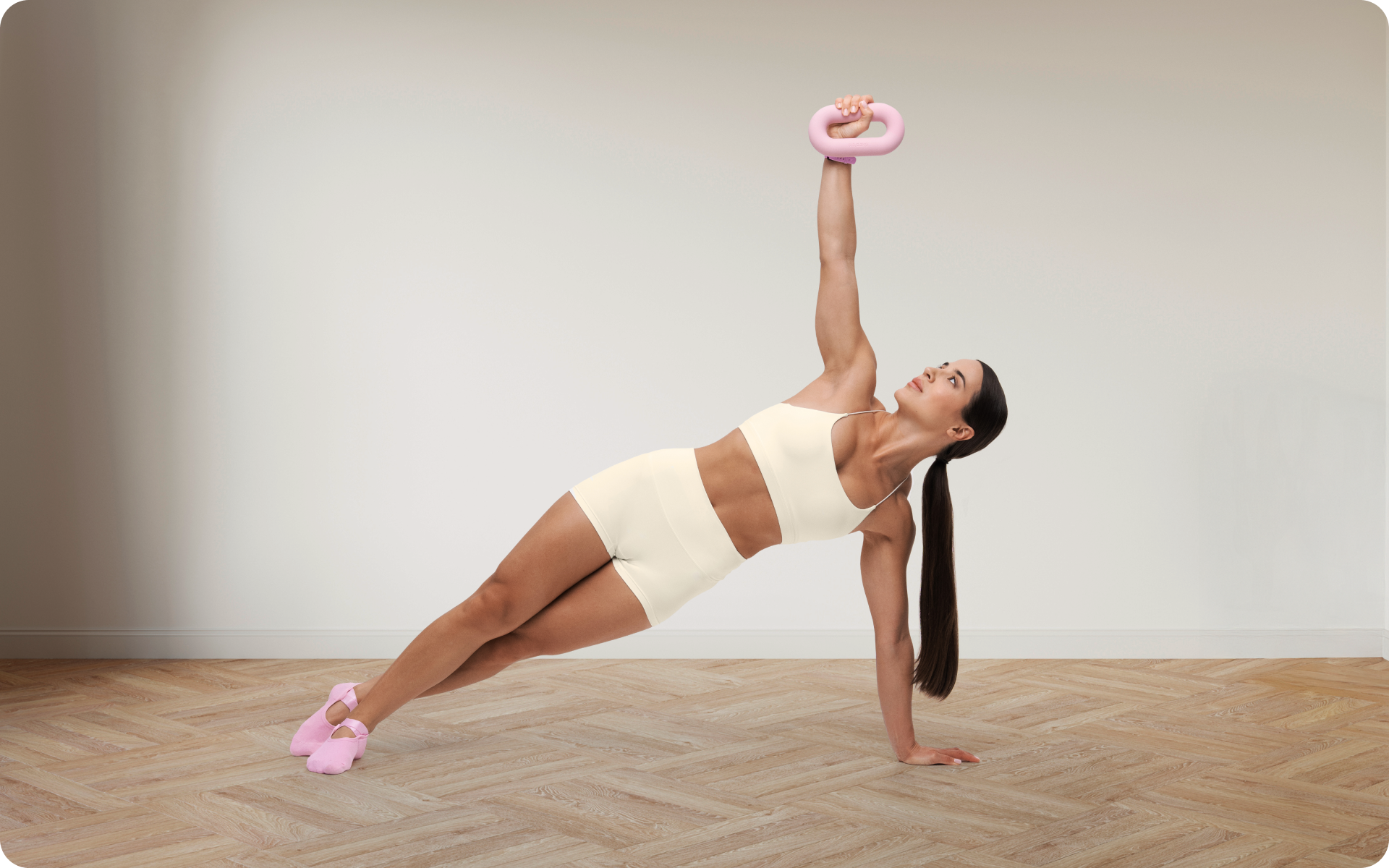
Credit: betterme.world
Frequently Asked Questions
Can Pilates Help In Building Muscle Mass?
Yes, Pilates can help build muscle mass. It focuses on controlled movements and resistance exercises that target various muscle groups. Regular practice improves muscle tone, strength, and endurance. While it’s not as intense as weightlifting, it effectively enhances muscle definition and supports overall muscular development.
Is Pilates Effective For Muscle Strengthening?
Pilates is highly effective for muscle strengthening. It involves exercises that engage and stabilize core muscles. The practice enhances flexibility, balance, and posture while strengthening muscles. By focusing on precise movements, Pilates helps build lean muscle and improve functional strength, making it a great addition to any fitness routine.
Does Pilates Work For Upper Body Muscles?
Yes, Pilates works effectively for upper body muscles. Exercises like planks, push-ups, and arm circles target shoulders, arms, and back. These movements enhance muscle tone and strength in the upper body. Regular practice leads to improved posture, increased muscle definition, and overall upper body strength.
How Does Pilates Improve Core Strength?
Pilates significantly improves core strength through targeted exercises. It focuses on engaging the deep abdominal muscles, obliques, and lower back. Consistent practice enhances core stability, balance, and posture. Strengthening the core muscles supports overall body strength and prevents injuries, making Pilates an excellent choice for core development.
Conclusion
Pilates helps build muscle by using your own body weight. It strengthens deep muscles that support your spine. You can see better posture and more muscle tone over time. The exercises focus on control and precision, which leads to steady muscle growth.
Pilates is gentle but effective for building lean muscle. It works well with other types of workouts, too. Consistency is key to feeling stronger and more flexible. Give your muscles time to adapt and grow. Pilates is a smart choice for muscle building and overall health.







