
Are you hitting the gym but not seeing the muscle growth you want? You’re not alone.
Many people work out regularly but struggle to build the muscle mass they desire. The secret might be in the number of sets you’re doing. It’s not just about lifting weights; it’s about lifting them the right way. In this guide, we’ll uncover how many sets you really need to effectively build muscle.
Imagine finally seeing the results you’ve been dreaming of, feeling stronger and more confident. So, what’s the magic number? Read on, and let’s unlock the potential hiding in your workouts.
Credit: medium.com
Optimal Sets For Muscle Growth
Finding the right number of sets for muscle growth can make a big difference in your progress. Too few sets might slow your gains, while too many can lead to burnout or injury. Understanding the optimal balance helps you train smarter, not just harder.
Research On Set Volume
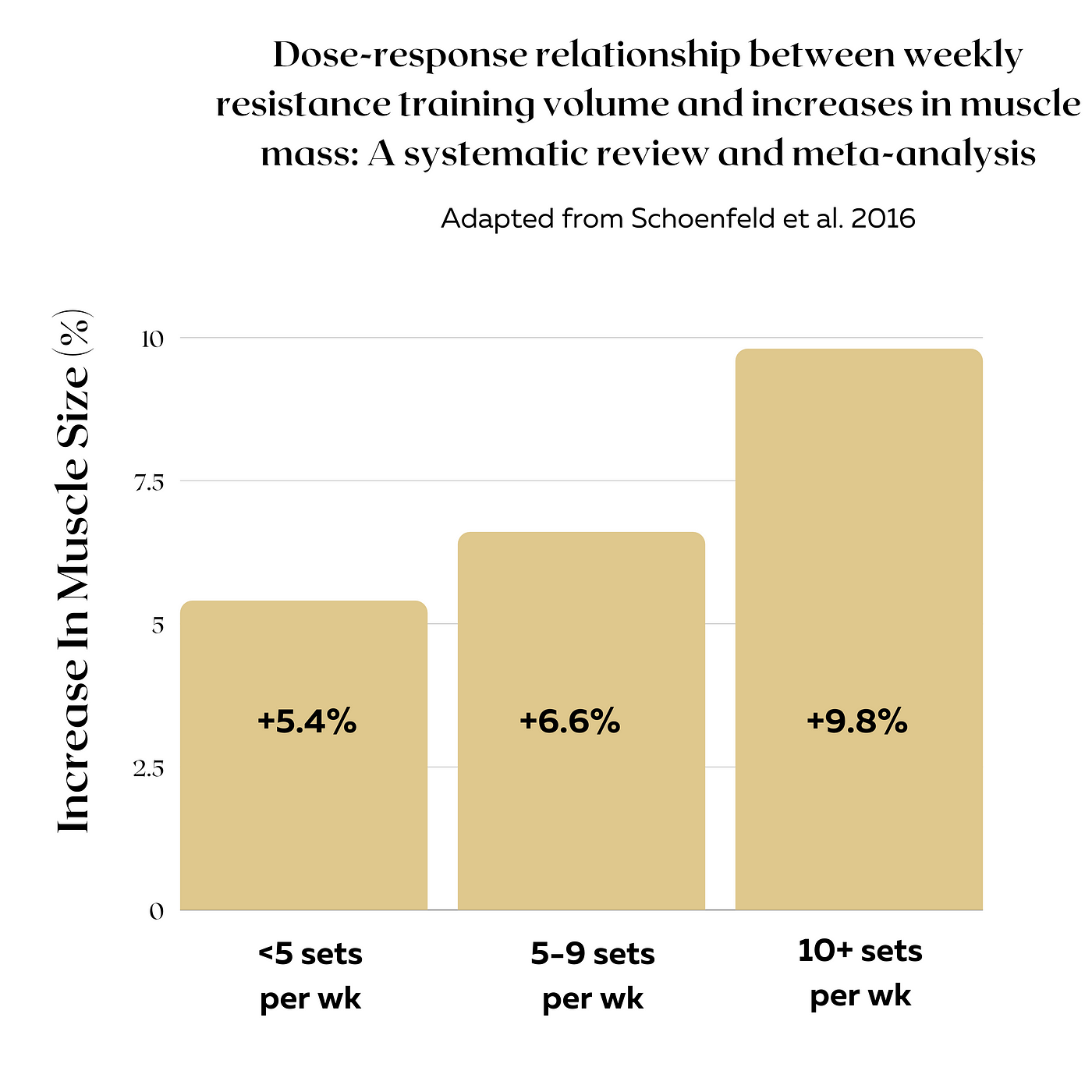
Studies suggest that muscle growth happens best when you perform around 10 to 20 sets per muscle group each week. Going below this range might not provide enough stimulus for your muscles to grow. But doing more than 20 sets often doesn’t add much benefit and can increase fatigue.
One research review found that trainees who completed about 15 sets per muscle weekly saw better muscle size increases than those doing fewer sets. However, the quality of those sets also plays a big role. It’s not just about hitting a number but making every set count.
Balancing Quantity And Quality
Have you ever pushed through many sets only to feel drained without making gains? That’s a sign you might be sacrificing quality for quantity. Each set needs to challenge your muscles close to failure to be effective.
Focus on controlled reps, proper form, and enough rest between sets. Instead of doing 25 sets with poor form, aim for 15 high-quality sets where you feel the muscle working hard. This approach helps prevent injuries and improves muscle growth.
- Stick to 10-20 total weekly sets per muscle.
- Make each set challenging with proper technique.
- Rest enough to recover strength between sets.
Think about your current training: Are you hitting enough sets, or are you overdoing it without proper intensity? Adjusting your set volume while maintaining quality can unlock better muscle gains.
Training Frequency And Sets
Training frequency and the number of sets you perform are closely linked in your muscle-building journey. How often you hit each muscle group can change the total sets you do per week, impacting your results. Balancing these two factors helps you avoid overtraining while pushing your muscles enough to grow.
Weekly Set Distribution
Think about your total weekly sets as a puzzle. You can spread your sets evenly across multiple sessions or concentrate them in fewer workouts. For example, doing 15 sets for your chest in one session can be tough to recover from, but spreading those 15 sets over three days with 5 sets each can yield better gains.
Many lifters find that training each muscle group 2-3 times per week works best. This approach lets you keep your sets per session manageable and your muscles stimulated more often. Have you tracked how many sets you do weekly? Adjusting this number might be the key to breaking your plateau.
Impact On Recovery
Recovery is as important as training itself. If you pile too many sets into one workout, your muscles and nervous system may struggle to bounce back. This can slow progress and increase injury risk.
Spreading sets across the week helps your body recover better between sessions. It also keeps your energy levels higher for each workout. You might notice better strength gains and less soreness when you space out your training volume.
Ask yourself: Are your current workouts leaving you drained or energized? Listening to your body’s feedback about recovery can guide how you organize your sets and frequency.
Intensity And Effort Levels
Understanding intensity and effort levels is key to deciding how many sets you should perform to build muscle mass. These factors directly influence muscle fatigue, recovery, and growth. Adjusting your effort during workouts can make the difference between plateauing and gaining strength.
Role Of Training Intensity
Training intensity refers to how hard you push your muscles during each set. Higher intensity means lifting heavier weights or performing more challenging exercises. This forces your muscles to adapt and grow stronger.
However, intensity isn’t just about weight. It’s also about focus and control during each repetition. Slowing down your movements or pausing at the hardest part of a lift can boost intensity without adding more weight.
Think about your last workout: Did you push hard enough to really challenge your muscles? If not, adding more sets might not help unless you increase your intensity first.
When To Push To Failure
Pushing to failure means performing reps until you cannot complete another with good form. This can be a powerful tool for muscle growth but should be used wisely.
Going to failure every set can increase fatigue and risk of injury. Instead, try pushing to failure on your last set or occasionally during a workout to maximize effort without overtraining.
Ask yourself: Can you maintain good form and recover well between sessions? If yes, incorporating occasional sets to failure might accelerate your progress.
- Use failure sets sparingly—once or twice per week is often enough.
- Focus on quality reps before reaching failure.
- Listen to your body; avoid failure if you feel sharp pain or extreme fatigue.
Individual Factors Affecting Sets
Understanding how many sets you need to build muscle mass isn’t just about following a generic plan. Your individual characteristics play a huge role in determining what works best for you. Factors like your training background and how quickly your body recovers can change the number of sets you should be doing.
Experience Level Differences
Your experience in weight training directly affects how many sets you should perform. Beginners often see gains with fewer sets because their muscles respond quickly to new stress. Doing too many sets early on can lead to unnecessary fatigue and slow progress.
On the other hand, if you’ve been lifting for years, your muscles have adapted to the stress. You might need more sets to create enough stimulus for growth. This could mean pushing yourself through 15-20 sets per muscle group per week instead of 6-10.
Think about your own history with training. Are you still seeing progress with your current routine? If not, adjusting your set volume based on experience might be the key.
Age And Recovery Ability
Age affects muscle recovery and, therefore, how many sets you can effectively perform. Younger lifters often recover faster and can handle higher volumes of training. This allows them to do more sets without risking overtraining.
As you get older, recovery slows down. You might find that doing the same number of sets you did in your twenties leads to soreness that lasts for days. Adjusting the volume to match your recovery ability can prevent burnout and injury.
Pay attention to how your body feels between workouts. If you notice prolonged fatigue or joint pain, consider reducing your set count. Your muscles need time to rebuild stronger, not just more work.
Common Mistakes With Set Volume
Many people believe that more sets always lead to bigger muscles. But pushing your set volume without a plan can backfire. Understanding common mistakes with set volume helps you avoid wasting time and risking injury.
Overtraining Risks
Adding too many sets might seem like a good idea, but it often leads to overtraining. Your muscles need time to recover and grow stronger, not just more work. I’ve seen gym-goers burn out after upping their sets too quickly, making progress stall or even reverse.
Signs like persistent soreness, decreased strength, and fatigue could mean you’re doing too much. Ask yourself: Are my workouts leaving me energized or exhausted? Listening to your body is key to finding the right balance.
Neglecting Rest Periods
Skipping or shortening rest periods between sets is a common mistake that reduces workout quality. Rest lets your muscles recover enough to perform well in the next set. Without it, you risk poor form and less muscle activation.
Try timing your rests—typically 60 to 90 seconds for hypertrophy-focused training. You might notice that taking proper breaks helps you lift heavier or do more reps, which builds muscle better than rushing through sets.

Credit: www.youtube.com
Adjusting Sets For Specific Goals
Adjusting the number of sets in your workout routine depends on the goal you want to achieve. Different goals need different training approaches. Tailoring your sets can help you reach strength gains or muscle growth more efficiently. Understanding how to change your sets improves workout results and keeps training interesting.
Strength Vs. Hypertrophy Focus
Strength training usually requires fewer sets with heavier weights. Focus on 3 to 5 sets per exercise. Keep reps low, around 3 to 6, to build power and force.
Hypertrophy, or muscle growth, needs more sets with moderate weights. Aim for 4 to 6 sets per exercise. Reps should be higher, about 8 to 12, to increase muscle size.
Adjust your rest time too. Shorter rests help hypertrophy, while longer rests support strength training.
Incorporating Variety
Changing the number of sets regularly avoids plateaus. Mix low and high sets during the week. This challenges muscles in new ways.
- Use more sets with lighter weights for endurance.
- Use fewer sets with heavier weights for power.
- Switch exercises to target muscles differently.
Variety keeps workouts fresh and helps continuous progress. It also reduces the risk of injury and overtraining.
Tracking Progress And Making Changes
Tracking progress and adjusting your workout routine is key to building muscle effectively. Without monitoring, you might miss signs of growth or overtraining. Regular checks help you know when to push harder or ease off. This approach keeps your muscles challenged and prevents plateaus.
Monitoring Muscle Growth
Keep track of muscle size and strength changes every few weeks. Use a tape measure to check muscle circumference at consistent points. Take photos from multiple angles under similar lighting. Record your lifting weights and reps to see strength improvements. Note any changes in how your clothes fit. These simple steps show real progress beyond the mirror.
When To Increase Or Decrease Sets
Increase sets when your workouts feel easy and you recover well. Your muscles need more challenge to grow bigger. Add 1-2 sets per muscle group gradually. Decrease sets if you feel constant fatigue or joint pain. Overdoing sets can slow recovery and cause injury. Adjust sets based on your energy and progress signals.

Credit: medium.com
Frequently Asked Questions
How Many Sets Build Muscle Mass Effectively?
Perform 3 to 5 sets per exercise for optimal muscle growth. This range balances volume and intensity, promoting hypertrophy. Beginners may start with fewer sets and gradually increase.
Is 3 Sets Enough To Build Muscle Mass?
Yes, 3 sets can effectively build muscle if performed with proper intensity and form. Consistency and progressive overload are key to gains.
How Often Should You Do Sets For Muscle Growth?
Train each muscle group 2 to 3 times per week. This frequency ensures sufficient stimulus and recovery for muscle growth.
Does Doing More Sets Increase Muscle Size?
More sets can increase muscle size but risk overtraining. Quality and recovery matter more than just quantity of sets.
Conclusion
Building muscle takes time and the right number of sets. Aim for enough sets to challenge your muscles but avoid overdoing it. Rest and nutrition matter just as much as your workout. Keep track of your progress and adjust sets as needed.
Consistency and patience bring the best results. Small steps add up to big changes. Stay focused and enjoy the process.







