
Feeling the itch to get fit and build muscle at 40? You’re not alone.
Many people in their forties are eager to transform their bodies and embrace a healthier lifestyle. But the burning question on your mind is probably this: How long will it take to see real results? The answer isn’t as straightforward as you might think, but don’t worry—you’re about to discover the secrets that could speed up your muscle-building journey.
With age, your body changes, and so do the rules of fitness. What worked in your twenties might not cut it now. But here’s the good news: building muscle at 40 is not only possible, it’s also incredibly rewarding. Imagine looking in the mirror a few months from now and seeing a stronger, more toned version of yourself. Sounds exciting, right? We’ll dive into the factors that affect muscle growth at 40, and share expert tips tailored just for you. Stay with us, and you’ll learn how to maximize your efforts, avoid common pitfalls, and accelerate your progress. Ready to take the first step towards a stronger you? Keep reading, and let’s get started on this empowering journey together.
Muscle Growth After 40
Muscle growth after 40 is possible but often slower than in younger years. The body changes with age, affecting how muscles respond to exercise. Understanding these changes helps set realistic goals and expectations. Consistent training and proper nutrition remain key to gaining muscle at this age.
Age-related Changes In Muscle
Muscle mass naturally decreases with age, a process called sarcopenia. Muscle fibers shrink and reduce in number. Hormone levels like testosterone and growth hormone decline, impacting muscle repair and growth. Recovery time after workouts also increases. These factors make muscle gain slower but not impossible.
Factors Affecting Muscle Gain
- Exercise type:Strength training is essential for muscle growth.
- Protein intake:Consuming enough protein supports muscle repair.
- Rest and recovery:Muscles need time to heal and grow.
- Consistency:Regular workouts lead to better results.
- Sleep quality:Good sleep aids hormone production and recovery.
- Stress levels:High stress can hinder muscle growth.
Setting Realistic Timelines
Setting realistic timelines for building muscle at 40 is crucial to stay motivated and avoid frustration. Your body’s response changes with age, so expecting the same speed of muscle gains as in your twenties can lead to disappointment. Understanding how your muscles react initially and how progress unfolds over months helps you create achievable goals tailored to your stage in life.
Initial Muscle Response
When you start training, your muscles react quickly in the first few weeks. You might notice increased strength and slight muscle fullness even before visible growth occurs. This is mostly due to improved neuromuscular connections—your brain and muscles learning to work better together.
For example, during my first month back in the gym after turning 40, I felt stronger and more coordinated but didn’t see big size changes. This phase is encouraging because it shows your body is adapting. However, real muscle growth takes a bit longer, so don’t get discouraged if the mirror doesn’t reflect your effort just yet.
Expected Progress Over Months
After the initial phase, muscle growth becomes more noticeable but slower. At 40, gaining about 0.5 to 1 pound of muscle per month is a realistic pace with consistent training and proper nutrition. This steady progress might feel slow compared to younger years, but it’s sustainable and healthier.
Keep track of your progress beyond just the scale or mirror. Strength improvements, energy levels, and how your clothes fit can be better indicators of muscle gain. Ask yourself: Are you lifting heavier weights or recovering faster? These signs confirm that your timeline is on track.
- Focus on steady, incremental increases in weight or reps.
- Allow enough rest and recovery to avoid injury.
- Adjust your diet to support muscle repair and growth.
Remember, muscle building at 40 is a marathon, not a sprint. Patience and consistency will reward you with lasting strength and improved health.
Effective Training Strategies
Building muscle at 40 requires smart training strategies. The body changes with age, so workouts must adapt. Focus on exercises that stimulate muscle growth while protecting joints. Balance strength work with heart health and rest. These elements form the foundation for steady muscle gain and overall fitness.
Strength Training Essentials
Strength training is the core of muscle building. Choose compound exercises like squats, deadlifts, and bench presses. These moves target multiple muscles at once. Aim for moderate weights and 8-12 repetitions per set. Perform 3-4 sets for each exercise. Consistency matters more than lifting very heavy weights. Proper form reduces injury risk and improves results. Gradually increase the weight as your strength improves.
Incorporating Cardiovascular Exercise
Cardio supports muscle growth by improving blood flow and endurance. Include low-impact activities like walking, cycling, or swimming. Keep sessions to 20-30 minutes, 3 times per week. Avoid excessive cardio that may break down muscle tissue. Balance cardio with strength training for best results. Cardio also helps manage body fat, making muscles more visible.
Importance Of Recovery
Rest is vital for muscle repair and growth. Muscles grow during recovery, not workouts. Ensure 7-9 hours of sleep each night. Take at least one full rest day weekly. Use techniques like stretching or gentle yoga to ease soreness. Avoid overtraining, which leads to fatigue and injury. Listen to your body and adjust workouts as needed.
Nutrition For Muscle Building
Nutrition plays a vital role in building muscle, especially after 40. Eating the right foods helps repair muscles and supports growth. Focus on balanced meals with proteins, carbs, and fats. Proper nutrition fuels workouts and speeds recovery.
Protein Intake Guidelines
Protein is the building block of muscles. Older adults need more protein to maintain muscle mass. Aim for 1.2 to 2.0 grams of protein per kilogram of body weight daily. Spread protein intake evenly across meals. Good sources include:
- Lean meats like chicken and turkey
- Fish such as salmon and tuna
- Eggs and dairy products
- Plant proteins like beans, lentils, and tofu
Role Of Supplements
Supplements can help fill nutrition gaps. Protein powders are convenient for meeting daily goals. Creatine may improve strength and muscle size. Vitamin D supports muscle function and bone health. Consult a doctor before starting supplements.
Hydration And Muscle Health
Water is crucial for muscle performance and recovery. Dehydration lowers strength and endurance. Drink water before, during, and after exercise. Include fluids like herbal teas and low-sugar drinks. Staying hydrated helps muscles work better and reduces soreness.
Lifestyle Factors Impacting Growth
Building muscle after 40 is not just about lifting weights or eating right. Your lifestyle plays a huge role in how quickly and effectively your muscles grow. Small changes in your daily habits can make a big difference in the results you see.
Sleep Quality
Sleep is when your body repairs and builds muscle tissue. If you don’t get enough deep, restful sleep, your muscle growth slows down. Aim for 7-9 hours of quality sleep every night to support recovery and hormone balance.
Think about the last time you had a poor night’s sleep—did you feel weaker or less motivated the next day? That’s your body telling you it needs rest to perform and grow.
Stress Management
Stress releases cortisol, a hormone that can break down muscle and block muscle-building hormones like testosterone. Managing stress helps keep these hormone levels balanced.
Simple practices like meditation, walking, or even deep breathing can lower stress and protect your muscle gains. What activities help you relax and recharge?
Consistency And Motivation
Muscle growth doesn’t happen overnight, especially after 40. Staying consistent with your workouts and nutrition is key. Skipping sessions or losing motivation slows progress.
Set realistic goals and track your progress to keep your motivation high. Remember, every small effort adds up over time to create noticeable muscle growth.
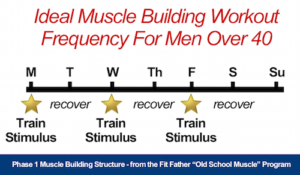
Credit: www.fitfatherproject.com
Tracking And Measuring Progress
Tracking and measuring progress is key to building muscle at 40. It helps you see real changes and stay motivated. Without tracking, gains can feel slow or invisible. Using clear methods to measure strength and body changes shows how well your plan works. This also helps adjust workouts and nutrition for better results.
Using Strength Metrics
Strength metrics track how much weight you lift and your workout performance. Recording your lifts over time reveals muscle growth and increased power. Keep a workout log with:
- Weights used
- Number of sets
- Repetitions per set
- Rest times between sets
Progress in these numbers means your muscles are adapting and growing. Focus on steady increases in weight or reps. Strength gains often happen before visible muscle size changes.
Body Composition Analysis
Body composition analysis shows how much fat and muscle you have. It offers a clearer picture than just weight. Methods include:
- Skinfold calipers
- Bioelectrical impedance scales
- DEXA scans
Tracking muscle mass and fat percentage helps confirm muscle building. Muscle growth may not change your weight much if fat is lost too. Measuring body composition every 4 to 6 weeks keeps progress realistic and clear.
Common Challenges And Solutions
Building muscle at 40 comes with unique challenges. The body changes with age, making progress slower and recovery longer. Some common obstacles include injury risks and hitting plateaus. Understanding these issues helps find effective solutions. Staying consistent and smart with workouts is key.
Injury Prevention
Injury risk increases with age due to weaker joints and slower healing. Avoiding injuries keeps muscle growth on track. Warm up properly before exercise to prepare muscles and joints. Use correct form during workouts to reduce strain. Include low-impact activities like swimming or cycling to support joint health. Rest days allow muscles and tissues to recover fully. Listen to the body’s signals and stop if there is pain. Gradually increase workout intensity to prevent overload.
Plateau Breaking Techniques
Muscle growth often slows after initial progress. Breaking plateaus requires changing the workout routine. Try varying exercises to target muscles differently. Increase weights or reps to challenge muscles more. Incorporate supersets or circuit training to boost intensity. Focus on nutrition by adding enough protein for muscle repair. Ensure sufficient sleep to support recovery and growth. Track progress regularly to adjust plans and stay motivated.

Credit: www.womenshealthmag.com

Credit: www.youtube.com
Frequently Asked Questions
How Quickly Can A 40-year-old Build Muscle?
Muscle growth at 40 varies but typically takes 8-12 weeks with consistent training. Proper diet and recovery accelerate progress.
Does Age Slow Down Muscle Growth After 40?
Yes, muscle growth slows due to hormonal changes. However, consistent exercise and nutrition still yield significant gains.
What Is The Best Workout For Building Muscle At 40?
Strength training with compound exercises is ideal. Focus on moderate weights, proper form, and progressive overload for best results.
How Important Is Protein Intake For Muscle Growth At 40?
Protein is crucial to repair and build muscle. Aim for 1. 2-1. 6 grams per kilogram of body weight daily.
Conclusion
Building muscle at 40 takes time and patience. Results come with regular workouts and good nutrition. Muscle growth may be slower than in youth. Consistency is the key to steady progress. Rest and recovery help your muscles grow stronger. Small changes add up over weeks and months.
Stay motivated and track your improvements. Your body can adapt and improve at any age. Keep going, and you will see results.







